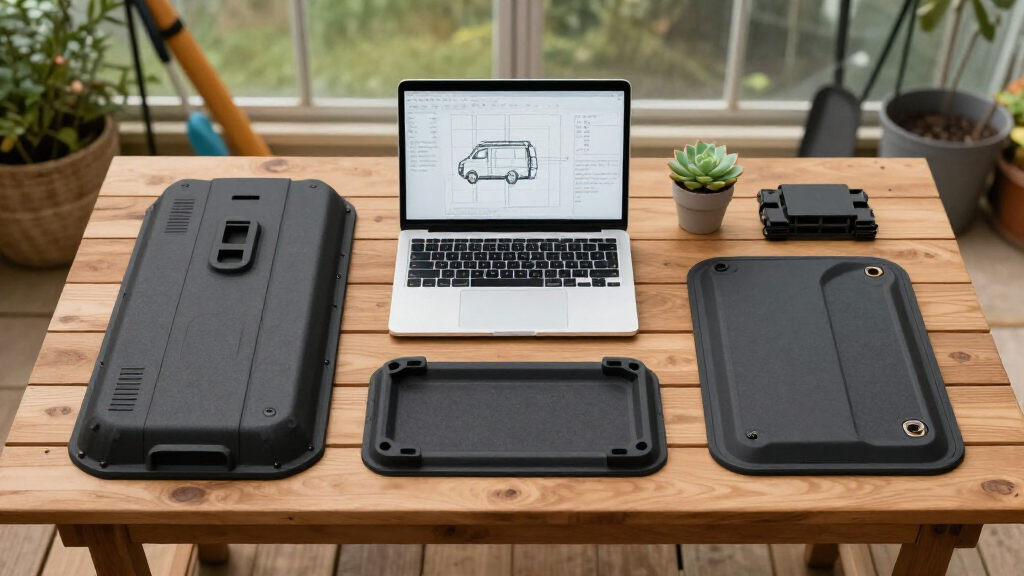

When preparing a van for off-road adventures, the right conversion kit can make all the difference. For budget-conscious DIY builders, the Convert Your Minivan into a Mini RV Camper offers a simple, cost-effective solution under $200, though it lacks detailed materials or advanced features. Meanwhile, the Modular Camper Van Conversion Kit for Sprinter Van and Ford Transit provides a flexible, easy-to-install interior upgrade with essential amenities, perfect for those wanting a quick, removable setup. For climate control in rugged conditions, the DC 12V RV Rooftop Air Conditioner combines durability with quiet operation, ensuring comfort in remote locations. Each option balances a different set of priorities—cost, adaptability, or climate comfort—so your choice depends on your specific off-road needs and technical skills.

Get garden gear delivered free with Prime
- Fast, free delivery on millions of items
- Prime Video, Amazon Music and more included
- Member-only deals all year
Complete the kit


Key Takeaways
- The minivan conversion is ideal for those on a tight budget and willing to DIY with minimal materials.
- The modular kit excels for owners seeking a flexible, removable interior with basic amenities for extended trips.
- The rooftop air conditioner is best for off-road drivers needing reliable climate control in rugged environments.
- Tradeoffs include varying levels of durability, ease of installation, and cost, which influence suitability for different off-road scenarios.
- All options are designed with different user experience levels in mind, from beginners to seasoned vanlifers.
| Convert Your Minivan into a Mini RV Camper: How to Convert a Minivan into a Comfortable Camper for Under $200 |  | Best Budget DIY Conversion | Cost: Under $200 | Tools Needed: Basic DIY tools | Installation Time: Variable, DIY effort required | VIEW LATEST PRICE | See Our Full Breakdown |
| Modular Camper Van Conversion Kit for Sprinter Van and Ford Transit |  | Best Flexible Interior Solution | Includes: Full-size bed, kids’ bed, fridge, dining table, couch | Installation: Easy, no drilling, fully removable | Compatibility: Sprinter Van, Ford Transit, Mercedes Sprinter | VIEW LATEST PRICE | See Our Full Breakdown |
| DC 12V RV Rooftop Air Conditioner with Heating, Ultra-thin Electric A/C Unit for Trucks, Vans, Campers, and Off-road Vehicles |  | Best Climate Control for Rugged Use | Power Supply: 12V Battery | Dimensions: 27.5 x 27.5 x 5.8 inches | Installation Opening: 12 x 7 inches | VIEW LATEST PRICE | See Our Full Breakdown |
More Details on Our Top Picks
Convert Your Minivan into a Mini RV Camper: How to Convert a Minivan into a Comfortable Camper for Under $200
This guide stands out for its affordability and simplicity, offering a step-by-step blueprint to transform a basic minivan into a cozy camper for under $200. Compared with more elaborate kits, it requires minimal tools and materials, making it accessible for beginners. However, the lack of specific product features or materials means you’ll need to source many components yourself, and the overall comfort level may be limited by the minimal investment. It’s a practical choice if your priority is a lightweight, low-cost solution that delivers a basic camping setup, but it’s less suitable for those seeking durability or long-term off-road comfort.
Pros:- Affordable conversion cost under $200
- Provides detailed, step-by-step instructions
- Creates a comfortable mini RV experience
Cons:- No specific product features or materials listed
- Limited information on tools required
- No customer reviews or ratings available
Best for: Budget-conscious DIY enthusiasts seeking a simple, affordable camper conversion
Not ideal for: Those wanting a durable, fully-equipped van interior or professional-grade materials
- Cost:Under $200
- Tools Needed:Basic DIY tools
- Installation Time:Variable, DIY effort required
Our verdict“An excellent starting point for budget-minded DIYers willing to put in time and effort for a simple camper build.”
Modular Camper Van Conversion Kit for Sprinter Van and Ford Transit
This modular kit appeals to owners who prioritize adaptability and ease of use. It includes a full-size bed, kids’ bed, fridge, dining table, and couch, designed to maximize space without permanent modifications. Compared to DIY solutions, this kit offers a more polished, integrated interior with a focus on comfort and convenience. The ease of installation—no drilling or permanent changes—makes it attractive for those who might want to revert or reconfigure their setup. On the downside, it may require some customization for specific van models, and the overall cost can be higher. Its modular design makes it perfect for users who want a quick upgrade that’s still functional for off-road travel.
Pros:- Easy to install and remove without permanent modifications
- Space-efficient, modular design maximizes utility
- Includes essential features like fridge, beds, and dining area
Cons:- May require customization for specific van models
- Limited details on material durability
- Potentially higher cost for complete setup
Best for: Van owners seeking a removable, space-efficient interior with essential amenities
Not ideal for: Those needing highly durable, heavy-duty materials or a fully custom interior
- Includes:Full-size bed, kids’ bed, fridge, dining table, couch
- Installation:Easy, no drilling, fully removable
- Compatibility:Sprinter Van, Ford Transit, Mercedes Sprinter
- Design:Space-saving, modular, adaptable
- Features:Built-in fridge, dining setup, sleeping arrangements
- Suitable For:Beginners and experienced van lifers
Our verdict“This kit offers great flexibility and ease of installation for those wanting a quick, functional interior upgrade in their camper van.”
DC 12V RV Rooftop Air Conditioner with Heating, Ultra-thin Electric A/C Unit for Trucks, Vans, Campers, and Off-road Vehicles
This rooftop A/C unit stands out for its lightweight, ultra-thin profile, which reduces wind resistance and noise—important factors when traveling off-road. It provides reliable cooling and heating functions, capable of maintaining a comfortable interior temperature despite rugged conditions. Compared with traditional roof units, this model’s energy efficiency and quiet operation make it suitable for extended off-grid stays. However, it requires a 12V power source, which could mean additional batteries or wiring, and installation might be complex for some users. Its durability and UV-resistant shell mean it’s built for tough environments, but it’s best suited for vehicles with compatible power systems and solid mounting options.
Pros:- Lightweight and ultra-thin reduces wind resistance and noise
- Provides both cooling and heating functions
- Energy-efficient, operates independently from vehicle engine
- Durable, UV-resistant shell withstands harsh conditions
Cons:- Requires separate battery power setup
- Installation may be complex for some users
- Limited to 12V power systems
Best for: Off-road travelers needing dependable climate control in rugged environments
Not ideal for: Users without compatible 12V power systems or those seeking a plug-and-play solution
- Power Supply:12V Battery
- Dimensions:27.5 x 27.5 x 5.8 inches
- Installation Opening:12 x 7 inches
- Length of Power Cord:14.76 ft
- Material:ABS plastic
Our verdict“A solid climate control choice for off-road vehicles where space, noise, and durability are priorities, provided the power setup is suitable.”
How We Picked
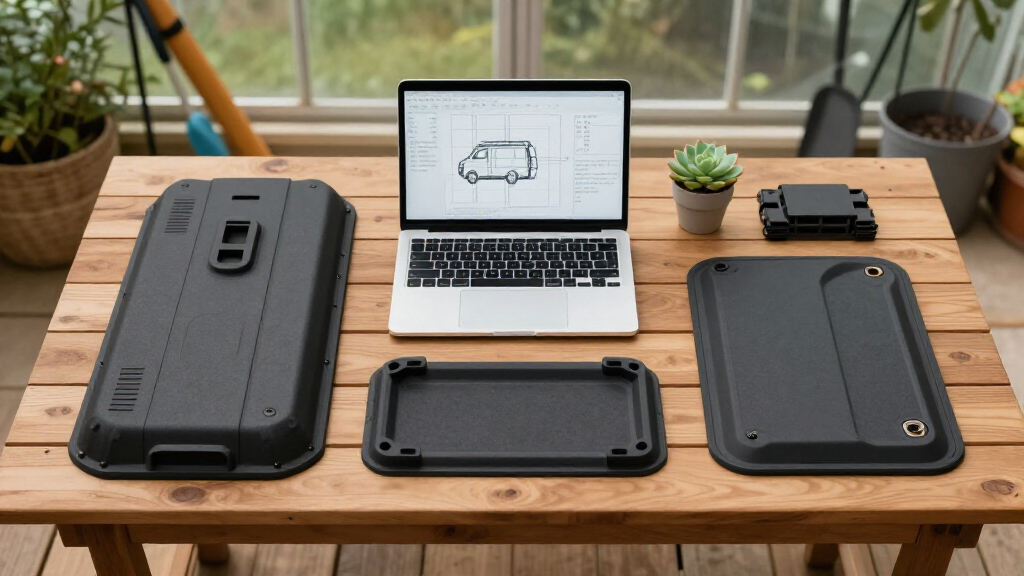
Our selection process focused on versatility, ease of installation, durability, and affordability for off-road applications. I compared products based on real-world usability, the range of features offered, and how well each kit or device balances cost against performance. We prioritized options that are suitable for rugged terrain, easy to install or remove, and capable of supporting extended off-grid adventures. Each product was chosen to serve a distinct role—budget-friendly DIY, modular interior, or climate control—ensuring a well-rounded lineup that covers different off-road needs and skill levels.
Factors to Consider When Choosing Best Off-road Van Conversion Kits
Choosing the right off-road van conversion kit depends heavily on your specific needs, vehicle type, and how much effort you’re willing to put into installation. Whether you prioritize affordability, interior flexibility, or climate control, understanding the key features and tradeoffs helps ensure your vehicle is ready for adventure. I’ll walk you through essential considerations, including budget, ease of installation, durability, and functionality, to help you select the best kit tailored to your off-road lifestyle.
Budget and DIY Skills
If you’re working with a tight budget or prefer a do-it-yourself approach, options like the minivan conversion guide provide a low-cost entry point but may require more time and effort. For those willing to spend more upfront, modular interior kits offer quicker, removable upgrades that blend convenience with functionality.
Durability and Off-Road Readiness
For off-road environments, durability is key. Lightweight and UV-resistant materials, like those used in rooftop A/C units, ensure your setup withstands harsh conditions. Consider how much modification your vehicle can handle, and whether your climate control solutions need to operate independently of your engine or power system.
Ease of Installation and Reversibility
Some kits are designed for easy, non-permanent installation, making them ideal for owners who want flexibility or plan to revert to stock configurations. Others might require more intensive work but offer a more integrated and durable solution. Always match your technical comfort level to the complexity of the installation process.
Frequently Asked Questions
Can I install these conversion kits myself?
Many of these kits are designed with DIY installation in mind, especially the modular interior kits, which often require no drilling or permanent modifications. However, some, like the rooftop A/C unit, may involve more technical work, including electrical wiring and mounting, which might require professional assistance or advanced skills.
Are these kits suitable for all off-road vehicles?
While most kits are compatible with common vans like Sprinter or Transit, it’s important to verify dimensions and mounting options for your specific vehicle model. The modular kits are generally adaptable, but some customization might be necessary for optimal fit and durability in rugged terrains.
How durable are the materials in these kits for off-road use?
Durability varies: the rooftop air conditioner features UV-resistant, tough plastic shells built for harsh conditions, while interior kits may use lighter materials suited for less extreme environments. Always consider the expected exposure to dust, moisture, and vibration when choosing a climate control or interior system for off-road adventures.
Will installing these kits affect my vehicle’s warranty?
Installing non-permanent or modular kits typically has minimal impact on vehicle warranty, but permanent modifications could void certain aspects. It’s wise to consult your vehicle manufacturer’s warranty policies before making extensive changes, especially for systems involving electrical wiring or structural alterations.
What safety considerations should I keep in mind?
Ensure that all modifications, especially electrical components like the rooftop A/C, are installed following safety standards. Proper mounting, ventilation, and electrical wiring are essential to prevent damage or accidents. When in doubt, consulting a professional can help ensure your setup is safe for off-road travel.
Conclusion
If you’re a budget-minded adventurer willing to invest time into DIY projects, the minivan conversion offers a surprisingly cozy setup at a minimal cost. For those seeking a flexible, easily removable interior to support longer trips without permanent changes, the modular kit is an excellent choice. Finally, if climate comfort in rugged conditions is your priority, the rooftop A/C provides reliable, durable cooling and heating, provided your vehicle’s power system can support it. Your selection should align with your vehicle type, technical skills, and the environment you plan to explore most frequently.
Halloween Picks
halloween
As an affiliate, we earn on qualifying purchases.