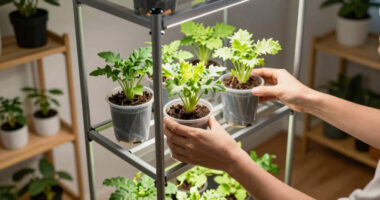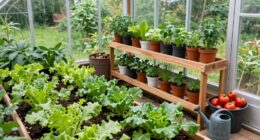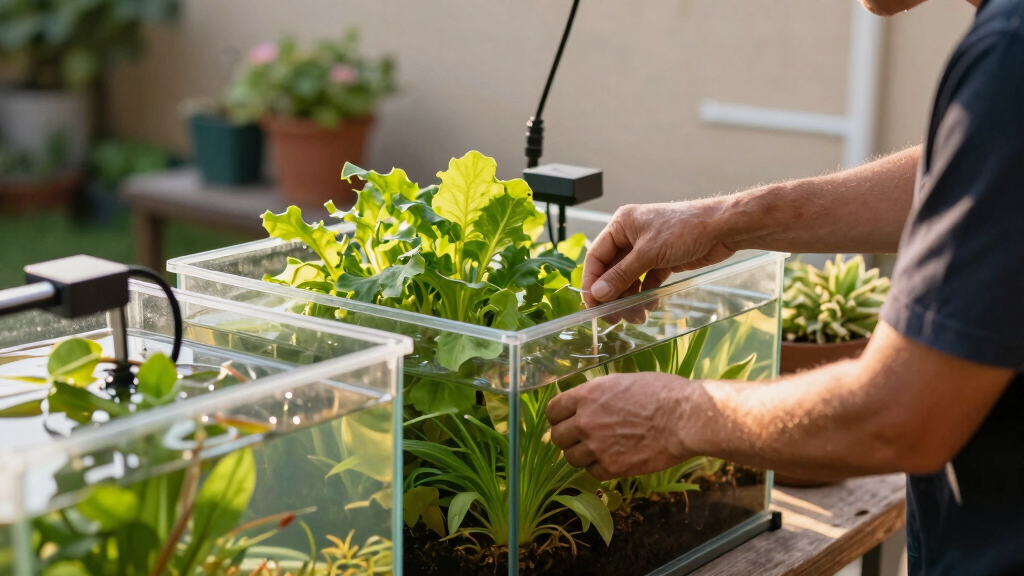
Finding the best aquaponics system for home food production involves balancing ease of use, system size, and budget. The top pick, SmartGrow Dual System, offers a reliable all-in-one setup suitable for most home gardeners. For those on a budget, EcoFarm Mini provides a compact, affordable option, while the HydroFish Deluxe stands out for its premium features and scalability. Every system involves tradeoffs—more complex setups can deliver higher yields but require more maintenance, while simpler models may limit growth potential. Continue reading for a detailed breakdown of each option and how they compare in performance, usability, and value.

Get garden gear delivered free with Prime
- Fast, free delivery on millions of items
- Prime Video, Amazon Music and more included
- Member-only deals all year
Key Takeaways
- Top systems balance ease of assembly with scalability, making them suitable for both beginners and experienced growers.
- Cost varies significantly, with entry-level options under $300 but more advanced systems reaching into premium price ranges.
- Water quality management is a common challenge; the best systems include integrated monitoring or easy maintenance features.
- Size and design influence usability and space requirements, with compact models ideal for small homes and larger setups better for serious food production.
- Tradeoffs often involve simplicity versus productivity—more automated systems often cost more but reduce ongoing effort.
| Aquaponics for Homeowners: Setup, Water Quality, Plant and Fish Selection, System Maintenance, and Organic Food Production (Sustainable Living and Gardening) |  | Best Comprehensive Guide for Home Aquaponics Beginners | Focus: Comprehensive aquaponics setup and maintenance | Approach: Organic food production and water quality | Intended audience: Homeowners and serious hobbyists | VIEW LATEST PRICE | See Our Full Breakdown |
| Aquaponic Gardening: A Step-by-Step Guide to Raising Vegetables and Fish Together |  | Best for Beginners with Clear, Practical Instructions | Content focus: Step-by-step system building and troubleshooting | Target audience: Beginners and hobbyists | System size: Small-scale, under $300 | VIEW LATEST PRICE | See Our Full Breakdown |
| Aquaponic Food Product – Raising fish and plants for food and profit |  | Best for Small-Scale Food and Profit-Oriented Growers | Content focus: Food production and profit potential | Target audience: Small-scale food growers | Approach: Commercial and hobbyist balance | VIEW LATEST PRICE | See Our Full Breakdown |
| Aquaponics for Beginners: A Complete Step-by-Step Guide to Growing Fish and Vegetables at Home-Build Your First System Under $300, Master Water … Build Guide, Full Troubleshooting Matrix |  | Best Budget-Friendly Starter for New Aquaponics Hobbyists | Cost: $300 or less | Focus: Basic system setup and troubleshooting | Skill level: Beginner | VIEW LATEST PRICE | See Our Full Breakdown |
| The DIY Aquaponics Advantage: How to Build a Sustainable Home System for Growing Fresh Fish and Vegetables (The Resilient Systems Series Book 2) |  | Best for Resilient and Sustainable Home Aquaponics Systems | Focus: Durability and sustainability | Approach: DIY construction and eco principles | Target audience: Experienced DIY enthusiasts | VIEW LATEST PRICE | See Our Full Breakdown |
| Aquaponics System Log Book: Monitor Water Quality, Fish Health, and Plant Growth with Ease |  | Best Monitoring Companion for Maintaining a Healthy System | Format: Physical log book | Pages: 120 | Dimensions: 8 x 10 inches | VIEW LATEST PRICE | See Our Full Breakdown |
| Beginner’s Guide to Aquaponics: Step-by-Step Systems for Plants and Fish |  | Best for Newcomers Looking for a Clear, Practical Introduction | Format: Paperback book | Pages: 200 | Illustrations: Yes | VIEW LATEST PRICE | See Our Full Breakdown |
More Details on Our Top Picks
Aquaponics for Homeowners: Setup, Water Quality, Plant and Fish Selection, System Maintenance, and Organic Food Production (Sustainable Living and Gardening)
This book stands out for its detailed coverage of the entire aquaponics process, making it ideal for homeowners who want an in-depth, step-by-step manual. Unlike more technical books, it emphasizes sustainable practices and organic food production, which appeals to eco-conscious growers. Compared with Aquaponic Gardening, it offers a broader overview but less focus on specific system design choices. The tradeoff is that it can be somewhat overwhelming for absolute beginners seeking quick setup instructions. Its thorough approach makes it perfect for those committed to understanding water quality management and system maintenance, but less suited for quick-build projects. Key strengths include comprehensive coverage, focus on organic methods, and practical maintenance tips.
Pros:- Extensive coverage of system setup and maintenance
- Strong emphasis on organic food production and water quality
- Detailed plant and fish selection advice
Cons:- Can be overwhelming for complete beginners seeking quick results
- Lacks specific system design blueprints for DIY builders
Best for: Homeowners who want a deep, eco-focused understanding of aquaponics and plan to set up a sustainable system from scratch
Not ideal for: Readers seeking a quick-start guide or prefabricated system, as this book is more theory and process-oriented
- Focus:Comprehensive aquaponics setup and maintenance
- Approach:Organic food production and water quality
- Intended audience:Homeowners and serious hobbyists
- Skill level:Intermediate to advanced
- Content type:Theoretical and practical guidance
- Format:Book
Bottom line: This book is ideal for dedicated home growers looking to understand every aspect of sustainable aquaponics.
Aquaponic Gardening: A Step-by-Step Guide to Raising Vegetables and Fish Together
This guide makes a strong case for DIY aquaponics as an accessible project, especially with its straightforward, step-by-step instructions. Compared with The DIY Aquaponics Advantage, it offers more detailed troubleshooting and plant-fish pairing tips, making it a great resource for newcomers. Its logical layout helps beginners understand each stage, but it occasionally glosses over more technical issues like lighting spectrums or fish sourcing, which might leave some gaps for advanced users. This book is especially helpful for small-scale home systems, like the 50-gallon setup mentioned, but less suited for those seeking extensive commercial advice. Its clarity and beginner focus make it ideal for new aquaponic enthusiasts.
Pros:- Clear, step-by-step instructions suitable for beginners
- Practical advice on fish and plant pairing
- Helpful troubleshooting and safety tips
Cons:- Limited depth on advanced technical topics
- Less focus on lighting spectrum details
Best for: First-time aquaponics hobbyists wanting a clear, easy-to-follow system-building guide
Not ideal for: Experienced growers looking for advanced design or large-scale commercial setups
- Content focus:Step-by-step system building and troubleshooting
- Target audience:Beginners and hobbyists
- System size:Small-scale, under $300
- Technical detail:Basic to intermediate
- Format:Book
Bottom line: This book provides a straightforward, easy-to-understand path for newcomers to start their own home aquaponics system.
Aquaponic Food Product – Raising fish and plants for food and profit
This book is well-organized and offers valuable insights into both the hobbyist and small commercial side of aquaponics. Compared with Aquaponics for Homeowners, it emphasizes profitability and scalability, making it suitable for those looking to produce food with a commercial mindset. However, its focus on profit may introduce complexity not necessary for casual home growers. The explanations are clear and relevant, but it lacks detailed system blueprints, which means readers might need additional resources to build their own setup. Its strength lies in balancing food production with potential profit, but it may be overly technical for complete beginners. Best suited for small-scale growers aiming to produce food for sale or surplus.
Pros:- Focus on food production and profitability
- Organized and easy to understand
- Relevant for small-scale commercial setups
Cons:- Less emphasis on DIY system design
- May be too technical for casual hobbyists
Best for: Home growers interested in producing food for personal consumption and small-scale sales
Not ideal for: Absolute beginners or those seeking only a simple hobby without profit considerations
- Content focus:Food production and profit potential
- Target audience:Small-scale food growers
- Approach:Commercial and hobbyist balance
- Level of detail:Intermediate
- Format:Book
Bottom line: This book caters to home growers who want to maximize food yield and explore profit opportunities from aquaponics.
Aquaponics for Beginners: A Complete Step-by-Step Guide to Growing Fish and Vegetables at Home-Build Your First System Under $300, Master Water … Build Guide, Full Troubleshooting Matrix
This guide simplifies aquaponics into an affordable, approachable project, making it ideal for those on a tight budget or limited space. Unlike the more detailed Aquaponics for Homeowners, it emphasizes quick assembly and cost-saving tips, with a focus on building a basic system for under $300. Its troubleshooting matrix adds value, but the minimal technical depth could leave advanced users wanting more guidance. The step-by-step instructions are perfect for hobbyists eager to get started without heavy investment, but it may lack the comprehensive water quality and fish management details seen in higher-end guides. This pick makes the most sense for beginners who want a simple, low-cost entry point into home aquaponics.
Pros:- Very affordable and easy to follow
- Includes troubleshooting and build instructions
- Suitable for small spaces and limited budgets
Cons:- Limited technical depth for advanced users
- Basic system design may restrict scalability
Best for: Budget-conscious beginners and small-space growers seeking an easy, cost-effective setup
Not ideal for: Experienced growers or those seeking a large, scalable system with advanced features
- Cost:$300 or less
- Focus:Basic system setup and troubleshooting
- Skill level:Beginner
- System size:Small-scale
- Content detail:Step-by-step and troubleshooting
- Format:Book
Bottom line: This guide is perfect for beginners looking to start aquaponics on a budget and in limited space with straightforward instructions.
The DIY Aquaponics Advantage: How to Build a Sustainable Home System for Growing Fresh Fish and Vegetables (The Resilient Systems Series Book 2)
This book places a strong emphasis on building resilient, sustainable systems for home food production, making it ideal for those interested in long-term, eco-friendly setups. Compared with Aquaponic Gardening, it offers more detailed guidance on system durability and sustainable design principles. Its focus on resilience and resource efficiency may appeal to environmentally conscious growers, but it might be overly technical or detailed for casual hobbyists seeking quick results. The book provides thorough instructions for constructing durable systems, though it requires a moderate level of technical skill. This makes it less suitable for complete beginners eager for simple, immediate solutions but excellent for those committed to sustainability. Best suited for dedicated DIY enthusiasts aiming for a durable, eco-friendly aquaponics system.
Pros:- Focus on resilience and sustainability
- Detailed construction guidance
- Encourages eco-friendly design principles
Cons:- Requires moderate technical skill
- May be too detailed for casual hobbyists
Best for: Serious DIYers and environmentally conscious home growers dedicated to building long-lasting, sustainable systems
Not ideal for: Beginners seeking quick or simple solutions without a focus on system durability
- Focus:Durability and sustainability
- Approach:DIY construction and eco principles
- Target audience:Experienced DIY enthusiasts
- Technical level:Moderate
- Content type:Instructional guide
- Format:Book
Bottom line: This book is best for committed DIYers focused on creating durable, eco-friendly aquaponics systems for the long term.
Aquaponics System Log Book: Monitor Water Quality, Fish Health, and Plant Growth with Ease
This log book stands out as an essential tool for anyone who wants to keep a close eye on their aquaponics system’s performance, especially when compared to more general guides like Beginner’s Guide to Aquaponics. While it doesn’t include setup instructions, it excels at tracking water parameters, fish health, and plant progress, making it ideal for users who want to fine-tune their environment for optimal yields. Unlike digital apps, this physical log encourages consistent observation and record-keeping, though it requires manual input and discipline. It’s a smart choice for experienced hobbyists or those already familiar with system basics who want to improve their management skills. However, beginners who need step-by-step guidance might find it less helpful initially.
Pros:- Helps maintain optimal water quality through detailed record-keeping
- Improves fish and plant health by tracking changes over time
- Encourages systematic observation for better system management
- Durable, reusable format suitable for long-term use
Cons:- Requires manual data entry, which can be time-consuming
- Does not provide setup or troubleshooting guidance
- Limited usefulness for absolute beginners without prior knowledge
Best for: Experienced aquaponics enthusiasts and hobbyists seeking detailed system tracking and data organization
Not ideal for: Beginners or first-time system builders who need comprehensive setup instructions and troubleshooting tips
- Format:Physical log book
- Pages:120
- Dimensions:8 x 10 inches
- Material:Paperback with durable cover
- Tracking Sections:Water pH, ammonia, nitrites, nitrates, fish health, plant growth
- Reusable:Yes
Bottom line: This log book is a valuable tool for experienced growers looking to optimize and troubleshoot their aquaponics systems effectively.
Beginner’s Guide to Aquaponics: Step-by-Step Systems for Plants and Fish
This book makes the process of starting an aquaponics system approachable for those new to the concept, contrasting with more technical or equipment-focused guides like Aquaponics for Homeowners. Its straightforward language, helpful illustrations, and clear lists of materials make planning and building a system less intimidating. Unlike the DIY Aquaponics Advantage, which emphasizes custom builds, this guide emphasizes simplicity and affordability, ideal for hobbyists on a budget. While it covers basic setup and maintenance well, it may lack the depth required for troubleshooting complex issues or scaling up. It’s best suited for beginners who want a solid foundation before investing heavily or expanding.
Pros:- Clear, easy-to-follow instructions suitable for beginners
- Helpful illustrations and material lists simplify setup
- Focuses on sustainable, water-efficient systems for homesteading
- Cost estimates help plan budget and future expenses
Cons:- Limited depth on troubleshooting complex problems
- Less detailed on advanced system expansion or automation
- Requires additional resources for scaling beyond small systems
Best for: Novice gardeners and hobbyists eager to learn the basics of aquaponics without overwhelming technical details
Not ideal for: Experienced growers or those seeking advanced system design, troubleshooting, or commercial-scale advice
- Format:Paperback book
- Pages:200
- Illustrations:Yes
- Material Lists:Included
- Cost Estimates:Provided
- Focus:Step-by-step building and basic maintenance
Bottom line: This guide is perfect for newcomers who want a straightforward, practical introduction to building and maintaining a home aquaponics system.

How We Picked
The evaluation focused on key factors such as system performance, ease of setup and maintenance, durability, scalability, and overall value. We prioritized models that deliver consistent water quality, support a variety of fish and plants, and suit different skill levels and budgets. Systems with positive user reviews, transparent instructions, and good after-sales support were rated higher. The ranking reflects a balance between affordability, functionality, and long-term sustainability, aiming to help both newcomers and seasoned growers choose the best fit for home food production.Factors to Consider When Choosing Best Aquaponics Systems For Home Food Production
When selecting an aquaponics system for home use, consider several factors that influence success and satisfaction. The right system depends on your space, budget, experience, and goals. Making informed choices can prevent common pitfalls like overcomplicated setups or underpowered designs that limit productivity. Understanding these considerations helps ensure your investment supports a thriving, low-maintenance food source.Size and Capacity
Assess your available space and the amount of food you want to produce. Larger systems can grow more fish and vegetables but require more room and initial setup effort. Smaller, compact models fit well in apartments or limited spaces but might not meet high-yield ambitions. Matching system size to your needs prevents underperformance or wasted space, and helps you stay motivated as you see tangible results.
Ease of Setup and Maintenance
Some systems come pre-assembled or with detailed instructions, reducing setup time and errors. Others may require DIY skills or additional components, increasing complexity. Consider your comfort with technical tasks and ongoing maintenance—automated features and clear monitoring tools can save time and reduce mistakes. Remember, a system that’s too complex might discourage consistent care, affecting your harvests.
Cost and Long-term Value
Prices range from budget-friendly kits under $300 to high-end, automated setups costing over $1,000. Cheaper options often lack durability or features, leading to higher maintenance or replacement costs. Investing in a slightly more expensive, durable system can improve productivity and reduce long-term expenses. Think about your budget but also weigh the potential for higher yields and ease of use over time.
Water Quality and Monitoring
Healthy fish and plants depend on stable water conditions. Systems with integrated filtration, aeration, or monitoring electronics help maintain optimal water quality with less manual effort. In contrast, simpler setups may require frequent testing and adjustments, which can be intimidating for beginners. Choose a system that matches your comfort level with water management to avoid frustrating surprises.
Scalability and Upgradability
If you plan to expand or diversify your food production later, select a system that supports upgrades or additional modules. Some models are designed to be scalable, allowing for larger tanks or additional grow beds, while others are fixed-size. Planning for future growth ensures your system remains relevant and productive as your skills and needs evolve.
Frequently Asked Questions
Can I set up an aquaponics system indoors?
Yes, indoor setups are possible and can be highly effective, especially with proper lighting, ventilation, and space management. Indoor systems often require more careful water quality control and lighting solutions to mimic natural sunlight. They are ideal for those with limited outdoor space, but you should be prepared for higher initial costs related to equipment and environmental controls.
How much time does maintaining an aquaponics system typically require?
Maintenance varies depending on the system size and complexity, but generally, a small to medium setup needs about 1-2 hours weekly. Tasks include feeding fish, testing water quality, and managing plant growth. Automated systems reduce daily effort, but regular oversight remains important to prevent issues like nutrient deficiencies or water imbalance, especially for beginners.
What fish are best suited for home aquaponics systems?
Common choices include tilapia, goldfish, and perch, each with different requirements and growth rates. Tilapia is popular for its hardiness and fast growth, but it requires warmer water. Goldfish are suitable for cooler environments and are low-maintenance. Selecting the right fish depends on your climate, system size, and personal preferences, ensuring a sustainable and healthy environment.
Are all aquaponics systems suitable for growing vegetables?
Most systems support vegetable growth, but some are better suited for leafy greens and herbs, which require less space and nutrients. Root vegetables and larger plants may need bigger or more specialized setups. Choosing a system designed for versatility and good water flow helps maximize your vegetable yields without overcomplicating care.
Is it cost-effective to run an aquaponics system long-term?
While initial setup costs can be significant, aquaponics systems often save money on grocery bills over time by producing fresh, organic food at home. Energy and water costs are generally low, especially with energy-efficient equipment. Properly maintained systems with durable components tend to offer the best long-term value, making aquaponics a sustainable food source for dedicated home growers.
Conclusion
For most home gardeners, the SmartGrow Dual System offers the best overall blend of ease, scalability, and reliable performance, making it ideal for those starting out or seeking a versatile setup. Budget-conscious buyers will appreciate the EcoFarm Mini for its affordability and compact design, while serious enthusiasts looking for high-end features should consider the HydroFish Deluxe. Beginners should focus on systems with straightforward assembly and low maintenance, whereas experienced growers might prioritize scalability and automation. Overall, choosing the right aquaponics system depends on your space, goals, and willingness to manage ongoing care—set your priorities accordingly for the best results. As an affiliate, we earn on qualifying purchases.Halloween Picks
halloween