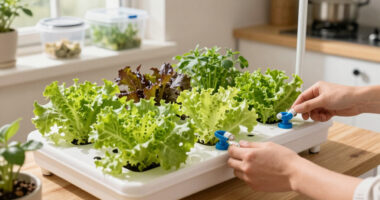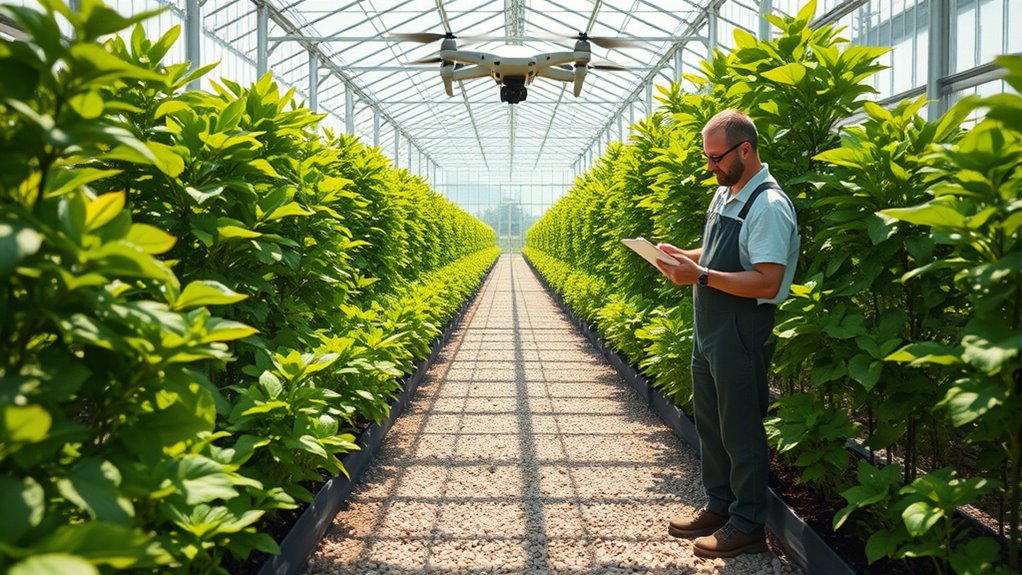

AI in greenhouse management is transforming how growers optimize conditions, improve yields, and streamline operations. The best overall pick, Greenhouse Operation & Management, offers robust automation features suitable for large-scale farms. For those seeking sustainable solutions, The Greenhouse of the Future provides advanced eco-friendly tech. Beginners might prefer Smart Greenhouse for Beginners for its user-friendly setup. The main tradeoffs involve balancing cost against feature depth and ease of use. Continue reading for a detailed breakdown of each option and what makes them stand out.

Get garden gear delivered free — and shop member deals
- Fast, free delivery on millions of items
- Access to Prime Big Deal Days deals on October 6–7
- Prime Video, Amazon Music and more included
Complete the kit


Key Takeaways
- Top-ranked products combine AI-driven climate control with real-time data analytics for precise management.
- Many options differ significantly in ease of use, with some geared toward advanced users and others suited for newcomers.
- Cost varies widely; the most feature-rich systems tend to be the priciest, highlighting a tradeoff between investment and capabilities.
- Sustainability features are increasingly integrated into AI tools, but not all options prioritize eco-friendly operations equally.
- Compatibility and scalability are key: the best systems can grow with your greenhouse or integrate with existing technology.


More Details on Our Top Picks
Greenhouse Operation & Management
This book offers a thorough overview of greenhouse operation principles, making it a solid choice for those new to AI-enhanced management or looking to understand core practices. Unlike specialized technical guides like Greenhouse Technology and Management, it emphasizes practical management strategies over technical details, but it doesn’t include updates on the latest AI tools or automation tech. It’s ideal for beginners or small-scale growers seeking foundational insights. However, its lack of specific product features or recent advancements means it’s less suited for those wanting cutting-edge AI integrations. Provides detailed guidance on greenhouse management; suitable for both beginners and experienced growers. Lacks recent updates on AI tools; no customer reviews available. This book is best for someone needing a broad understanding before diving into sophisticated AI systems.
Specs: No detailed specs provided.Pros:- Provides detailed guidance on greenhouse management
- Suitable for both beginners and experienced growers
- Covers a wide range of management practices
Cons:- Lacks specific product features or recent updates in AI technology
- No customer reviews available
Best for: New growers and hobbyists seeking a solid understanding of greenhouse basics before adopting AI tools.
Not ideal for: Experienced professionals looking for detailed, up-to-date AI automation strategies or technical innovations.
Our verdict“This book is ideal for those new to greenhouse management who want a broad, foundational understanding before implementing AI solutions.”
The Greenhouse of the Future: Smart, Sustainable, and Year-Round Growing Made Simple
This greenhouse design stands out for integrating smart, sustainable features that enable year-round growing, making it a strong choice for environmentally minded growers. Compared with Smart Greenhouse for Beginners, which focuses on DIY setups, this model offers more integrated automation and eco-friendly tech, though it comes with a higher price and less flexibility for customization. It’s perfect for growers aiming for continuous, sustainable production without the hassle of complex technical setups. The limited details on size and capacity mean it might not suit larger operations, and its advanced features could be overkill for casual gardeners. Supports year-round gardening; eco-friendly and easy to operate with smart features. Limited size and capacity details; potentially higher cost due to advanced tech. This option makes the most sense for those committed to sustainable, automated greenhouse systems.
Specs: No specific size; eco-friendly materials; smart control system; automated climate control; energy-efficient design; suitable for small to medium setups.Pros:- Supports year-round growing regardless of season
- Eco-friendly and sustainable design
- Smart automation makes management easier
Cons:- Limited details on size and capacity
- Potentially higher price point
Best for: Eco-conscious growers interested in sustainable, automated, year-round greenhouse systems.
Not ideal for: Budget-conscious hobbyists or those with large-scale commercial needs seeking customizable solutions.
- Size:Limited details
- Materials:Eco-friendly
- Automation:Smart control system
- Climate Control:Automated
- Energy Efficiency:Yes
- Capacity:Small to medium
Our verdict“This greenhouse is best for environmentally driven growers seeking an easy-to-use, automated year-round system with sustainable features.”
Greenhouse Technology and Management
This book provides in-depth insights into modern greenhouse technology and management strategies, making it ideal for those interested in integrating AI and automation at a technical level. Unlike Smart Greenhouse for Beginners, which simplifies automation for novices, this text delves into advanced environmental control systems, sensors, and sustainable practices. It’s perfect for professionals, students, or serious hobbyists looking to deepen their understanding of technology-driven management. However, its technical depth can be overwhelming for casual or beginner growers, and it lacks practical case studies that show real-world application. Comprehensive coverage of greenhouse technology; highly useful for those aiming to implement advanced AI systems. May be too technical for casual readers; lacks detailed case studies. This book suits those with a serious interest in the technical and environmental aspects of AI-driven management.
Specs: No specific technical specs, focuses on strategies and technology concepts.Pros:- Comprehensive coverage of greenhouse technology
- Useful for students and professionals
- Includes practical management strategies
Cons:- Lacks detailed case studies
- Highly technical for casual readers
Best for: Horticulture students, professionals, and tech-savvy growers seeking detailed knowledge of greenhouse automation and management strategies.
Not ideal for: Beginners or hobbyists looking for simple, practical guides to building greenhouses or automation.
Our verdict“This book is best for those wanting a deep understanding of advanced greenhouse technology and management strategies, including AI integration.”
Smart Greenhouse for Beginners: A Practical Guide of Building, Automating, and Growing Efficient Greenhouse Systems
This guide offers a practical, beginner-friendly approach to building and automating greenhouses, making it accessible for newcomers interested in integrating basic AI and automation. Compared with Greenhouse Operation & Management, which covers broad management principles, this book emphasizes hands-on techniques to get started quickly. While it provides a solid foundation for automation, it lacks detailed technical specifications or guidance for large-scale or complex systems. It’s an excellent starting point for hobbyists or small-scale growers eager to implement simple AI-driven features. However, serious growers seeking in-depth technical details or professional-grade systems may find it lacking. Comprehensive guide for beginners; includes automation techniques suitable for small setups. Lacks detailed technical specifications; no details on physical product features. This book is perfect for those new to AI in greenhouse management wanting practical, easy-to-understand guidance.
Specs: No specific specs; focuses on concepts and techniques.Pros:- Comprehensive guide for beginners
- Includes automation techniques
- Focuses on creating efficient systems
Cons:- Lacks detailed technical specifications
- No information on physical product features
Best for: Beginners or hobbyists interested in creating simple, automated greenhouse systems with AI elements.
Not ideal for: Experienced growers or professionals looking for detailed technical or large-scale automation solutions.
Our verdict“This book is best suited for newcomers eager to build and automate small greenhouses with basic AI features.”
Greenhouse Management (Advanced Series in Agricultural Sciences)
This advanced text emphasizes modern practices and innovative strategies for optimizing greenhouse productivity, making it ideal for experienced professionals or graduate students. Compared with Greenhouse Technology and Management, which covers technology broadly, this book focuses on cutting-edge management techniques, including AI applications, environmental controls, and sustainability. Its detailed, technical approach may be overwhelming for beginners and casual growers, lacking practical step-by-step examples. Nonetheless, it’s invaluable for those seeking to implement sophisticated AI-driven management systems in professional or large-scale operations. The absence of practical case studies means it’s less useful for hands-on learners. Comprehensive coverage of advanced management techniques; suitable for those with a technical background. May be too complex for beginners; lacks practical examples. This book is best for professionals aiming to implement the latest AI and management strategies at an advanced level.
Specs: No specific specs, focuses on strategies and innovations.Pros:- Comprehensive coverage of management techniques
- Includes modern practices and innovations
- Suitable for advanced users
Cons:- Lacks detailed practical examples
- May be overly technical for newcomers
Best for: Experienced growers and professionals seeking to master advanced AI-driven greenhouse management techniques.
Not ideal for: Beginners and hobbyists seeking practical, step-by-step guides or simple automation solutions.
Our verdict“This book is tailored for professionals or advanced students aiming to leverage cutting-edge AI and management strategies in greenhouses.”
Greenhouse Operation and Management
This book stands out for its comprehensive coverage of greenhouse operation strategies, making it an excellent resource for those seeking to deepen their understanding of sustainable management. Unlike the more technical Greenhouse Technology and Management, which focuses on equipment and automation, this guide emphasizes best practices and strategic decision-making. Its detailed approach benefits both beginners and seasoned growers, offering actionable insights without requiring prior technical knowledge. However, since it lacks specific product specs or integrated AI tools, it doesn’t support real-time decision-making or automation. The absence of user reviews or ratings also makes assessing its practical impact more challenging. For those who prioritize strategic management over technical details, this book offers valuable guidance—but it’s less suitable for growers looking for hands-on automation or AI-driven solutions.
Pros:- Provides detailed, strategic guidance on greenhouse operation
- Suitable for both beginners and experienced growers
- Covers a wide range of management practices and sustainability strategies
Cons:- Lacks specific product features or technical specifications
- No integration with AI or automation tools
- No user reviews or practical case studies included
Best for: Growers and managers seeking comprehensive strategies and best practices for greenhouse operation, especially those new to or wanting to refine their management skills.
Not ideal for: Tech-savvy growers looking for AI-powered automation tools or real-time management software, since this book offers theoretical guidance rather than practical tools.
- Author:Unknown
- Publication Year:Not specified
- Format:Print / Digital
- Page Count:Exact number not provided
- Coverage Area:Greenhouse operation strategies
- Intended Audience:Beginners to experienced growers
Our verdict“This book makes the most sense for growers wanting a solid foundation in greenhouse management principles without relying on automation or AI features.”

How We Picked
Each product was evaluated based on its AI capabilities, usability, build quality, and integration options. We prioritized tools that demonstrate real-time data processing, automation features, and user-friendly interfaces. Cost was also a factor, with a focus on value for different scales of operation. Our ranking favors systems that balance advanced performance with practical implementation, ensuring they cater to both large commercial growers and smaller setups. We also considered customer feedback and industry reputation to identify reliable, future-proof options.Factors to Consider When Choosing Ai In Greenhouse Management
Choosing the right AI system for greenhouse management depends on several key factors beyond just features. Understanding your specific needs—whether for scale, sustainability, or ease of use—can help narrow your options. A well-chosen system should seamlessly integrate into your existing setup, offer reliable support, and provide room for future expansion. Carefully weighing these factors helps avoid costly mismatches and ensures your investment delivers long-term value.Scale and Capacity
Assess the size of your greenhouse and the complexity of your operations. Larger facilities benefit from more sophisticated AI that can handle multiple zones and complex data streams, while small setups might prioritize simpler, more affordable solutions. Choose a system that scales with your growth to avoid costly replacements later on.
Ease of Use and Support
Intuitive interfaces and comprehensive support are vital, especially if you lack extensive technical expertise. Some systems offer guided setups and user-friendly dashboards, reducing training time. Remember, a steep learning curve can offset the benefits of advanced features if you don’t have dedicated staff or resources to manage it.
Integration and Compatibility
Ensure the AI system can connect with your existing sensors, irrigation, and climate control hardware. Compatibility issues can cause delays and additional costs. Opt for modular systems that can integrate smoothly with future upgrades or additional devices, providing flexibility for evolving needs.
Cost and Return on Investment
High upfront costs can be justified if the system significantly boosts productivity or reduces operational expenses. Conversely, budget options might lack advanced features but still improve basic management. Carefully consider long-term savings versus initial investment, and look for systems that offer clear value propositions.
Sustainability and Eco-Friendliness
If sustainability is a priority, select AI tools that incorporate energy-efficient algorithms, water conservation, and eco-friendly materials. Not all systems emphasize these aspects, so verify their environmental impact and potential for reducing your carbon footprint to align with your farm’s sustainability goals.
Frequently Asked Questions
Will an AI system work with my existing greenhouse equipment?
Most AI systems are designed to integrate with common sensors, climate controls, and irrigation systems, but compatibility varies. Before purchasing, verify whether the AI platform supports your hardware or if additional adapters are needed. Consulting with the provider about your current setup can prevent costly mismatches and ensure smooth operation.
How much training is required to operate an AI in greenhouse management?
The level of training depends on the system’s complexity. User-friendly platforms often feature guided onboarding and simple dashboards, making them manageable for those without technical backgrounds. More advanced systems may require dedicated staff or training sessions, but they typically offer more automation and precise control once mastered.
Can AI systems help reduce energy and resource costs in my greenhouse?
Yes, AI-driven management can optimize environmental conditions, reduce energy consumption, and conserve water by adjusting settings in real time. However, the extent of savings depends on the system’s sophistication and your existing infrastructure. Proper setup and ongoing monitoring are essential to realize these benefits fully.
Are AI systems suitable for small-scale or hobby greenhouses?
While many AI solutions are designed for large operations, some entry-level or simplified systems are suitable for smaller or hobby greenhouses. These models often have lower costs and easier setup processes but may lack advanced automation features. Evaluate your needs carefully to choose a system that offers enough control without unnecessary complexity.
What should I consider if I want my AI system to support sustainable practices?
Look for AI tools that prioritize energy efficiency, water conservation, and eco-friendly materials. Some systems include features like predictive watering and energy use analytics, which help reduce environmental impact. Ensuring your chosen platform aligns with your sustainability goals can maximize both ecological and economic benefits.
Conclusion
For large, commercial growers seeking maximum automation and control, Greenhouse Operation & Management offers a comprehensive solution. Beginners or smaller operations will find Smart Greenhouse for Beginners more accessible and easier to set up. Those prioritizing sustainability should consider options with built-in eco-friendly features, like The Greenhouse of the Future. Budget-conscious buyers can opt for entry-level systems that still provide meaningful benefits without breaking the bank. Ultimately, aligning your choice with your scale, expertise, and goals will lead to the best results in leveraging AI for greenhouse success in 2026.
Halloween Picks
halloween
As an affiliate, we earn on qualifying purchases.