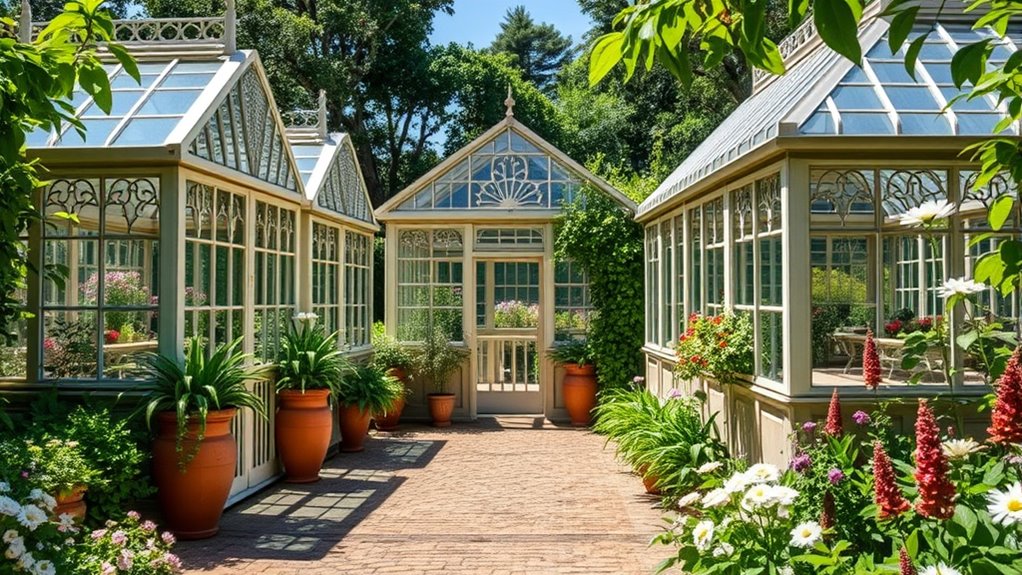

When exploring Georgian greenhouse styles, the focus often falls on the classic symmetry, elegant proportions, and historical authenticity that define this architecture. The best overall pick, Georgian Style and Design for Contemporary Living, offers a perfect blend of historic charm with modern usability. Meanwhile, Georgian House Style Handbook stands out for detailed design insights, and The Georgian House in America and Britain provides a comparative cultural perspective. Buyers face tradeoffs such as balancing historical accuracy with contemporary materials or ease of maintenance. Continue reading for a detailed breakdown of these options to help you choose the right style for your project.

Get garden gear delivered free — and shop member deals
- Fast, free delivery on millions of items
- Access to Prime Big Deal Days deals on October 6–7
- Prime Video, Amazon Music and more included
Complete the kit


Key Takeaways
- The most authentic Georgian greenhouse styles emphasize symmetry and classical proportions, which influence both appearance and spatial flow.
- Modern adaptations often incorporate contemporary materials that improve durability but may slightly compromise historical accuracy.
- Design guides and historical references provide valuable context but vary in technical detail, affecting their utility for builders and enthusiasts.
- Price and complexity differ widely; detailed design books tend to be more expensive but offer richer insights, while simpler guides focus on basics.
- Choosing the right style depends on whether the priority is historical fidelity, ease of construction, or blending with modern landscapes.
| Georgian Style and Design for Contemporary Living |  | Best for Modern Homeowners Seeking Inspiration | Content Focus: Interior design inspiration and modern styling tips | Target Audience: Homeowners, interior enthusiasts | Format: Book | VIEW ON AMAZON | See Our Full Breakdown |
| Georgian House Style Handbook |  | Best for Enthusiasts and Homeowners Deepening Their Knowledge | Content Focus: Historical context and practical design tips | Target Audience: History enthusiasts, restoration homeowners | Format: Book | VIEW ON AMAZON | See Our Full Breakdown |
| The Georgian House in America and Britain |  | Best for Architectural Historians and Cultural Context Seekers | Content Focus: Historical analysis and cultural context | Target Audience: Historians, architecture scholars | Format: Book | VIEW ON AMAZON | See Our Full Breakdown |
| Georgian Architectural Designs and Details: The Classic 1757 Stylebook |  | Best for Architects and Design Historians | Content Focus: Architectural details and design elements | Target Audience: Architects, historians, designers | Format: Book | VIEW ON AMAZON | See Our Full Breakdown |
| Georgian and Regency Conservatories: History, Design and Conservation |  | Best for Preservation Professionals and Conservators | Content Focus: Conservation and historical design of conservatories | Target Audience: Preservationists, architects, conservators | Format: Book | VIEW ON AMAZON | See Our Full Breakdown |
| Classic Georgian Style |  | Best for Aesthetic Appeal and Traditional Elegance | Design Style: Classic Georgian | Material: Not specified | Suitable For: Decorative purposes | VIEW ON AMAZON | See Our Full Breakdown |
| Georgian Gardens (Historic Gardens) |  | Best for Garden and History Enthusiasts | Focus: Historic Georgian Gardens | Illustrations: Yes | Research Depth: Extensive | VIEW ON AMAZON | See Our Full Breakdown |
| Georgian House Style: An Architectural and Interior Design Source Book |  | Best for Design Inspiration and Home Renovation | Content Type: Architectural and Interior Design | Visuals: Extensive | Focus: Design ideas | VIEW ON AMAZON | See Our Full Breakdown |
| Georgian and Regency Houses Explained (England’s Living History) |  | Best for Historical and Architectural Deep Dive | Focus: Historical Architecture | Content: Detailed | Audience: History and architecture enthusiasts | VIEW ON AMAZON | See Our Full Breakdown |
| georgian greenhouse style | Format | Content Focus | Target Audience | Publication Year |
|---|---|---|---|---|
| Georgian Style and Design for | Book | Interior design inspiration and modern styling tips | Homeowners, interior enthusiasts | Not specified |
| Georgian House Style Handbook | Book | Historical context and practical design tips | History enthusiasts, restoration homeowners | Not specified |
| The Georgian House in America | Book | Historical analysis and cultural context | Historians, architecture scholars | Not specified |
| Georgian Architectural Designs | Book | Architectural details and design elements | Architects, historians, designers | Not specified |
| Georgian and Regency Conservat | Book | Conservation and historical design of conservatories | Preservationists, architects, conservators | Not specified |
| Classic Georgian Style | — | — | — | — |
| Georgian Gardens | — | — | — | — |
| Georgian House Style: An Archi | Book | — | — | — |
| Georgian and Regency Houses Ex | Book | — | — | — |
More Details on Our Top Picks
Georgian Style and Design for Contemporary Living
This book stands out for its practical approach to blending Georgian aesthetics with contemporary interiors. Unlike the more detailed historical focus of The Georgian House in America and Britain, this guide offers actionable ideas that help readers incorporate Georgian elements into modern spaces. Its strength lies in bridging historical charm with current design trends, making it ideal for homeowners eager to update their homes without sacrificing classic elegance. However, it lacks specific product features or physical details, which could limit its usefulness for those seeking technical design plans. Compared to other style guides, this one emphasizes inspiration over technical execution, making it perfect for interior enthusiasts rather than professional designers.
Pros:- Provides clear, modern interior design ideas inspired by Georgian style
- Merges historical aesthetics with contemporary living
- Great resource for interior design enthusiasts looking for inspiration
Cons:- Lacks specific product features or technical details
- Does not include pricing or customer ratings
Best for: Homeowners interested in modern adaptations of Georgian style who want practical interior ideas.
Not ideal for: Design professionals seeking detailed architectural specifications or technical construction guidance.
- Content Focus:Interior design inspiration and modern styling tips
- Target Audience:Homeowners, interior enthusiasts
- Format:Book
- Publication Year:Not specified
- Page Count:Not specified
- Price:Not available
Our verdict“This guide is best suited for homeowners wanting a stylish, modern take on Georgian design elements.”
Georgian House Style Handbook
This handbook excels at providing a thorough historical and practical overview of Georgian architecture, making it a valuable resource for those who want a comprehensive understanding. Compared with The Georgian House in America and Britain, this guide offers more detailed design tips alongside rich historical context, appealing to serious enthusiasts. Its downside is that it offers no specific product features or construction details, limiting its use for builders or architects. Instead, it functions best as an educational resource, helping readers appreciate the depth and nuances of Georgian aesthetics—especially for those interested in authentic reproduction or restoration projects.
Pros:- Offers detailed historical insights into Georgian architecture
- Practical tips for recreating authentic Georgian interiors
- Extensive coverage of style and design principles
Cons:- No specific product features or physical details
- Limited guidance on modern adaptations or construction methods
Best for: History buffs and homeowners planning to restore or replicate Georgian interiors or exteriors.
Not ideal for: Casual readers or those seeking quick, visual inspiration without historical context.
- Content Focus:Historical context and practical design tips
- Target Audience:History enthusiasts, restoration homeowners
- Format:Book
- Publication Year:Not specified
- Page Count:Not specified
- Price:Not available
Our verdict“This handbook is ideal for serious enthusiasts and restoration professionals seeking an in-depth understanding of Georgian style.”
The Georgian House in America and Britain
This book provides a deep dive into the historical and cultural significance of Georgian houses, making it a rich resource for those interested in the broader context of Georgian architecture. Compared with Georgian Architectural Designs and Details, its focus is more on historical analysis than detailed design plans, which makes it less suitable for practical renovation but excellent for understanding the cultural importance of these homes. Its detailed architectural descriptions appeal more to historians and architecture buffs than to casual readers or builders. If your goal is to understand the evolution and significance of Georgian homes, this book offers unmatched depth, but it falls short for those seeking technical or design specifics.
Pros:- Rich historical and cultural insights
- Detailed architectural analysis
- Excellent for understanding the significance of Georgian homes
Cons:- Lacks recent updates or practical design guidance
- May be too specialized for casual readers
Best for: Architectural historians and cultural scholars interested in the historical significance of Georgian homes.
Not ideal for: Homeowners or designers looking for practical, modern design ideas or technical details.
- Content Focus:Historical analysis and cultural context
- Target Audience:Historians, architecture scholars
- Format:Book
- Publication Year:Not specified
- Page Count:Not specified
- Price:Not available
Our verdict“This book is best for those seeking a thorough historical and cultural understanding of Georgian architecture rather than practical design advice.”
Georgian Architectural Designs and Details: The Classic 1757 Stylebook
This volume offers a comprehensive collection of Georgian architectural designs from 1757, making it a vital resource for architects, designers, and serious history buffs. Unlike the more narrative-focused Georgian Style and Design for Contemporary Living, this stylebook provides detailed drawings and design elements, ideal for those needing precise references. Its primary limitation is the lack of product descriptions or customer feedback, which makes assessing its practical usability more difficult. This book excels for professionals seeking authentic, period-accurate architectural details but may be too technical for casual readers or those without a specific project in mind.
Pros:- Extensive collection of Georgian architectural details
- Highly useful for period-specific design work
- Valuable resource for professionals and historians
Cons:- No product description or specifications available
- No customer reviews or ratings to gauge usability
Best for: Architects, designers, and historians working on Georgian-style projects or restorations.
Not ideal for: Casual enthusiasts or homeowners without technical design needs, as it requires a background in architecture or detailed design work.
- Content Focus:Architectural details and design elements
- Target Audience:Architects, historians, designers
- Format:Book
- Publication Year:Not specified
- Page Count:Not specified
- Price:Not available
Our verdict“This stylebook is best suited for professionals needing detailed Georgian architectural references for accurate design work.”
Georgian and Regency Conservatories: History, Design and Conservation
This specialized book offers detailed insights into the design, history, and conservation of Georgian and Regency conservatories, making it invaluable for professionals involved in preservation. Compared with more general interior or architectural guides, this title zooms in on a specific element—conservatories—and provides technical details for restoration and conservation work. Its limited scope means it’s less useful for those seeking broad design inspiration or modern adaptations. For conservators or architects working on historic preservation, this book provides depth and technical guidance, but casual readers or homeowners will find it too niche.
Pros:- In-depth analysis of Georgian and Regency conservatories
- Detailed insights into historical design and conservation techniques
- Excellent resource for preservation professionals
Cons:- Lacks practical construction guidance for new builds
- Too specialized for casual or general design use
Best for: Conservation specialists, architects, and professionals involved in historic preservation projects.
Not ideal for: General homeowners or interior designers looking for broad Georgian design ideas or contemporary styles.
- Content Focus:Conservation and historical design of conservatories
- Target Audience:Preservationists, architects, conservators
- Format:Book
- Publication Year:Not specified
- Page Count:Not specified
- Price:Not available
Our verdict“This book is tailored for professionals focused on conserving and restoring historic conservatories, not for casual or general design purposes.”
Classic Georgian Style
This product stands out for its timeless Georgian design, making it ideal for those seeking to add a refined, historical touch to their space. Compared with more specialized books like Georgian House Style: An Architectural and Interior Design Source Book, it offers a broader, more decorative appeal rather than detailed architectural insights. The elegance and versatility of this style suit a variety of settings, from historic homes to modern interiors aiming for classic charm. However, its lack of specific details about materials and dimensions means it’s less useful for practical renovation or precise planning. This pick makes the most sense for homeowners or decorators prioritizing aesthetic authenticity over technical specifications.
Pros:- Timeless Georgian design enhances classic appeal
- Elegant aesthetic suitable for various settings
- Versatile for both interior and exterior use
Cons:- Limited information on materials and size
- Lacks detailed specifications for practical use
Best for: Homeowners and interior designers looking to evoke Georgian elegance in their spaces.
Not ideal for: Professionals needing detailed construction or renovation specifications, as the product lacks technical depth.
- Design Style:Classic Georgian
- Material:Not specified
- Suitable For:Decorative purposes
- Dimensions:Not provided
Our verdict“Ideal for those prioritizing style and elegance over technical details, this product elevates any space with classic Georgian charm.”
Georgian Gardens (Historic Gardens)
This book excels at providing a detailed exploration of Georgia’s historic gardens, making it perfect for enthusiasts interested in landscape architecture and regional history. Unlike the architectural focus of Georgian House Style: An Architectural and Interior Design Source Book, this volume offers rich historical context and beautifully illustrated examples that deepen appreciation for Georgian garden design. Its thorough research and visual appeal make it ideal for garden lovers and history buffs, though it’s less relevant for those seeking practical gardening advice or modern landscape solutions. Limited to readers with an interest in history and landscape architecture, it doesn’t serve as a general gardening guide.
Pros:- Provides in-depth insights into Georgian garden design
- Beautifully illustrated and well-researched
- Enhances understanding of regional history and landscape architecture
Cons:- Limited appeal outside history and garden circles
- No practical gardening advice or modern landscape guidance
Best for: Garden historians, landscape architects, and history enthusiasts interested in Georgian-era gardens.
Not ideal for: Casual gardeners or those seeking practical, hands-on gardening tips, as the focus is historical and descriptive rather than instructional.
- Focus:Historic Georgian Gardens
- Illustrations:Yes
- Research Depth:Extensive
- Suitable For:History and garden enthusiasts
Our verdict“Best for those passionate about historical landscapes and Georgian garden design, offering rich insights into the past.”
Georgian House Style: An Architectural and Interior Design Source Book
This book provides comprehensive ideas for Georgian style architecture and interior design, making it a valuable resource for homeowners and interior designers. Unlike the more aesthetic-focused Classic Georgian Style, it offers detailed insights into architectural elements, interior layouts, and design principles, helping users plan or renovate with authenticity. Its strength lies in inspiring practical application rather than serving as a decorative overview, but it’s limited by the absence of specific product features or dimensions, focusing solely on ideas and concepts. This makes it ideal for those seeking to implement Georgian style in a hands-on way.
Pros:- In-depth coverage of Georgian architectural and interior details
- Inspiring for renovation projects
- Rich visual content to guide design decisions
Cons:- No specific product features or specifications
- Limited to conceptual and design ideas, not physical products
Best for: Homeowners planning a Georgian-style renovation and interior designers seeking detailed inspiration.
Not ideal for: Readers looking for a general overview or decorative ideas without an emphasis on architectural details, as it’s more technical.
- Content Type:Architectural and Interior Design
- Visuals:Extensive
- Focus:Design ideas
- Format:Book
Our verdict“Perfect for homeowners and designers eager to incorporate authentic Georgian details into their projects through detailed inspiration.”
Georgian and Regency Houses Explained (England’s Living History)
This book offers a detailed historical account of Georgian and Regency houses in England, making it ideal for history enthusiasts and architecture students. Compared with Georgian House Style: An Architectural and Interior Design Source Book, which emphasizes design and inspiration, this volume emphasizes the historical context and architectural evolution, providing a richer understanding of the period’s buildings. It’s less suited for practical renovation or design implementation but excels at offering in-depth insights into the significance and construction of these historic homes. It’s best for readers seeking a thorough historical perspective rather than visual or technical specifications.
Pros:- Detailed historical and architectural insights
- Provides context for Georgian and Regency buildings
- Ideal for academic or enthusiast understanding of the period
Cons:- No practical design or product features included
- Limited appeal for those seeking renovation or decor ideas
Best for: History buffs, architecture students, and enthusiasts interested in the origins and history of Georgian and Regency homes.
Not ideal for: Homeowners or interior decorators looking for practical design guidance, as the focus is historical and scholarly rather than visual or technical.
- Focus:Historical Architecture
- Content:Detailed
- Audience:History and architecture enthusiasts
- Format:Book
Our verdict“Best suited for history and architecture enthusiasts wanting an in-depth understanding of Georgian and Regency houses’ past and significance.”

How We Picked
These products were evaluated based on their depth of historical and architectural detail, clarity of design principles, and usability for different audiences. We prioritized resources that balance aesthetic inspiration with practical guidance, ensuring they are accessible to both enthusiasts and professionals. The ranking reflects a combination of comprehensiveness, accuracy, and relevance to Georgian greenhouse styles, with a preference for sources that incorporate both historical context and contemporary adaptation. Each item was assessed for its clarity, visual aids, and applicability to real-world projects, helping buyers find tailored advice for their specific needs.| georgian greenhouse style | Content Focus | Target Audience |
|---|---|---|
| Georgian Style and Design for | Interior design inspiration and modern styling tips | Homeowners, interior enthusiasts |
| Georgian House Style Handbook | Historical context and practical design tips | History enthusiasts, restoration homeowners |
| The Georgian House in America | Historical analysis and cultural context | Historians, architecture scholars |
| Georgian Architectural Designs | Architectural details and design elements | Architects, historians, designers |
| Georgian and Regency Conservat | Conservation and historical design of conservatories | Preservationists, architects, conservators |
| Classic Georgian Style | — | — |
| Georgian Gardens | — | — |
| Georgian House Style: An Archi | — | — |
| Georgian and Regency Houses Ex | — | — |
Factors to Consider When Choosing Georgian Greenhouse Styles
Choosing the right Georgian greenhouse style involves understanding several key factors beyond just appearance. It’s important to consider your project’s scale, your desired level of historical accuracy, and the materials you prefer. This guide highlights critical considerations to help you make an informed decision, avoiding common pitfalls such as mismatched styles or unsuitable construction methods.Historical Authenticity vs. Modern Practicality
Deciding whether to prioritize strict historical accuracy or modern functionality impacts your material choices and design details. Authentic Georgian styles often use traditional materials like brick and sash windows, but these can be costly and require specialized maintenance. Conversely, modern adaptations might utilize composite materials that mimic historical looks while offering better durability and lower upkeep. Understanding your project’s priorities helps in selecting a style that balances aesthetics with practicality.
Materials and Construction Techniques
The choice of materials affects both appearance and longevity. Traditional Georgian structures rely on brick, stone, and wood, which lend authenticity but may increase costs. Modern builds often incorporate aluminum or PVC for framing, which reduces weight and maintenance. When selecting materials, consider climate, budget, and whether you prefer a true-to-period construction or a contemporary reinterpretation. Avoid common mistakes like mixing incompatible materials that can lead to deterioration over time.
Size and Scale
Determine your intended use—whether for ornamental gardens, functional greenhouses, or living spaces. Larger structures require stronger foundations and more detailed planning, while smaller designs might be easier to install but less impactful visually. Matching the scale to your landscape and intended function ensures harmony and usability. Oversized or undersized structures can disrupt your garden’s balance or limit your functionality.
Style Consistency and Architectural Details
Pay attention to the details that define Georgian architecture—symmetry, sash windows, decorative moldings, and proportionate facades. Inconsistent details can detract from authenticity, especially if you aim for a historic look. However, integrating modern amenities may require compromises that slightly alter traditional features. Prioritize clear design guidelines to maintain visual coherence, and be cautious of over-customizing which can dilute stylistic integrity.
Budget and Long-Term Maintenance
Initial costs vary significantly based on materials, size, and craftsmanship. While higher budgets often yield more authentic and durable structures, they can be prohibitive for some. Consider ongoing maintenance needs—traditional materials may require periodic repairs, whereas modern materials might lower long-term costs. Planning for both upfront investment and future upkeep ensures your greenhouse remains beautiful and functional for years to come.
Frequently Asked Questions
How do I choose between a traditional and a modern Georgian style?
Deciding between traditional and modern Georgian styles depends on your priorities. If authenticity and historical accuracy are paramount, traditional materials and design details will serve best, though they may require higher maintenance. For easier upkeep and contemporary usability, modern reinterpretations using synthetic materials and simplified forms can be more practical. Consider your landscape, budget, and how much historical fidelity aligns with your overall property style before making a choice.
What materials are best for maintaining Georgian greenhouse aesthetics?
Traditional materials like brick, stone, and timber are ideal for preserving authentic Georgian looks, but they demand careful upkeep. Modern options such as aluminum, uPVC, or composite materials can mimic these appearances while offering superior weather resistance and reduced maintenance. The best choice depends on your climate, budget, and desired longevity—each has tradeoffs between appearance and durability.
Can I adapt Georgian style greenhouses to suit small gardens?
Yes, Georgian styles can be scaled down to fit smaller spaces, especially through compact design options that maintain symmetry and proportion. Smaller structures can still feature classic sash windows and decorative details, creating a charming focal point without overwhelming your landscape. Just ensure that the scale remains harmonious and that the design details are proportionate to avoid a cramped or awkward appearance.
Are modern materials suitable for a historical Georgian greenhouse project?
Modern materials like aluminum or PVC can be suitable if your goal is to reduce costs and maintenance while maintaining a Georgian aesthetic. Many manufacturers produce materials that closely resemble traditional finishes, making it easier to achieve a convincing look. However, if complete historical accuracy is essential, using traditional materials remains the preferred choice, even if it involves more effort and expense.
What are common mistakes to avoid when designing a Georgian greenhouse?
One of the most common mistakes is neglecting symmetry and proportion, which are fundamental to Georgian architecture. Another is mixing incompatible materials that can compromise both appearance and durability. Over-customization can also detract from authenticity, so sticking to key stylistic elements is advisable. Lastly, underestimating the importance of proper foundations and structural support can lead to long-term issues, so careful planning and expert consultation are recommended.
Conclusion
For those seeking the broadest appeal and balanced authenticity, Georgian Style and Design for Contemporary Living offers a compelling choice, blending classic aesthetics with modern convenience. Budget-conscious buyers will appreciate the practical insights from Georgian House Style Handbook and similar guides, which provide detailed yet accessible advice. For dedicated restorers or historical purists, investing in high-quality traditional materials and detailed design resources pays off in long-term value. Beginners should focus on simplified, scaled-down options that preserve key Georgian features, while experienced architects may prefer comprehensive reference books for intricate detailing. Ultimately, your choice hinges on your project scope, budget, and desired level of historical fidelity.”
Fall yard work Picks
leaf blowers
As an affiliate, we earn on qualifying purchases.