Designing an industrial greenhouse involves balancing cost, durability, energy efficiency, and scalability. The Chinese Greenhouse stands out for its affordability and passive solar design, making it ideal for budget-conscious growers. The Year-Round Solar Greenhouse excels in energy efficiency, perfect for those aiming for net-zero operations. Readers often struggle with choosing between DIY flexibility and professional-grade durability, along with evaluating long-term energy costs. Keep reading for a detailed look at these options and more, to help you find the best fit for your greenhouse project.

Get garden gear delivered free with Prime
- Fast, free delivery on millions of items
- Prime Video, Amazon Music and more included
- Member-only deals all year
Complete the kit


Key Takeaways
- Top picks differentiate based on energy efficiency, cost-effectiveness, and ease of DIY construction.
- Passive solar design features are key for reducing operational costs in industrial setups.
- Tradeoffs often involve balancing upfront investment against long-term savings and maintenance.
- Higher-end designs tend to emphasize durability and technological integration, suitable for commercial scale.
- DIY-focused options offer affordability but often require more technical skill and ongoing maintenance.
| The Chinese Greenhouse: Design and Build a Low-Cost, Passive Solar Greenhouse |  | Best for DIY Enthusiasts Seeking Cost-Effective, Passive Solar Solutions | Focus: Passive solar, low-cost, sustainable | Intended Audience: DIY enthusiasts, budget-conscious gardeners | Construction Method: Traditional, passive solar techniques | VIEW ON AMAZON | See Our Full Breakdown |
| The Year-Round Solar Greenhouse: How to Design and Build a Net-Zero Energy Greenhouse |  | Best for Energy-Efficient, Net-Zero Greenhouse Builders | Focus: Net-zero energy, sustainable design | Intended Audience: Advanced DIYers, green building professionals | Design Approach: Energy efficiency, renewable systems | VIEW ON AMAZON | See Our Full Breakdown |
| Black & Decker The Complete Guide to DIY Greenhouses, 3rd Edition |  | Best for Beginners and Hobbyists Wanting Practical Construction Guidance | Coverage: Multiple greenhouse types, DIY instructions | Skill Level: Beginner to advanced | Design Focus: Practical, customizable projects | VIEW ON AMAZON | See Our Full Breakdown |
| The Forest Garden Greenhouse: How to Design and Manage an Indoor Permaculture Oasis |  | Best for Indoor Permaculture and Sustainable Ecosystem Design | Focus: Indoor permaculture, ecological design | Intended Audience: Permaculture enthusiasts, sustainable gardeners | Design Approach: Ecosystem management, plant diversity | VIEW ON AMAZON | See Our Full Breakdown |
| How to Build Your Own Greenhouse: Designs and Plans to Meet Your Growing Needs |  | Best for Practical, Customizable Greenhouse Building Plans | Design Flexibility: Customizable, adaptable plans | Skill Level: Beginner to experienced | Focus: Practical construction, personalized design | VIEW ON AMAZON | See Our Full Breakdown |
| Ball RedBook: Greenhouse Structures, Equipment, and Technology | 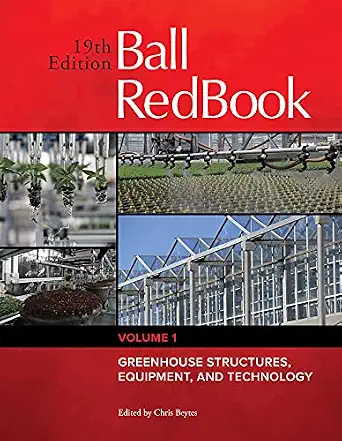 | Best Resource for Professional-Grade Greenhouse Planning | Coverage: Greenhouse structures, equipment, technology | Intended Audience: Growers, horticultural professionals | Format: Resource guide | VIEW ON AMAZON | See Our Full Breakdown |
| Building Your Own Greenhouse (Greenhouse Basics) |  | Best for DIY Gardeners and Hobbyists | Content Focus: Construction instructions and materials | Skill Level: Beginner to intermediate | Scope: Small to medium DIY greenhouses | VIEW ON AMAZON | See Our Full Breakdown |
| industrial greenhouse design | Focus | Intended Audience |
|---|---|---|
| The Chinese Greenhouse: Design | Passive solar, low-cost, sustainable | DIY enthusiasts, budget-conscious gardeners |
| The Year-Round Solar Greenhous | Net-zero energy, sustainable design | Advanced DIYers, green building professionals |
| Black & Decker The Complete Gu | — | — |
| The Forest Garden Greenhouse: | Indoor permaculture, ecological design | Permaculture enthusiasts, sustainable gardeners |
| How to Build Your Own Greenhou | Practical construction, personalized design | — |
| Ball RedBook: Greenhouse Struc | — | Growers, horticultural professionals |
| Building Your Own Greenhouse | — | — |
More Details on Our Top Picks
The Chinese Greenhouse: Design and Build a Low-Cost, Passive Solar Greenhouse
This book stands out for its focus on affordable, passive solar greenhouse design inspired by Chinese techniques, making it an excellent resource for those wanting to build a low-cost greenhouse without complex technology. Unlike The Year-Round Solar Greenhouse, which emphasizes net-zero energy systems, this guide prioritizes simplicity and sustainability, though it offers fewer detailed construction steps. It’s ideal for DIYers comfortable with some experimentation but may challenge beginners who lack prior building experience. Its emphasis on passive solar principles means fewer ongoing energy costs, but the lack of step-by-step instructions could lead to trial-and-error during construction. This book makes the most sense for budget-conscious gardeners eager to incorporate traditional passive solar methods.
Pros:- Provides cost-effective greenhouse design ideas
- Focuses on passive solar techniques that reduce energy costs
- Suitable for DIY enthusiasts with some building experience
Cons:- Lacks detailed, step-by-step construction instructions
- May require prior building knowledge and trial-and-error
Best for: DIY gardeners interested in low-cost, sustainable greenhouse designs using passive solar techniques
Not ideal for: Beginners or those seeking detailed, step-by-step construction guides with clear instructions
- Focus:Passive solar, low-cost, sustainable
- Intended Audience:DIY enthusiasts, budget-conscious gardeners
- Construction Method:Traditional, passive solar techniques
Our verdict“This book is ideal for resourceful DIYers seeking affordable, passive solar greenhouse solutions rooted in traditional techniques.”
The Year-Round Solar Greenhouse: How to Design and Build a Net-Zero Energy Greenhouse
This book makes the most sense for those aiming to create a highly sustainable, net-zero greenhouse capable of year-round operation, with a strong emphasis on energy efficiency and modern design. Compared with The Chinese Greenhouse, which emphasizes passive techniques, this guide dives into integrating renewable energy systems and advanced insulation, though it lacks specific product specifications or detailed technical data. It appeals to both DIYers and professionals willing to invest in sophisticated sustainable features, but the absence of concrete product recommendations or cost estimates might limit practical application. For builders prioritizing environmental performance over initial simplicity, this book provides invaluable insights, although it presumes a certain level of technical familiarity. This pick is best for environmentally conscious growers committed to energy independence.
Pros:- Offers comprehensive guidance on solar greenhouse design
- Emphasizes energy efficiency and sustainability
- Suitable for advanced DIYers and professionals
Cons:- Lacks specific product features or technical details
- No pricing information or user reviews available
Best for: Experienced DIYers and professionals designing energy-efficient, net-zero greenhouses
Not ideal for: Beginners or those seeking straightforward, low-tech greenhouse plans
- Focus:Net-zero energy, sustainable design
- Intended Audience:Advanced DIYers, green building professionals
- Design Approach:Energy efficiency, renewable systems
Our verdict“This book is best suited for sustainability-focused builders aiming for high-performance, energy-neutral greenhouses.”
Black & Decker The Complete Guide to DIY Greenhouses, 3rd Edition
This comprehensive manual offers detailed instructions for building a variety of greenhouse types, including hoophouses and cold frames, making it a strong choice for DIYers of all skill levels. Compared with The Chinese Greenhouse, which emphasizes passive solar principles, this guide covers a broader range of construction techniques and accessories, but its technical depth can be overwhelming for casual gardeners. It’s ideal for hobbyists seeking flexibility and detailed plans, yet the lack of specific product specifications or pricing details might make budgeting challenging. Its versatility in covering different greenhouse styles makes it a practical resource, although novices should be prepared for technical terminology and detailed plans. This book is perfect for hobbyists who want a versatile, step-by-step guide to greenhouse construction.
Pros:- Provides detailed DIY instructions for various greenhouse types
- Includes plans for hoophouses, cold frames, and accessories
- Suitable for both beginners and experienced hobbyists
Cons:- No specific pricing or product details included
- Content may be too technical for casual gardeners
Best for: Beginners and hobbyist gardeners seeking detailed DIY construction plans
Not ideal for: Gardeners looking for simplified, quick-start guides or detailed technical specs
- Coverage:Multiple greenhouse types, DIY instructions
- Skill Level:Beginner to advanced
- Design Focus:Practical, customizable projects
Our verdict“This guide is best for DIY enthusiasts wanting comprehensive, detailed plans for a variety of greenhouse styles.”
The Forest Garden Greenhouse: How to Design and Manage an Indoor Permaculture Oasis
This book excels at guiding readers through the creation of sustainable indoor ecosystems, focusing on permaculture principles applied within a greenhouse setting. Unlike the other books, which mainly address traditional or energy-focused designs, this one emphasizes ecological balance, plant diversity, and management strategies for a thriving indoor environment. While it offers practical design tips, it doesn’t provide specific technical details or product specs, making it less suitable for builders seeking construction plans. It’s better suited for those interested in designing permaculture systems that integrate plants, animals, and sustainable practices into indoor spaces. If your goal is a self-sufficient, ecosystem-oriented greenhouse rather than a conventional structure, this resource offers valuable insights. This makes the most sense for environmentally conscious growers aiming to cultivate a permaculture oasis indoors.
Pros:- Provides comprehensive permaculture design principles
- Focuses on sustainability and ecosystem management
- Suitable for both beginners and experienced permaculture practitioners
Cons:- Lacks specific product features or technical construction details
- No pricing or user reviews available
Best for: Indoor permaculture enthusiasts looking to design sustainable, self-managed ecosystems
Not ideal for: Builders seeking technical construction plans or traditional greenhouse designs
- Focus:Indoor permaculture, ecological design
- Intended Audience:Permaculture enthusiasts, sustainable gardeners
- Design Approach:Ecosystem management, plant diversity
Our verdict“This book is ideal for permaculture-minded growers wanting to develop sustainable indoor ecosystems rather than conventional greenhouses.”
How to Build Your Own Greenhouse: Designs and Plans to Meet Your Growing Needs
This book offers detailed designs and plans that cater to various growing needs, making it suitable for both beginners and experienced gardeners looking to customize their greenhouse. Compared with The Chinese Greenhouse, which emphasizes passive solar techniques, this guide provides broader options for different styles and layouts, though it doesn’t specify particular materials or technical features. Its strength lies in practical, adaptable plans, but the lack of specific product details or pricing may require additional research to estimate costs. The focus on customization makes it a flexible resource, although readers should be prepared for a variety of technical instructions. If you want a solid foundation for building a tailored greenhouse, this book offers worthwhile plans. This makes the most sense for gardeners seeking adaptable, detailed construction guidance for personalized greenhouses.
Pros:- Provides comprehensive, adaptable greenhouse designs
- Suitable for all skill levels with clear plans
- Emphasizes practical, user-focused design ideas
Cons:- No specific product features or materials listed
- Limited details on pricing or detailed technical specs
Best for: Gardeners wanting customizable, detailed greenhouse plans for various growing needs
Not ideal for: Those seeking quick, ready-made solutions or detailed material specifications
- Design Flexibility:Customizable, adaptable plans
- Skill Level:Beginner to experienced
- Focus:Practical construction, personalized design
Our verdict“This book is best for gardeners aiming to build a personalized greenhouse with detailed, flexible plans.”
Ball RedBook: Greenhouse Structures, Equipment, and Technology
This comprehensive guide stands out for its extensive coverage of greenhouse structures, equipment, and technology, making it a must-have for serious growers and horticultural professionals. Unlike the DIY-focused Building Your Own Greenhouse, the RedBook offers in-depth insights into optimizing large-scale operations, though it lacks specific technical specifications or user reviews that could help in detailed technical decisions. It functions as a technical reference rather than a hands-on manual, which may be a drawback for those seeking step-by-step construction guidance. The value here lies in its breadth of information, supporting informed decisions on infrastructure and technology investments.
Pros:- Extensive coverage of greenhouse technology and equipment
- Serves as a detailed reference for optimizing operations
- Useful for professionals planning large-scale projects
Cons:- Lacks detailed technical specifications for specific products
- No customer reviews or practical examples included
- Primarily a resource guide, not a step-by-step manual
Best for: Horticultural professionals and commercial growers aiming to design or upgrade advanced greenhouse systems
Not ideal for: Hobbyists or DIY enthusiasts seeking practical construction instructions, as it focuses more on concepts than building steps
- Coverage:Greenhouse structures, equipment, technology
- Intended Audience:Growers, horticultural professionals
- Format:Resource guide
- Depth:High-level overview, no technical specs
- Reviews:No customer reviews
- Use Case:Design and operational planning
Our verdict“This guide is ideal for experienced growers and designers looking for a comprehensive overview of greenhouse systems rather than DIY construction details.”
Building Your Own Greenhouse (Greenhouse Basics)
This book makes the most sense for hobbyists interested in constructing their own greenhouse from scratch, providing clear, step-by-step instructions that demystify the building process. Compared with the Ball RedBook, which is more suited to professionals, this guide offers practical guidance for DIYers wanting to create a custom greenhouse environment without needing specialized technical knowledge. Its detailed instructions help ensure successful construction, but it doesn’t cover advanced technological integrations or large-scale designs, which could be a limitation for more ambitious projects. Overall, it’s a practical starting point for those new to greenhouse building.
Pros:- Clear, step-by-step building instructions
- Suitable for beginners with limited experience
- Includes guidance on materials and tools needed
- Encourages hands-on learning and customization
Cons:- Lacks detailed technical specifications for advanced systems
- No technical or design flexibility for large-scale projects
- No customer reviews or real-world testing included
Best for: Home gardeners and DIY enthusiasts eager to build a greenhouse with their own hands
Not ideal for: Commercial growers or those seeking detailed technical or professional-grade designs, as it focuses on small-scale construction
- Content Focus:Construction instructions and materials
- Skill Level:Beginner to intermediate
- Scope:Small to medium DIY greenhouses
- Tools Included:Guidance on necessary tools
- Design Flexibility:Limited to basic structures
- Customer Feedback:None available
Our verdict“This book is best suited for DIY gardeners and hobbyists wanting an accessible, practical guide to building a basic greenhouse.”

How We Picked
I evaluated these greenhouse designs based on their structural innovation, energy performance, ease of construction, and scalability. Cost was a major factor, but I also prioritized designs that balance upfront expenditure with long-term operational savings. Durability and suitability for industrial use were essential, along with how well each design supports sustainable practices like passive solar or net-zero energy. The rankings reflect a combination of versatility, user-friendliness, and overall value for different types of growers, from hobbyists to commercial operators.| industrial greenhouse design | Focus | Intended Audience |
|---|---|---|
| The Chinese Greenhouse: Design | Passive solar, low-cost, sustainable | DIY enthusiasts, budget-conscious gardeners |
| The Year-Round Solar Greenhous | Net-zero energy, sustainable design | Advanced DIYers, green building professionals |
| Black & Decker The Complete Gu | — | — |
| The Forest Garden Greenhouse: | Indoor permaculture, ecological design | Permaculture enthusiasts, sustainable gardeners |
| How to Build Your Own Greenhou | Practical construction, personalized design | — |
| Ball RedBook: Greenhouse Struc | — | Growers, horticultural professionals |
| Building Your Own Greenhouse | — | — |
Factors to Consider When Choosing Industrial Greenhouse Designs
Choosing the right industrial greenhouse design requires considering multiple factors that influence both initial setup and ongoing operation. The ideal design depends on your budget, climate, and intended scale. Understanding these key considerations can help you avoid common pitfalls and select a setup that aligns with your goals and resources.Energy Efficiency and Sustainability
In industrial greenhouses, energy consumption can significantly impact operating costs. Designs that incorporate passive solar heating, insulation, and renewable energy sources often provide the best returns over time. However, these features may require higher initial investments. Balancing upfront costs with long-term savings is essential, especially if sustainability is a core goal for your operation.
Material Durability and Maintenance
Industrial greenhouses face constant exposure to weather and environmental stressors. Choosing durable materials like reinforced steel, high-grade glazing, or polycarbonate panels can extend lifespan and reduce maintenance needs. Cheaper materials might save money initially but could lead to higher repair costs and downtime, impacting productivity and profitability.
Scalability and Flexibility
Consider how your greenhouse design can adapt to future growth or changing needs. Modular systems or designs that allow easy expansion can save money and effort later. However, overly flexible or complex setups may increase initial complexity and cost, so align your choice with your long-term plans and technical capacity.
Cost and Budget Constraints
Balancing cost with features is a common challenge. DIY options or simplified designs lower upfront expenses but might sacrifice energy efficiency or durability. Conversely, investing in premium materials and advanced technology can boost performance but may limit accessibility for smaller-scale growers. Clarify what features are essential versus optional, based on your budget.
Climate Compatibility
Climate plays a key role in greenhouse design. Structures in colder regions benefit from enhanced insulation and passive solar features, while those in milder climates might prioritize ventilation and natural light. Tailoring your design to local weather patterns can improve crop yields and reduce energy costs, making climate-specific considerations fundamental to your decision.
Frequently Asked Questions
How do I determine whether passive solar design will be sufficient for my greenhouse?
Passive solar design effectiveness depends on your local climate, sunlight availability, and the thermal mass of your greenhouse. If you live in a region with cold winters, incorporating features like south-facing glazing and thermal mass can reduce heating costs significantly. For milder climates, passive solar may suffice year-round, but in colder areas, supplemental heating might still be necessary. Carefully evaluating your environmental conditions and crop needs will help determine if passive solar is enough.
What are the main tradeoffs between DIY and professional-grade greenhouse designs?
DIY designs typically offer lower initial costs and greater customization, appealing to those with technical skills or tight budgets. However, they often require more time, effort, and ongoing maintenance, and may lack the durability of professionally built structures. Professional designs tend to be more robust, with integrated systems and warranties, but come with higher upfront costs. Your decision should weigh your technical ability, budget, and the importance of long-term durability.
How important is material choice in an industrial greenhouse?
Material selection directly impacts the greenhouse’s lifespan, energy efficiency, and maintenance needs. High-durability materials like reinforced steel and high-quality glazing can withstand harsh weather and reduce repair costs. Cheaper materials may save money initially but often degrade faster, leading to higher long-term expenses. For industrial applications, investing in quality materials usually pays off through increased reliability and lower total cost of ownership.
Can I upgrade my greenhouse design later if I start with a basic setup?
Many greenhouse designs allow for modular expansion or upgrades, especially those built with flexibility in mind. Adding insulation, solar panels, or additional bays can often be integrated later, but it’s important to consider the initial design’s capacity and structural limitations. Planning with future upgrades in mind can save money and effort, but some major modifications might require significant reconstruction or investment.
What should I prioritize if I want a greenhouse for commercial vegetable production?
For commercial vegetable growing, durability, energy efficiency, and scalability are key. A robust structure with climate control features can ensure consistent crop yields, while energy-efficient systems reduce operational costs. Investing in automation and advanced ventilation can also improve productivity. Balancing these features with your budget will help you establish a reliable, profitable operation over the long term.
Conclusion
Choosing the right industrial greenhouse design depends heavily on your specific needs and resources. For overall value and a solid balance of features, the Chinese Greenhouse offers affordability with passive solar benefits. Those seeking high energy efficiency and long-term savings should consider the Year-Round Solar Greenhouse, especially if sustainability is a priority. Beginners or DIY enthusiasts might find the building plans and guides ideal, while commercial growers should look toward durable, scalable structures like those detailed in the Greenhouse Structures and Technology guide. Ultimately, matching your goals with the right design will ensure a productive, cost-effective setup for years to come.
Halloween Picks
halloween
As an affiliate, we earn on qualifying purchases.