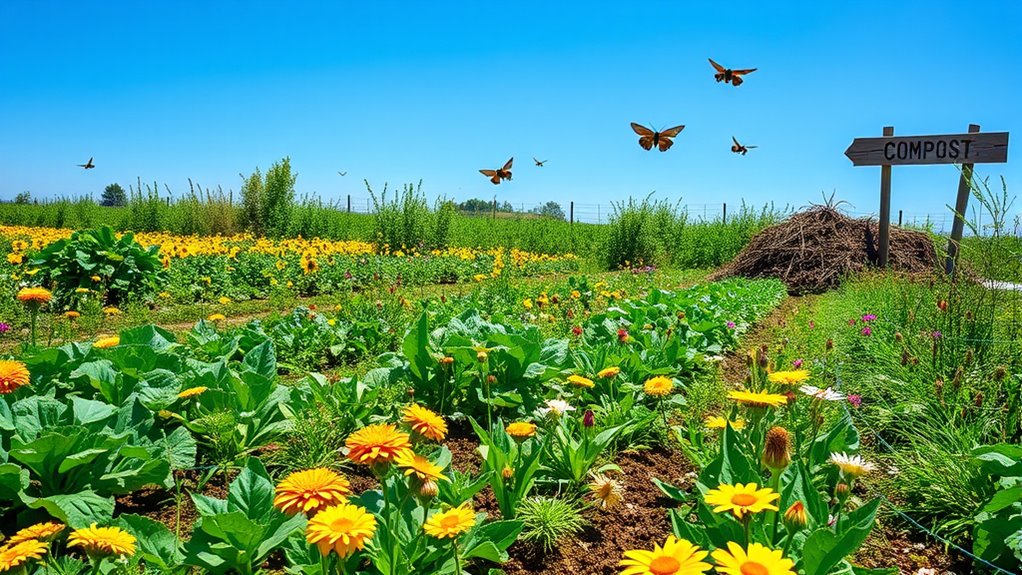

Organic farming is a vital approach for those seeking sustainable, chemical-free food production. The best resources blend practical tips with ecological principles, but they vary in depth, affordability, and scope. “Organic Farming: A Complete Guide for Beginners” stands out for newcomers due to its straightforward advice, while “The Low-Cost JADAM Revolution” offers an affordable entry point for budget-conscious growers. The main challenge lies in balancing comprehensive knowledge with manageable costs, especially for small-scale or home farmers. Continue reading for a detailed comparison of these top picks, their strengths, and tradeoffs that can help shape your decision.

Get garden gear delivered free — and shop member deals
- Fast, free delivery on millions of items
- Access to Prime Big Deal Days deals on October 6–7
- Prime Video, Amazon Music and more included
Complete the kit


Key Takeaways
- The top picks differentiate primarily on depth of content, affordability, and suitability for different experience levels.
- Beginner-friendly guides tend to be more accessible but may lack advanced techniques for large-scale operations.
- Cost-effective options like the JADAM Revolution prioritize simplicity and affordability over extensive technical detail.
- More comprehensive manuals, such as ‘The New Organic Grower,’ are better suited for serious hobbyists or market farmers willing to invest time.
- Tradeoffs often involve balancing practical usability against the breadth of information and technical complexity.
| Organic Farming: A Complete Guide for Beginners with Tips and Tricks |  | Best Overall for Beginners Seeking Clear Guidance | Content Focus: Beginners’ tips and strategies | Language: Simple and accessible | Coverage: Basic organic farming techniques | VIEW ON AMAZON | See Our Full Breakdown |
| The Low-Cost JADAM Revolution: Organic Farming for Everyone |  | Best Value for Cost-Effective Organic Practices | Cost Focus: Affordable, low-cost techniques | Target Audience: Resource-limited farmers and hobbyists | Content Depth: Basic, practical methods | VIEW ON AMAZON | See Our Full Breakdown |
| Dirt to Soil: One Family’s Journey into Regenerative Agriculture |  | Best for Inspirational and Educational Insights into Regenerative Farming | Content Focus: Regenerative agriculture journey | Approach: Storytelling and environmental insights | Technical Detail: Limited | VIEW ON AMAZON | See Our Full Breakdown |
| The Ultimate Guide to Regenerative Farming for Beginners: Simple and Effective Indigenous Techniques to Design Sustainable Food Gardens, Save & Improve Soil, and Grow Organic Food Indoors & Outdoors |  | Best for Beginners Focused on Indigenous and Sustainable Techniques | Target Audience: Beginner sustainable gardeners | Content Focus: Indigenous and regenerative techniques | Indoor/Outdoor: Both | VIEW ON AMAZON | See Our Full Breakdown |
| The New Organic Grower, 3rd Edition: A Master’s Manual of Tools and Techniques for the Home and Market Gardener, 30th Anniversary Edition |  | Best for Experienced and Aspiring Market Gardeners | Edition: 30th Anniversary | Scope: Tools, techniques, and practices | Target Audience: Experienced gardeners and market farmers | VIEW ON AMAZON | See Our Full Breakdown |
| Organic Farming on a Minimum 1 Acre Land: From Soil to Sovereignty |  | Best for Large-Scale Organic Land Management | Land Size: Minimum 1 acre | Focus: Soil management and sovereignty | Content Type: Practical insights and strategies | VIEW ON AMAZON | See Our Full Breakdown |
| Mini Farming: Self-Sufficiency on 1/4 Acre |  | Best for Small-Scale Urban and Suburban Growers | Land Size: 1/4 acre | Focus: Gardening, livestock, sustainable living | Content Type: Practical tips and advice | VIEW ON AMAZON | See Our Full Breakdown |
| Organic Farming: A Simple Guide for Beginners (Sustainable Living Book 2) |  | Best for Organic Farming Beginners | Audience: Beginners | Content Focus: Fundamental organic techniques | Technical Detail: Basic | VIEW ON AMAZON | See Our Full Breakdown |
| The Organic Farmer’s Business Handbook: A Complete Guide to Managing Finances, Crops, and Staff – and Making a Profit |  | Best for Organic Farm Business Management | Focus: Farm management and profitability | Content Type: Business strategies and advice | Audience: Organic farmers and farm managers | VIEW ON AMAZON | See Our Full Breakdown |
| Organic Farming: How to Raise, Certify, and Market Organic Crops and Livestock |  | Best for Certification and Marketing Strategies | Focus: Certification and marketing | Content Type: Guidelines and strategies | Audience: Farmers and professionals | VIEW ON AMAZON | See Our Full Breakdown |
| The Organic No-Till Farming Revolution: High-Production Methods for Small-Scale Farmers |  | Best for Small-Scale Organic Innovators | Focus Area: No-till organic farming for small-scale farms | Approach: Sustainable, soil-preserving methods | Target Audience: Small-scale farmers | VIEW ON AMAZON | See Our Full Breakdown |
| Sustainable Family Farming & Organic Gardening |  | Best for Family-Centered Organic Gardens | Content Focus: Practical organic gardening for families | Approach: Eco-friendly, sustainable techniques | Target Audience: Home gardeners and families | VIEW ON AMAZON | See Our Full Breakdown |
| Organic Farming at Home: Grow Chemical-Free Food, Build a Sustainable Garden & Earn from Home Farming |  | Best for Home-Based Organic Entrepreneurs | Focus: Chemical-free, sustainable home farming | Application: Growing food and earning income | Target Audience: Home gardeners and small-scale entrepreneurs | VIEW ON AMAZON | See Our Full Breakdown |
| organic farming | Target Audience | Technical Detail |
|---|---|---|
| Organic Farming: A Complete Gu | New farmers and hobby growers | — |
| The Low-Cost JADAM Revolution: | Resource-limited farmers and hobbyists | Limited |
| Dirt to Soil: One Family’s Jou | Environmental advocates and sustainability enthusiasts | Limited |
| The Ultimate Guide to Regenera | Beginner sustainable gardeners | Limited |
| The New Organic Grower | Experienced gardeners and market farmers | — |
| Organic Farming on a Minimum 1 | — | Limited |
| Mini Farming: Self-Sufficiency | — | Basic |
| Organic Farming: A Simple Guid | — | Basic |
| The Organic Farmer’s Business | — | — |
| Organic Farming: How to Raise | — | Limited on farming practices |
| The Organic No-Till Farming Re | Small-scale farmers | — |
| Sustainable Family Farming & O | Home gardeners and families | — |
| Organic Farming at Home: Grow | Home gardeners and small-scale entrepreneurs | — |
More Details on Our Top Picks
Organic Farming: A Complete Guide for Beginners with Tips and Tricks
This book stands out for its accessible approach to organic farming, making it an ideal starting point for newcomers. Unlike the more technical The New Organic Grower, it prioritizes simplicity, providing practical tips that are easy to follow. However, it falls short in offering detailed technical instructions or advanced strategies, which seasoned growers might desire. The straightforward language and beginner-friendly content make it a solid foundation for those new to organic practices, but it may need supplementing with more in-depth resources as skills develop.
Pros:- Comprehensive beginner-friendly guidance
- Practical tips and strategies for quick implementation
- Easy to understand and follow
Cons:- Lacks detailed technical information
- No updates or recent innovations included
Best for: Novice farmers and hobbyists looking for a clear, easy-to-understand introduction to organic farming
Not ideal for: Experienced growers seeking advanced technical techniques or detailed operational data
- Content Focus:Beginners’ tips and strategies
- Language:Simple and accessible
- Coverage:Basic organic farming techniques
- Format:Printed book
- Target Audience:New farmers and hobby growers
- Difficulty Level:Beginner
Our verdict“This guide is perfect for newcomers who want straightforward advice without technical complexity.”
The Low-Cost JADAM Revolution: Organic Farming for Everyone
This book makes a compelling case for affordable, practical organic methods, emphasizing low-cost techniques that democratize sustainable agriculture. Compared with The New Organic Grower, which leans toward more comprehensive tools, this title focuses on accessibility and minimal expense, making it ideal for small-scale or resource-limited farmers. Its main limitation is the absence of detailed specifications or technical data, which might leave readers wanting more precision. Nonetheless, it offers a valuable blueprint for those eager to start organic farming without significant investment.
Pros:- Accessible organic farming techniques
- Cost-effective methods that lower entry barriers
- Strong focus on sustainability
Cons:- No detailed technical specifications
- Limited guidance beyond basic methods
Best for: Small-scale farmers and hobbyists on a tight budget seeking practical, eco-friendly methods
Not ideal for: Farmers requiring detailed technical specifications or advanced organic certification guidance
- Cost Focus:Affordable, low-cost techniques
- Target Audience:Resource-limited farmers and hobbyists
- Content Depth:Basic, practical methods
- Technical Detail:Limited
- Approach:Eco-friendly and sustainable
- Format:Printed book
Our verdict“This book is ideal for budget-conscious growers wanting practical, eco-friendly farming strategies.”
Dirt to Soil: One Family’s Journey into Regenerative Agriculture
This book offers a heartfelt exploration of regenerative agriculture, showcasing a family’s success in restoring degraded land. Unlike The Ultimate Guide to Regenerative Farming for Beginners, which provides practical techniques, Dirt to Soil emphasizes storytelling and environmental impact, making it more inspiring than technical. The lack of detailed instructions may frustrate those seeking step-by-step guidance, but it offers valuable perspectives on sustainable land management. It’s particularly suited for readers interested in environmental restoration and the philosophy behind regenerative practices.
Pros:- Inspiring personal story and environmental focus
- Deep insights into regenerative practices
- Educational for sustainability enthusiasts
Cons:- Lacks detailed technical instructions
- More narrative-driven than practical
Best for: Environmental advocates and readers interested in the ecological and social aspects of sustainable farming
Not ideal for: Farmers seeking technical, hands-on instructions for immediate application
- Content Focus:Regenerative agriculture journey
- Approach:Storytelling and environmental insights
- Technical Detail:Limited
- Target Audience:Environmental advocates and sustainability enthusiasts
- Format:Printed book
- Theme:Soil restoration and sustainability
Our verdict“This book is perfect for those inspired by sustainable land restoration and environmental storytelling.”
The Ultimate Guide to Regenerative Farming for Beginners: Simple and Effective Indigenous Techniques to Design Sustainable Food Gardens, Save & Improve Soil, and Grow Organic Food Indoors & Outdoors
This comprehensive guide emphasizes indigenous methods, making it a versatile resource for those eager to develop sustainable gardens both indoors and outdoors. Compared to Organic Farming: A Complete Guide for Beginners, which covers basic practices, this book dives deeper into indigenous and regenerative techniques, catering to environmentally conscious growers. Its broad scope includes soil health, garden design, and organic food production, yet it lacks detailed technical data or customer reviews, which may leave some readers wanting more specifics. Still, it offers a practical approach for newcomers aiming to integrate indigenous wisdom into their farming.
Pros:- Focus on indigenous, sustainable techniques
- Suitable for indoor and outdoor gardening
- Comprehensive beginner-friendly guidance
Cons:- No specific technical details or reviews
- Broad scope may lack depth in certain areas
Best for: Beginners interested in indigenous, sustainable gardening methods for home or small-scale farms
Not ideal for: Experienced farmers seeking technical precision or advanced regenerative strategies
- Target Audience:Beginner sustainable gardeners
- Content Focus:Indigenous and regenerative techniques
- Indoor/Outdoor:Both
- Technical Detail:Limited
- Approach:Sustainable, indigenous methods
- Format:Printed book
Our verdict“This guide suits beginners eager to incorporate indigenous practices into sustainable food gardening.”
The New Organic Grower, 3rd Edition: A Master’s Manual of Tools and Techniques for the Home and Market Gardener, 30th Anniversary Edition
This edition of The New Organic Grower remains a definitive resource for serious gardeners, offering detailed tools, techniques, and sustainable practices. Unlike the more simplified Organic Farming: A Complete Guide for Beginners, it dives into complex strategies suitable for both home and market-scale operations. Its comprehensive scope and technical depth make it ideal for those looking to refine or expand their organic gardening skills, but it may feel overwhelming for absolute beginners. The absence of specific edition details beyond the 30th anniversary might leave some wondering about new updates, yet its enduring reputation makes it a cornerstone for dedicated growers.
Pros:- Extensive and detailed gardening techniques
- Suitable for both home and commercial growers
- Includes sustainable organic practices
Cons:- Can be overwhelming for absolute beginners
- No recent edition updates beyond the anniversary
Best for: Experienced gardeners and aspiring market farmers seeking in-depth, technical guidance
Not ideal for: Complete beginners or those seeking quick, simple tips without technical detail
- Edition:30th Anniversary
- Scope:Tools, techniques, and practices
- Target Audience:Experienced gardeners and market farmers
- Technical Depth:High
- Application:Home and commercial gardening
- Format:Printed book
Our verdict“This manual is best suited for serious gardeners aiming to deepen their organic farming knowledge and skills.”
Organic Farming on a Minimum 1 Acre Land: From Soil to Sovereignty
This guide stands out for its focus on managing larger plots of land organically, emphasizing sustainable soil practices that promote long-term farm health. Compared with smaller-scale books like Mini Farming, it offers a broader view suited for those with at least one acre, prioritizing soil sovereignty and self-sufficiency. The lack of technical details or specific product features, however, limits its practical application for farmers seeking step-by-step instructions. While it excels in providing a strategic overview, it might leave beginners craving more actionable guidance. This makes it ideal for established farmers or landowners aiming to deepen their organic practices without technical overwhelm, but less suited for newcomers or those needing detailed procedures.
Pros:- Focuses on large-scale organic soil management and sustainability
- Empowers farmers toward long-term farm sovereignty
- Comprehensive approach for experienced landowners
Cons:- Lacks detailed technical specifications and practical step-by-step guidance
- No customer reviews or ratings available for validation
Best for: Farmers with at least 1 acre interested in sustainable soil management and long-term farm sovereignty
Not ideal for: Beginners or urban gardeners seeking detailed step-by-step instructions or technical data
- Land Size:Minimum 1 acre
- Focus:Soil management and sovereignty
- Content Type:Practical insights and strategies
- Technical Detail:Limited
- Audience:Established farmers and landowners
- Rating:No reviews
Our verdict“This guide is best suited for experienced farmers managing larger plots who want a strategic, sustainability-focused approach.”
Mini Farming: Self-Sufficiency on 1/4 Acre
This book makes the most sense for those looking to maximize limited space, with practical advice on gardening, livestock, and sustainable living on a quarter-acre. Unlike Organic Farming on a Minimum 1 Acre, it addresses compact farming, but it falls short in providing detailed step-by-step instructions, which can be a drawback for complete beginners. Its focus on urban and suburban environments makes it ideal for hobbyists or small-scale farmers, yet it may not cover all climate zones thoroughly. The practical tips on combining gardening with livestock are valuable, but the lack of specific technical guidance means users might need additional resources for implementation. This pick is perfect for urban dwellers seeking self-sufficient living, but less suited for those wanting comprehensive technical data or large-scale plans.
Pros:- Practical advice for small-scale farming and self-sufficiency
- Suitable for urban and suburban environments
- Includes tips on gardening and livestock integration
Cons:- Lacks detailed step-by-step instructions
- May not address all climate zones or regional specifics
Best for: Urban or suburban residents aiming for self-sufficiency on a small plot
Not ideal for: Farmers seeking detailed technical procedures or managing larger acreage
- Land Size:1/4 acre
- Focus:Gardening, livestock, sustainable living
- Content Type:Practical tips and advice
- Technical Detail:Basic
- Audience:Urban/suburban hobbyists and small-scale farmers
- Rating:Not specified
Our verdict“This book is ideal for city or suburban dwellers wanting a practical, small-scale approach to organic self-sufficiency.”
Organic Farming: A Simple Guide for Beginners (Sustainable Living Book 2)
This book offers straightforward guidance tailored for newcomers to organic farming, emphasizing fundamental techniques and sustainable practices. Unlike the more comprehensive management-focused Organic Farmer’s Business Handbook, it concentrates on the basics, making it accessible for those just starting out. However, the lack of detailed technical information or specific tools may leave some beginners wanting more actionable steps. Its simplicity makes it perfect for hobbyists or individuals exploring organic gardening, but it might not satisfy seasoned farmers seeking in-depth strategies. Overall, this makes sense for those new to the field who need a clear, uncomplicated introduction to organic methods.
Pros:- Provides easy-to-understand guidance for beginners
- Focuses on sustainable practices
- Encourages confidence in starting organic farming
Cons:- No detailed technical information or advanced tips
- Lacks specific product features or tools
Best for: Beginners interested in starting organic gardening and sustainable living
Not ideal for: Experienced farmers wanting advanced techniques or detailed technical guidance
- Audience:Beginners
- Content Focus:Fundamental organic techniques
- Technical Detail:Basic
- Approach:Simple and accessible
- Series:Sustainable Living Book 2
- Rating:Not specified
Our verdict“This guide is perfect for beginners seeking an uncomplicated introduction to organic farming fundamentals.”
The Organic Farmer’s Business Handbook: A Complete Guide to Managing Finances, Crops, and Staff – and Making a Profit
This comprehensive manual excels in guiding farmers through the business side of organic farming, unlike Organic Farming on a Minimum 1 Acre which is more strategy-focused. It covers managing finances, crops, and staff with practical advice aimed at increasing profitability. While it offers valuable insights for both new and experienced farmers, it lacks specific case studies or detailed examples that could enhance understanding. For farmers seeking to optimize their organic operation’s financial health and staff management, this book provides a clear roadmap. However, those looking for technical farming techniques or crop production details might find it too general. This pick is ideal for entrepreneurs wanting to run a sustainable, profitable organic farm.
Pros:- Thorough coverage of farm management and finances
- Practical advice for increasing profitability
- Suitable for both new and experienced farmers
Cons:- Lacks specific examples or detailed case studies
- May be too general for advanced technical farming needs
Best for: Organic farmers needing practical business management and profitability strategies
Not ideal for: Farmers seeking detailed technical guidance or crop-specific techniques
- Focus:Farm management and profitability
- Content Type:Business strategies and advice
- Audience:Organic farmers and farm managers
- Level:Beginners to intermediate
- Coverage:Crops, finances, staff
- Rating:Not specified
Our verdict“This handbook is best suited for organic farmers focused on managing and growing a profitable operation.”
Organic Farming: How to Raise, Certify, and Market Organic Crops and Livestock
This book provides detailed guidance on the certification process and marketing strategies, setting it apart from more general guides like Organic Farming on a Minimum 1 Acre or Simple Guide for Beginners. It is especially useful for farmers and professionals looking to enter or expand in certified organic markets, with a focus on compliance and branding. However, it lacks specific product features or technical farming practices, which could limit its usefulness for farmers seeking hands-on cultivation advice. While comprehensive on certification and marketing, it might require supplementary technical resources. Overall, this resource makes the most sense for those prioritizing market access and certification as part of their organic farm strategy.
Pros:- Detailed guidance on organic certification processes
- Effective strategies for marketing organic products
- Useful for farmers entering commercial markets
Cons:- No specific technical farming practices included
- Lacks customer reviews or ratings
Best for: Farmers and professionals aiming to certify and market organic crops and livestock
Not ideal for: Farmers looking solely for technical farming techniques without marketing guidance
- Focus:Certification and marketing
- Content Type:Guidelines and strategies
- Audience:Farmers and professionals
- Coverage:Certification, branding, market access
- Technical Detail:Limited on farming practices
- Rating:No reviews
Our verdict“This book is ideal for farmers focused on certification, branding, and expanding market access for their organic products.”
The Organic No-Till Farming Revolution: High-Production Methods for Small-Scale Farmers
This book stands out for its focus on sustainable, no-till farming methods tailored specifically for small-scale farmers, making it a valuable resource for those looking to boost productivity without sacrificing soil health. Compared with the comprehensive guides like The New Organic Grower, it offers specialized techniques that emphasize organic practices while reducing labor and soil disturbance. However, the lack of detailed specifications and practical step-by-step implementation can make it challenging for absolute beginners. This pick makes the most sense for experienced small farmers seeking innovative, eco-friendly methods to enhance their yields sustainably.
Pros:- Introduces innovative no-till, organic farming techniques
- Focused on sustainable practices that preserve soil health
- Ideal for small-scale farmers aiming to increase productivity organically
Cons:- Lacks detailed, practical implementation steps
- No specific technical specifications or measurements provided
Best for: Small-scale farmers interested in organic, no-till techniques who want to improve soil health and reduce labor.
Not ideal for: New farmers seeking detailed, step-by-step instructions or large-scale commercial operations that require more extensive technical guidance.
- Focus Area:No-till organic farming for small-scale farms
- Approach:Sustainable, soil-preserving methods
- Target Audience:Small-scale farmers
Our verdict“This book is best suited for small farmers who already have some experience and are looking to adopt sustainable, no-till organic methods.”
Sustainable Family Farming & Organic Gardening
This book makes the most sense for families wanting straightforward, eco-friendly farming and gardening techniques, emphasizing practical, easy-to-follow advice suitable for home gardens and small farms. Compared to more technical guides like The Organic Farmer’s Business Handbook, it offers accessible guidance that encourages sustainability without overwhelming the beginner. Its lack of detailed product features or in-depth content may limit those seeking advanced or specialized organic techniques. This pick is ideal for families or hobbyist gardeners interested in cultivating healthy, productive gardens with minimal fuss.
Pros:- Practical, easy-to-follow organic gardening advice
- Focuses on eco-friendly, sustainable practices
- Suitable for families and beginner gardeners
Cons:- Lacks detailed technical specifications
- Limited depth for advanced organic farming techniques
Best for: Families or beginner gardeners interested in simple, eco-friendly organic practices for home or small farm settings.
Not ideal for: Experienced commercial farmers or those seeking detailed technical or market-oriented guidance.
- Content Focus:Practical organic gardening for families
- Approach:Eco-friendly, sustainable techniques
- Target Audience:Home gardeners and families
Our verdict“This book is ideal for families or beginners seeking practical, sustainable organic gardening without complex technical details.”
Organic Farming at Home: Grow Chemical-Free Food, Build a Sustainable Garden & Earn from Home Farming
This book is perfect for home gardeners aiming to produce chemical-free food, develop sustainable gardens, and generate income, making it a practical choice compared to more general, hobby-focused guides like Sustainable Family Farming & Organic Gardening. While it offers solid tips on profitable and eco-friendly gardening, the lack of detailed product specifications and limited content depth could be a drawback for those seeking comprehensive technical guidance. This pick makes the most sense for individuals wanting to turn their home garden into a small-scale, income-generating organic farm.
Pros:- Emphasizes chemical-free, sustainable gardening practices
- Provides practical tips for earning income from home farming
- Focuses on organic methods suitable for small-scale, home-based initiatives
Cons:- Limited detailed content or advanced technical guidance
- No specific product features or technical specifications provided
Best for: Home gardeners looking to grow organic food sustainably and earn income from their efforts.
Not ideal for: Large-scale farmers or those seeking highly detailed technical or market-oriented manuals with extensive information.
- Focus:Chemical-free, sustainable home farming
- Application:Growing food and earning income
- Target Audience:Home gardeners and small-scale entrepreneurs
Our verdict“This book is best for aspiring home-based organic growers who want practical advice on sustainable, profitable gardening practices.”

How We Picked
We evaluated these resources based on clarity, depth of information, practical applicability, and affordability. Priority was given to materials that offer actionable advice for real-world organic farming, whether for beginners or experienced growers. We also considered the scope of content—covering soil management, pest control, crop selection, and business aspects—to ensure a well-rounded selection. Our rankings reflect which resources provide the best balance of value and comprehensiveness for different types of organic farmers, from home gardeners to commercial producers.| organic farming | Technical Detail |
|---|---|
| Organic Farming: A Complete Gu | — |
| The Low-Cost JADAM Revolution: | Limited |
| Dirt to Soil: One Family’s Jou | Limited |
| The Ultimate Guide to Regenera | Limited |
| The New Organic Grower | — |
| Organic Farming on a Minimum 1 | Limited |
| Mini Farming: Self-Sufficiency | Basic |
| Organic Farming: A Simple Guid | Basic |
| The Organic Farmer’s Business | — |
| Organic Farming: How to Raise | Limited on farming practices |
| The Organic No-Till Farming Re | — |
| Sustainable Family Farming & O | — |
| Organic Farming at Home: Grow | — |
Factors to Consider When Choosing Organic Farming
Choosing the right organic farming resource depends on your experience level, farm size, budget, and specific goals. Considering these factors can help you avoid common pitfalls and select materials that truly support your growth as an organic farmer. Here are key considerations to keep in mind:Experience Level
Beginner guides focus on foundational concepts and simple practices, making them ideal for those new to organic farming. More advanced resources delve into soil regeneration, pest management, and market strategies, suited for seasoned farmers aiming to expand or refine their practices. Matching the resource complexity to your expertise ensures you get actionable advice without feeling overwhelmed or under-informed.
Farm Size and Scale
If you’re managing a small plot or backyard garden, look for guides emphasizing low-input, space-efficient methods. Larger operations benefit from comprehensive manuals covering crop rotation, soil fertility management, and business planning. Picking a resource aligned with your scale helps avoid unnecessary complexity or gaps in your knowledge base.
Budget and Cost
Affordable resources like the JADAM Revolution prioritize cost-effective, DIY techniques, making organic farming accessible without extensive investment. Conversely, premium manuals often include detailed technical data, illustrations, and expert tips, which may require a higher upfront investment. Assess your budget against your goals; sometimes spending more yields significantly better results and long-term savings.
Content Depth and Practicality
Some guides focus on theory, while others emphasize hands-on techniques and step-by-step instructions. Consider whether you prefer a broad overview or detailed, actionable steps. Combining resources that balance theory with practice can lead to more sustainable and successful farming practices.
Specialized Topics
Identify if you need specific guidance—such as organic livestock, market strategies, or indoor gardening. Resources that cover niche topics can supplement general guides, but ensure they align with your overall goals and farm setup. Overloading on specialized material without a solid foundation might cause confusion or inefficiency.
Frequently Asked Questions
How do I choose between a beginner guide and an advanced manual?
If you’re new to organic farming, starting with a beginner-friendly guide ensures you build a solid foundation without feeling overwhelmed. These resources typically simplify complex concepts and focus on basic practices. For experienced growers looking to improve yields or diversify, an advanced manual offers in-depth techniques and business strategies, but it requires prior knowledge to fully benefit from the detailed content.
Is it worth investing in a comprehensive manual for small-scale organic gardening?
Yes, a comprehensive manual can be valuable for small-scale gardeners aiming to maximize productivity and sustainability. These guides often include detailed soil management, pest control, and crop planning tips that can improve yields over time. However, if you’re just starting or have limited time, a more concise, beginner-focused resource might be more practical and easier to implement.
Should I prioritize affordability or depth of information when selecting a guide?
This depends on your goals and experience. If you’re just starting and have a limited budget, affordable resources like the JADAM Revolution can provide essential techniques without overwhelming you. For those committed to mastering organic farming, investing in detailed manuals like ‘The New Organic Grower’ can offer long-term value, as the depth of information can significantly improve your practices and outcomes.
Can these guides help me transition from conventional to organic farming?
Absolutely, many resources are designed to facilitate this transition by explaining organic principles, soil health, and pest management tailored for growers switching from conventional methods. Look for guides that cover the basics of organic certification, soil amendments, and ecological pest control, as these are crucial steps in establishing a successful organic farm from conventional practices.
Are there resources that combine gardening techniques with business management?
Yes, some guides like ‘The Organic Farmer’s Business Handbook’ integrate practical farming advice with financial and marketing strategies. These resources are ideal if you’re looking to turn your organic farming hobby into a sustainable business. They typically include tips on crop sales, branding, and managing farm finances, offering a comprehensive approach for commercial growers.
Conclusion
For newcomers or casual gardeners, “Organic Farming: A Complete Guide for Beginners” offers approachable, actionable advice. Budget-conscious growers will appreciate “The Low-Cost JADAM Revolution” for its affordability and simplicity. Experienced farmers aiming for detailed technical guidance should consider “The New Organic Grower” or similar comprehensive manuals. Those seeking to integrate business strategies into their farming should look at “The Organic Farmer’s Business Handbook”. Ultimately, choosing the right resource depends on your experience, goals, and scale—this selection helps you find the best match for your organic farming journey in 2026.
Fall yard work Picks
leaf blowers
As an affiliate, we earn on qualifying purchases.