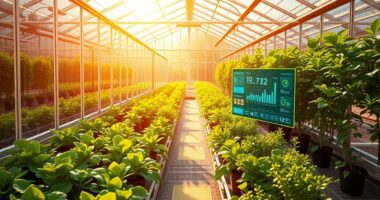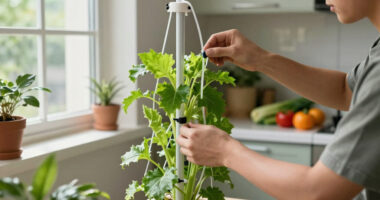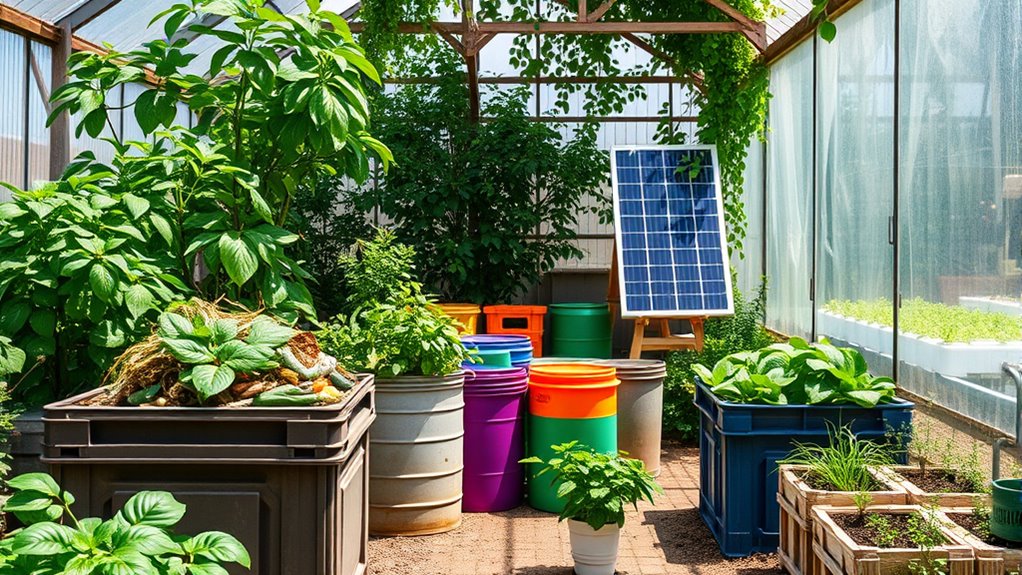

Recycling in greenhouses offers a smart way to reduce waste while promoting sustainable gardening practices. The Greenhouse Gardener’s Manual stands out for comprehensive guidance, while the Back to The Roots 10-Cell Greenhouse Germination Kit provides an easy entry point for beginners. Balancing environmental benefits with practical usability often involves tradeoffs—more advanced systems may require higher investment, while simpler options might lack versatility. Continue reading for a detailed comparison of the best recycling tools and strategies that can transform your greenhouse into a more sustainable space.

Get garden gear delivered free — and shop member deals
- Fast, free delivery on millions of items
- Access to Prime Big Deal Days deals on October 6–7
- Prime Video, Amazon Music and more included
Complete the kit


Key Takeaways
- Top picks balance ease of use with environmental impact, with the germination kit excelling in simplicity and the solar greenhouse leading in energy efficiency.
- The highest-rated products combine practical recycling methods with innovative design, but often come at a higher cost or complexity.
- Budget-friendly options tend to focus on DIY solutions or simple materials, which may limit long-term scalability or automation.
- Advanced systems like the smart greenhouse model emphasize automation and energy savings but require technical knowledge and upfront investment.
- Flexibility in recycling methods—such as composting, repurposing, or integrated energy recovery—was a key factor in top-ranking products.
| The Greenhouse Gardener’s Manual |  | Best Overall Guide for Sustainable Greenhouse Management | VIEW ON AMAZON | See Our Full Breakdown | |||
| Step by Step Greenhouse Gardening for Beginners |  | Best for Eco-Friendly Beginners Looking for Simple Recycling Tips | VIEW ON AMAZON | See Our Full Breakdown | |||
| Grow It, Don’t Throw It: 75 Ideas for Recycling and Repurposing in the Garden |  | Best for Creative Recyclers Seeking Practical Garden Ideas | VIEW ON AMAZON | See Our Full Breakdown | |||
| The Year-Round Solar Greenhouse: How to Design and Build a Net-Zero Energy Greenhouse |  | Best for Sustainable, Energy-Efficient Recycling-Integrated Greenhouses | VIEW ON AMAZON | See Our Full Breakdown | |||
| Back to The Roots 10-Cell Greenhouse Germination Kit with Biodegradable Pots & Vented Greenhouse Lid |  | Best Eco-Friendly Starter Kit for Seedlings and Recycling-Friendly Transplanting | Number of Cells: 10 | Material: Recycled plastic | Pot Type: Biodegradable, organic, peat-free | VIEW ON AMAZON | See Our Full Breakdown |
| The Greenhouse of the Future: Smart, Sustainable and Year‑Round Growing Made Simple |  | Best for Tech-Integrated Sustainable Greenhouse | Type: Smart, sustainable greenhouse | Automation: Integrated climate and watering control | Energy Efficiency: Designed for minimal environmental impact | VIEW ON AMAZON | See Our Full Breakdown |
More Details on Our Top Picks
The Greenhouse Gardener’s Manual
This manual stands out for its comprehensive coverage of greenhouse gardening techniques, making it ideal for both newcomers and seasoned gardeners seeking to optimize recycling practices. Compared with more specialized guides, it offers broad insights into greenhouse setup and plant care, but falls short on detailed product recommendations or updates. Its strength lies in practical tips for maintaining plant health and managing greenhouse environments, which directly support sustainable practices like composting and reuse. However, it lacks specific instructions on recycling materials or integrating them into the greenhouse system, making it less suited for those solely interested in recycling processes. This book makes the most sense for gardeners who want a solid foundation in greenhouse management with an eye toward sustainability, rather than detailed recycling projects.
Pros:- Provides detailed greenhouse gardening techniques that incorporate sustainability
- Suitable for all skill levels, from beginners to experts
- Includes practical tips for plant health, composting, and greenhouse management
Cons:- Lacks specific focus on recycling materials or repurposing in the greenhouse
- No included tools or accessories for recycling projects
- Limited information on plant varieties or advanced recycling applications
Best for: Home gardeners seeking a comprehensive resource on greenhouse sustainability and plant care.
Not ideal for: Gardeners looking specifically for step-by-step recycling projects or advanced DIY recycling techniques.
Our verdict“This guide is best for gardeners wanting a well-rounded manual that emphasizes environmentally friendly greenhouse practices, with limited focus on recycling specifics.”
Step by Step Greenhouse Gardening for Beginners
This beginner-friendly guide excels at providing easy DIY tips to set up an eco-conscious greenhouse, ideal for those starting with limited experience. Compared to more detailed manuals like the Greenhouse Gardener’s Manual, it offers straightforward instructions that emphasize seasonal planting and sustainable practices, including basic recycling ideas like composting and upcycling. While it’s perfect for newcomers, it lacks specific product details or advanced recycling methods, which may leave more experienced gardeners seeking deeper solutions unfulfilled. Its focus on simplicity makes it accessible, but it doesn’t delve into complex recycling systems or innovative repurposing techniques. This pick makes the most sense for beginners wanting a quick start without overwhelming technical details, especially in the context of recycling in the greenhouse.
Pros:- Simple, easy-to-follow instructions suited for beginners
- Focus on eco-friendly practices like composting and seasonal planting
- Suitable for all seasons, encouraging year-round sustainability
Cons:- No detailed product features or recycling project instructions
- Lacks specific tools or materials recommendations
- No pricing or rating info to gauge value
Best for: Beginner gardeners interested in eco-friendly greenhouse setup and basic recycling practices.
Not ideal for: Experienced gardeners or those seeking detailed recycling systems or advanced sustainability techniques.
Our verdict“This guide is ideal for newcomers eager to start eco-conscious greenhouse gardening with basic recycling practices, but it offers limited technical detail.”
Grow It, Don’t Throw It: 75 Ideas for Recycling and Repurposing in the Garden
This book earns its place by offering 75 inventive ideas for recycling and repurposing materials within the garden, making it a go-to for sustainable gardeners. It provides a variety of practical, easy-to-implement suggestions that encourage transforming everyday objects into functional garden features, supporting eco-friendly goals like reducing waste and reusing materials. Compared with more general guides like The Greenhouse Gardener’s Manual, it zeroes in on practical recycling projects, though it doesn’t specify the skill level required or detailed technical steps. Its focus on creativity and sustainability makes it ideal for gardeners looking to actively incorporate recycling into their routine, but it might feel limited for those needing comprehensive greenhouse management techniques. This book is perfect for gardeners eager to boost their recycling efforts with hands-on ideas.
Pros:- Provides numerous creative, practical recycling ideas
- Encourages sustainable gardening and waste reduction
- Easy-to-follow tips suitable for all skill levels
Cons:- Limited information on technical details or execution complexity
- Lacks content preview or explicit target audience info
- Does not cover greenhouse-specific recycling systems
Best for: Gardeners interested in creative, actionable recycling and repurposing projects for sustainability.
Not ideal for: Those seeking a comprehensive guide on greenhouse management or advanced construction techniques.
Our verdict“This book is perfect for eco-conscious gardeners wanting actionable recycling ideas to enhance sustainability in the garden.”
The Year-Round Solar Greenhouse: How to Design and Build a Net-Zero Energy Greenhouse
This comprehensive guide focuses on designing greenhouses that are energy-efficient and capable of operating year-round with minimal external inputs. It distinguishes itself from simpler guides like the Greenhouse Gardener’s Manual by emphasizing sustainable building practices, including incorporating recycled materials into construction. While it provides detailed instructions on creating net-zero energy systems, it doesn’t specify particular materials or detailed recycling techniques for greenhouse components, which could be a limitation for DIY recyclers. Its focus on sustainable design makes it ideal for those interested in integrating recycling into the very structure of their greenhouse, but it may be too technical for casual gardeners. This makes it most suitable for environmentally-minded builders who want a long-lasting, energy-efficient structure with recycling in mind.
Pros:- Provides detailed instructions on energy-efficient greenhouse design
- Focuses on sustainable, net-zero solutions including recycled building materials
- Suitable for both beginners with some technical skills and experienced builders
Cons:- No specific product features or materials listed
- Limited guidance on practical recycling projects or material sourcing
- May be too technical for casual gardeners
Best for: Advanced gardeners or builders interested in constructing sustainable, energy-efficient greenhouses with integrated recycling solutions.
Not ideal for: Beginners or gardeners seeking quick, simple solutions without technical design considerations.
Our verdict“This book is best for environmentally conscious builders aiming to create sustainable, recycling-integrated greenhouses with a focus on energy efficiency.”
Back to The Roots 10-Cell Greenhouse Germination Kit with Biodegradable Pots & Vented Greenhouse Lid
This germination kit excels as an eco-friendly way to start seedlings, especially for gardeners who want to incorporate recycling into their planting process. Made from 75% recycled plastic, it supports sustainable practices right from seed to transplanting. The included biodegradable, organic pots are designed for easy planting and reduce waste, promoting recycling and composting. The vented lid offers excellent humidity and ventilation control, improving seedling health. Compared with larger, more complex systems, this kit is limited to starting seedlings indoors or in small spaces, making it less suitable for extensive planting projects. Its strength lies in supporting sustainable starting methods, but it doesn’t serve as a comprehensive solution for recycling across the entire greenhouse operation. Best for those focusing on eco-friendly seed starting and transplanting, not larger-scale recycling systems.
Pros:- Made from 75% recycled plastic, supporting recycling efforts
- Includes biodegradable, organic pots that facilitate transplanting
- Vented lid improves humidity and seedling health
- Supports healthy root development
Cons:- Limited to indoor seed starting, not a full greenhouse system
- Small size may not suit larger planting needs
- Some users may want additional features or tools
Best for: Home gardeners and beginners focusing on sustainable seed starting and transplanting in small or indoor greenhouses.
Not ideal for: Larger scale growers or those seeking a full greenhouse recycling system for ongoing plant production.
- Number of Cells:10
- Material:Recycled plastic
- Pot Type:Biodegradable, organic, peat-free
- Includes:Vented greenhouse lid, seed starting tray
- Theme:Gardening
Our verdict“This kit is ideal for eco-conscious gardeners starting seedlings with sustainable materials, but it isn’t a full-scale recycling solution for larger projects.”
The Greenhouse of the Future: Smart, Sustainable and Year‑Round Growing Made Simple
This greenhouse stands out for its integration of smart technology and sustainability, making it ideal for growers who want a hands-off approach to year-round cultivation. Unlike traditional greenhouses like The Greenhouse Gardener’s Manual, which focus more on manual setup and passive gardening, this model offers automated climate controls and energy-efficient features that simplify ongoing management. However, the lack of detailed specifications or customizability may limit its appeal to more experienced growers seeking specific setup options. Its emphasis on sustainability and ease of use makes it perfect for environmentally conscious gardeners who value automation, but those requiring advanced customization might find it restrictive.
Pros:- Smart automation for climate and watering control
- Designed with sustainability in mind, reducing environmental impact
- Enables consistent, year-round growing regardless of season
- Simplifies plant cultivation with integrated features
Cons:- Limited detailed features or specifications provided, making it hard to assess customization options
- Potentially higher cost due to smart technology integration
- Lacks information on size and capacity, which could impact space planning
Best for: Tech-savvy gardeners seeking a sustainable, low-maintenance greenhouse for all seasons
Not ideal for: Traditionalists or growers wanting detailed manual control without automation features
- Type:Smart, sustainable greenhouse
- Automation:Integrated climate and watering control
- Energy Efficiency:Designed for minimal environmental impact
- Year-Round Use:Yes
- Material:Not specified
- Size:Not specified
- Connectivity:Smart technology enabled
- Installation:Simplified setup
- Control Interface:App-based or integrated controls
Our verdict“This greenhouse is best suited for environmentally conscious, tech-oriented gardeners who prioritize automation and year-round growth without needing detailed manual control.”

How We Picked
The products included in this roundup were selected based on their effectiveness in promoting recycling within greenhouse environments, ease of integration, and overall durability. We prioritized solutions that offer clear environmental benefits without overly complicating the user experience. Factors such as build quality, versatility of recycling methods, cost, and user-friendliness played a central role in ranking. Our goal was to identify options suitable for a range of greenhouse setups, from beginners to experienced growers, ensuring each product provides meaningful value in sustainable gardening practices.Factors to Consider When Choosing Recycling In Greenhouses
Choosing the right recycling solutions for your greenhouse depends on several key factors. Beyond simple functionality, consider how well a product integrates with your existing setup, the level of effort required to maintain it, and whether it aligns with your sustainability goals. Understanding these considerations helps prevent common pitfalls, such as over-investing in overly complex systems or neglecting practical reuse opportunities that could make a big difference.Compatibility with Your Greenhouse Setup
Not all recycling methods suit every greenhouse. Consider your space, climate, and existing systems when selecting solutions. For example, energy-based recycling like solar greenhouses require sufficient sunlight and space, while composting can be more adaptable for smaller setups. Ensuring compatibility prevents costly modifications and maximizes the benefits of your chosen system.
Ease of Use and Maintenance
Sustainable systems should simplify gardening, not add complexity. Some solutions, like biodegradable pots or simple compost bins, need minimal upkeep, making them ideal for beginners. More advanced options, such as integrated energy recovery, may require technical know-how and regular maintenance, which could deter casual gardeners or those short on time.
Cost and Long-term Value
Initial investment varies widely, from inexpensive DIY projects to costly automated systems. Consider your budget and whether the potential savings or environmental impact justify the expense. Sometimes, spending more upfront on durable, versatile systems pays off through reduced waste and lower ongoing costs.
Environmental Impact and Sustainability Goals
Identify what sustainability means for you—reducing waste, energy savings, or resource conservation—and choose solutions aligned with those goals. For instance, solar-powered greenhouses maximize energy efficiency, while composting emphasizes waste reduction. Clear priorities help narrow down options and avoid investing in features that don’t align with your values.
Potential for Expansion and Scalability
Consider whether your chosen recycling method can grow with your greenhouse. Modular systems or those compatible with multiple recycling techniques offer flexibility, allowing you to scale up as your gardening needs evolve. Rigid or single-purpose solutions might limit future growth or adaptations.
Frequently Asked Questions
Can I incorporate recycling solutions into an existing greenhouse without major modifications?
Yes, many recycling methods are adaptable and can be added gradually without major changes. Small-scale options like compost bins, biodegradable pots, or rainwater harvesting systems fit into most setups easily. For energy-based solutions like solar greenhouses, some modifications might be needed, but many systems are designed for retrofit compatibility. Starting with simple, scalable solutions is often the best way to gradually enhance sustainability without disrupting your current operations.
Are energy-efficient recycling systems worth the extra cost?
Energy-efficient systems can provide significant long-term savings and environmental benefits, especially if you operate your greenhouse year-round. While the initial investment might be higher, savings on energy bills and reduced carbon footprint often offset the costs over time. If sustainability is a priority and you have the budget, choosing these systems can make your greenhouse more self-sufficient and eco-friendly in the long run.
What’s the easiest recycling method for beginners?
For those just starting out, simple solutions like biodegradable pots, composting, or rainwater collection are highly accessible and require minimal technical knowledge. These methods not only reduce waste but also enhance plant growth naturally. As confidence and experience grow, you can explore more complex systems like integrated energy recovery or advanced recycling setups.
How do I balance upfront costs with long-term benefits in recycling systems?
Investing in durable, versatile recycling solutions often offers better value over time, especially if they reduce waste disposal costs or energy use. However, it’s important to consider your current budget and growth plans. Starting with affordable, easy-to-maintain options allows you to build your sustainable setup gradually, adding more advanced features as your needs and resources expand.
Are there specific recycling strategies better suited for small versus large greenhouses?
Yes, small greenhouses benefit from compact, low-cost solutions like compost bins, rainwater harvesting, or biodegradable pots, which are easy to manage and scale. Larger greenhouses may justify investing in integrated energy systems, automated composting, or modular recycling setups that handle higher volumes efficiently. Matching the complexity and scale of your recycling methods to your greenhouse size ensures effective resource use and management.
Conclusion
For casual gardeners or beginners, simple and affordable options like biodegradable pots and composting provide quick sustainability wins. Experienced growers or those aiming for energy efficiency should consider investing in solar greenhouse systems or integrated recycling technologies for maximum impact. Budget-conscious buyers will find value in scalable, straightforward solutions, while those committed to cutting-edge sustainability may prioritize premium, automated systems. Tailoring your choice based on your setup, goals, and resources ensures your greenhouse becomes a truly eco-friendly space.Fall Picks
fall essentials
As an affiliate, we earn on qualifying purchases.