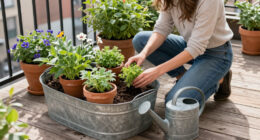
When exploring roofgreenhouse designs, the options range from simple DIY structures to complex, energy-efficient systems. The Garden Rooms Greenhouse stands out for its versatile design, blending indoor comfort with outdoor gardening. For those seeking durability and ease of assembly, the Wanan Greenhouses offers UV protection and windproof features. Meanwhile, the Year-Round Solar Greenhouse emphasizes energy efficiency and sustainability, ideal for environmentally conscious growers. The main tradeoffs revolve around cost, complexity, and energy considerations—more advanced designs often require higher investment but deliver better long-term performance. Continue reading for a detailed breakdown of each option to find your best fit.

Get garden gear delivered free — and shop member deals
- Fast, free delivery on millions of items
- Access to Prime Big Deal Days deals on October 6–7
- Prime Video, Amazon Music and more included
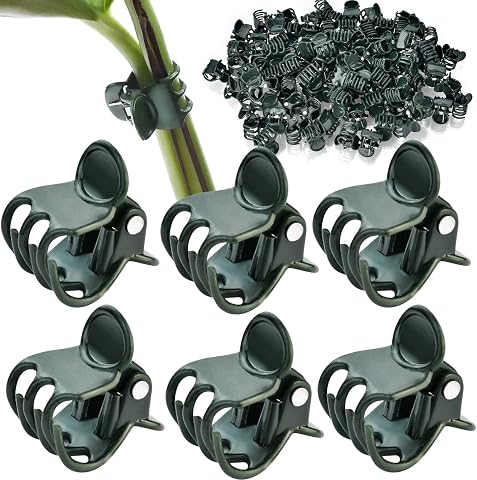
Complete the kit


Key Takeaways
- Top picks balance cost, durability, and energy efficiency, making them suitable for different experience levels and budgets.
- DIY plans like the 6×12 Greenhouse provide customization but require more time and skill, whereas professional designs focus on performance and longevity.
- Passive solar and net-zero designs prioritize sustainability but tend to be more complex and costly upfront.
- Material choice (e.g., polycarbonate vs. glass) significantly impacts durability, insulation, and cost.
- The most successful roofgreenhouse designs incorporate ventilation and climate control features to extend growing seasons.


More Details on Our Top Picks
Garden Rooms: Greenhouse, Sunroom and Solarium Design
This book stands out for its rich collection of design concepts for various garden rooms, including greenhouses, which makes it ideal for those seeking creative inspiration. Compared with more technical guides like The Professional Design Guide to Green Roofs, this publication focuses on aesthetics and layout rather than technical details, making it perfect for garden enthusiasts and landscapers. Its detailed visuals and practical tips help visualize how a garden room can transform outdoor spaces into functional retreats. However, it lacks specific material specifications or construction details, which could leave DIY builders wanting more. This book is best suited for homeowners and landscape designers looking to enhance their garden aesthetics rather than those ready to build from scratch without additional technical references.
Pros:- Provides detailed design ideas for various garden rooms
- Includes practical tips for planning and construction
- Rich visuals and inspiring layouts
Cons:- Lacks specific materials or dimensions, limiting practical construction use
- No technical or engineering details for building
Best for: Gardeners, homeowners, and landscape designers seeking creative ideas and visual inspiration for garden rooms.
Not ideal for: DIY builders needing detailed construction plans or technical specifications for actual building projects.
Our verdict“A perfect pick for those wanting inspiration and design guidance rather than detailed building instructions.”
The Professional Design Guide to Green Roofs
This book is an essential resource for professionals and serious students focused on green roof design, offering in-depth technical guidance and case studies. Compared with DIY-focused guides like 6×12 DIY Greenhouse Plans, this publication emphasizes sustainability, technical considerations, and best practices, making it less suitable for casual hobbyists. Its detailed content supports creating technically sound, eco-friendly rooftop gardens. The absence of practical, step-by-step building instructions means it’s better suited for architects or green roof consultants rather than DIY enthusiasts. For anyone aiming to implement complex, sustainable rooftop projects, this guide provides the foundational knowledge necessary to succeed.
Pros:- Provides detailed guidance on green roof design principles
- Includes relevant case studies and technical insights
- Ideal for professional and educational use
Cons:- Lacks practical, hands-on building instructions
- No price or user ratings available
Best for: Architects, landscape professionals, and students specializing in green roof design and installation.
Not ideal for: DIYers seeking straightforward, step-by-step building guides for small greenhouses or garden rooms.
Our verdict“A must-have resource for professionals and advanced students aiming to master green roof design and implementation.”
The Chinese Greenhouse: Design and Build a Low-Cost, Passive Solar Greenhouse
This book offers an appealing approach for those interested in affordable, passive solar greenhouse construction inspired by Chinese techniques. Unlike the detailed blueprints in 6×12 DIY Greenhouse Plans, it emphasizes low-cost, sustainable design and passive solar principles, making it suitable for hobbyists on a budget. However, it provides limited practical instructions, often lacking specific plans or step-by-step guidance, which might challenge readers expecting a detailed build manual. Its focus on passive solar strategies makes it ideal for environmentally conscious growers but less suitable for those wanting a quick, straightforward build. This guide appeals most to sustainable gardening enthusiasts willing to adapt principles to their own projects.
Pros:- Cost-effective design ideas with a focus on sustainability
- Highlights passive solar techniques for energy efficiency
- Accessible for those interested in eco-friendly gardening
Cons:- Limited practical, step-by-step building instructions
- No detailed plans or technical specifications
Best for: Gardeners interested in low-cost, passive solar greenhouse design and sustainable practices.
Not ideal for: DIY builders needing detailed construction plans or immediate, ready-to-assemble solutions.
Our verdict“Best suited for environmentally conscious gardeners willing to customize their greenhouse with basic principles in mind.”
6×12 DIY Greenhouse Plans: Step-by-Step Guide with 3D Illustrations, Blueprints, Material Lists, and Cut Lists
This comprehensive guide makes it straightforward for DIY enthusiasts to construct a 6×12 greenhouse from scratch, thanks to detailed blueprints, 3D illustrations, and extensive material lists. Unlike the more conceptual Garden Rooms book, this resource is highly practical, providing explicit instructions that turn plans into reality. However, it assumes a certain level of DIY skill and access to tools, and it doesn’t specify materials for weather resistance or long-term durability, which could lead to issues if incorrect materials are chosen. This guide is best for experienced hobbyists ready to invest time and effort into a custom build, rather than beginners or those seeking ready-made solutions.
Pros:- Detailed step-by-step instructions and blueprints
- Includes 3D illustrations and comprehensive material lists
- Empowers DIYers to create a custom greenhouse
Cons:- No specific recommendations for weatherproof or durable materials
- Requires basic DIY skills and tools
Best for: Experienced DIYers and hobbyists looking to build a precise, custom greenhouse with detailed plans.
Not ideal for: Novices or those lacking basic DIY skills, as it requires familiarity with building processes and tools.
Our verdict“Ideal for skilled DIYers eager to construct a custom 6×12 greenhouse with detailed guidance and visual aids.”
The Year-Round Solar Greenhouse: How to Design and Build a Net-Zero Energy Greenhouse
This book stands out for its detailed guidance on creating a solar-powered greenhouse that can operate year-round with zero net energy use. Unlike typical DIY guides like the ‘6×12 Greenhouse Plans,’ which focus mainly on construction, this resource emphasizes sustainable design principles and energy efficiency, making it ideal for environmentally conscious gardeners. The content is rich with technical insights, which might be overwhelming for beginners, but rewarding for those ready to integrate solar technology into their greenhouse plans. While it lacks specific product recommendations or material lists, its comprehensive approach makes it a valuable resource for DIY enthusiasts aiming for sustainability. Compared to general building guides, this book provides a deeper focus on energy-saving practices, though it requires some technical aptitude to fully utilize its advice.
Pros:- Thorough coverage of solar greenhouse design principles
- Focus on sustainable, energy-efficient practices
- Ideal for DIY enthusiasts aiming for eco-friendly solutions
Cons:- Content can be quite technical, potentially daunting for beginners
- Lacks specific product or material recommendations
Best for: Gardeners interested in building eco-friendly, net-zero energy greenhouses who enjoy DIY projects and have some technical background
Not ideal for: Beginners seeking straightforward, step-by-step building instructions without technical details or for those not interested in solar energy concepts
- Focus:Net-zero energy greenhouse design
- Intended Audience:DIY enthusiasts, sustainable gardeners
- Construction Type:Sustainable, solar-powered
- Coverage:Design principles, energy-efficient practices
- Difficulty Level:Intermediate to advanced
- Format:Guidebook
Our verdict“This book is best suited for environmentally conscious gardeners ready to implement advanced solar strategies in their greenhouse projects.”
The Absolute Beginners Blueprint to Greenhouse Gardening: Build, Plant and Grow Vegetables, Herbs, Fruits, and Flowers Year-Round
This guide is perfect for newcomers who want a straightforward introduction to building and maintaining a greenhouse for year-round growing. Unlike the more technical ‘Year-Round Solar Greenhouse,’ which targets experienced DIYers interested in energy systems, this book simplifies the process, focusing on step-by-step instructions for assembling a basic greenhouse and growing diverse plants. Its approachable tone makes it accessible to those without prior experience, but it doesn’t specify particular materials or advanced construction techniques, which might limit customization for more ambitious projects. Compared with more detailed technical books, this guide excels at demystifying the process, though it may leave readers wanting more specific building plans or material options.
Pros:- Easy-to-follow, step-by-step instructions
- Encourages year-round gardening of various plants
- No prior experience required
Cons:- Lacks detailed specifications for materials or construction methods
- More instructional than providing specific product or design guidance
Best for: Beginners eager to start year-round vegetable and flower gardening with minimal prior knowledge
Not ideal for: Experienced gardeners or DIYers seeking in-depth technical details or eco-focused design strategies
- Focus:Beginner-friendly greenhouse gardening
- Intended Audience:Novice gardeners
- Construction Type:Basic greenhouse
- Coverage:Building, planting, year-round care
- Difficulty Level:Beginner
- Format:Instructional guide
Our verdict“This book is ideal for beginners who want a simple, accessible way to start greenhouse gardening without technical complexity.”
How We Picked
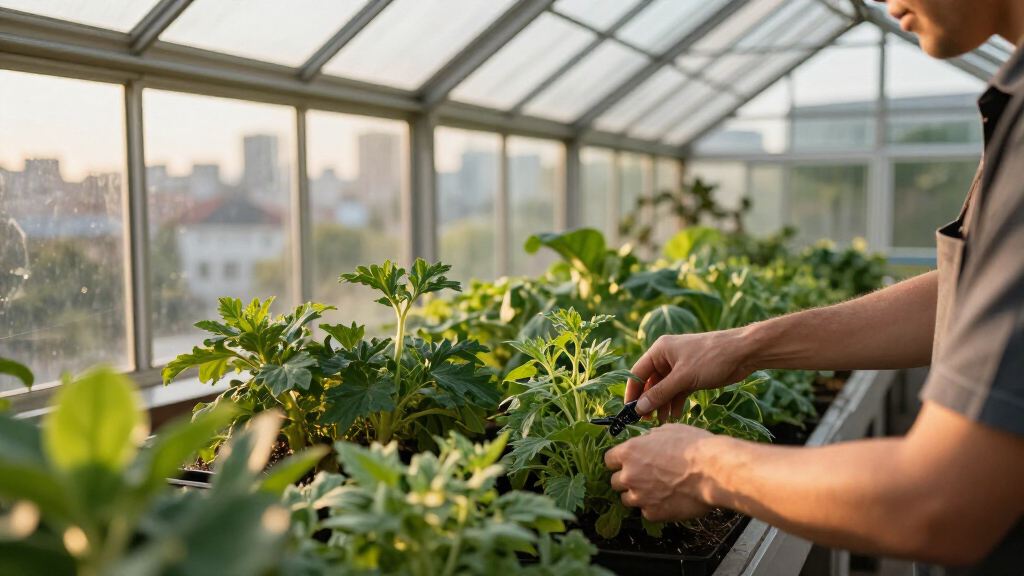
Our evaluation focused on the versatility, durability, energy efficiency, and ease of construction of each roofgreenhouse design. We considered how well each option balances initial cost against long-term savings, including maintenance and energy use. Additionally, we examined the adaptability of the design for different climates and user expertise levels. The ranking reflects a combination of these factors, prioritizing structures that offer reliable performance and value while also serving a range of user needs—from beginners to experienced growers.
Factors to Consider When Choosing Roofgreenhouse Designs
Choosing the right roofgreenhouse design involves more than just aesthetics. It’s essential to consider how the structure will perform in your local climate, your budget, and your experience level. Some designs prioritize energy efficiency, while others focus on ease of assembly or low cost. Understanding these factors can prevent costly mistakes and ensure your greenhouse meets your gardening goals.
Climate Compatibility and Insulation
Assess your local weather patterns when selecting a roofgreenhouse. Structures with better insulation, such as polycarbonate panels, are suited for colder climates, while simpler designs may suffice in milder areas. Consider whether the design includes features like ventilation or shading to control temperature and humidity effectively.
Budget and Long-Term Costs
Initial investment varies widely across designs, from DIY plans that are budget-friendly to high-end passive solar models. Remember, a higher upfront cost may translate into lower energy bills and maintenance over time. Carefully analyze the expected lifespan and energy savings to find a sustainable financial choice.
Ease of Construction and Skill Level
Some designs, like blueprints and DIY guides, require woodworking skills and patience, while pre-fabricated or modular options are quicker and easier to assemble. Be honest with your skill level to avoid frustration or structural issues—select a design that matches your ability to build and maintain it.
Material Durability and Maintenance
Material choice impacts longevity and upkeep. Polycarbonate panels are lightweight and shatter-resistant but may scratch or yellow over time. Glass offers durability and clarity but is heavier and more fragile. Consider the tradeoffs based on your climate and willingness to perform maintenance.
Design Flexibility and Expansion Potential
Think about whether the design allows for future expansion or modifications. Modular plans or adaptable structures can grow with your needs, but may come at a higher initial complexity or cost. Decide if you want a simple, fixed structure or a flexible design that can evolve over time.
Frequently Asked Questions
How do I choose a roofgreenhouse design suitable for my climate?
Select a design that emphasizes insulation, ventilation, and energy efficiency tailored to your climate. For colder areas, structures with double-pane or polycarbonate panels and passive solar features will perform better. In milder climates, simpler, lighter designs can suffice, reducing costs and complexity. Always consider local weather patterns and how your chosen design manages temperature fluctuations and humidity.
Is a DIY roofgreenhouse plan worth it compared to buying a pre-made structure?
DIY plans can offer significant cost savings and customization options, making them appealing for experienced hobbyists. However, they require time, skill, and patience to build correctly. Pre-made or modular structures often come with warranties and easier installation, which can be more reliable if you lack construction experience. Weigh your skill level and long-term goals before deciding.
What materials should I prioritize for durability and insulation?
Polycarbonate panels are popular due to their lightweight, impact resistance, and good insulation properties, making them suitable for most climates. Glass provides excellent clarity and durability but is heavier and more expensive. If low maintenance is important, polycarbonate might be the better choice; for maximum longevity and aesthetic appeal, glass remains a strong option.
How important are ventilation and climate control features?
Ventilation and climate control are critical for extending your growing season and maintaining plant health. Proper ventilation prevents overheating and humidity buildup, which can lead to disease. Features like adjustable roof vents or automated climate systems can significantly improve performance, especially in variable weather conditions. Poor ventilation can undermine even the best design’s effectiveness.
Should I prioritize energy efficiency or cost when choosing a roofgreenhouse?
The choice depends on your long-term goals. Energy-efficient designs, such as passive solar greenhouses, reduce ongoing energy costs but often require higher initial investment and more complex construction. Budget-friendly options may be easier to build and set up but could lead to higher heating or cooling expenses over time. Consider your budget, climate, and how much effort you’re willing to invest in energy management.
Conclusion
For most hobbyists and casual gardeners, the Garden Rooms Greenhouse offers versatile and straightforward design. Those seeking a balance of cost and performance will find the Wanan Greenhouses a practical choice. For environmentally conscious growers, the Year-Round Solar Greenhouse provides energy efficiency and sustainability. Beginners should consider blueprints like the 6×12 DIY Greenhouse Plans for customization without overwhelming complexity. Meanwhile, serious growers or eco-builders aiming for long-term savings should explore premium options with passive solar features. Ultimately, your choice depends on your climate, budget, experience, and future plans for expansion or upgrades.
Evergreen bestsellers Picks
bestsellers
As an affiliate, we earn on qualifying purchases.