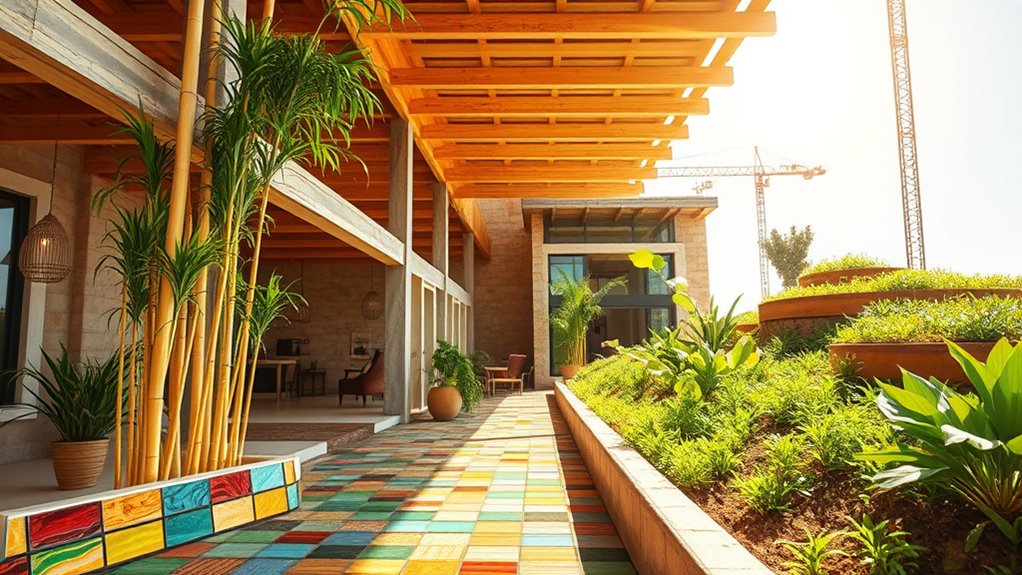

When selecting sustainable building materials, the goal is to balance environmental impact, durability, and cost. The best overall pick is the EarthBlock Eco, known for its low embodied energy and thermal performance. Recycled steel offers exceptional strength with recyclability but comes with higher initial costs, while bamboo is highly renewable and versatile but can require careful treatment for longevity. The main tradeoffs involve balancing upfront costs, environmental benefits, and suitability for specific construction needs. Keep reading to see how these factors play out across the top options for sustainable building materials in 2026.

Get garden gear delivered free with Prime
- Fast, free delivery on millions of items
- Prime Video, Amazon Music and more included
- Member-only deals all year
Complete the kit


Key Takeaways
- Recyclability and embodied energy are critical metrics that separate top sustainable materials from less eco-friendly options.
- Natural materials like earth and bamboo excel in low-impact construction but may require more maintenance or specific treatment for durability.
- Innovative materials such as recycled steel or hempcrete offer high performance but often come with higher costs and limited availability.
- Choosing the right material depends heavily on project scope, climate, and budget, emphasizing the importance of context-specific decisions.
- Tradeoffs between initial investment and long-term sustainability benefits are a recurring theme across the best options.
| Construction Materials, Methods, and Techniques: Building for a Sustainable Future |  | Best Overall Reference for Sustainable Construction Practices | Coverage: Broad overview of sustainable methods | Intended Audience: Professionals, students, educators | Technical Detail: Limited technical specifications | VIEW ON AMAZON | See Our Full Breakdown |
| Essential Cob Construction: A Guide to Design, Engineering, and Building |  | Best for Beginners and Eco-Friendly Builders Interested in Cob | Focus Material: Cob (clay, sand, straw) | Skill Level: Beginner to intermediate | Design Guidance: Yes, includes engineering principles | VIEW ON AMAZON | See Our Full Breakdown |
| Carbonless: An Introduction to Sustainable Building |  | Best for Students and Entry-Level Professionals Exploring Green Building | Intended Audience: Students, entry-level professionals | Content Depth: Introductory | Materials Covered: Eco-friendly building methods | VIEW ON AMAZON | See Our Full Breakdown |
| Natural Building Techniques: A Guide to Ecological Methods and Materials |  | Best for Ecological Builders and Practitioners Interested in Natural Methods | Focus: Ecological and natural techniques | Detail Level: Practical tips, less detailed instructions | Code Compliance: Not fully addressed | VIEW ON AMAZON | See Our Full Breakdown |
| Building with Earth: Design and Technology of a Sustainable Architecture, Fifth Edition |  | Best for Architects and Advanced Enthusiasts Focused on Earth-Based Construction | Focus Material: Earth-based construction | Technical Depth: Advanced, design-oriented | Innovations Covered: Design principles, technological advances | VIEW ON AMAZON | See Our Full Breakdown |
| Construction Materials, Methods, and Techniques: Building for a Sustainable Future |  | Best Comprehensive Resource for Industry Professionals | Coverage: Broad overview of sustainable methods | Intended Audience: Industry professionals and students | Technical Detail: Limited technical specifications | VIEW ON AMAZON | See Our Full Breakdown |
| Sustainable Construction: Green Building Design and Delivery |  | Best for Design and Project Delivery Strategies | Coverage: Green building design and delivery | Intended Audience: Construction professionals and architects | Technical Detail: Moderate, with some technical content | VIEW ON AMAZON | See Our Full Breakdown |
| Essential Natural Plasters: A Guide to Materials, Recipes, and Use |  | Best for Eco-Conscious Surface Finishes | Focus: Natural plasters and recipes | Content Type: Informational guide | Application: Surface finishes in eco-buildings | VIEW ON AMAZON | See Our Full Breakdown |
| Sustainable and Regenerative Materials for Architecture: A Sourcebook |  | Best for Architects and Designers Interested in Innovative Materials | Content Focus: Eco-friendly and regenerative materials | Intended Audience: Architects and designers | Technical Detail: Limited technical specifications | VIEW ON AMAZON | See Our Full Breakdown |
| Earthbag Building: The Tools, Tricks and Techniques (Mother Earth News Wiser Living Series, 8) | 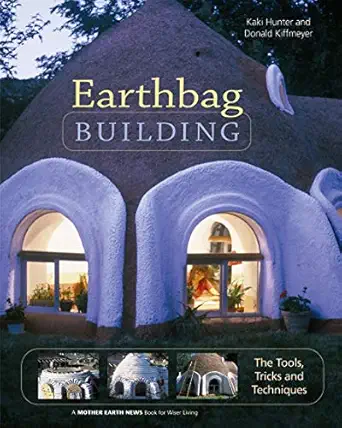 | Best Practical Guide for Earthbag Construction | Focus: Earthbag construction techniques | Target Audience: DIYers and small-scale builders | Technical Detail: High, with practical tools and tricks | VIEW ON AMAZON | See Our Full Breakdown |
| The Art of Natural Building, Second Edition: Design, Construction, Resources |  | Best Comprehensive Resource for Natural Building Techniques | Edition: Second | Coverage: Design, Construction, Resources | Scope: Broad natural building techniques | VIEW ON AMAZON | See Our Full Breakdown |
| Building with Bamboo: Design and Technology of a Sustainable Architecture, Third and Revised Edition |  | Best for Eco-Friendly Bamboo Architecture | Edition: Third, Revised | Focus: Bamboo architecture and technology | Audience: Architects, Builders, Designers | VIEW ON AMAZON | See Our Full Breakdown |
| Fundamentals of Building Construction: Materials and Methods |  | Best for Students and Industry Professionals Seeking Technical Depth | Audience: Students, Professionals | Coverage: Materials, Methods | Illustrations: Yes | VIEW ON AMAZON | See Our Full Breakdown |
| Sustainable Building Systems and Construction for Designers |  | Best for Architects and Design-Focused Professionals | Focus: Building systems and design | Content: Eco-friendly materials, energy efficiency, innovative techniques | Case Studies: Includes | VIEW ON AMAZON | See Our Full Breakdown |
| Sustainable Building Systems and Construction for Designers: Bundle Book + Studio Access Card |  | Best for Hands-On Learners and Design Students | Includes: Book + Studio Access Card | Focus: Practical application and skills | Audience: Students, Beginners, Learners | VIEW ON AMAZON | See Our Full Breakdown |
| sustainable building material | Technical Detail |
|---|---|
| Construction Materials | Limited technical specifications |
| Essential Cob Construction: A | — |
| Carbonless: An Introduction to | Limited |
| Natural Building Techniques: A | — |
| Building with Earth: Design an | — |
| Construction Materials | Limited technical specifications |
| Sustainable Construction: Gree | Moderate, with some technical content |
| Essential Natural Plasters: A | — |
| Sustainable and Regenerative M | Limited technical specifications |
| Earthbag Building: The Tools | High, with practical tools and tricks |
| The Art of Natural Building | — |
| Building with Bamboo: Design a | Limited engineering specs |
| Fundamentals of Building Const | — |
| Sustainable Building Systems a | Limited |
| Sustainable Building Systems a | Limited |
More Details on Our Top Picks
Construction Materials, Methods, and Techniques: Building for a Sustainable Future
This comprehensive book stands out for providing an extensive overview of sustainable building methods, making it an essential resource for industry professionals seeking a broad understanding of eco-friendly practices. Compared to Building with Earth, it covers a wider range of construction techniques but lacks detailed technical specifications, which might limit practical application for hands-on builders. Its focus on innovative methods makes it ideal for those wanting to stay current with green building trends, though it may feel dense for casual readers or DIY enthusiasts. Its strengths lie in its broad scope and practical insights, but the absence of specific project details and technical data means it’s more of a reference guide than a step-by-step manual.
Pros:- Extensive coverage of sustainable construction methods
- Includes innovative techniques and modern practices
- Suitable for professionals and students interested in green building
Cons:- Lacks detailed technical specifications and step-by-step instructions
- No pricing or customer ratings available
Best for: Construction professionals, students, and educators seeking a comprehensive overview of sustainable building methods
Not ideal for: Beginners or DIY builders looking for detailed instructions or project-specific guidance
- Coverage:Broad overview of sustainable methods
- Intended Audience:Professionals, students, educators
- Technical Detail:Limited technical specifications
- Content Type:Theoretical and practical insights
- Focus Area:Innovative construction techniques
- Format:Book with diagrams and case studies
Our verdict“This book is best suited for experienced builders and professionals wanting a broad, conceptual understanding of sustainable construction practices.”
Essential Cob Construction: A Guide to Design, Engineering, and Building
This guide excels at providing detailed instructions and engineering principles for cob construction, making it highly suitable for eco-conscious DIYers and beginners who want to understand natural building. Compared to Natural Building Techniques, it offers more specific guidance on cob but may lack broader ecological methods or alternative materials. Its focus on design and engineering helps ensure structural integrity, yet it does not include specific project examples, which could be a drawback for those seeking practical, step-by-step projects. While it’s accessible for newcomers, those with advanced knowledge may find it somewhat limited in scope and application. Overall, it makes sense for those committed to learning natural building from a technical perspective.
Pros:- Provides detailed guidance on cob building techniques
- Focuses on sustainable, natural construction practices
- Suitable for both beginners and experienced natural builders
Cons:- Lacks specific project examples or step-by-step instructions
- No price or customer ratings available
- Requires some prior knowledge of building concepts
Best for: Beginners, DIY enthusiasts, and natural building advocates interested in cob construction
Not ideal for: Experienced builders or professionals seeking a wide range of sustainable materials beyond cob
- Focus Material:Cob (clay, sand, straw)
- Skill Level:Beginner to intermediate
- Design Guidance:Yes, includes engineering principles
- Project Examples:Limited or none
- Sustainability Focus:Natural, eco-friendly materials
- Intended Audience:DIY builders, natural architecture enthusiasts
Our verdict“This book is ideal for eco-conscious DIYers and beginners eager to master cob construction with a focus on engineering and design principles.”
Carbonless: An Introduction to Sustainable Building
This book offers a solid, introductory overview of sustainable building practices, making it a good starting point for students and newcomers. Unlike Construction Materials, Methods, and Techniques, which covers a wide array of techniques, this title keeps the focus on environmentally friendly methods and materials, providing a clear foundation. However, its content may be too basic for seasoned professionals or those seeking detailed technical data. Its strength lies in its accessibility and broad overview, but it falls short on depth and technical specifics, which limits its usefulness for advanced practitioners.
Pros:- Provides a clear, accessible introduction to green building
- Suitable for students and professionals starting in sustainability
- Focuses on environmentally friendly construction methods
Cons:- Content may be too basic for advanced practitioners
- No detailed technical specifications provided
- Limited depth on complex building systems
Best for: Students, early-career architects, and professionals new to sustainable building concepts
Not ideal for: Experienced builders or those seeking in-depth technical or project-specific guidance
- Intended Audience:Students, entry-level professionals
- Content Depth:Introductory
- Materials Covered:Eco-friendly building methods
- Technical Detail:Limited
- Focus Area:Environmental sustainability
- Format:Textbook-style overview
Our verdict“This book is best for beginners and students seeking a broad, accessible primer on sustainable building concepts.”
Natural Building Techniques: A Guide to Ecological Methods and Materials
This guide provides a thorough look at ecological building methods, emphasizing sustainable and natural materials. Compared to Sustainable Construction, it offers more practical tips for using natural techniques but does not cover all modern building codes, which could be a concern for commercial projects. Its focus on ecological principles makes it ideal for those committed to natural building, although the lack of detailed step-by-step instructions might challenge those seeking precise technical guidance. It’s particularly valuable for practitioners prioritizing ecological integrity over regulatory compliance, yet it may need supplementation with more modern or code-compliant resources for large-scale construction.
Pros:- Comprehensive overview of ecological building methods
- Includes practical tips and eco-friendly materials
- Strong focus on sustainability and natural techniques
Cons:- Lacks detailed, step-by-step instructions
- May not fully address modern building codes
- Less suitable for large-scale or commercial projects
Best for: Natural builders, ecological architects, and sustainability advocates focused on environmentally friendly materials
Not ideal for: Commercial builders or those requiring detailed, code-compliant construction guides
- Focus:Ecological and natural techniques
- Detail Level:Practical tips, less detailed instructions
- Code Compliance:Not fully addressed
- Materials:Natural, eco-friendly
- Intended Audience:Ecological architects, natural builders
- Scope:Environmental sustainability and techniques
Our verdict“This book suits ecological builders and sustainability advocates seeking practical insights into natural building methods, with some limitations for code compliance.”
Building with Earth: Design and Technology of a Sustainable Architecture, Fifth Edition
This book offers an in-depth exploration of earth construction, blending design principles with innovative technology. It’s more technical than Essential Cob Construction, making it ideal for architects and experienced builders interested in advanced earth-building methods. While it covers a wide array of design and technological innovations, it lacks detailed specifications or reviews, which might make practical implementation challenging for casual readers. Its comprehensive approach makes it a valuable reference for those looking to integrate earth-based techniques into professional projects, though it might be too technical for complete beginners or DIY builders.
Pros:- Comprehensive coverage of earth-based construction techniques
- Includes design principles and technological innovations
- Suitable for professional architects and serious enthusiasts
Cons:- No detailed specifications or user reviews provided
- May be too technical for casual readers
- Limited practical, step-by-step instructions
Best for: Architects, engineers, and sustainable building enthusiasts interested in earth architecture and innovative design
Not ideal for: Casual DIY builders or those looking for simple, step-by-step guides
- Focus Material:Earth-based construction
- Technical Depth:Advanced, design-oriented
- Innovations Covered:Design principles, technological advances
- Audience:Architects, engineers, sustainability enthusiasts
- Project Scope:Professional, large-scale applications
- Guide Type:Reference, design manual
Our verdict“This book is best for professionals and serious enthusiasts focused on integrating earth materials into sustainable architecture projects.”
Construction Materials, Methods, and Techniques: Building for a Sustainable Future
This book stands out for its extensive coverage of sustainable construction practices, making it a valuable resource for professionals seeking a broad understanding of eco-friendly building methods. Unlike Essential Natural Plasters, which focuses specifically on natural surface finishes, this guide explores a wide array of innovative materials and techniques, providing a holistic view. The main tradeoff is its lack of detailed technical specifications, which may limit practical implementation for hands-on builders. Its comprehensive approach makes it ideal for those in the industry aiming to incorporate sustainability at a strategic level, rather than just specific materials.
Pros:- Offers a broad overview of sustainable construction methods
- Includes practical insights suitable for professionals and students
- Covers innovative environmentally friendly materials and techniques
Cons:- No detailed technical specifications or step-by-step guides
- Lacks recent case studies or real-world project examples
Best for: Construction managers, architects, and industry professionals seeking an overarching understanding of sustainable building practices.
Not ideal for: Beginners or DIY enthusiasts looking for step-by-step instructions on specific materials like natural plasters or earthbag techniques.
- Coverage:Broad overview of sustainable methods
- Intended Audience:Industry professionals and students
- Technical Detail:Limited technical specifications
- Application Focus:Practical methods and techniques
- Edition:No specific edition or publication date
- Format:Printed book
Our verdict“This resource is best suited for industry professionals needing a comprehensive overview of sustainable building practices, rather than detailed how-to guides.”
Sustainable Construction: Green Building Design and Delivery
This book offers an in-depth look at green building design principles and project management strategies, making it ideal for architects and construction managers focused on sustainable delivery. Compared to Construction Materials, Methods, and Techniques, which is broader, this title emphasizes design and process, providing practical strategies for real-world implementation. Its lack of detailed case studies and technical specifics might challenge beginners or those seeking hands-on guidance. Still, its focus on project delivery makes it a strong pick for professionals aiming to integrate sustainability into project workflows efficiently.
Pros:- Deep focus on green design principles and project management
- Useful for professionals seeking practical delivery strategies
- Covers sustainable building principles comprehensively
Cons:- Lacks detailed case studies for real-world examples
- May be too technical for beginners or casual readers
Best for: Architects, project managers, and construction professionals involved in green building projects.
Not ideal for: DIY builders or those seeking detailed technical instructions on specific materials like natural plasters or earthbags.
- Coverage:Green building design and delivery
- Intended Audience:Construction professionals and architects
- Technical Detail:Moderate, with some technical content
- Focus:Design principles and project management
- Format:Hardcover or paperback
- Publication Year:Recent, but no exact date provided
Our verdict“This book suits experienced professionals looking to enhance their understanding of sustainable design and project delivery, rather than those seeking simple how-to guides.”
Essential Natural Plasters: A Guide to Materials, Recipes, and Use
This guide is perfect for those focused on natural surface finishes, offering detailed recipes and material guidance for sustainable plasters. While it excels in practical advice, it is limited to the niche of natural plasters, unlike Construction Materials, Methods, and Techniques which covers broader construction practices. Its lack of detailed product features or reviews means it functions mainly as an informational resource rather than a comprehensive product guide. This makes it ideal for eco-minded builders interested in surface finishes but less suitable for those seeking a complete sustainable building system.
Pros:- Provides detailed recipes and material options
- Supports environmentally friendly building practices
- Focused on natural, non-toxic surface finishes
Cons:- Limited to informational content without product reviews
- No specific technical specifications or application details
Best for: Eco-conscious builders and DIY enthusiasts interested in natural plaster application and recipes.
Not ideal for: Construction professionals seeking broad, integrated sustainable building techniques or detailed technical specs for large-scale projects.
- Focus:Natural plasters and recipes
- Content Type:Informational guide
- Application:Surface finishes in eco-buildings
- Target Audience:DIYers and eco-builders
- Format:Printed guide
- Coverage:Materials, recipes, use
Our verdict“This book is ideal for those interested in natural plasters and surface finishes but not suited for comprehensive sustainable building projects.”
Sustainable and Regenerative Materials for Architecture: A Sourcebook
This sourcebook provides a deep dive into eco-friendly and regenerative materials, making it an essential reference for architects looking to incorporate innovative, sustainable solutions. Unlike Essential Natural Plasters, which focuses narrowly on surface finishes, this guide covers a broad spectrum of materials and their applications, encouraging regenerative practices. Its theoretical orientation and lack of detailed technical specifications mean it’s less useful for builders needing step-by-step instructions, but it excels as an inspirational resource for design professionals committed to sustainability.
Pros:- In-depth exploration of eco-friendly and regenerative materials
- Serves as a valuable resource for innovative design
- Promotes sustainable building philosophies
Cons:- Lacks detailed technical specifications
- No practical examples or case studies included
- Limited guidance for hands-on builders
Best for: Architects, designers, and innovators seeking in-depth material knowledge for sustainable and regenerative architecture.
Not ideal for: Contractors or DIY builders needing practical, detailed instructions for material application or construction techniques.
- Content Focus:Eco-friendly and regenerative materials
- Intended Audience:Architects and designers
- Technical Detail:Limited technical specifications
- Application:Design and conceptual guidance
- Format:Sourcebook
- Coverage:Materials, applications, philosophies
Our verdict“Ideal for design professionals aiming to integrate cutting-edge sustainable materials into their projects, rather than those seeking practical how-to instructions.”
Earthbag Building: The Tools, Tricks and Techniques (Mother Earth News Wiser Living Series, 8)
This book is a comprehensive resource for those interested in earthbag construction, offering detailed tools, techniques, and tricks for sustainable building. Compared with Construction Materials, Methods, and Techniques, which covers broader practices, this pick zeroes in on a specific method, making it highly practical for DIYers and small-scale builders. Its technical depth may pose a challenge for absolute beginners, and it lacks specific pricing or customer reviews, which could be useful for decision-making. Still, it provides a solid foundation for eco-friendly, low-cost construction projects using earthbags.
Pros:- Detailed instructions on earthbag building techniques
- Includes practical tools and tricks for DIY projects
- Supports low-cost, sustainable construction
Cons:- No specific price information available
- Limited to technical content without practical case studies
- Content may be too technical for absolute beginners
Best for: DIY builders, eco-enthusiasts, and small-scale contractors interested in earthbag construction techniques.
Not ideal for: Large-scale developers or those seeking detailed pricing, customer reviews, or broad construction guidance beyond earthbags.
- Focus:Earthbag construction techniques
- Target Audience:DIYers and small-scale builders
- Technical Detail:High, with practical tools and tricks
- Application:Low-cost, sustainable building
- Content Type:Practical guide
- Series:Mother Earth News Wiser Living
Our verdict“This guide is perfect for DIYers and eco-builders focused on earthbag methods, but may be overwhelming for beginners or those seeking broader construction advice.”
The Art of Natural Building, Second Edition: Design, Construction, Resources
This book stands out as the most thorough guide to natural building, making it ideal for enthusiasts seeking an in-depth understanding of ecological construction methods. Compared with ‘Building with Earth,’ which focuses specifically on earthen techniques, this edition covers a broader range of natural materials and design principles, offering a holistic approach. While it provides extensive theoretical guidance, it lacks practical step-by-step instructions, making it less suitable for hands-on beginners. The expanded content and resource lists make it a valuable reference for sustainable builders aiming to deepen their knowledge of ecological practices.
Pros:- Extensive coverage of diverse natural building methods
- Updated and expanded with new resources and techniques
- A valuable reference for sustainable construction professionals
Cons:- Lacks specific step-by-step building instructions
- No customer reviews or ratings available, making practical assessment difficult
Best for: Sustainable building practitioners and advanced enthusiasts seeking comprehensive knowledge on natural construction techniques
Not ideal for: Casual DIYers or beginners who want practical, hands-on building steps without extensive theory
- Edition:Second
- Coverage:Design, Construction, Resources
- Scope:Broad natural building techniques
- Audience:Practitioners, Enthusiasts
- Content Updates:Yes
- Practical Guidance:Limited
Our verdict“This book is best suited for experienced practitioners and students wanting a detailed, resource-rich guide to natural building methods.”
Building with Bamboo: Design and Technology of a Sustainable Architecture, Third and Revised Edition
This book excels at showcasing bamboo as a sustainable building material, making it ideal for architects and builders interested in eco-friendly design. It provides detailed insights into bamboo’s structural and aesthetic qualities, comparing favorably to ‘Sustainable Building Systems and Construction for Designers,’ which emphasizes broader systems. While it offers comprehensive design principles and technological innovations, it lacks detailed technical specifications, limiting its utility for those needing precise engineering data. The revised third edition ensures up-to-date practices, emphasizing bamboo’s potential as a renewable resource in sustainable architecture.
Pros:- In-depth exploration of bamboo architecture and design
- Revised third edition with updated content
- Focus on sustainability and eco-friendly practices
Cons:- Lacks detailed technical specifications for structural engineering
- No customer reviews or ratings available, making practical assessment difficult
Best for: Architects, designers, and builders focusing on bamboo as a primary sustainable material
Not ideal for: General DIY builders or those seeking broad sustainable building overviews, since it centers specifically on bamboo
- Edition:Third, Revised
- Focus:Bamboo architecture and technology
- Audience:Architects, Builders, Designers
- Content Updates:Yes
- Technical Detail:Limited engineering specs
- Sustainability Focus:High
Our verdict“This pick makes the most sense for professionals and advanced practitioners committed to incorporating bamboo into sustainable designs.”
Fundamentals of Building Construction: Materials and Methods
This book provides a detailed overview of construction materials and methods, making it ideal for students and professionals who need a solid foundation in building techniques. Unlike ‘Sustainable Building Systems and Construction for Designers,’ which emphasizes systems and design, this resource dives into the specifics of materials and construction methods with clear illustrations and examples. However, its technical depth can be overwhelming for casual readers or those looking for quick, practical tips. Its focus on industry standards makes it invaluable for those pursuing technical knowledge in sustainable construction.
Pros:- Comprehensive coverage of construction materials and methods
- Detailed illustrations and real-world examples
- Suitable for students and industry professionals
Cons:- Lacks practical, hands-on guidance for actual building projects
- Can be too technical for casual or beginner readers
Best for: Construction students, engineers, and professionals seeking detailed technical understanding
Not ideal for: Casual DIYers or hobbyists who want simplified, easy-to-follow guides
- Audience:Students, Professionals
- Coverage:Materials, Methods
- Illustrations:Yes
- Technical Depth:High
- Practical Guidance:Limited
- Edition:Latest
Our verdict“This book is ideal for those seeking a rigorous, technical foundation in building construction, especially in sustainable contexts.”
Sustainable Building Systems and Construction for Designers
This book makes a strong case for integrating sustainability into building design, providing insights into eco-friendly materials, energy systems, and innovative construction techniques. It compares favorably to ‘Building with Bamboo,’ which concentrates on specific materials, by offering a broader perspective on sustainable systems applicable across various projects. While it provides case studies and practical examples, it falls short on detailed technical specifications, which might limit its use for engineers needing precise data. Its focus on design integration makes it a key resource for architects aiming to incorporate sustainability at every stage.
Pros:- In-depth coverage of sustainable building systems
- Practical case studies and design examples
- Highly useful for integrating sustainability into architectural design
Cons:- Lacks detailed technical specifications for engineering
- No pricing or customer ratings available, limiting practical assessment
Best for: Architects, design professionals, and project managers focused on sustainable building systems
Not ideal for: Builders seeking detailed technical or engineering specifications for construction
- Focus:Building systems and design
- Content:Eco-friendly materials, energy efficiency, innovative techniques
- Case Studies:Includes
- Technical Detail:Limited
- Audience:Designers, Architects
- Edition:Latest
Our verdict“This resource is best suited for designers and architects integrating sustainability into their projects without deep engineering focus.”
Sustainable Building Systems and Construction for Designers: Bundle Book + Studio Access Card
This bundle combines theoretical knowledge with practical application, making it ideal for design students and professionals eager to apply sustainable principles in real projects. The inclusion of a studio access card offers hands-on experience, differentiating it from standalone books like ‘Sustainable Building Systems and Construction for Designers,’ which lacks this practical component. However, the bundle’s focus on educational use limits its appeal for industry professionals seeking detailed specifications or advanced technical content. For learners committed to active engagement, this package provides valuable insights and practical skills.
Pros:- Combines comprehensive theoretical content with practical studio access
- Enhances hands-on learning in sustainable building systems
- Ideal for educational environments and skill development
Cons:- Limited detailed technical specifications
- Primarily designed for educational use, less for industry application
Best for: Design students and emerging professionals seeking applied learning in sustainable construction
Not ideal for: Established professionals looking for in-depth technical data or broad theoretical coverage
- Includes:Book + Studio Access Card
- Focus:Practical application and skills
- Audience:Students, Beginners, Learners
- Technical Detail:Limited
- Educational Use:Yes
- Content Depth:Moderate
Our verdict“This bundle is best suited for learners eager to combine theory with practical experience in sustainable building design.”

How We Picked
These products were evaluated based on their environmental impact, lifecycle durability, availability, ease of integration into various building types, and cost. We prioritized materials with low embodied energy, high recyclability, and proven performance in real-world projects. The ranking reflects a balanced view of ecological benefits and practical considerations, aiming to serve a diverse range of project needs—from DIY renovations to large-scale developments. We also assessed user accessibility, scientific backing, and innovation to ensure these options are both credible and forward-thinking.| sustainable building material | Technical Detail |
|---|---|
| Construction Materials | Limited technical specifications |
| Essential Cob Construction: A | — |
| Carbonless: An Introduction to | Limited |
| Natural Building Techniques: A | — |
| Building with Earth: Design an | — |
| Construction Materials | Limited technical specifications |
| Sustainable Construction: Gree | Moderate, with some technical content |
| Essential Natural Plasters: A | — |
| Sustainable and Regenerative M | Limited technical specifications |
| Earthbag Building: The Tools | High, with practical tools and tricks |
| The Art of Natural Building | — |
| Building with Bamboo: Design a | Limited engineering specs |
| Fundamentals of Building Const | — |
| Sustainable Building Systems a | Limited |
| Sustainable Building Systems a | Limited |
Factors to Consider When Choosing Sustainable Building Materials
Choosing sustainable building materials involves considering multiple factors that influence both environmental and practical outcomes. It’s essential to evaluate not just the material’s eco-credentials but also how well it fits your specific project needs, climate, and budget. Making informed decisions can prevent costly mistakes and ensure your building remains sustainable over its lifespan. Here are key considerations to guide your selection process.Environmental Impact and Lifecycle Analysis
Assess the embodied energy, recyclability, and carbon footprint of each material. Materials with low embodied energy reduce initial environmental costs, while those that can be recycled or reused minimize waste at end-of-life. Lifecycle analysis helps predict long-term sustainability, ensuring your choice remains eco-friendly over decades. Avoid materials with hidden environmental costs, such as toxic treatments or high transportation emissions.
Durability and Maintenance Needs
Durability directly affects the long-term sustainability of a building. Some natural materials, like earth and bamboo, require protective treatments or regular maintenance to withstand weathering. Recycled metals and engineered composites often need less upkeep but may involve more energy in production. Balancing durability with eco-friendliness ensures your project remains sustainable without excessive resource use for repairs or replacements.
Cost and Availability
While eco-friendly materials are increasingly accessible, costs can vary widely based on local availability and processing. Some innovative options might carry premium prices, while traditional natural materials often cost less but require specific handling. Consider your project budget and supply chain logistics to avoid delays or compromises in sustainability goals. Sometimes, a slightly more expensive material can result in significant long-term environmental savings.
Climate Compatibility and Local Resources
Select materials suited to your climate to enhance energy efficiency and longevity. For example, earth-based materials work well in dry, stable environments, while bamboo thrives in tropical regions. Utilizing locally sourced materials reduces transportation emissions and supports regional economies. Overlooking climate considerations can lead to premature degradation or increased energy use, undermining sustainability efforts.
Building Code Compliance and Certification
Ensure your chosen materials meet local building codes and sustainability standards, such as LEED or WELL certifications. Certified materials often guarantee certain environmental and health benchmarks, simplifying compliance and boosting project credibility. Ignoring certification can lead to legal issues or the need for costly substitutions later on. Verify that suppliers provide transparent documentation of their environmental claims.
Frequently Asked Questions
Can sustainable building materials be as affordable as traditional options?
In many cases, sustainable materials are becoming more cost-competitive, especially when factoring in their long-term benefits. While some eco-friendly options like recycled steel or advanced composites may have higher upfront costs, their durability and recyclability can lead to savings over the building’s lifespan. Conversely, traditional materials might be cheaper initially but can incur higher maintenance or replacement costs, offsetting initial savings. Evaluating total lifecycle costs is essential to determine true affordability.
Are natural materials suitable for all types of buildings?
Natural materials like earth, straw, or bamboo excel in specific climates and building types but may face limitations in areas with high moisture, pests, or extreme weather. They often require protective treatments or particular construction techniques to maximize longevity. For non-traditional or high-performance buildings, combining natural materials with engineered options can provide a balanced approach. Understanding local conditions and project requirements is key to ensuring natural materials perform well.
How do I verify the sustainability claims of a building material?
Look for third-party certifications such as LEED, Green Seal, or Cradle to Cradle, which verify environmental claims and safety standards. Request detailed lifecycle assessments and environmental product declarations from suppliers. Transparent documentation helps confirm whether the material truly aligns with sustainability goals. Be cautious of greenwashing—claims that exaggerate eco-credentials without independent verification.
Is it better to use recycled materials or natural materials for sustainability?
Both recycled and natural materials have their strengths, and the best choice depends on project context. Recycled materials, like steel or plastics, reduce waste and embodied energy, making them excellent for structural applications. Natural materials, such as clay or straw, often have lower embodied energy but require more careful handling. Combining both types can maximize sustainability, but understanding their specific performance and lifecycle impacts is essential.
What are common mistakes when choosing sustainable building materials?
One common mistake is prioritizing initial cost over long-term performance and environmental impact, which can lead to higher maintenance or replacement expenses. Another is ignoring local climate and availability, resulting in materials that degrade quickly or require extensive treatment. Failing to verify third-party certifications or relying solely on marketing claims can also undermine sustainability efforts. Conducting thorough research and consulting experts can help avoid these pitfalls.
Conclusion
For builders seeking an all-around reliable choice, EarthBlock Eco offers a balance of low impact and durability, making it the best overall pick. Those on a tight budget should consider natural options like clay or straw, which deliver eco benefits at lower costs. For projects that demand high performance and longevity, premium materials such as recycled steel or engineered composites justify their higher price tags. Beginners or DIY enthusiasts will find natural plasters and earth-based methods more approachable, while large-scale developers should prioritize certified, high-performance options that meet rigorous standards. Ultimately, aligning your material choice with your project goals and environmental values is key to sustainable success.
Halloween Picks
halloween
As an affiliate, we earn on qualifying purchases.