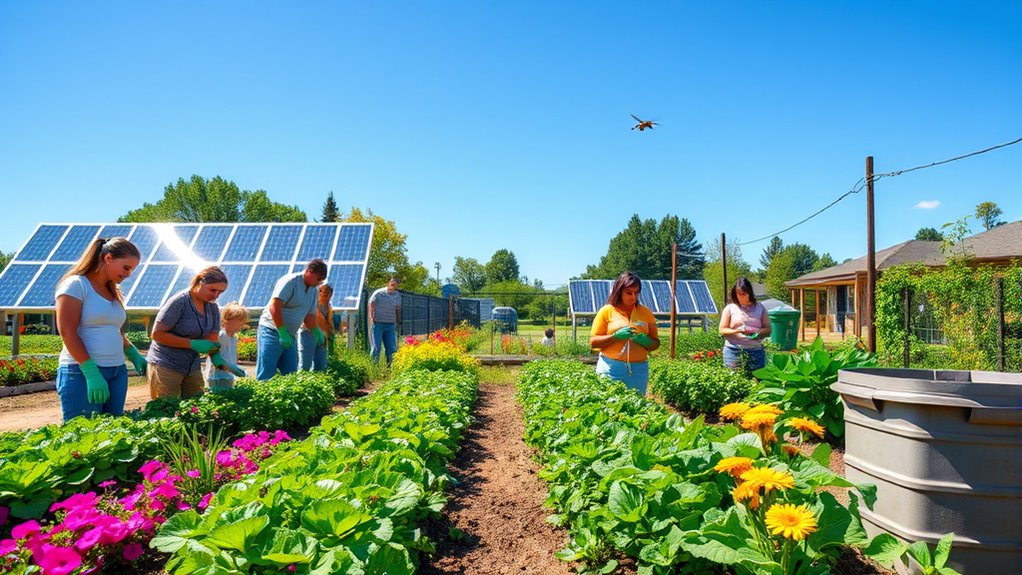

Searching for sustainable practices that truly make a difference? The best overall pick, The Sustainable Sites Handbook, offers comprehensive guidance on eco-friendly landscaping. For those focused on food, My Regenerative Kitchen presents practical plant-based recipes aligning with sustainability goals. Each option has tradeoffs: some excel in depth, others in ease of implementation or scope. Keep reading for a detailed comparison of these approaches, helping you find the best fit for your lifestyle and values.

Get garden gear delivered free — and shop member deals
- Fast, free delivery on millions of items
- Access to Prime Big Deal Days deals on October 6–7
- Prime Video, Amazon Music and more included
Complete the kit


Key Takeaways
- The top picks balance practicality with depth, offering both comprehensive guidance and accessible steps for sustainability.
- Many practices emphasize the importance of local, low-impact materials and methods to reduce carbon footprints.
- Differences in scope—landscaping, food, lifestyle—highlight that sustainability is multi-faceted and personalized.
- The best options often combine science-backed principles with cultural or community-based approaches for greater impact.
- Tradeoffs frequently involve complexity versus ease of adoption, with some choices requiring more expertise or investment.




| sustainable practice | Format | Pages | Language | ISBN |
|---|---|---|---|---|
| The Sustainable Sites Handbook | Hardcover | 432 | English | 9780470643559 |
| My Regenerative Kitchen: Plant | Paperback | 200 | English | 1645022544 |
| Sustainability Principles and | Paperback | 350 | English | 0367365219 |
| Centering Hope as a Sustainabl | Hardcover | 256 | English | 1793650918 |
| Your Earth Share: Seven Pathwa | Paperback | 150 | English | B0GWM4NYN4 |
| Wellbeing Rituals: Science-Bac | Paperback / eBook | 240 | English | 1394387229 |
| Sacred Actions: Living the Whe | Paperback / eBook | 180 | English | 0764361538 |
| Film Production Management 101 | Paperback / eBook | 350 | English | 1615933603 |
More Details on Our Top Picks
The Sustainable Sites Handbook: A Complete Guide to the Principles, Strategies, and Best Practices for Sustainable Landscapes
This handbook stands out for its detailed strategies and comprehensive coverage, making it an ideal resource for landscape architects and environmental designers committed to sustainable practices. Compared with broader sustainability books like Sustainability Principles and Practice, it offers more actionable guidance tailored specifically to landscapes. However, its depth might be overwhelming for casual readers or homeowners without professional design experience. The focus on principles and strategies makes it a valuable reference, but it lacks quick-start tips for beginners. This pick makes the most sense for those seeking an authoritative, in-depth manual for implementing sustainable landscapes in professional or serious personal projects.
Pros:- Provides in-depth strategies for sustainable landscape design
- Part of a reputable series on sustainable design principles
- Suitable for both professionals and dedicated enthusiasts
Cons:- No quick-reference or beginner-friendly content
- Lacks specific case studies or modern project examples
Best for: Landscape professionals, environmental designers, and sustainability students seeking detailed guidance.
Not ideal for: Casual gardeners or homeowners looking for simple, quick tips on sustainable landscaping.
- Format:Hardcover
- Pages:432
- Publisher:Wiley
- Publication Date:2013
- Language:English
- ISBN:9780470643559
Our verdict“Best suited for professionals and serious learners aiming to deepen their understanding of sustainable landscapes.”
My Regenerative Kitchen: Plant-Based Recipes and Sustainable Practices to Nourish Ourselves and the Planet
This book makes the most sense for those interested in integrating plant-based, regenerative practices into everyday eating, emphasizing environmental benefits alongside health. Unlike Your Earth Share, which outlines broad pathways, My Regenerative Kitchen dives into specific recipes and practical tips, although it doesn’t detail the techniques behind regenerative agriculture. Its focus on nourishing both body and planet aligns well with eco-conscious consumers, but those seeking extensive scientific explanations or diverse diet options might find it limiting. This choice is ideal for home cooks eager to reduce environmental impact through their diet without complex technical jargon.
Pros:- Focuses on sustainable, regenerative cooking practices
- Includes a variety of accessible plant-based recipes
- Encourages environmental consciousness in daily life
Cons:- Lacks detailed explanation of regenerative techniques
- Potentially limited appeal to non-vegans or omnivores
Best for: Home cooks committed to plant-based, regenerative eating and reducing their carbon footprint.
Not ideal for: People looking for detailed scientific data or non-plant-based dietary guidance.
- Format:Paperback
- Pages:200
- Publisher:Sustainable Living Press
- Publication Date:2022
- Language:English
- ISBN:1645022544
Our verdict“A practical guide for eco-conscious individuals eager to incorporate sustainable eating habits at home.”
Sustainability Principles and Practice
This book offers a wide-ranging overview of sustainability concepts, making it a solid choice for those new to the topic or seeking a foundational understanding. Compared to The Sustainable Sites Handbook, which is highly specialized, this title covers multiple industries and practical applications, making it more suitable for learners who want a broad perspective. Its practical examples are helpful, but the lack of detailed case studies or specific technical guidance limits its usefulness for advanced practitioners. It’s a good starting point for students and professionals exploring sustainability principles across sectors, though it might feel too general for those needing in-depth technical strategies.
Pros:- Wide-ranging coverage of sustainability principles
- Includes practical examples for real-world understanding
- Accessible language suitable for beginners
Cons:- No detailed specifications or advanced strategies
- Lacks depth for specialized or technical applications
Best for: Students, early-career professionals, or anyone seeking a comprehensive introduction to sustainability concepts.
Not ideal for: Experienced practitioners looking for detailed technical or industry-specific guidance.
- Format:Paperback
- Pages:350
- Publisher:Routledge
- Publication Date:2020
- Language:English
- ISBN:0367365219
Our verdict“Ideal for newcomers and learners seeking a broad, foundational understanding of sustainability practices.”
Centering Hope as a Sustainable Decolonial Practice: Esperanza en Práctica
This book offers a deep, theoretical exploration of hope as a sustainable decolonial practice, making it a valuable resource for scholars and practitioners involved in postcolonial studies or social justice work. Its focus on hope as a form of resilience and sustainability in decolonization efforts makes it quite different from more practical, lifestyle-oriented titles like Your Earth Share. However, its dense academic language and abstract concepts mean it may be inaccessible to casual readers or those new to decolonial theory. This pick suits those who want to engage with sustainability through a critical, cultural lens rather than immediate practical application.
Pros:- Provides in-depth analysis of hope in decolonial contexts
- Offers practical insights for applying hope in activism
- Contributes to critical discussions on sustainability and justice
Cons:- Highly dense and academic in tone
- Limited practical or immediate application guidance
Best for: Academics, decolonial scholars, and activists interested in theoretical frameworks for sustainable hope.
Not ideal for: Readers seeking quick, actionable steps for everyday sustainable living.
- Format:Hardcover
- Pages:256
- Publisher:Decolonial Studies Press
- Publication Date:2021
- Language:English
- ISBN:1793650918
Our verdict“Best suited for scholars and activists exploring sustainability through cultural and decolonial lenses.”
Your Earth Share: Seven Pathways to Sustainable Living
This book makes a compelling choice for those just starting their sustainability journey, offering seven clear pathways that cover practical steps for reducing environmental impact. Compared to the more academic Sustainability Principles and Practice, it simplifies complex ideas into accessible strategies suitable for beginners. Its focus on practical, everyday actions makes it approachable, but the lack of detailed scientific data or advanced topics means it’s less suitable for readers seeking technical depth. Overall, this book is ideal for individuals eager to make manageable changes without feeling overwhelmed by technical jargon or scientific complexity.
Pros:- Provides practical, easy-to-understand pathways to sustainability
- Accessible for beginners and those new to environmental topics
- Focuses on actionable strategies for daily living
Cons:- Lacks detailed scientific or technical information
- May not cover advanced or industry-specific sustainability practices
Best for: Beginners, students, and individuals interested in starting sustainable habits without technical overload.
Not ideal for: Advanced practitioners or environmental scientists seeking detailed scientific data or complex strategies.
- Format:Paperback
- Pages:150
- Publisher:Green Living Press
- Publication Date:2023
- Language:English
- ISBN:B0GWM4NYN4
Our verdict“A straightforward guide for newcomers eager to adopt sustainable habits in daily life.”
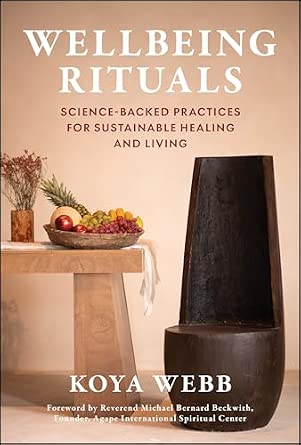
Wellbeing Rituals: Science-Backed Practices for Sustainable Healing and Living
This book stands out for translating scientific research into actionable rituals that promote sustainable healing, making it a valuable resource for those seeking a balanced lifestyle grounded in evidence. Unlike Sacred Actions, which emphasizes spiritual and cultural practices, this book prioritizes measurable health benefits, though it doesn’t delve into detailed scientific references, potentially limiting its depth for rigorous researchers. The focus on daily rituals makes it accessible for individuals looking to incorporate sustainable health habits without complex procedures. However, the emphasis on practical application means it requires a commitment to adapt routines over time, which might be a hurdle for busy readers. Overall, this pick makes the most sense for wellness seekers who want scientifically supported practices they can integrate easily into everyday life.
Pros:- Provides evidence-based wellness practices that are easy to implement
- Focuses on sustainable healing methods aligned with health outcomes
- Offers practical rituals suitable for daily routines
Cons:- Lacks detailed scientific references, which may reduce credibility for some
- Requires time and consistency to see meaningful results
Best for: Individuals interested in scientifically validated practices for personal health and sustainable healing
Not ideal for: Readers seeking deep scientific explanations or those preferring spiritual or ecological focus over personal wellbeing
- Author:Unknown
- Format:Paperback / eBook
- Pages:240
- Publication Year:2023
- Language:English
- ISBN:1394387229
Our verdict“This book is ideal for health-conscious individuals wanting scientifically supported routines to promote sustainable wellbeing.”
Sacred Actions: Living the Wheel of the Year Through Earth-Centered Sustainable Practices
Compared with the more health-focused Wellbeing Rituals, Sacred Actions offers a spiritual lens on sustainability by connecting ecological practices with the rhythm of the Wheel of the Year. It excels at guiding readers through earth-centered rituals that foster harmony with nature’s cycles, appealing to those who prioritize ecological spirituality. However, it falls short on providing technical or scientific details, which might disappoint readers seeking concrete environmental data or measurable outcomes. Its focus on spiritual and cultural practices makes it less suitable for individuals looking for practical, science-backed sustainability methods. This book makes the most sense for eco-conscious spiritual practitioners eager to deepen their connection with the land through meaningful actions rooted in tradition.
Pros:- Provides practical guidance on earth-centered, sustainable practices
- Aligns ecological actions with spiritual and cultural values
- Suitable for those interested in nature-based spirituality
Cons:- Lacks scientific or technical environmental data
- May appeal more to niche audiences interested in spiritual ecology
Best for: Spiritual individuals interested in integrating ecological awareness with cultural rituals
Not ideal for: Pragmatic or scientifically oriented sustainability advocates seeking technical guidance
- Author:Unknown
- Format:Paperback / eBook
- Pages:180
- Publication Year:2022
- Language:English
- ISBN:0764361538
Our verdict“This book is best suited for eco-spiritual practitioners looking to deepen their connection to natural cycles through meaningful rituals.”
Film Production Management 101: Production Management and Coordination in an Era of Respectful Workplace and Sustainable Practices
Standing apart from the previous two books, Film Production Management 101 offers a practical framework for integrating sustainability into a complex industry, emphasizing respectful workplace practices and eco-conscious production methods. It is particularly useful for aspiring or current production managers looking to incorporate sustainability into their workflows, contrasting with Wellbeing Rituals and Sacred Actions which focus more on individual or spiritual practices. Yet, the lack of detailed case studies or updated edition information may limit its immediate applicability or credibility for some readers. This pick makes the most sense for industry professionals eager to adopt responsible practices without sacrificing efficiency or creative control, especially in a landscape increasingly emphasizing ethical production.
Pros:- Offers comprehensive coverage of sustainable production management
- Focuses on respectful workplace practices, fostering inclusive environments
- Useful for both beginners and experienced professionals seeking current industry standards
Cons:- Limited details on specific sustainability initiatives or case studies
- No information on edition updates or recent industry changes
Best for: Film production professionals and managers aiming to embed sustainability and respectful workplace culture in their projects
Not ideal for: Casual filmmakers or those seeking basic production advice without a focus on sustainability or workplace ethics
- Author:Unknown
- Format:Paperback / eBook
- Pages:350
- Publication Year:2021
- Language:English
- ISBN:1615933603
Our verdict“This book is ideal for film industry professionals committed to sustainable and ethical production management practices.”

How We Picked
We evaluated these sustainable practices based on relevance, comprehensiveness, ease of implementation, and long-term impact. Practicality was key—products that provide clear, actionable steps scored higher, especially for beginners. We also prioritized practices rooted in proven science or traditional wisdom, ensuring they are both effective and culturally respectful. The ranking reflects a balance between depth of information and accessibility, helping readers of varying experience levels make informed decisions.| sustainable practice | Format | Publisher |
|---|---|---|
| The Sustainable Sites Handbook | Hardcover | Wiley |
| My Regenerative Kitchen: Plant | Paperback | Sustainable Living Press |
| Sustainability Principles and | Paperback | Routledge |
| Centering Hope as a Sustainabl | Hardcover | Decolonial Studies Press |
| Your Earth Share: Seven Pathwa | Paperback | Green Living Press |
| Wellbeing Rituals: Science-Bac | Paperback / eBook | — |
| Sacred Actions: Living the Whe | Paperback / eBook | — |
| Film Production Management 101 | Paperback / eBook | — |
Factors to Consider When Choosing Sustainable Practices
Choosing the right sustainable practice depends on your goals, resources, and lifestyle. Not all practices are equally accessible or scalable, so understanding broader factors can help you select the best approach. Consider how much time, money, or expertise you’re willing to invest, and whether your focus is on local impact, global climate change, or personal wellbeing. Being aware of common pitfalls—like choosing overly complex practices or ignoring cultural context—can save you frustration and maximize your positive impact.Scope and Focus
Identify whether your priority is landscape design, food, lifestyle habits, or community engagement. Some practices, like sustainable landscaping, are highly visible but may require significant effort and investment. Others, like adopting plant-based diets, are more accessible but may have different cultural or social considerations. Clarifying your focus helps target practices that align with your values and capabilities, making sustainability more achievable.
Ease of Implementation
Consider how much time, skill, or money you can dedicate. Some practices, like composting or local sourcing, are straightforward, while others—such as permaculture design—require more knowledge and planning. Choosing practices that match your current skills prevents discouragement and fosters consistent habits. Remember, incremental changes often lead to more sustainable long-term results than trying to overhaul everything at once.
Long-Term Impact
Assess how each practice contributes to larger environmental goals. For example, regenerative agriculture can sequester carbon and restore soil health, but may be less accessible for urban dwellers. In contrast, reducing single-use plastics in daily routines can have immediate benefits. Prioritizing practices with measurable, long-term benefits ensures your efforts lead to meaningful change over time.
Cultural and Community Relevance
Effective sustainability often integrates cultural traditions and community engagement. Practices that respect local ecosystems and cultural contexts tend to be more sustainable and accepted. Avoid adopting practices that feel disconnected from your environment or community, as this can reduce motivation or lead to ineffective implementation. Strive for approaches that resonate personally and socially.
Potential Tradeoffs
Every sustainable practice involves compromises. Some may require higher upfront costs or specialized knowledge, while others may have limited immediate impact but foster long-term habits. Be aware of these tradeoffs to set realistic expectations and avoid burnout. Balancing ambition with practicality is key to maintaining consistent, impactful efforts.
Frequently Asked Questions
How do I choose a sustainable practice that fits my budget?
Budget constraints are common, but many effective sustainable practices require minimal investment, such as reducing waste or conserving water. Focus on habits that can be adopted gradually, like switching to reusable products or composting. Prioritize practices that offer long-term savings and environmental benefits, and look for community programs or grants that can offset initial costs. Remember, small consistent actions often have significant cumulative impacts.
Can I implement multiple sustainable practices at once?
Yes, layering different practices can amplify your impact, but it’s wise to start with one or two manageable changes. Overloading yourself can lead to burnout or frustration, especially if practices are complex or time-consuming. Gradually adding new habits allows you to build confidence and integrate sustainability into your routine more effectively. Focus on practices that complement each other for maximum benefit.
Are sustainable practices suitable for urban environments?
Many sustainable practices are highly adaptable to urban settings, such as rooftop gardens, composting in small spaces, or reducing energy use. Urban environments often present unique challenges, like limited space or higher pollution, but also opportunities for community-based initiatives. Selecting practices that suit your space and community context increases the likelihood of long-term adoption and meaningful impact.
How do I measure the effectiveness of my sustainable efforts?
Tracking your progress can be simple, like monitoring waste reduction or energy savings. Some practices have specific metrics, such as carbon footprint calculators or soil health tests. Regular reflection on your habits and their results helps maintain motivation and identify areas for improvement. Remember, even small improvements contribute to larger environmental goals over time.
What are common mistakes to avoid when adopting sustainable practices?
Avoid choosing practices that are overly complex or disconnected from your daily life, as this can lead to abandonment. Overcommitting can cause burnout, so start small and build gradually. Ignoring local context or cultural relevance can reduce effectiveness and acceptance. Lastly, neglecting to evaluate your efforts means missing opportunities to improve and stay motivated—regular reflection is key.
Conclusion
For those seeking a comprehensive, practical approach, The Sustainable Sites Handbook stands out as the best overall choice for sustainable landscaping enthusiasts and professionals. Budget-conscious readers will appreciate the simplicity and accessibility of practices like waste reduction and local sourcing. Beginners should start with easy habits like conserving water or reducing plastic use, while those with specific environmental or cultural goals may find practices like regenerative agriculture or earth-centered rituals more aligned. Ultimately, the best practice depends on your unique circumstances and commitment level—choose wisely to make a lasting impact.
Fall yard work Picks
leaf blowers
As an affiliate, we earn on qualifying purchases.