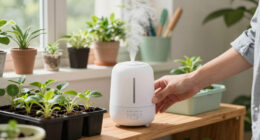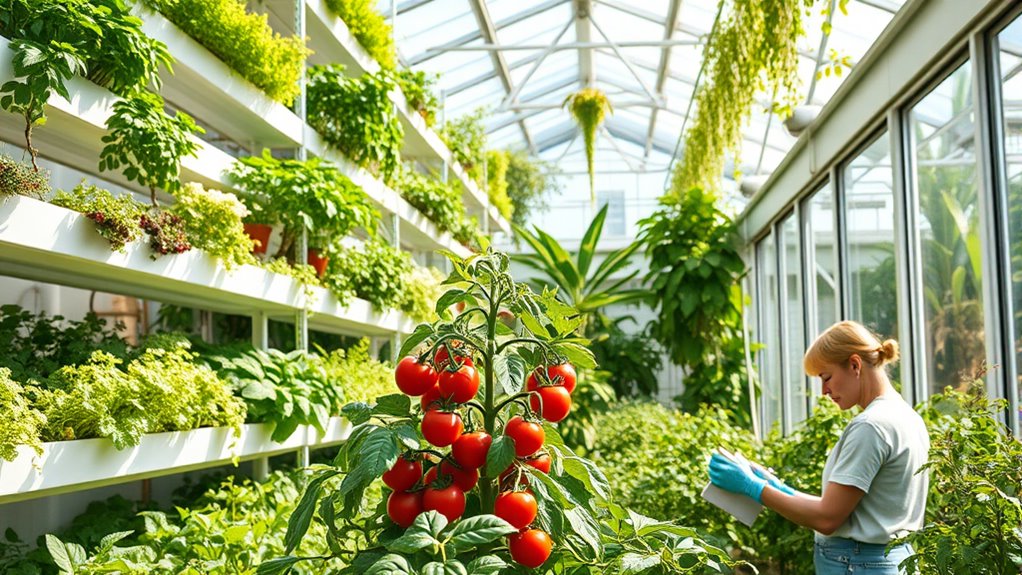

Finding the right urban greenhouse solution involves balancing cost, space, energy efficiency, and ease of use. The Greenhouse Gardening Solution stands out as the best overall for its versatility and user-friendly design. For those prioritizing sustainability, the Year-Round Solar Greenhouse offers impressive net-zero energy features. Budget-conscious gardeners may prefer the Absolute Beginner’s Blueprint for its affordability and straightforward setup. However, tradeoffs include considerations like energy consumption, complexity, and space requirements. Keep reading for a detailed look at these options and how to choose the best fit for your urban gardening goals.

Get garden gear delivered free — and shop member deals
- Fast, free delivery on millions of items
- Access to Prime Big Deal Days deals on October 6–7
- Prime Video, Amazon Music and more included
Complete the kit


Key Takeaways
- The top picks balance energy efficiency with ease of setup, making them suitable for a variety of urban spaces.
- Cost and complexity are the main tradeoffs; more advanced systems tend to be more sustainable but require more investment and knowledge.
- Versatility — whether for vegetables, herbs, or flowers — varies widely, influencing which solution is best for different gardeners.
- Automation features are increasingly common in premium options, simplifying year-round gardening in small spaces.
- Most solutions excel in maximizing vertical space and light, crucial factors in limited urban environments.
| The Earth Sheltered Solar Greenhouse Book |  | Best for Eco-Conscious DIY Enthusiasts | Focus: Earth-sheltered solar greenhouses | Application: Sustainable gardening | VIEW ON AMAZON | See Our Full Breakdown | |
| The Complete Guide to Hydroponics: Year-Round Harvests with Practical Techniques and Creative Solutions for Visually Stunning Urban Gardens |  | Best for Urban Gardeners Wanting Year-Round Hydroponics | Type: Hydroponic gardening | Focus: Visual appeal and year-round harvests | VIEW ON AMAZON | See Our Full Breakdown | |
| Step by Step Greenhouse Gardening for Beginners |  | Best for Complete Greenhouse Greenhorns | Approach: DIY, beginner-friendly | Focus: Year-round growing in any space | VIEW ON AMAZON | See Our Full Breakdown | |
| The Greenhouse Gardening Solution: How to Build and Use a Greenhouse for Year-Round Growing |  | Best for Practical Greenhouse Builders | Application: DIY greenhouse construction | Main Benefit: Season extension | VIEW ON AMAZON | See Our Full Breakdown | |
| The Greenhouse Gardener’s Bible: Complete Guide to Year-Round Vegetable, Fruit, and Herb Growing |  | Best for Comprehensive Year-Round Cultivation | Coverage: Vegetables, fruits, herbs | Methods: Raised beds, hydroponics, companion planting | VIEW ON AMAZON | See Our Full Breakdown | |
| The Absolute Beginner’s Blueprint to Greenhouse Gardening: Build, Plant, and Grow Vegetables, Herbs, Fruits, and Flowers Year-Round |  | Best for Complete Beginners | Suitable for: Beginners with no prior experience | Coverage: Building, planting, and year-round gardening | Format: Printed book | VIEW ON AMAZON | See Our Full Breakdown |
| The Year-Round Solar Greenhouse: How to Design and Build a Net-Zero Energy Greenhouse |  | Best for Eco-Conscious DIYers | Focus: Net-zero energy greenhouse design | Appropriate skill level: Intermediate to advanced DIY | Construction details: Energy-efficient methods | VIEW ON AMAZON | See Our Full Breakdown |
| The Complete Beginner’s Guide to Greenhouse Gardening: A Month-by-Month Planting Book to Grow 365 Days a Year |  | Best for Organized Year-Round Growers | Coverage: Monthly planting schedules | Target audience: Beginners | Focus: Year-round planting | VIEW ON AMAZON | See Our Full Breakdown |
| Greenhouse Gardening: How to Build a Greenhouse and Grow Vegetables, Herbs and Fruit All Year-Round (Urban Homesteading) |  | Best for Urban Homesteaders | Target audience: Urban homesteaders | Focus: Construction and season extension | Content: Building and gardening tips | VIEW ON AMAZON | See Our Full Breakdown |
| Smart Greenhouse for Beginners: A Practical Guide of Building, Automating, and Growing Efficient Greenhouse Systems |  | Best for Tech-Savvy Beginners | Focus: Automation and efficiency | Skill level: Beginner | Construction guidance: Practical tips | VIEW ON AMAZON | See Our Full Breakdown |
| The Forest Garden Greenhouse: How to Design and Manage an Indoor Permaculture Oasis |  | Best for Sustainable Indoor Permaculture Design | Focus: Indoor permaculture gardening | Skill Level: All skill levels | Content Type: Practical management tips | VIEW ON AMAZON | See Our Full Breakdown |
| urban greenhouse solution | Focus |
|---|---|
| The Earth Sheltered Solar Gree | Earth-sheltered solar greenhouses |
| The Complete Guide to Hydropon | Visual appeal and year-round harvests |
| Step by Step Greenhouse Garden | Year-round growing in any space |
| The Greenhouse Gardening Solut | — |
| The Greenhouse Gardener’s Bibl | — |
| The Absolute Beginner’s Bluepr | Step-by-step instructions |
| The Year-Round Solar Greenhous | Net-zero energy greenhouse design |
| The Complete Beginner’s Guide | Year-round planting |
| Greenhouse Gardening: How to B | Construction and season extension |
| Smart Greenhouse for Beginners | Automation and efficiency |
| The Forest Garden Greenhouse: | Indoor permaculture gardening |
More Details on Our Top Picks
The Earth Sheltered Solar Greenhouse Book
This book stands out for its focus on earth-sheltered solar greenhouse design, making it ideal for those committed to sustainable, eco-friendly gardening. Unlike typical guides that emphasize traditional greenhouses, this resource dives deep into earth-sheltered techniques, which can significantly reduce energy costs and environmental impact. However, it doesn’t offer specific product recommendations or technical specs, which may leave DIYers needing to seek additional resources. Its comprehensive approach makes it especially suitable for eco-minded gardeners willing to invest time in custom building. The lack of reviews and concrete specifications means it’s better suited for those with some background in green building or willing to experiment.
Pros:- Focuses on eco-friendly, earth-sheltered greenhouse principles
- Provides detailed guidance on sustainable construction techniques
- Ideal for environmentally-minded gardeners seeking long-term energy savings
Cons:- No specific product features or technical specifications provided
- Lacks customer reviews or real-world testing data
- Requires prior knowledge or supplementary resources for implementation
Best for: Eco-conscious homeowners interested in sustainable, earth-sheltered greenhouse projects
Not ideal for: Beginners seeking step-by-step product recommendations or quick setup solutions
- Focus:Earth-sheltered solar greenhouses
- Application:Sustainable gardening
Our verdict“This book is best for environmentally conscious DIYers willing to explore earth-sheltered greenhouses from a design perspective rather than ready-to-build solutions.”
The Complete Guide to Hydroponics: Year-Round Harvests with Practical Techniques and Creative Solutions for Visually Stunning Urban Gardens
This book excels at providing practical, creative hydroponic techniques that help urban dwellers achieve continuous harvests, a step up from more general guides like The Greenhouse Gardener’s Bible. Unlike traditional soil-based methods, hydroponics allows for space-efficient, soil-free growing—perfect for compact urban settings. Still, it offers no specific product details or equipment recommendations, which could leave readers needing to research further for installation. It’s ideal for gardeners seeking visually appealing, productive urban gardens all year, but those wanting a quick, plug-and-play system might find it too broad or theoretical.
Pros:- Offers practical, creative hydroponic techniques
- Focuses on creating visually stunning, space-efficient gardens
- Supports year-round harvesting regardless of climate constraints
Cons:- Lacks specific product or equipment recommendations
- No detailed technical specs for hydroponic systems
- Requires additional research for setup and maintenance
Best for: Urban gardeners seeking innovative hydroponic solutions for year-round vegetable and flower production
Not ideal for: Beginners who prefer ready-to-use kits or detailed hardware specifications
- Type:Hydroponic gardening
- Focus:Visual appeal and year-round harvests
Our verdict“Ideal for urban growers ready to experiment with hydroponics for continuous, attractive harvests, but not suited for those seeking quick, detailed hardware guidance.”
Step by Step Greenhouse Gardening for Beginners
This guide makes a strong case for newcomers wanting to set up a greenhouse with minimal fuss, emphasizing DIY setup and eco-friendly practices. Compared to more comprehensive guides like The Greenhouse Gardening Solution, it simplifies the process, making it accessible for complete beginners. However, it doesn’t provide detailed specifications or product recommendations, which might leave some wanting more technical guidance for specific greenhouse models. It’s best suited for hobbyists eager to start growing in any space, but those seeking detailed construction plans or advanced techniques may find it lacking.
Pros:- Simple, easy DIY instructions for beginners
- Eco-friendly gardening advice integrated into setup
- Supports year-round plant growth in any location
Cons:- No specific product or material details provided
- Lacks technical specifications or detailed step-by-step construction plans
- No customer reviews or ratings available
Best for: Beginners and hobbyists looking for a straightforward, eco-friendly greenhouse setup
Not ideal for: Experienced gardeners or those wanting detailed product specifications and building plans
- Approach:DIY, beginner-friendly
- Focus:Year-round growing in any space
Our verdict“Perfect for greenhorns starting their first greenhouse project with a focus on eco-friendly, simple setup.”
The Greenhouse Gardening Solution: How to Build and Use a Greenhouse for Year-Round Growing
This guide offers hands-on instructions for constructing a greenhouse and extending the growing season, making it a good choice for those interested in active building rather than just buying a pre-made structure. Unlike The Earth Sheltered Solar Greenhouse Book, which emphasizes sustainable design, this book concentrates on practical construction and season extension, suitable for both beginners and experienced gardeners. However, it doesn’t include specific materials or detailed project plans, which could leave some needing to research further. It’s ideal for gardeners eager to learn the principles of greenhouse construction and year-round gardening but may fall short for those seeking detailed, ready-to-assemble solutions.
Pros:- Provides clear, step-by-step building instructions
- Focuses on extending growing seasons for various plants
- Suitable for both beginners and experienced gardeners
Cons:- No specific materials or product details included
- Limited focus on pre-made greenhouse options
- Requires additional research for actual construction materials
Best for: Gardeners wanting to learn the basics of building and using a greenhouse for extended seasons
Not ideal for: Those seeking ready-to-install greenhouse kits or detailed material lists
- Application:DIY greenhouse construction
- Main Benefit:Season extension
Our verdict“A good choice for gardeners who prefer to build their own greenhouse and extend their growing season from scratch.”
The Greenhouse Gardener’s Bible: Complete Guide to Year-Round Vegetable, Fruit, and Herb Growing
This extensive guide covers a broad spectrum of gardening techniques, from raised beds to hydroponics, making it a valuable resource for those who want versatility in their greenhouse endeavors. Compared to specialized books like The Complete Guide to Hydroponics, it offers a more holistic approach, suitable for gardeners who want to diversify their planting methods. However, its broad scope means it lacks specific product recommendations or detailed technical specs, which might frustrate those seeking precise, step-by-step instructions for particular systems. It’s best for gardeners who enjoy exploring multiple techniques for year-round productivity but less ideal for those needing focused, niche guidance.
Pros:- Covers a wide range of gardening techniques and methods
- Supports year-round vegetable, fruit, and herb production
- Suitable for both beginners and experienced growers
Cons:- Lacks specific product features or technical details
- Broad scope may be overwhelming for specialized needs
- Content is less focused on physical greenhouse setup
Best for: Gardeners seeking a versatile, all-in-one manual for year-round vegetable, fruit, and herb growing
Not ideal for: Those looking for detailed, system-specific technical specifications or quick-start guides
- Coverage:Vegetables, fruits, herbs
- Methods:Raised beds, hydroponics, companion planting
Our verdict“This book is ideal for versatile gardeners who want to explore multiple year-round cultivation techniques in one resource.”
The Absolute Beginner’s Blueprint to Greenhouse Gardening: Build, Plant, and Grow Vegetables, Herbs, Fruits, and Flowers Year-Round
This book stands out for its thorough, step-by-step approach tailored specifically for those new to greenhouse gardening. Unlike the more technical The Year-Round Solar Greenhouse, which emphasizes energy-efficient design, this guide simplifies the process, making it accessible without prior experience. The focus on building and planting basics provides a solid foundation, though it lacks detailed technical specs or material recommendations. It’s an ideal starting point for hobbyists eager to learn the fundamentals but may leave more advanced growers seeking deeper technical insights.
Pros:- Clear, easy-to-follow instructions suitable for complete novices
- Covers all essential steps from building to planting in one resource
- Encourages year-round gardening with practical tips
Cons:- Lacks specific suggestions for greenhouse materials or technical specifications
- No customer ratings or reviews to gauge effectiveness
- Content may be too basic for experienced gardeners
Best for: Absolute beginners with no prior gardening or construction experience who want a straightforward, comprehensive starter guide.
Not ideal for: Experienced gardeners or those seeking technical design details and advanced greenhouse systems, as the book offers limited technical depth.
- Suitable for:Beginners with no prior experience
- Coverage:Building, planting, and year-round gardening
- Format:Printed book
- Skill level:Beginner
- Focus:Step-by-step instructions
- Includes:Basic building and planting tips
Our verdict“This guide is best for absolute beginners wanting a straightforward introduction to greenhouse gardening without technical complexities.”
The Year-Round Solar Greenhouse: How to Design and Build a Net-Zero Energy Greenhouse
This book excels in guiding those interested in combining sustainability with greenhouse design, offering detailed instructions on creating a net-zero energy structure. Compared to the more general Greenhouse Gardening, which focuses on cultivation, this title emphasizes solar design and energy efficiency, making it ideal for readers with some DIY experience or interest in green technology. Its focus on renewable energy systems requires prior knowledge of solar principles, which could be a barrier for complete novices. Still, it provides invaluable insights for eco-minded gardeners wanting to minimize energy costs long-term.
Pros:- In-depth guidance on designing solar-powered greenhouses
- Focus on sustainable, energy-efficient construction methods
- Suitable for those with basic DIY skills and interest in green energy
Cons:- Requires prior understanding of solar and construction basics
- No specific product features or technical specs listed
- Potentially complex for complete novices
Best for: DIY enthusiasts interested in sustainable design and renewable energy integration in greenhouse construction.
Not ideal for: Beginners without a background in solar power or construction, as the book assumes some technical knowledge.
- Focus:Net-zero energy greenhouse design
- Appropriate skill level:Intermediate to advanced DIY
- Construction details:Energy-efficient methods
- Sustainability:High
- Includes:Design plans and energy principles
- Format:Printed book
Our verdict“This book is ideal for environmentally conscious DIYers ready to incorporate solar energy into their greenhouse projects but not suited for absolute beginners without technical background.”
The Complete Beginner’s Guide to Greenhouse Gardening: A Month-by-Month Planting Book to Grow 365 Days a Year
This book offers a detailed month-by-month schedule tailored for beginners eager to sustain a continuous harvest. Unlike Greenhouse Gardening, which covers building basics, this guide zeroes in on planting timelines and seasonal tips, making it perfect for urban homesteaders planning a structured approach. While it provides clear schedules, it lacks specific technical or plant-specific details that more advanced growers might crave. Its content is highly accessible but limited to beginners focusing on organized, year-round planting schedules.
Pros:- Clear, easy-to-follow monthly planting schedules
- Supports year-round urban gardening efforts
- Ideal for beginners wanting structured guidance
Cons:- Limited technical or plant-specific details
- No ratings or reviews available for validation
- Content is primarily scheduling, not technical depth
Best for: Urban growers who want a straightforward, organized plan to grow year-round with minimal technical complexity.
Not ideal for: Experienced gardeners seeking detailed technical advice or advanced cultivation techniques, since the book mainly offers scheduling guidance.
- Coverage:Monthly planting schedules
- Target audience:Beginners
- Focus:Year-round planting
- Format:Printed book
- Skill level:Beginner
- Special features:Monthly calendar
Our verdict“This guide is best for beginner urban gardeners seeking a simple, month-by-month plan to maintain year-round productivity without technical complexity.”
Greenhouse Gardening: How to Build a Greenhouse and Grow Vegetables, Herbs and Fruit All Year-Round (Urban Homesteading)
This book provides comprehensive instructions on building and maintaining greenhouses tailored for urban homesteaders aiming to extend growing seasons. Compared with The Absolute Beginner’s Blueprint, it emphasizes practical construction and season extension, making it suitable for those with some gardening experience but less for absolute novices. Its detailed building guidance supports urban farmers seeking to maximize small spaces, though it lacks specific technical specs or advanced automation features. It’s a strong choice for homesteaders focused on self-sufficiency and year-round food production.
Pros:- Detailed instructions on constructing practical greenhouses
- Helps extend growing seasons for vegetables, herbs, and fruit
- Ideal for urban homesteaders aiming for self-sufficiency
Cons:- No specific technical specifications provided
- Requires some prior gardening or construction knowledge
- Limited focus on automation or energy efficiency
Best for: Urban homesteaders with some gardening experience looking to extend their season and improve their self-sufficient food production.
Not ideal for: Complete beginners or those seeking detailed automation or energy-efficient design, as the focus is on basic construction and season extension.
- Target audience:Urban homesteaders
- Focus:Construction and season extension
- Content:Building and gardening tips
- Appropriate skill level:Intermediate
- Supports:Year-round cultivation
- Format:Printed book
Our verdict“This book suits urban homesteaders wanting practical building guidance and season extension, but may fall short for those seeking technical or automated systems.”
Smart Greenhouse for Beginners: A Practical Guide of Building, Automating, and Growing Efficient Greenhouse Systems
This guide makes automation and system efficiency accessible to newcomers interested in modern greenhouse tech. Unlike The Absolute Beginner’s Blueprint, which avoids technical details, this book emphasizes automation, climate control, and building efficient systems, making it suitable for those comfortable with basic DIY tasks. However, it provides limited technical specifications and may be too basic for advanced growers seeking in-depth automation strategies. It’s most valuable for beginners eager to incorporate simple automation to improve productivity and control.
Pros:- Focuses on automation and efficiency for beginners
- Practical tips for building and maintaining manageable systems
- Helps new growers optimize plant growth environments
Cons:- Lacks detailed technical specifications or advanced automation details
- Content may be too basic for experienced growers
- No reviews or pricing info available
Best for: Tech-savvy beginners wanting practical automation tips and efficient greenhouse setup without complex technical jargon.
Not ideal for: Complete novices or those seeking detailed technical specifications and advanced automation features, as the content remains at a basic level.
- Focus:Automation and efficiency
- Skill level:Beginner
- Construction guidance:Practical tips
- Includes:System building and growing tips
- Approach:Hands-on, practical
- Format:Printed book
Our verdict“This book is ideal for beginners interested in simple automation and efficiency, but not suited for those seeking detailed technical guidance.”
The Forest Garden Greenhouse: How to Design and Manage an Indoor Permaculture Oasis
This book stands out for its comprehensive approach to creating sustainable and productive indoor garden environments through permaculture principles. Unlike more technical guides like The Complete Guide to Hydroponics, it emphasizes ecological harmony and long-term management, making it ideal for hobbyists and urban gardeners seeking a natural, low-maintenance system. However, it lacks specific product features or technical specs, which means it’s less helpful for those looking for detailed build instructions or automation solutions. This focus on sustainable management makes it perfect for gardeners who prioritize ecological balance over high-tech setups, but it may disappoint those seeking quick, technical how-to guides for immediate greenhouse construction.
Pros:- Provides a thorough overview of permaculture principles tailored for indoor environments
- Includes practical tips for sustainable greenhouse management
- Encourages ecological balance and long-term productivity
- Suitable for all skill levels, from hobbyists to experienced gardeners
Cons:- Lacks specific technical details or step-by-step construction instructions
- Content may be too conceptual for those seeking quick, DIY build guides
Best for: Urban gardeners interested in designing eco-friendly, self-sustaining indoor green spaces with a focus on permaculture.
Not ideal for: Readers who want detailed technical instructions or automation guides for building a commercial or high-tech greenhouse.
- Focus:Indoor permaculture gardening
- Skill Level:All skill levels
- Content Type:Practical management tips
- Design Approach:Ecological sustainability
Our verdict“This book makes the most sense for urban gardeners committed to sustainable, low-impact greenhouse practices rather than technical construction or automation.”

How We Picked
These products were evaluated based on several key criteria: performance in limited spaces, energy efficiency, ease of installation, cost, versatility in growing options, and features that support year-round gardening. We prioritized solutions that are accessible for urban dwellers—whether beginners or experienced gardeners—while also considering long-term sustainability and maintenance. The ranking reflects a balance between affordability and advanced features, aiming to guide a broad range of users from novice to expert. Products were compared for their innovation, durability, and how well they address typical urban challenges like limited space and light availability.Factors to Consider When Choosing Urban Greenhouse Solutions
Choosing the right urban greenhouse solution involves more than just picking the most feature-rich option. It’s essential to consider your space constraints, energy needs, budget, and gardening goals. Well-informed decisions can prevent costly mistakes and help you enjoy year-round growth. This guide highlights the most critical factors to evaluate before making your purchase, helping you find a greenhouse that matches your lifestyle and environment.Space Requirements and Layout
Urban gardens often face space limitations, so selecting a greenhouse that fits your available area is vital. Consider whether you need a compact, vertical design or a larger structure for diverse crops. Modular and foldable options can maximize flexibility, but may compromise on durability or insulation. Measure your space carefully and think about future expansion to avoid overcrowding or inadequate light exposure.
Energy Efficiency and Sustainability
Energy consumption can be a significant concern, especially in colder months. Look for solutions with insulation, solar integration, or passive heating features. Greenhouses designed with energy efficiency in mind reduce utility costs and environmental impact. However, more sustainable systems often come with higher upfront costs and complex installation, so weigh these factors based on your budget and commitment to eco-friendly gardening.
Ease of Installation and Maintenance
Some systems are DIY-friendly, while others require professional setup. Consider your skills and available time, as complex automated systems may need ongoing maintenance. A simpler design may lack advanced features but can be more reliable and easier to manage long-term. Balancing convenience with functionality is key to ensuring your greenhouse remains a productive space without becoming a burden.
Cost and Long-term Value
Budget considerations influence many purchasing decisions, but the cheapest option isn’t always the best long-term investment. Higher-quality materials and better insulation can save money on heating and repairs over time. Think about your budget, but also evaluate potential savings and productivity improvements. Sometimes paying more upfront results in a more sustainable and hassle-free gardening experience.
Versatility and Growing Options
Different greenhouses support different types of plants—from vegetables and herbs to flowers and tropical species. Consider your gardening ambitions and whether the solution allows for customization, such as adjustable shelving or removable panels. A highly versatile greenhouse can adapt to your evolving needs, but specialized systems may sacrifice some flexibility for optimized conditions for specific crops.
Frequently Asked Questions
Can I install a greenhouse in a small balcony or rooftop?
Yes, many urban greenhouses are designed specifically for small spaces like balconies or rooftops. Compact, vertical, and foldable options are ideal for maximizing limited space while providing sufficient light and airflow. Be sure to check local building codes or restrictions before installation, and consider the weight capacity of your balcony or rooftop structure. A well-chosen small greenhouse can transform a tiny outdoor area into a productive garden.
How much energy will my greenhouse use in winter?
Energy use depends heavily on the design and insulation quality of your greenhouse. Well-insulated structures with passive heating features or solar integration will consume less energy, making them more sustainable and cost-effective. Conversely, less insulated models may require supplemental heating, increasing utility costs. Planning for energy efficiency from the start can significantly reduce ongoing expenses and environmental impact.
Are automated systems worth the extra cost?
Automated systems can greatly simplify year-round gardening by controlling watering, temperature, and light, especially in small or less accessible spaces. They save time and reduce manual effort, which is beneficial for busy or inexperienced gardeners. However, these systems add to initial costs and may require troubleshooting. Evaluate your budget and gardening frequency before investing heavily in automation, and consider starting with simpler setups.
What materials are best for durability in an urban environment?
Materials like galvanized steel, tempered glass, or high-quality polycarbonate tend to withstand urban conditions better, resisting corrosion, UV damage, and impact. Avoid cheap plastics or fragile frames that can degrade quickly. Investing in durable materials reduces maintenance costs and prolongs the lifespan of your greenhouse, making it a worthwhile consideration for urban spaces where exposure to pollution or weather can be more intense.
How do I prevent pests and diseases in a small greenhouse?
Maintaining good airflow, regular cleaning, and using pest-proof screens are key to controlling pests and diseases. Choose a greenhouse with sealed ventilation or removable panels for easy cleaning. Implementing integrated pest management practices and monitoring plants frequently will help catch issues early. A well-maintained, pest-resistant structure supports healthier plants and reduces the need for chemical interventions.
Conclusion
For those seeking an all-around reliable solution, the Greenhouse Gardening Solution offers a balanced mix of ease of use, energy efficiency, and adaptability. Budget-conscious gardeners will appreciate the Absolute Beginner’s Blueprint for its affordability and straightforward design. If sustainability is a priority, the Year-Round Solar Greenhouse provides impressive energy-saving features, though at a higher initial cost. Beginners or small-space gardeners should focus on compact, user-friendly models, while experienced growers might explore advanced automation or custom designs. Ultimately, your choice should align with your space, budget, and gardening ambitions to ensure year-round urban success.Fall Picks
fall essentials
As an affiliate, we earn on qualifying purchases.