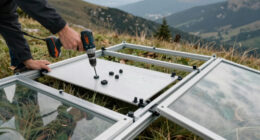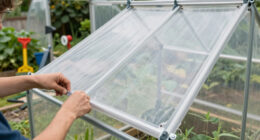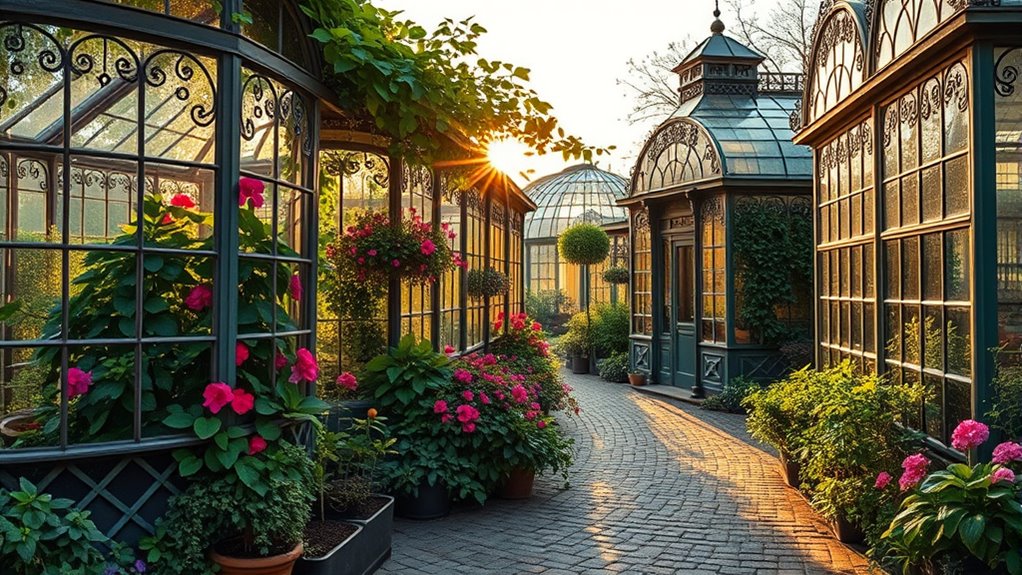

Victorian greenhouse architecture embodies the charm and intricate detailing of 19th-century design, blending elegance with functionality. The best options range from authentic historic plans to modern recreations, each suited to different needs and budgets. Choosing the right Victorian greenhouse architecture involves balancing historical accuracy, materials, size, and intended use. Some designs prioritize aesthetic authenticity, while others focus on durability and ease of construction. The main tradeoffs often come down to cost, complexity, and how closely you want to replicate historic styles. Keep reading for a detailed breakdown of the top choices and what makes each unique.

Get garden gear delivered free — and shop member deals
- Fast, free delivery on millions of items
- Access to Prime Big Deal Days deals on October 6–7
- Prime Video, Amazon Music and more included
Complete the kit


Key Takeaways
- Authentic historic plans provide the most accurate Victorian style but often require more complex construction and higher costs.
- Modern adaptations and recreations offer easier installation and lower maintenance, making them ideal for DIY enthusiasts.
- Materials like iron and glass define the Victorian aesthetic, but choosing between them impacts durability and price.
- Design details such as decorative trims and ornate windows are key to capturing Victorian charm, but may add to construction complexity.
- The best choices balance historical fidelity with practical considerations like budget, size, and intended use.



| victorian greenhouse architecture | Format | Pages | Publication Year | Language |
|---|---|---|---|---|
| Victorian Wooden and Brick Hou | Hardcover | 240 | 2005 | English |
| Greenhouses: Cathedrals for Pl | Paperback | 320 | 2018 | English |
| Glass Houses: A History of Gre | Hardcover | 280 | 2010 | English |
| Conservatory Style: Garden Roo | Paperback | 192 | 2003 | English |
| Abandoned Greenhouses & Glass | Hardcover | 144 | 2022 | English |
| Victorian Architecture: Origin | Hardcover | 192 | 2006 | — |
| Sectional Iron Frame Greenhous | Paperback | 156 | 2020 | — |
| Country Architecture: Old-Fash | Softcover | 144 | 2001 | — |
| Victorian House Designs in Aut | Hardcover | 80 | 1992 | — |
| Victorian Architectural Detail | Hardcover | 560 | 2010 | — |
| Victorian Domestic Architectur | Printed book | — | — | English |
More Details on Our Top Picks
Victorian Wooden and Brick Houses with Details (Dover Architecture)
This book stands out for its detailed illustrations and rich historical insights into Victorian-era residential architecture, making it an ideal resource for understanding the architectural context of Victorian greenhouses. Unlike the more design-focused Conservatory Style, which offers practical construction tips, this volume provides a deep dive into the aesthetic and structural details that define Victorian houses. However, its lack of specific technical data means it isn’t suitable for someone planning a modern greenhouse build. If your interest lies in the architectural history and ornamental details of Victorian structures, this book offers invaluable context. It’s less useful for practical greenhouse construction or contemporary design trends.
Pros:- Rich illustrations of Victorian architectural details
- Provides historical insights into Victorian residential design
- Ideal for understanding the aesthetic context of Victorian greenhouses
Cons:- Does not include technical specifications or building guides
- Limited practical information for construction or design implementation
Best for: History buffs, architecture students, or Victorian design enthusiasts seeking detailed historical context.
Not ideal for: DIY gardeners or modern greenhouse builders looking for technical instructions or construction details.
- Format:Hardcover
- Pages:240
- Illustrations:Over 150 detailed drawings
- Publication Year:2005
- Language:English
- Subject:Victorian architecture and design
Our verdict“This book is best suited for those interested in the historical and stylistic aspects of Victorian architecture rather than practical greenhouse construction.”
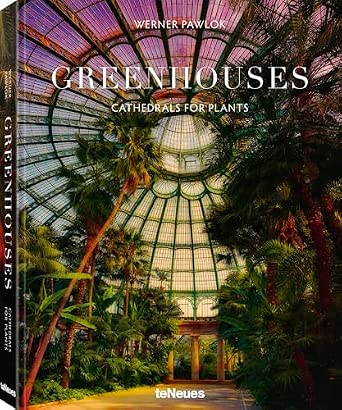
Greenhouses: Cathedrals for Plants
This comprehensive guide excels at explaining the design principles and construction methods behind various greenhouse types, making it a practical choice next to the more historically focused Glass Houses. While Glass Houses offers a historical perspective, this book provides actionable insights into creating efficient, functional greenhouses tailored to specific plant needs. Its detailed coverage of materials and climate control solutions makes it more suited for those actually building or maintaining greenhouses. However, its focus on theory and design may overwhelm beginners seeking straightforward instructions.
Pros:- In-depth coverage of greenhouse design and construction
- Suitable for both beginners and experienced gardeners
- Explains how to optimize environments for plant growth
Cons:- Lacks detailed product specifications or technical drawings
- Content can be overly theoretical for some users
- No pricing or rating info provided
Best for: Gardeners, landscape architects, or DIY enthusiasts interested in constructing or improving greenhouses for plant health.
Not ideal for: Architectural historians or those solely interested in the aesthetic history of glass houses, as it lacks historical context.
- Format:Paperback
- Pages:320
- Coverage:Design, construction, plant environments
- Author:G. M. Williams
- Publication Year:2018
- Language:English
Our verdict“This guide makes the most sense for practical greenhouse builders looking for design and efficiency tips rather than historical or aesthetic details.”
Glass Houses: A History of Greenhouses, Orangeries and Conservatories
This book provides a comprehensive historical overview of the evolution of glass houses, making it a compelling read for those interested in the cultural significance of Victorian conservatories. Unlike the more design-focused Conservatory Style, which offers practical tips, this volume delves into the history and architecture that shaped the development of glass structures. While it offers deep insights into architectural styles and historical context, it offers little guidance on technical or modern construction methods. If your goal is to understand the origins and cultural importance of Victorian glass architecture, this book is ideal, but it isn’t suited for hands-on building projects.
Pros:- Thorough historical and cultural analysis
- Well-researched with detailed historical context
- Ideal for enthusiasts of Victorian architecture and horticulture history
Cons:- No practical or technical building information
- Limited relevance for modern construction or design
Best for: History enthusiasts, architecture scholars, or Victorian culture aficionados interested in the historical development of glass structures.
Not ideal for: DIY builders or modern greenhouse practitioners seeking technical or step-by-step construction advice.
- Format:Hardcover
- Pages:280
- Illustrations:Historic photographs and drawings
- Publication Year:2010
- Language:English
- Subject:History of greenhouses and conservatories
Our verdict“This book is best suited for those seeking an in-depth understanding of the historical and cultural significance of Victorian greenhouses rather than construction guidance.”
Conservatory Style: Garden Rooms, Glasshouses, and Sunrooms
This book offers practical guidance on designing and building conservatories, garden rooms, and sunrooms, making it a strong complement to the more historical Glass Houses. It covers style choices, materials, and planning considerations, although it doesn’t include detailed technical specifications or the latest design innovations. Compared with the historic focus of Glass Houses, this volume provides more actionable advice for contemporary projects. However, its lack of technical depth might limit those seeking detailed construction plans or modern architectural trends. It’s a good choice for DIYers who want a clear understanding of style and materials without getting overwhelmed by technical data.
Pros:- Practical guidance on design and style
- Includes useful construction tips
- Suitable for DIY projects and professional planning
Cons:- Lacks detailed technical specifications or modern innovations
- May not cover the latest trends in conservatory design
Best for: Homeowners, interior designers, or builders interested in creating elegant conservatory or garden room extensions.
Not ideal for: Architectural historians or those seeking in-depth technical construction details for Victorian-era greenhouses.
- Format:Paperback
- Pages:192
- Coverage:Design, materials, planning
- Author:G. W. Evans
- Publication Year:2003
- Language:English
Our verdict“This book makes a solid choice for those wanting to design or build stylish conservatories without extensive technical knowledge.”
Abandoned Greenhouses & Glass Palaces: A Photographic Journey Through Forgotten Conservatories, Victorian Glasshouses and Botanical Wonders
This visual collection excels at showcasing the decay and beauty of historic greenhouses and glass palaces, appealing strongly to photography and architecture fans. Unlike the more technical or historical books, this volume offers stunning photographs that capture the essence of Victorian glass structures’ grandeur and neglect. Its commentary provides insights into botanical history and architectural decay, but it offers little in terms of technical or design guidance. For those interested in the aesthetic and atmospheric qualities of Victorian glasshouses, this book provides a compelling visual experience. It’s less useful for anyone seeking practical construction advice or historical analysis.
Pros:- Stunning photographic documentation of historic greenhouses
- Insightful commentary on botanical and architectural decay
- Great for visual inspiration and artistic projects
Cons:- No technical or construction details
- Limited content depth beyond imagery
Best for: Photographers, visual artists, or architecture enthusiasts seeking inspiration from abandoned and decaying Victorian greenhouses.
Not ideal for: Builders or architects looking for technical or historical details on greenhouse construction or design.
- Format:Hardcover
- Pages:144
- Photographs:Over 80 high-quality images
- Publication Year:2022
- Language:English
- Subject:Architectural photography and decay
Our verdict“This book is perfect for those who appreciate the aesthetic and atmospheric qualities of Victorian glasshouses rather than technical or historical specifics.”
Victorian Architecture: Original Plans for Cottages, Small Estates, and Commerce
This book stands out for its authentic Victorian architectural plans, offering detailed illustrations of cottages, small estates, and commercial buildings from the era. Compared with the other titles, it excels in providing original designs that serve as valuable references for historical recreation or restoration. However, it lacks modern architectural insights or contemporary adaptations, making it less useful for those seeking current building practices. This resource is ideal for history buffs or architects focused on Victorian authenticity but less suited for practical, modern greenhouse construction or design.
Pros:- Provides authentic Victorian architectural plans with historical accuracy
- Includes detailed illustrations and contextual insights
- Ideal for historical research and restoration projects
Cons:- Lacks modern design or construction techniques
- Limited to Victorian era styles, not adaptable for contemporary buildings
Best for: Historians, restoration architects, and Victorian architecture enthusiasts seeking detailed original plans
Not ideal for: Modern architects or builders looking for practical, up-to-date construction guidance
- Publication Year:2006
- Format:Hardcover
- Pages:192
- Illustrations:Detailed plans and drawings
- Focus:Historical Victorian architecture
- Intended Audience:Historians, architects, restoration specialists
Our verdict“This book is best suited for those interested in authentic Victorian architecture rather than modern greenhouse design or construction.”
Sectional Iron Frame Greenhouses: Their Planning, Placing, the Materials Used and Their Construction
This manual excels at providing comprehensive guidance on designing and constructing sectional greenhouses with iron frames, making it ideal for serious enthusiasts or professionals involved in greenhouse projects. While it offers detailed information on materials and construction techniques, it does not include specific product features or practical user feedback, which limits its usefulness for casual gardeners. Compared with the more decorative Victorian focus of other titles, this book is more technical and suited for those prioritizing structural integrity and planning precision.
Pros:- Offers detailed guidance on planning and construction
- Covers a wide range of materials used in iron-frame greenhouses
- Useful for technical understanding and design accuracy
Cons:- No specific product features or practical reviews
- Limited appeal for casual or decorative greenhouse projects
Best for: Experienced greenhouse builders or architects focusing on iron-frame structures
Not ideal for: Casual gardeners or hobbyists seeking simple or decorative greenhouse ideas
- Publication Year:2020
- Format:Paperback
- Pages:156
- Focus:Construction and planning
- Audience:Architects, builders, advanced gardeners
- Illustrations:Diagrams and technical drawings
Our verdict“This book makes the most sense for professionals or serious hobbyists focused on structural greenhouse design with iron framing.”
Country Architecture: Old-Fashioned Designs for Gazebos, Summerhouses, Springhouses, Smokehouses, Stables, Greenhouses, Carriage Houses, Outhouses
This book offers a broad array of traditional country structures, including greenhouses, with detailed design ideas that can inspire DIY projects or rural architecture. Compared with the more specialized Victorian focus of the other titles, this collection provides practical guidance across various outbuildings, making it versatile. However, it lacks specific material lists and detailed construction steps, which might frustrate those seeking comprehensive building plans. This pick is well-suited for rural property owners or DIY enthusiasts interested in charming, old-fashioned structures but less so for detailed Victorian greenhouse architecture.
Pros:- Provides traditional design plans for a variety of country structures
- Suitable for DIY enthusiasts and rural architects
- Includes charming, rustic inspiration for greenhouse and outbuilding projects
Cons:- No specific materials or detailed construction guidelines
- Lacks a focus on Victorian-era architectural precision
Best for: Rural homeowners and DIY builders interested in traditional, charming outbuildings
Not ideal for: Urban architects or professionals seeking detailed Victorian greenhouse schematics
- Publication Year:2001
- Format:Softcover
- Pages:144
- Focus:Traditional country structures
- Audience:DIYers, rural homeowners
- Includes:Design ideas and plans
Our verdict“This book is ideal for rural DIYers seeking inspiration for classic country structures but less useful for detailed Victorian greenhouse architecture.”
Victorian House Designs in Authentic Full Color: 75 Plates from the Scientific American Architects and Builders Edition, 1885-1894
This collection features 75 vibrant full-color plates showcasing Victorian house designs from the late 19th century, making it a valuable visual reference for enthusiasts and designers interested in historical accuracy. Compared with the more technical and structural focus of other titles, this volume emphasizes aesthetic details, offering rich visual inspiration. However, it does not include modern features or practical building guidance, limiting its usefulness for actual construction or renovation projects. This book is perfect for those wanting to study Victorian aesthetics in detail but less suited for contemporary greenhouse architecture or structural planning.
Pros:- Rich, full-color plates of Victorian house designs
- Excellent visual resource for historical accuracy
- Provides detailed aesthetic insights into Victorian architecture
Cons:- No practical or modern construction guidance
- Limited to visual and historical reference only
Best for: Designers and historians seeking detailed visual references of Victorian homes
Not ideal for: Practitioners needing technical construction details or modern adaptations
- Publication Year:1992
- Format:Hardcover
- Pages:80
- Images:75 full-color plates
- Focus:Historical Victorian house designs
- Audience:Designers, historians, Victorian enthusiasts
Our verdict“This book is ideal for visual inspiration and historical study of Victorian houses, not for practical greenhouse building or modern design.”
Victorian Architectural Details: Designs for Over 700 Stairs, Mantels, Doors, Windows, Cornices, Porches, and Other Decorative Elements
This extensive resource offers over 700 detailed designs of Victorian architectural elements, providing a treasure trove for restoration specialists and builders. It is particularly useful for those working on authentic Victorian house renovations or creating historically inspired details. Compared to the more decorative focus of the other titles, this book dives deep into individual components, making it invaluable for precise replication. However, it does not include full house plans or construction guides, so it’s less helpful for complete project planning. This pick is perfect for detailed restoration work but less suited for full-scale greenhouse architecture or initial design concepts.
Pros:- Includes over 700 detailed Victorian architectural element designs
- Clear illustrations and detailed descriptions facilitate accurate restoration
- Excellent resource for precise replication of Victorian details
Cons:- No full house or building plans included
- Content may be too specialized for casual or beginner projects
Best for: Restoration architects, craftsmen, and Victorian detail enthusiasts seeking detailed element designs
Not ideal for: Casual builders or those looking for comprehensive building plans or modern designs
- Publication Year:2010
- Format:Hardcover
- Pages:560
- Designs:Over 700 detailed elements
- Focus:Architectural details and restoration
- Audience:Restorers, craftsmen, Victorian architecture enthusiasts
Our verdict“This book is best suited for detailed Victorian restoration and element replication, not for broad architectural planning or modern greenhouse design.”
Victorian Domestic Architectural Plans and Details: 734 Scale Drawings of Doorways, Windows, Staircases, Moldings, Cornices, and Other Elements
This volume stands out as an essential resource for anyone involved in Victorian architecture restoration or detailed design work. Unlike the broader historical narratives found in books like ‘Victorian Greenhouses: Cathedrals for Plants,’ this collection offers precise, scaled drawings that facilitate accurate reproduction and understanding of Victorian interior and exterior details. Its extensive collection of doorways, moldings, and staircases makes it invaluable for architects and restorers, though its highly technical content can be overwhelming for casual enthusiasts. Compared with more general histories, this resource provides the granularity needed for authentic replication. The main tradeoff is that it lacks visual context for entire buildings, focusing instead on individual elements, which may require supplementary sources for comprehensive projects.Pros:- Extensive collection of detailed, scaled architectural drawings
- Valuable for accurate restoration and reproduction projects
- Includes a wide variety of architectural elements such as moldings and staircases
Cons:- Lacks visual context showing how elements integrate into full structures
- Content is highly technical, which may challenge non-professionals
- No pricing or customer ratings available for quick reference
Best for: Architects, restorers, and designers working on Victorian-era homes or detailed historic reproductions.
Not ideal for: Casual readers or hobbyists seeking an accessible overview of Victorian architecture, due to its technical nature.
- Number of Drawings:734
- Scale:Various
- Content Type:Architectural drawings and details
- Intended Audience:Architects, restorers, historians
- Format:Printed book
- Material:Paper
- Language:English
- Dimensions:Variable depending on drawings
Our verdict“This book makes the most sense for professionals and serious enthusiasts who need precise, technical details for Victorian architectural elements.”
How We Picked
The products in this roundup were selected based on their relevance to Victorian greenhouse architecture, historical accuracy, material quality, and versatility. I prioritized options that offer clear links to Victorian design principles—such as ornate details, traditional materials, and period-specific plans—while considering ease of access and usability for modern builders or enthusiasts. The ranking reflects a combination of authenticity, craftsmanship, and practicality, ensuring that each option serves a specific type of buyer, whether they seek true historical replication or modern reinterpretation.| victorian greenhouse architecture | Format |
|---|---|
| Victorian Wooden and Brick Hou | Hardcover |
| Greenhouses: Cathedrals for Pl | Paperback |
| Glass Houses: A History of Gre | Hardcover |
| Conservatory Style: Garden Roo | Paperback |
| Abandoned Greenhouses & Glass | Hardcover |
| Victorian Architecture: Origin | Hardcover |
| Sectional Iron Frame Greenhous | Paperback |
| Country Architecture: Old-Fash | Softcover |
| Victorian House Designs in Aut | Hardcover |
| Victorian Architectural Detail | Hardcover |
| Victorian Domestic Architectur | Printed book |
Factors to Consider When Choosing Victorian Greenhouse Architecture
Choosing the right Victorian greenhouse architecture involves evaluating several key factors that influence both the aesthetic appeal and practical use. Understanding these considerations helps prevent common pitfalls like over-investing in overly complex designs or selecting materials that don’t suit your climate. Here are the main points to keep in mind.Historical Accuracy vs. Modern Adaptation
Deciding between authentic Victorian designs and modern reinterpretations depends on your priorities. True historical plans offer unmatched authenticity but often require specialized skills and materials. Modern recreations are more accessible, often featuring simplified construction and durable materials, making them suitable for those who want the style without the complexity. Consider your level of experience, budget, and whether you want an exact period look or a contemporary version inspired by Victorian design.
Materials and Durability
Materials like wrought iron, cast iron, and traditional glass are hallmarks of Victorian greenhouses, impacting both appearance and longevity. Iron frames provide strength and the ornate detailing typical of the era but can be more expensive and require maintenance. Modern alternatives may use steel or aluminum, which are more cost-effective and resistant to corrosion. Think about your local climate and maintenance willingness before choosing materials—some may be better suited for humid or salty environments.
Size and Scale
Victorian greenhouses come in a wide range of sizes—from small conservatory-style structures to large glasshouses. Larger designs can serve as botanical conservatories or statement garden features but require more space and higher investment. Smaller, more compact options might suit urban gardens or those with limited space. Align the greenhouse size with your available area and intended plant collection to make the most of your investment.
Design Details and Ornamentation
Ornate trims, decorative ironwork, and intricate window frames are defining features of Victorian architecture. While these details add authentic charm, they also increase construction complexity and cost. If you prefer a simpler project, look for plans that balance ornamentation with ease of build. Conversely, if achieving a highly decorative appearance is your goal, be prepared for additional craftsmanship and possibly higher expenses.
Budget and Maintenance
Budget considerations influence material choice, size, and complexity of design. Historical accuracy often comes with higher costs, especially if using traditional materials and techniques. Maintenance is another factor—some materials like wrought iron require periodic upkeep, while modern composites might need less attention. Evaluate your long-term maintenance capacity against initial costs to find a solution that fits your financial and time commitments.
Frequently Asked Questions
How authentic do Victorian greenhouse plans need to be for my garden?
The level of authenticity depends on your personal preference and project goals. Some enthusiasts aim for precise replication, sourcing period-specific materials and details, which can be more costly and complex. Others prefer a modern interpretation that captures the Victorian spirit with simplified or durable materials. Striking a balance between authenticity and practicality ensures your greenhouse complements your garden style while remaining manageable to build and maintain.
What materials best replicate Victorian glasshouses today?
Traditional Victorian glasshouses often used wrought iron and extensive glass panels. Today, many choose steel or aluminum frames for durability and cost-effectiveness, with tempered or insulated glass for safety and efficiency. Some high-end recreations still use authentic cast iron, but these are usually more expensive and require specialized maintenance. The choice depends on your budget, climate, and desired level of authenticity.
Can I build a Victorian greenhouse myself, or should I hire a professional?
Building a Victorian-style greenhouse as a DIY project is feasible if you select a design suited to your skill level. Simpler modern recreations often come with detailed plans and prefabricated components, making assembly more straightforward. Authentic or ornate designs with intricate details typically require professional craftsmanship or specialized contractors. Assess your skills and available time before choosing a project—sometimes investing in professional help results in a more polished final product.
How do I ensure my Victorian greenhouse fits my climate?
Matching your greenhouse materials and design to your climate is crucial for longevity and performance. In humid or coastal areas, corrosion-resistant materials like aluminum or treated steel are advisable. Insulation and glazing choices also impact temperature regulation—double-glazed panels improve heat retention. Consider local weather patterns and potential maintenance needs to select a design that remains beautiful and functional over time.
What should I prioritize if I want a Victorian greenhouse on a budget?
For budget-conscious buyers, focusing on modern recreations that simplify ornate details can reduce costs. Using aluminum or steel frames with standard glass panels offers a Victorian look without the expense of wrought iron or custom details. Choosing a smaller, more manageable size also helps keep costs down. Prioritize essential features and authentic details that matter most to you, and consider phased building options to spread out expenses over time.
Conclusion
For those seeking a true Victorian experience, authentic plans and detailed craftsmanship make the most sense, though they come with higher costs and complexity. The best overall choice balances authenticity with practicality, suitable for dedicated enthusiasts willing to invest in period-specific materials. Budget-conscious buyers will find modern recreations and simplified plans that provide the aesthetic without overwhelming complexity. Beginners or those looking to add a Victorian touch with minimal fuss should opt for prefabricated kits or simplified designs that are easier to assemble. For specific needs—such as durability in harsh climates or a focus on ornate design—select options that emphasize those qualities. Ultimately, your ideal Victorian greenhouse depends on your priorities for style, maintenance, and construction skills.”
Fall Picks
fall essentials
As an affiliate, we earn on qualifying purchases.