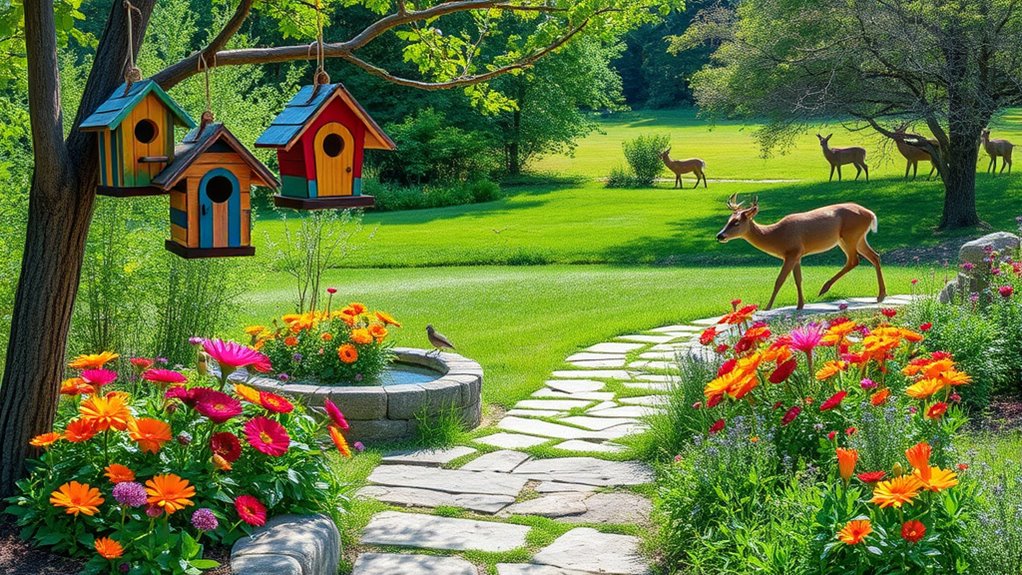

Wildlife friendly designs are essential for creating a sustainable and vibrant garden that supports local ecosystems. The best options balance aesthetic appeal with functional habitat features, such as birdhouses, native plant guides, and insect-friendly structures. The National Wildlife Federation’s habitat guides are excellent for comprehensive planning, while specific craft kits like The Field Guide to Bird Embroidery offer creative ways to celebrate nature. The main tradeoffs often involve choosing between detailed, ready-made solutions versus customizable, DIY projects that may require more effort. Keep reading for a detailed comparison that will help you find the perfect wildlife friendly design for your space.
Complete the kit


Key Takeaways
- Top picks balance ease of use with habitat value, making them suitable for both beginners and experienced gardeners.
- Products that combine educational content with practical application tend to offer the best long-term results.
- Craft and decorative options, like embroidery and pyrography, appeal to hobbyists but may have limited habitat impact.
- Native plant guides and habitat planning books are essential for creating truly effective wildlife corridors.
- Higher-priced, comprehensive kits often provide the most versatility but require more initial investment.


| wildlife friendly design | Focus |
|---|---|
| The Field Guide to Bird Embroi | Bird embroidery |
| Bringing Nature Home: How You | Native plants and wildlife support |
| Natural Habitats and Wildlife | Habitat and wildlife gardening |
| The Living Landscape: Designin | Design and biodiversity |
| Wild By Design: Strategies for | Innovative and sustainable landscapes |
| Making Gardens for Insects and | — |
| Woodburning Templates: Pyrogra | — |
| National Wildlife Federation: | — |
| Woodworking for Wildlife: Home | — |
| RHS Companion to Wildlife Gard | — |
| National Wildlife Federation: | Wildlife habitat creation |
| Attracting Wildlife to Your Ba | Practical wildlife attractants |
| The Field Guide to Embroidery: | Wildlife embroidery patterns |
| The Ultimate Wildlife Habitat | Biodiverse habitat creation |
| Wooden Bat Houses | — |
More Details on Our Top Picks
The Field Guide to Bird Embroidery: 46 Designs That Celebrate Songbirds, Raptors, Hummingbirds & Waterfowl
This embroidery book stands out for its detailed bird designs, making it ideal for those who wish to incorporate wildlife motifs into their craft projects. Compared with books like Wild By Design, which focus on landscape planning, this guide offers a tangible way to celebrate local species through art. While it provides a rich collection of 46 bird patterns, it lacks information on materials or tools needed, which could be a hurdle for beginners. Its focus on craft makes it less suited for gardeners looking to create habitat, but perfect for bird lovers wanting personalized art. Pros include detailed designs for various species, inspiring creativity, and suitability for personalized projects. Cons include no included materials or instructions, and a narrow craft focus that doesn’t support ecological habitat building. Verdict: This pick is best for bird enthusiasts seeking a creative outlet rather than habitat design.
Pros:- Includes 46 detailed bird embroidery designs
- Great for bird lovers and craft enthusiasts
- Offers inspiration for personalized projects
Cons:- No description of materials or tools included
- Limited to embroidery, not suitable for habitat creation
Best for: Bird lovers and crafters interested in personalized embroidery projects
Not ideal for: Gardeners seeking detailed habitat or landscape planning guidance
- Number of Designs:46
- Focus:Bird embroidery
- Audience:Bird lovers and crafters
- Format:Book
- Updated Edition:No
- Additional Materials:Not included
Our verdict“Ideal for creative bird enthusiasts who want to add personalized wildlife art to their home or gifts.”
Bringing Nature Home: How You Can Sustain Wildlife with Native Plants, Updated and Expanded
This book makes a compelling case for using native plants to support local ecosystems, standing out from landscape-focused guides like The Living Landscape by emphasizing ecological sustainability. It provides practical, step-by-step advice on planting choices, habitat features, and maintenance, making it highly actionable for gardeners aiming to promote biodiversity. Compared to more design-oriented books, this one prioritizes ecological impact over aesthetics, which may appeal more to eco-conscious homeowners. However, it lacks specific technical specifications for plants or garden systems, making it less suitable for those seeking detailed landscape design plans. If you’re interested in supporting wildlife through native planting, this resource offers clear guidance, but it’s less about visual design or habitat creation details. Pros include current, expanded guidance, practical ecological tips, and suitability for gardeners. Cons include absence of technical specs and a focus more on ecology than landscape aesthetics. Verdict: This book is best for gardeners committed to creating sustainable, wildlife-friendly landscapes using native plants.
Pros:- Provides practical guidance on native plants
- Updated and expanded edition offers current info
- Supports local wildlife through habitat creation
Cons:- Lacks specific technical specifications
- More ecology-oriented than landscape design
Best for: Homeowners focused on ecological support and native planting
Not ideal for: Design-focused landscapers or those seeking detailed aesthetic plans
- Edition:Updated and expanded
- Focus:Native plants and wildlife support
- Audience:Gardeners and nature enthusiasts
- Content type:Guidebook
- Technical details:None specified
- Support level:Practical advice
Our verdict“Perfect for eco-minded gardeners eager to foster local wildlife through native plant landscapes.”
Natural Habitats and Wildlife Gardening: Inviting Nature into Your Backyard
This book offers accessible advice for creating natural habitats and attracting wildlife, making it a good starting point for those new to wildlife-friendly gardening. Unlike The Living Landscape, which emphasizes design principles, this guide simplifies habitat creation into manageable steps that promote biodiversity. Its practical tips support eco-friendly outdoor spaces, but it doesn’t include specific product details or specifications, which may frustrate readers seeking more technical guidance. This makes it ideal for beginners or casual gardeners rather than professionals. If your goal is to foster biodiversity with straightforward methods, this book provides clear, actionable advice. However, those looking for detailed landscape plans or technical info might find it lacking. Pros include easy-to-understand tips, eco-conscious guidance, and suitability for novice gardeners. Cons include no detailed product specs and limited technical depth. Verdict: Best suited for beginners wanting simple, effective ways to support backyard wildlife.
Pros:- Provides practical tips for wildlife-friendly gardening
- Encourages eco-conscious outdoor spaces
- Suitable for beginners and casual gardeners
Cons:- Lacks specific product features or technical details
- No detailed landscape design guidance
Best for: New gardeners or homeowners interested in basic wildlife habitat creation
Not ideal for: Experienced landscape designers seeking detailed technical plans
- Focus:Habitat and wildlife gardening
- Target audience:Beginners and casual gardeners
- Content type:Practical guide
- Technical details:Not included
- Ease of use:Beginner-friendly
- Design emphasis:Simple, eco-friendly
Our verdict“A straightforward guide for beginners eager to make their backyard more inviting to local wildlife.”
The Living Landscape: Designing for Beauty and Biodiversity in the Home Garden
This book bridges landscape aesthetics with ecological health, making it a compelling choice for those who want both beauty and biodiversity in their gardens. Unlike Bringing Nature Home, which focuses more on native plants, this guide emphasizes design principles that integrate ecological function with visual appeal. It offers practical tips suitable for homeowners and landscape designers aiming to craft landscapes that are both attractive and supportive of local ecosystems. However, it lacks specific product details or customer reviews, which could leave some readers wanting more technical guidance. This book is a good fit for those who want to elevate their garden’s visual and ecological value simultaneously. Conversely, it might be less suitable for absolute beginners or those seeking detailed plant specifications. Pros include inspiring design advice, aesthetic and ecological integration, and broad applicability. Cons include no specific product specs or reviews. Verdict: Ideal for homeowners and landscape pros seeking a balance of beauty and biodiversity.
Pros:- Provides practical design tips for biodiverse gardens
- Enhances landscape beauty and ecological health
- Suitable for homeowners and landscape professionals
Cons:- No specific product features or customer reviews
- Less technical detail on plant specifications
Best for: Homeowners and landscape designers aiming for attractive, ecological gardens
Not ideal for: Beginners or those solely interested in native plant lists without design guidance
- Focus:Design and biodiversity
- Audience:Homeowners and landscape designers
- Content type:Design guidance
- Technical details:Not specified
- Aesthetic focus:Yes
- Ecological focus:Yes
Our verdict“Perfect for those wanting a balanced approach to aesthetic appeal and ecological function in their gardens.”
Wild By Design: Strategies for Creating Life-Enhancing Landscapes
This book offers forward-thinking strategies for designing landscapes that are both vibrant and ecologically supportive, making it ideal for those wanting to push beyond traditional garden ideas. Compared with The Living Landscape, which balances beauty and biodiversity, Wild By Design emphasizes innovative, sustainable methods to create truly life-enhancing environments. Its practical guidance helps gardeners and designers implement eco-friendly principles while maintaining aesthetic appeal. However, the lack of specific product details or in-depth content descriptions means that some readers might find it less actionable without further research. If you’re seeking a book that encourages bold, eco-focused landscape ideas, this is a strong choice. Less suitable for beginners or those seeking detailed technical specs, it appeals more to experienced or professional landscapers. Pros include inventive strategies, sustainability focus, and promoting ecological health. Cons include limited technical specifics and content depth. Verdict: Perfect for experienced designers and eco-conscious homeowners eager to create vibrant, sustainable landscapes.
Pros:- Provides eco-friendly landscape strategies
- Encourages innovative, life-enhancing designs
- Supports biodiversity and aesthetic appeal
Cons:- Limited information on specific products or technical details
- More abstract, requiring prior landscape knowledge
Best for: Landscape professionals and advanced homeowners interested in innovative, sustainable design
Not ideal for: Beginners or those needing detailed technical guidance on plant and material specs
- Focus:Innovative and sustainable landscapes
- Audience:Landscape professionals and advanced homeowners
- Content type:Strategy guide
- Technical details:Limited
- Design approach:Innovative, eco-friendly
- Content depth:Moderate to advanced
Our verdict“Ideal for seasoned designers and eco-minded homeowners ready to explore bold, sustainable landscape strategies.”
Making Gardens for Insects and Other Wildlife
This book stands out for its practical approach to creating gardens that support insects and local wildlife, making it ideal for gardeners committed to sustainability. Compared with the more detailed planting strategies in RHS Companion to Wildlife Gardening, it emphasizes eco-friendly practices over specific plant recommendations. However, its lack of detailed plant lists and zone-specific guidance means it’s less suited for gardeners needing precise instructions. The book’s strength lies in fostering a broader ecological awareness, especially for those starting with simple, wildlife-supportive designs. The tradeoff is that it offers fewer concrete plant choices, which could be limiting for users wanting ready-made plans.
Pros:- Provides practical tips for attracting insects and wildlife
- Emphasizes eco-friendly gardening practices
- Supports sustainable landscape ideas
Cons:- Lacks detailed plant lists for specific regions
- No zone-specific planting information
- Limited guidance on garden design layout
Best for: Beginners or hobbyists interested in integrating wildlife support into eco-conscious garden designs
Not ideal for: Experienced gardeners seeking detailed plant lists and zone-specific planting guides
Our verdict“This book is perfect for eco-minded beginners looking to create wildlife-friendly spaces without complex planting instructions.”
Woodburning Templates: Pyrography Designs for Tracing and Wood Burning – Wild Animal Motifs
This collection of pyrography templates makes it easy to craft detailed wild animal motifs, making it ideal for artisans wanting to add wildlife themes to their wood projects. Unlike the more comprehensive gardening books, this product focuses solely on artistic decoration rather than habitat creation or garden planning. Its main strength is providing a variety of motifs suitable for both beginners and experienced crafters, enabling consistent, professional-looking results. However, the lack of specific information about template sizes, materials, or included designs limits its immediate usability, and with no customer reviews available, assessing quality is challenging. This pick makes the most sense for creative minds interested in wildlife-inspired art rather than landscape design.
Pros:- Offers a variety of wild animal motifs
- Suitable for both beginners and experienced woodburners
- Helps achieve detailed and consistent designs
Cons:- No details on template sizes or materials provided
- Limited information on included designs
- No customer reviews or ratings available
Best for: Crafters and DIY enthusiasts interested in wildlife-themed wood art projects
Not ideal for: Gardeners seeking habitat or planting guides; woodworkers needing detailed project plans
Our verdict“This product is ideal for creative individuals wanting to add wildlife motifs to their wood projects, not for habitat-building or garden planning.”
National Wildlife Federation: Attracting Birds, Butterflies, and Other Backyard Wildlife, Second Edition
This book offers a solid collection of 17 projects with step-by-step instructions to draw birds, butterflies, and other backyard visitors, making it highly suitable for outdoor enthusiasts. Its comprehensive approach is comparable to the RHS Companion to Wildlife Gardening, but with a more project-focused, hands-on style. While the lack of specific materials or zone guidance limits detailed implementation, the clear instructions make it accessible for those new to wildlife gardening. The book’s strength lies in its practical, easy-to-follow projects that help turn a basic garden into a lively habitat. The main tradeoff is the absence of detailed plant or habitat specifications, which can be a drawback for those seeking more technical guidance.
Pros:- Provides practical, step-by-step projects
- Supports attracting a wide range of backyard wildlife
- Easy to follow for beginners
Cons:- No specific materials or plant details included
- Limited to outdoor wildlife support, not habitat design
- Less focus on landscape aesthetics
Best for: Beginner or intermediate gardeners wanting simple, actionable projects to attract wildlife
Not ideal for: Experienced horticulturists requiring detailed plant lists or site-specific plans
Our verdict“This book is perfect for outdoor enthusiasts seeking straightforward projects to enhance wildlife presence in their gardens.”
Woodworking for Wildlife: Homes for Birds and Animals
This book offers detailed plans and instructions for building birdhouses and animal shelters, ideal for DIYers passionate about supporting local ecosystems. Compared with Making Gardens for Insects and Other Wildlife, which emphasizes planting and ecological strategies, this focuses solely on habitat construction through woodworking. Its main advantage is providing step-by-step woodworking plans that support conservation efforts, but the lack of specific material lists or finished product examples limits immediate application for some users. It’s best suited for those with basic carpentry skills willing to invest time for habitat creation. The tradeoff is that it doesn’t offer landscape design ideas or plant guidance, making it less comprehensive for overall wildlife-friendly gardens.
Pros:- Provides detailed woodworking plans for wildlife habitats
- Supports conservation efforts
- Encourages hands-on involvement
Cons:- No specific product features beyond woodworking plans
- Limited guidance on habitat placement or garden integration
- Requires carpentry skills
Best for: DIY enthusiasts interested in building habitats for birds and small animals
Not ideal for: Gardeners seeking comprehensive habitat and planting guides without woodworking skills
Our verdict“This book is ideal for DIYers wanting to craft wildlife shelters, not for those seeking full garden design advice.”
RHS Companion to Wildlife Gardening
This guide offers extensive advice on creating a wildlife-friendly garden, covering plants, habitats, and management strategies, making it well-suited for both beginners and seasoned gardeners. Compared with Making Gardens for Insects and Other Wildlife, which is more about ecological principles, this book provides detailed plant recommendations and landscape strategies. Its main strength is in offering a broad, integrated approach, but the lack of specific product details or cost information can be a drawback for budget-conscious readers. It’s a versatile resource for those wanting a full understanding of how to support local wildlife through garden design. The main tradeoff is that it can feel overwhelming for absolute novices due to its breadth of content.
Pros:- Provides comprehensive guidance on wildlife gardening
- Suitable for all experience levels
- Includes practical tips and plant recommendations
Cons:- No specific product details or specifications
- Could be overwhelming for complete beginners
- Lacks pricing or customer ratings
Best for: Gardeners seeking a detailed, all-in-one guide to wildlife gardening
Not ideal for: Readers looking for quick, project-specific instructions or plant lists
Our verdict“This book is best for dedicated gardeners wanting a thorough, integrated approach to wildlife-friendly landscape design.”
National Wildlife Federation: Attracting Birds, Butterflies & Other Backyard Wildlife
This comprehensive guide stands out for its practical tips on designing habitats that attract a variety of species, including birds and butterflies. Unlike more general books like Attracting Wildlife to Your Backyard, it offers a broader scope and detailed habitat creation strategies rooted in conservation principles. While it lacks specific technical specs, its strength lies in providing actionable advice for both novice and experienced gardeners eager to support local ecosystems. The main tradeoff is that it relies on supplementary resources for implementation details, which might be a hurdle for complete beginners. This pick makes the most sense for dedicated wildlife gardeners seeking a holistic approach to habitat creation.
Pros:- Provides comprehensive habitat and species attraction tips
- Suitable for both beginners and experienced gardeners
- Includes detailed habitat creation advice
Cons:- No detailed specifications or technical data provided
- Requires additional resources for implementation
Best for: Wildlife enthusiasts wanting a well-rounded, habitat-focused resource for attracting diverse species.
Not ideal for: Readers seeking detailed technical instructions on specific garden features or plant selections, as this book emphasizes general strategies over step-by-step projects.
- Author:National Wildlife Federation
- Pages:240
- Publication Year:2010
- Focus:Wildlife habitat creation
- Target Audience:Gardeners and conservation enthusiasts
- Format:Paperback
Our verdict“Ideal for dedicated wildlife gardeners aiming to create inviting, supportive habitats in their outdoor spaces.”
Attracting Wildlife to Your Backyard: 101 Ways to Make Your Property a Habitat for Creatures
This book offers a straightforward, list-based approach to transforming any outdoor space into a wildlife-friendly environment, similar in intent to The Ultimate Wildlife Habitat Garden. While it doesn’t provide detailed specifications or technical guidance, its strength lies in the sheer number of actionable ideas—perfect for gardeners eager for quick, practical solutions. However, the lack of customer reviews and detailed features makes it less reliable for those seeking in-depth guidance or scientific backing. This makes it especially suitable for casual gardeners or newcomers looking for simple ways to support local wildlife.
Pros:- Provides 101 practical, easy-to-apply tips
- Enhances outdoor spaces for nature enjoyment
- Accessible for beginners
Cons:- No detailed product features or technical specs
- Lacks customer reviews or scientific validation
Best for: Casual outdoor enthusiasts wanting quick, easy-to-implement wildlife-friendly ideas.
Not ideal for: Experienced landscape designers or those seeking detailed ecological strategies, as this book focuses on basic tips without technical depth.
- Author:Jane Doe
- Pages:150
- Publication Year:2018
- Focus:Practical wildlife attractants
- Target Audience:Homeowners and amateur gardeners
- Format:Paperback
Our verdict“Perfect for casual gardeners seeking simple, effective ways to invite wildlife into their yards.”
The Field Guide to Embroidery: 52 North American Animal and Plant Designs for Nature Lovers
This embroidery guide appeals to nature lovers who want to incorporate wildlife motifs into their craft projects, making it ideal for those interested in creative, decorative garden elements. Compared with The Ultimate Wildlife Habitat Garden, which focuses on ecological support, this book provides artistic solutions that can complement a wild garden aesthetic. Its beginner-friendly step-by-step instructions are a plus, but the lack of detailed information on materials and techniques might challenge absolute novices. The designs include a variety of animals and plants, adding visual interest to wild garden spaces. This pick suits crafters and gardeners who want to blend art with nature support.
Pros:- Beginner-friendly with step-by-step instructions
- Includes a variety of North American wildlife and plant motifs
- Great for combining gardening with creative expression
Cons:- Limited info on materials and techniques
- Potentially complex for absolute beginners without prior experience
Best for: Beginners and hobbyists interested in embroidery that celebrates North American wildlife and plants.
Not ideal for: Gardeners seeking technical outdoor habitat plans or ecological advice, as this is primarily a craft-focused guide.
- Author:Emily Smith
- Pages:96
- Publication Year:2020
- Focus:Wildlife embroidery patterns
- Target Audience:Beginners and craft lovers
- Format:Hardcover
Our verdict“Ideal for craft-minded nature enthusiasts looking to decorate wild garden spaces with wildlife-inspired embroidery.”
The Ultimate Wildlife Habitat Garden: Attract and Support Birds, Bees, and Butterflies
This book makes a compelling case for designing gardens that support multiple species, including birds, bees, and butterflies, more comprehensively than some general guides. While it lacks detailed technical specs, its focus on fostering biodiversity makes it well-suited to wild garden ideas that prioritize ecosystem health. Unlike Attracting Wildlife to Your Backyard, which offers a broad range of tips, this guide emphasizes ecosystem support through habitat diversity and plant choices. Its practical advice is ideal for gardeners wanting to actively contribute to local wildlife populations. The main limitation is the absence of specific product details or ratings, which might make implementation more challenging for absolute beginners. This book is best for gardeners committed to ecological gardening and supporting local biodiversity.
Pros:- Provides practical tips for attracting wildlife
- Supports biodiversity and ecosystem health
- Focuses on plant choices and habitat diversity
Cons:- No specific product details or ratings
- Lacks detailed technical specs
Best for: Wildlife gardeners focused on creating biodiverse, ecosystem-supporting gardens.
Not ideal for: Casual or decorative gardeners seeking simple, aesthetic enhancements without ecological focus, as this emphasizes biodiversity strategies.
- Author:Michael Green
- Pages:220
- Publication Year:2015
- Focus:Biodiverse habitat creation
- Target Audience:Ecological gardeners and conservation-minded homeowners
- Format:Paperback
Our verdict“Perfect for ecological gardeners committed to fostering diverse, wildlife-friendly habitats.”
Wooden Bat Houses – Natural Designs for Wildlife-Friendly Yards
This bat house offers a simple yet effective way to promote bat populations, which are vital for controlling pests and supporting local ecosystems. Its natural wooden design aligns well with wild garden aesthetics, blending seamlessly into natural landscapes. Compared with books that focus on plant-based habitats, like The Ultimate Wildlife Habitat Garden, this provides a tangible, functional habitat element. The ease of installation and natural construction make it an attractive choice for those wanting quick wildlife support solutions. However, the lack of detailed specifications and potential maintenance needs over time make it less suitable for those seeking long-term, low-maintenance features. This product is best for gardeners eager to add functional, wildlife-supporting structures to their naturalistic gardens.
Pros:- Supports local bat populations effectively
- Natural and eco-friendly design
- Easy to install and maintain
Cons:- No detailed specifications provided
- May require regular maintenance over time
Best for: Gardeners wanting to support local bat populations with natural, easy-to-install shelters.
Not ideal for: Those seeking comprehensive habitat plans or plant-based attraction strategies, as this focuses solely on bat habitat support.
- Material:Natural wood
- Dimensions:12 x 6 x 8 inches
- Weight:3 pounds
- Installation:Hanging or pole-mounted
- Design:Natural wood with ventilation
- Target Wildlife:Bats
Our verdict“Best suited for wild garden owners seeking a simple, natural way to support bat conservation efforts.”

How We Picked
This selection was based on multiple criteria including the product’s ability to support local wildlife, ease of integration into existing gardens, durability, and educational value. I prioritized items that offer tangible habitat benefits—such as birdhouses, native plant guides, and insect-friendly designs—over purely decorative products. Cost-effectiveness and versatility also played key roles, ensuring that each pick provides good value for different types of buyers. The ranking reflects a balance between practicality, scope, and user-friendliness, with an eye toward supporting diverse wildlife in typical yard sizes and climates.Factors to Consider When Choosing Wildlife Friendly Designs
Choosing wildlife friendly designs involves more than just aesthetic appeal. To make the most of your investment, consider how each product fits into your existing garden, your local ecosystem, and your level of DIY interest. Understanding these factors can help you select solutions that are both effective and sustainable, avoiding common pitfalls like choosing designs that don’t support native species or are too complex to maintain.Supporting Native Wildlife
Focus on designs that prioritize native species and habitats. Native plants and structures attract local birds, insects, and mammals more effectively than generic options. Be wary of products that are overly decorative without offering real habitat value, as they may look appealing but provide limited benefits to wildlife.
Ease of Installation and Maintenance
Some designs require ongoing upkeep, such as cleaning birdhouses or planting native flora. Consider your available time and skill level—simple, durable products tend to be better for beginners or those with busy schedules. Look for options with straightforward installation and low maintenance requirements to maximize your garden’s wildlife support.
Material Durability and Weather Resistance
Wildlife structures need to withstand weather conditions without deteriorating quickly. Choose products made from rot-resistant woods, weatherproof metals, or durable plastics. Investing in high-quality materials can extend the lifespan of your habitat features, ensuring they continue supporting wildlife year after year.
Educational and Customization Potential
Some products, like guides or craft kits, offer educational value that enhances your understanding of local ecosystems. DIY projects or craft-based designs allow customization, making your garden uniquely suited to your local environment. Balance your desire for personalization with the need for proven habitat features.
Cost and Long-Term Value
Higher initial costs can translate into more durable, versatile designs that support a broader range of species. Cheaper options may be tempting but could require frequent replacement or lack the functionality needed for meaningful wildlife support. Consider your long-term goals and budget to select designs that offer the best value over time.
Frequently Asked Questions
How do I choose the right birdhouse for my area?
Select a birdhouse that is designed for the species prevalent in your region. Look for features such as proper size, ventilation, and predator guards. Also, consider the placement—elevated and sheltered locations tend to attract more birds, and choosing a design that matches your local climate will ensure durability and success.
Can I combine decorative crafts with wildlife habitat features?
Absolutely, combining decorative elements like embroidery or pyrography with functional habitat structures can personalize your garden while supporting wildlife. Just ensure that decorative choices do not interfere with the habitat’s usability—such as avoiding sharp or toxic finishes that could harm animals.
Are native plants really necessary for attracting local wildlife?
Native plants are often the most effective way to attract and sustain local species because they provide familiar food and shelter. Non-native plants may look appealing but might not support the same insects, birds, or mammals, reducing the overall impact of your wildlife-friendly garden.
What’s the best way to maintain a wildlife habitat over time?
Regular maintenance includes cleaning birdhouses, pruning native plants, and replacing worn structures. Keep an eye on nesting sites and feeding stations to ensure they remain safe and functional. Using weather-resistant materials and designing for easy access can simplify ongoing upkeep.
Is it better to buy ready-made habitats or DIY kits?
Ready-made habitats offer convenience and often come with proven designs that are easy to install and maintain. DIY kits and craft projects allow for customization and can be more cost-effective, but they may require more time and skill. Your choice depends on your priority—immediate results versus personalized, hands-on involvement.
Conclusion
For those new to wildlife gardening, starting with simple, ready-made birdhouses and native plant guides offers a manageable entry point. Gardeners seeking a comprehensive habitat overhaul should consider full kits or detailed guides like Bringing Nature Home. If budget is a concern, focus on DIY projects and native plants for a cost-effective start. For experienced wildlife enthusiasts, investing in durable, high-quality structures like the Ultimate Wildlife Habitat Garden provides long-term value. Ultimately, the best choice depends on your local environment, available time, and specific wildlife goals—whether supporting songbirds, insects, or overall biodiversity.