
TL;DR
Experts recommend five key strategies—maintaining short grass, creating physical barriers, planting tick-repelling plants, using natural sprays, and reducing wildlife attractants—to prevent ticks in yards. These measures can significantly lower the risk of tick-borne illnesses.
Experts advise homeowners to adopt five proven strategies to prevent ticks from inhabiting their yards, a critical step in reducing the risk of tick-borne diseases such as Lyme disease during peak season.
According to pest control and landscaping professionals, maintaining a well-kept yard is essential. Regular mowing, trimming shrubs, and removing leaf litter reduce humid, dense environments where ticks thrive, especially from late spring through early fall.
Creating physical barriers, such as a three-foot-wide strip of wood chips or gravel along wooded edges, can deter ticks from migrating into lawns. These barriers should be kept clear of encroaching plants and replenished periodically.
Planting tick-repelling herbs like rosemary, lavender, peppermint, and marigolds around pathways or yard borders can help prevent ticks from hitchhiking on animals or humans. These plants emit scents that ticks tend to avoid.
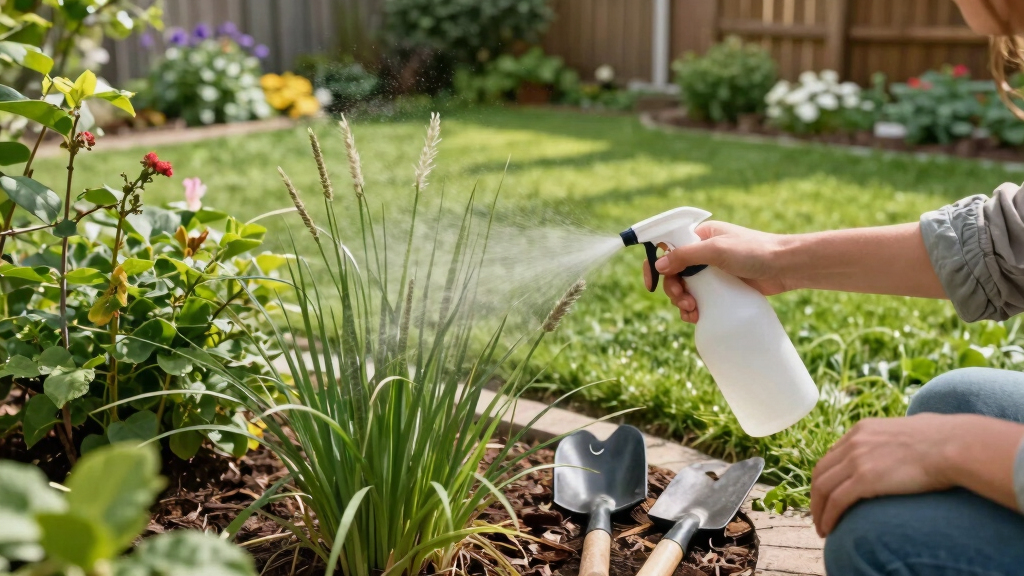
Natural tick-repellent sprays containing cedar, eucalyptus, or neem oil are recommended by entomologists. These can be applied to clothing, fabrics, or yard areas but require regular reapplication due to breakdown from weather conditions.
Reducing attractants such as dense vegetation, leaf piles, and wood stored close to the house minimizes habitats for ticks and their hosts, including small mammals and deer.
Why Yard Prevention Matters for Public Health
Implementing these measures can significantly decrease the likelihood of tick encounters, thereby reducing the risk of illnesses like Lyme disease. As tick populations expand into new areas, proactive yard management becomes an essential part of personal and community health efforts.

Wondercide – Ready to Use Flea, Tick, and Mosquito Yard Spray with Natural Essential Oils – Mosquito and Insect Killer, Treatment, and Repellent – Plant-Based – Safe Around Pets, Plants, Kids – 32 oz
- Effective Pest Control: Kills and repels fleas, ticks, and mosquitoes
- Ready-to-Use Spray: Pre-mixed, attach to hose, no mixing needed
- Safe for Pets and Kids: Safe when used as directed around family and pets
As an affiliate, we earn on qualifying purchases.
As an affiliate, we earn on qualifying purchases.
Recent Spread of Ticks and Rising Risk in the US
Tick populations are expanding across the US, especially into new regions, driven by climate change and habitat shifts. The Northeast, Mid-Atlantic, and Upper Midwest remain most affected, with experts warning that suburban yards increasingly serve as tick habitats. This trend underscores the importance of yard management in disease prevention.
“Regular mowing, trimming shrubs, and removing leaf litter are crucial to making your yard less hospitable for ticks.”
— Scott McLeod, landscaping expert
Unclear Effectiveness of Long-Term Yard Strategies
While these methods are supported by experts and current research, the long-term effectiveness of barrier and planting strategies varies based on local conditions and maintenance. More data is needed to quantify their impact across diverse environments.
Next Steps for Homeowners and Community Efforts
Homeowners should implement these practices this season and monitor tick activity. Local health departments and pest control services may offer additional targeted treatments or guidance. Continued research will clarify the most effective integrated approaches for tick prevention.
Key Questions
Are natural repellents enough to prevent ticks entirely?
Natural repellents are effective as part of a comprehensive strategy but are unlikely to provide complete protection alone. Combining multiple methods increases overall effectiveness.
How often should I reapply natural tick sprays?
Reapplication should occur every 1-2 weeks, especially after rain or heavy dew, to maintain repellency.
Can I use chemical pesticides instead of natural methods?
Chemical pesticides are available but are generally less recommended due to environmental and health concerns. Consult local guidelines and pest control professionals for safe options.
When is the best time to start yard prevention measures?
Preparation should begin in early spring before peak tick activity from late spring through early fall.
Are there specific signs that ticks are in my yard?
Ticks are small, often less than 2mm, and may be found on tall grass, leaf litter, or on animals. Regular yard inspections can help identify their presence.
Source: Homes & Gardens