
TL;DR

Get garden gear delivered free — and shop member deals
- Fast, free delivery on millions of items
- Access to Prime Big Deal Days deals on October 6–7
- Prime Video, Amazon Music and more included
A New York City resident has installed a fully functional aquaponics system in their apartment, demonstrating a sustainable method for urban food production. The project highlights innovative urban farming but faces questions about scalability and regulations.
A New York City resident has successfully installed a working aquaponics system in their apartment, showcasing a novel approach to urban food cultivation. This development is significant as it demonstrates the potential for sustainable, self-sufficient food production within small urban living spaces, sparking interest among city dwellers and sustainability advocates.
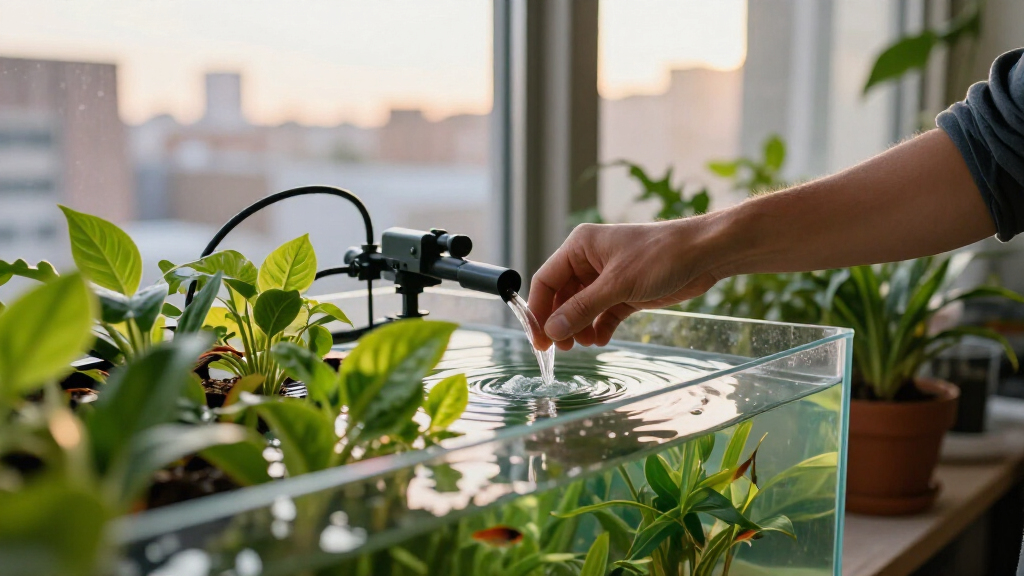
The aquaponics setup, located in a one-bedroom apartment in Manhattan, integrates fish tanks with vegetable grow beds, creating a closed-loop system that recycles water and nutrients. The resident, who wishes to remain anonymous, reported that the system includes tilapia fish and grows leafy greens and herbs.
According to the resident, the system has been operational since late March 2024, producing fresh vegetables and fish for personal consumption. They noted that the setup requires careful management of water quality, temperature, and fish health, but is manageable within an apartment environment with proper equipment.
Urban farming experts and local authorities have taken note of this development, which is an example of innovative urban farming systems. While there are no specific regulations prohibiting such systems in NYC apartments, concerns about safety, zoning, and building codes remain, and the resident has consulted with local officials to ensure compliance.
Potential Impact on Urban Food Sustainability
This project highlights the feasibility of small-scale aquaponics as a sustainable food source in densely populated cities. If widely adopted, such systems could reduce reliance on imported produce, lower food miles, and promote self-sufficiency among urban residents. Moreover, it demonstrates innovative ways to utilize limited space for productive agriculture, aligning with growing movements toward urban sustainability and resilience.
As an affiliate, we earn on qualifying purchases.
Growing Interest in Urban Aquaponics and Home Farming
Urban aquaponics has gained attention over recent years as a sustainable method to produce food in cities. While commercial systems are more common in larger facilities or community gardens, private home setups are rare due to space, cost, and regulatory concerns. This NYC project follows a broader trend of city residents experimenting with self-sufficient food production, especially amid concerns about supply chain disruptions and environmental impact.
Previous initiatives in other cities have demonstrated the potential of aquaponics, but few have been documented in individual apartments. Experts note that this development could inspire more urban dwellers to pursue similar projects, provided safety and legal considerations are addressed.
“This NYC apartment aquaponics system is a promising example of how urban residents can innovate to grow their own food sustainably. It shows the potential for small-scale systems to contribute to food security.”
— Jane Smith, Urban Agriculture Expert
Unanswered Questions About Regulations and Scalability
It is still unclear how widespread such apartment aquaponics systems could become in NYC without regulatory changes. Questions remain about safety standards, potential zoning restrictions, and whether building codes will adapt to accommodate these innovations. Additionally, the long-term sustainability and maintenance of such systems in small apartments are still being evaluated.
Next Steps for Urban Aquaponics Adoption in NYC
City officials and urban agriculture advocates are expected to monitor this project closely. Future developments may include formal guidelines for residential aquaponics, increased public awareness, and potential workshops or support programs. Researchers may also study the environmental and economic impacts of scaling such systems in urban settings.
Key Questions
Is installing an aquaponics system in a NYC apartment legal?
According to the NYC Department of Buildings, there are no specific laws prohibiting aquaponics in residential apartments, but residents should ensure compliance with safety, zoning, and building codes.
What are the main challenges of maintaining aquaponics at home?
Key challenges include managing water quality, controlling temperature, ensuring fish health, and space limitations. Proper equipment and regular maintenance are essential for success.
Could this lead to wider adoption of urban aquaponics?
If regulatory hurdles are addressed and the systems prove sustainable, this could inspire more city residents to adopt similar setups, contributing to urban food resilience.
What types of fish and plants are suitable for apartment aquaponics?
Common fish include tilapia, goldfish, or koi, while leafy greens, herbs, and small vegetables are typical plants grown in such systems.
Source: hn
Fall Picks
fall essentials
As an affiliate, we earn on qualifying purchases.