TL;DR
Listen free for 30 days with Audible
Thousands of audiobooks and originals — cancel anytime.
Start your free trialAs an affiliate, we earn on qualifying purchases.
Summer pruning of fruit trees after harvest can enhance tree health and increase fruit yields for this year and next. Experts recommend specific techniques for cherries, apricots, peaches, plums, and trained trees.
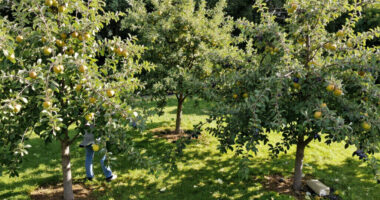
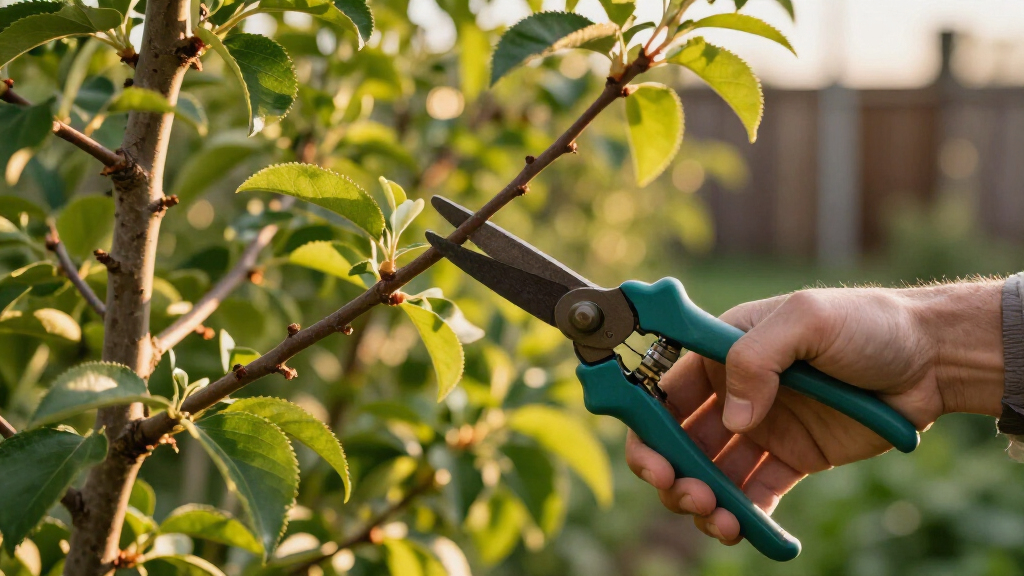
Pruning fruit trees in summer after harvest can significantly improve their health and productivity in the current and following seasons. Experts highlight that August is an ideal time for this practice, especially for stone fruits like cherries, apricots, peaches, and plums, as well as trained fruit trees. Proper summer pruning reduces disease risk and encourages better fruiting growth, making it a key step for gardeners aiming for higher yields.
According to horticultural sources, summer pruning is particularly effective for stone fruits, which are more vulnerable to fungal diseases such as silver leaf and canker if pruned at other times of the year. Pruning after harvest helps seal wounds quickly and reduces spore infection risk. For example, cherry trees should have dead, diseased, or crossing branches removed, with older wood pruned to maintain a balanced shape.
Similarly, apricots benefit from summer pruning to prevent disease and promote new wood growth for next year’s buds. The recommended approach involves removing unproductive, old, or congested branches, but not exceeding 25% of the canopy at once. Peach and nectarines are also pruned post-harvest to encourage lower fruiting and control size, focusing on removing inward-facing, diseased, or crossing stems. Plum trees should be lightly pruned annually, removing dead or crossing branches and thinning dense areas to maintain a goblet shape.
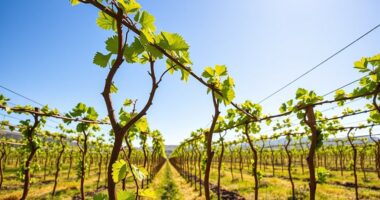
For trained fruit trees like espaliers and cordons, summer pruning involves cutting back side shoots to promote fruiting spurs and future growth, with specific techniques for apples, pears, peaches, and apricots. Using sharp, clean tools is emphasized to prevent infections.
Benefits of Summer Pruning for Fruit Tree Productivity
This practice directly impacts fruit yields and tree health. Proper summer pruning reduces disease susceptibility, improves light and air circulation, and encourages the development of fruitful wood. As a result, gardeners can expect better harvests not only this year but in subsequent seasons, making it a valuable routine for sustainable fruit production.
As an affiliate, we earn on qualifying purchases.
Timing and Disease Prevention in Summer Tree Care
While many fruit trees are traditionally pruned in winter, recent guidance highlights summer pruning as an effective alternative, especially for stone fruits. August is considered optimal because it follows harvest, allowing for targeted removal of diseased or unproductive growth. This approach also aligns with disease prevention strategies, as pruning wounds heal quickly and fungal spores are less prevalent during summer months.
Historically, winter pruning has been favored for some trees, but experts now recommend summer pruning for specific species to mitigate fungal infections and promote better fruiting conditions.
Uncertainties Surrounding Optimal Pruning Techniques
While expert advice supports summer pruning, the precise extent and methods may vary based on local climate, tree age, and variety. It remains unclear whether all fruit trees benefit equally from summer pruning or if certain cultivars require different timing or techniques. Further research is needed to establish standardized guidelines for diverse environments.
Next Steps for Gardeners and Horticulturists
Gardeners should assess their fruit trees now and consider summer pruning as part of their annual maintenance. Monitoring for disease signs and using sharp tools will be crucial. Experts recommend following specific pruning techniques for each tree type and observing the results over the coming seasons. Ongoing research and regional trials will help refine best practices.
Key Questions
Can I prune all types of fruit trees in summer?
Summer pruning is recommended mainly for stone fruits like cherries, apricots, peaches, and plums, as well as trained trees. Other varieties may require different timing, so consult local guidelines or a horticultural expert.
What tools should I use for summer pruning?
Use sharp, clean pruning shears, loppers, or pruning saws to make precise cuts and prevent infections. Proper tools help ensure healthy wound sealing and reduce disease risk.
How much of the tree should I prune in summer?
Typically, do not remove more than 25% of the canopy at once. Focus on removing dead, diseased, or crossing branches, and thinning congested areas to promote airflow and light penetration.
Will summer pruning affect next year’s fruit production?
Yes, proper summer pruning encourages healthy new growth and can improve fruiting in the following season by promoting the development of fruiting spurs and reducing disease.
Is summer pruning safe for young trees?
Yes, but it should be done carefully and lightly to avoid stressing young trees. Focus on removing damaged or diseased branches and avoid heavy cuts.
Source: Homes & Gardens
Fall yard work Picks
leaf blowers
As an affiliate, we earn on qualifying purchases.