To make your greenhouse transplants more resilient before moving them outdoors, gradually expose them to the fresh air over 1-2 weeks, increasing time outside daily. Monitor for pests and control them naturally, while providing balanced nutrients and watering carefully to strengthen roots. Focus on adjusting humidity and soil health for better adaptation. Following these steps helps your plants develop toughness, resist environmental stresses, and guarantees a smoother shift—keep going for additional tips on nurturing hardy, outdoor-ready plants.
Listen free for 30 days with Audible
Thousands of audiobooks and originals — cancel anytime.
As an affiliate, we earn on qualifying purchases.
Key Takeaways
- Gradually expose seedlings to outdoor conditions over 1-2 weeks to build environmental resilience.
- Monitor and manage pests early using organic methods to prevent stress and damage.
- Provide balanced, diluted fertilizers to strengthen roots and foliage before transplanting.
- Adjust watering routines to acclimate plants to natural moisture levels and prevent stress.
- Ensure healthy soil conditions to support plant strength and facilitate successful outdoor adaptation.
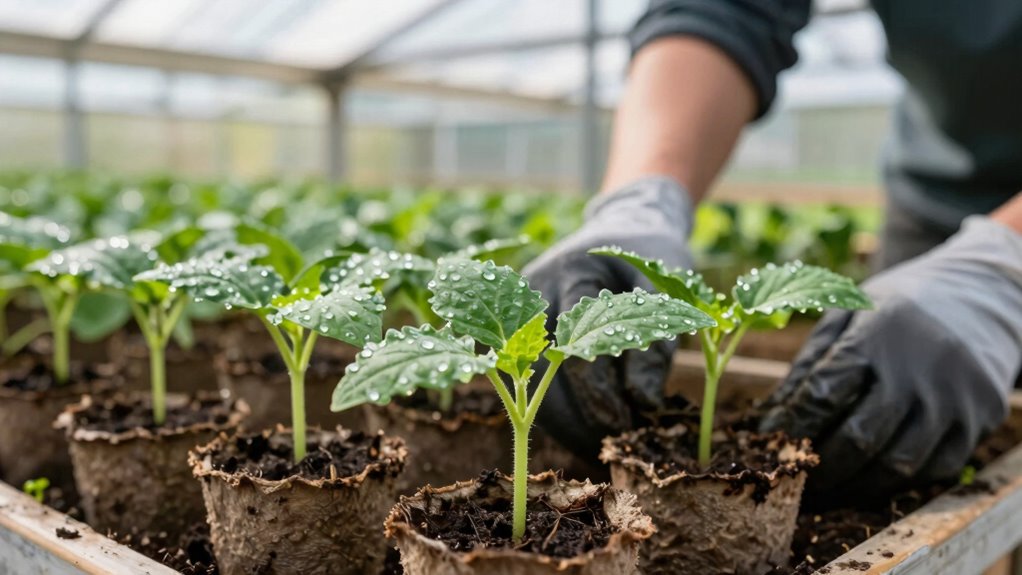
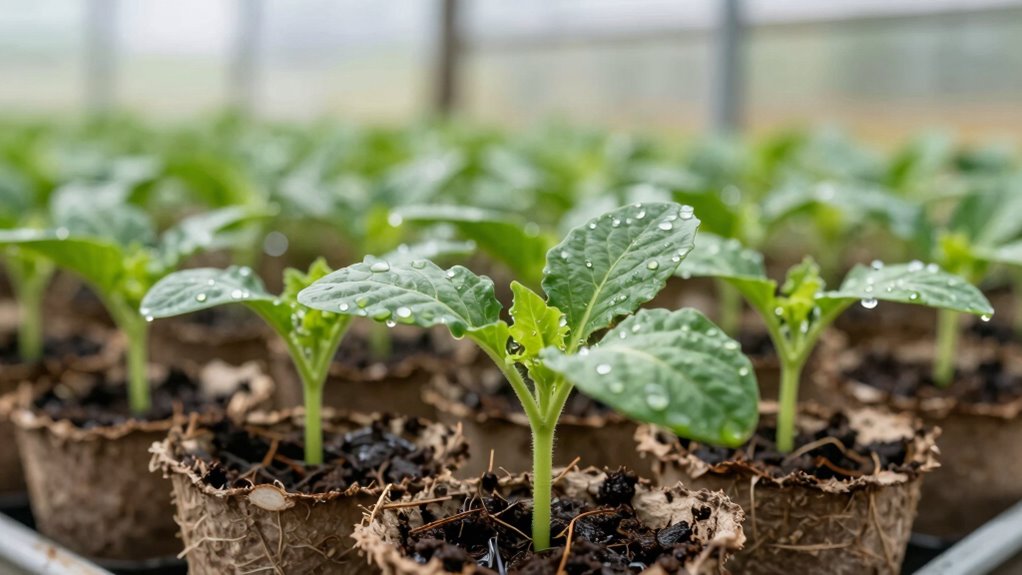
Transplanting seedlings from a greenhouse to outdoor conditions can be stressful for plants, but you can help them adapt more easily by boosting their resilience beforehand. One of the most effective ways to do this is by gradually exposing your plants to outdoor conditions through a process called hardening off. This involves placing them outside for a few hours each day, increasing the time daily over a week or two. Doing so helps plants develop tougher leaves and stronger stems, making them less vulnerable to the shock of sudden environmental changes.
Gradually harden seedlings outdoors to build resilience and reduce transplant shock.
While hardening off, it’s essential to pay attention to pest control. Keep a close eye on your seedlings for signs of pests such as aphids, whiteflies, or caterpillars. Early detection and intervention prevent pests from establishing a foothold, which could weaken your plants before they even leave the greenhouse. Use organic insecticidal soaps or introduce beneficial insects like ladybugs to manage pest populations naturally. Maintaining a pest-free environment during this transition period guarantees your plants don’t waste energy fighting infestations, allowing them to focus on growth and adaptation.
Nutrient management plays a significant role in fortifying your transplants. Make certain your seedlings have developed healthy roots and robust foliage by providing balanced fertilization. Use a diluted, water-soluble fertilizer that supplies essential nutrients like nitrogen, phosphorus, and potassium. This promotes vigorous growth and strengthens cell walls, making plants more resilient to external stresses. Avoid over-fertilizing, which can lead to weak, leggy plants more susceptible to pests and diseases. Instead, focus on delivering consistent, moderate nutrients that support steady development. Incorporating proper fertilization techniques helps ensure your plants build a strong foundation for outdoor life. Additionally, understanding the importance of soil health can contribute significantly to your plants’ overall resilience during this transition.
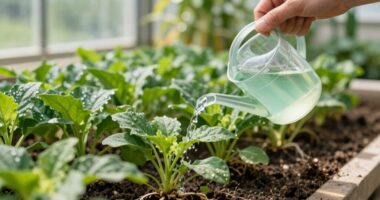
Furthermore, adjusting your watering routine during the hardening process is crucial. Gradually reduce the humidity inside the greenhouse while increasing outdoor exposure, which helps plants adapt to natural moisture levels. Proper watering enhances nutrient uptake and prevents stress caused by drought or waterlogging once your plants are outside. Incorporating hardening off techniques into your routine can significantly improve the overall resilience of your transplants. Recognizing the role of climate acclimatization can also support your efforts in preparing plants for outdoor conditions.
organic insecticidal soap for plants
As an affiliate, we earn on qualifying purchases.
As an affiliate, we earn on qualifying purchases.
Frequently Asked Questions
When Is the Best Time to Transplant Seedlings Outdoors?
You should transplant seedlings outdoors after they’ve undergone seedling hardening and the right transplant timing. Generally, wait until the risk of frost passes and daytime temperatures stay above 50-60°F. Hardening your seedlings by gradually exposing them to outdoor conditions over a week helps them adapt. Check local weather forecasts, and aim for a calm, cloudy day for transplanting to reduce shock and improve survival chances.
How Can I Prevent Transplant Shock in New Plants?
Did you know that nearly 40% of transplants suffer shock due to poor root acclimation? To prevent this, gradually expose your plants to outdoor conditions, focusing on temperature regulation. Keep the soil moist and avoid sudden temperature drops. By slowly adjusting your plants and ensuring proper root acclimation, you reduce stress and boost their resilience, giving them a stronger start once they’re out in the garden.
What Are Common Pests During Transition From Greenhouse to Outdoors?
During the shift from greenhouse to outdoors, you’ll often face pests like aphids, whiteflies, and caterpillars. Pest identification helps you spot issues early, so you can act quickly. Use targeted chemical treatments carefully to manage infestations without harming your plants. Regular inspection and early intervention are key. Keep your transplants healthy and resilient by staying vigilant, promptly addressing pest problems, and choosing the right treatments to protect your plants during this vulnerable stage.
How Do I Choose the Ideal Outdoor Planting Site?
Choosing the ideal outdoor planting site is as vital as finding a needle in a haystack. You should select a spot with excellent drainage, ample sunlight, and protection from harsh winds. Apply compost to enrich the soil, and establish a consistent watering schedule to help transplants adapt. Avoid shady areas or places prone to flooding, ensuring your plants thrive and grow strong in their new environment.
What Soil Amendments Improve Transplant Survival Rates?
To improve transplant survival rates, you should modify your soil with organic matter like compost or well-rotted manure, which enhances soil structure and nutrients. Also, aim for a balanced soil pH, ideally around 6.0 to 7.0, to guarantee nutrients are accessible. These amendments strengthen root development and help your transplants adapt better once moved outdoors, increasing their chances of thriving in their new environment.
Conclusion
Remember, tough times don’t last, but tough plants do. By gradually hardening off your transplants, ensuring proper watering, and providing the right nutrients, you’re setting them up for success once they’re outdoors. Don’t rush the process; patience pays off. When you give your plants the care and attention they need, they’ll be better equipped to handle new environments and thrive. In gardening, as in life, a little preparation makes all the difference.
NFL season / tailgating Picks
team gear
As an affiliate, we earn on qualifying purchases.