Finding the best fruit trees for small yards involves balancing size, productivity, and ease of care. The best overall pick is the Apple Tree Saplings for their reliable growth and adaptability in containers. The Crabapple Tree stands out as a beautiful flowering option that doesn’t take up much space, while the Illinois Everbearing Mulberry offers high yields in a small footprint. Tradeoffs often involve choosing between compact size and fruit variety or yield potential. Continue reading for a detailed breakdown to help you select the perfect fit for your yard.
Complete the kit


Key Takeaways
- Compact, dwarf varieties are essential for small yard fruit trees to maximize space.
- Multi-fruit tree kits offer variety but may require more maintenance and space than single-species options.
- Tree selection should balance size, growth habit, and fruiting potential based on your specific yard constraints.
- Flowering and ornamental features can enhance small yards but may influence planting choices and care requirements.
- Proper pruning and planting techniques are vital to optimize harvests in limited space environments.


More Details on Our Top Picks
3 Apple Tree Saplings – Live Dormant Apple Trees for Planting, Cold Hardy Fruit Tree Starts for Backyard Orchard, Garden & Container Growing
This package stands out for offering three healthy, dormant apple saplings that are adaptable to various small yard settings, including containers and gardens. Compared with the Crabapple Tree, these apple trees are more productive and produce larger, more familiar fruit, making them ideal for gardeners focused on harvest quantity. The fact that they arrive dormant reduces transplant shock, but it means buyers must be patient for fruiting, which can take 2-4 years. The flexibility to grow in containers or in-ground makes these a top choice for limited space, especially for those wanting a traditional apple harvest without extensive yard space. However, shipping without leaves or fruit might raise concerns for some, and proper care is essential for successful growth.
Pros:- Includes three healthy, dormant apple saplings ready for planting
- Shipped in dormancy to reduce transplant stress and promote healthy growth
- Suitable for various settings including containers, gardens, and small orchards
- Easy to grow and capable of producing fresh apples once established
Cons:- Trees are shipped without leaves or fruit, which may concern some buyers
- Requires proper planting and care for successful growth
- Fruiting may take 2-4 years, delaying harvest
Best for: Homemakers with small gardens or container gardens seeking easy-to-grow, productive apple trees.
Not ideal for: Immediate fruit harvest seekers, as these trees require 2-4 years before they produce apples, and buyers looking for flowering or decorative trees only.
- Number of Trees:3
- Plant Type:Apple Tree Saplings
- Shipping Stage:Dormant
- Growth Zone:Cold Hardy
- Suitable For:Backyard Orchard, Garden, Container Growing
Our verdict“This pick is ideal for those wanting a versatile, beginner-friendly apple tree set that adapts well to small spaces and container growing.”
Crabapple Tree Live Plant, Flowering Fruit Tree, 6-10 Inch Tall
The Crabapple Tree excels at adding visual interest with spring blossoms and small, edible red fruits, making it perfect for small yards that value aesthetics alongside fruit. In comparison to the Flavor Pluot, which offers larger, juicier fruit, the crabapple focuses more on ornamental appeal and early spring color. It’s a well-rooted starter that blooms in spring, but since it’s dormant in winter, it won’t have leaves or flowers at planting time. It will take about a year to produce fruit, and its height potential of up to 12 feet means it needs some space to accommodate its mature size. This makes it better suited for owners who want a decorative tree that also provides edible features over time.
Pros:- Produces attractive white blossoms in spring
- Well-rooted and healthy starter plant
- Edible small red fruits add a dual purpose of beauty and utility
- Suitable for zones 4-9
Cons:- Dormant in winter with no leaves or flowers at planting
- Will take about a year to produce fruit
- Reaches up to 12 feet, requiring some space for mature growth
Best for: Gardeners wanting a compact, ornamental tree that blooms early and provides small edible fruits.
Not ideal for: Those looking for immediate fruit harvest or a very small, indoor-compatible tree, as it reaches up to 12 feet and takes a year to fruit.
- Height:6-10 inches
- Mature Height:10-12 feet
- Zones:4-9
- Blooming Season:Spring
- Fruit:Small red edible fruit
Our verdict“This tree is perfect for those seeking a decorative, flowering tree with edible benefits in small to medium-sized yards.”
Illinois Everbearing Mulberry Tree – 6-10 inches tall, potted fruit-bearing plant
The Illinois Everbearing Mulberry offers the advantage of year-round fruiting, making it stand out among small yard options like the Crabapple, which only produces in spring. While its small size of 6-10 inches limits immediate fruiting, it’s a potted plant designed for easy care and continuous harvest once established. Unlike larger trees, its compact size suits small yards or container setups, but it requires proper care to produce abundant, sweet mulberries. This makes it ideal for gardeners who prioritize ongoing harvests over immediate maturity but may find the limited initial height a slower start for those wanting quick results.
Pros:- Produces sweet mulberries for multiple seasons
- Adds aesthetic appeal with lush foliage and berries
- Everbearing trait ensures ongoing harvests
Cons:- Limited initial height at 6-10 inches, slow to mature
- Requires proper care for optimal fruit production
- Not suitable for immediate harvest goals
Best for: Homeowners seeking a low-maintenance, fruit-bearing shrub that offers consistent harvests over time.
Not ideal for: Those desiring fast-growing trees or larger, landscape-shaping specimens, as this tree starts small and needs patience for fruiting.
- Height:6-10 inches
- Type:Potted fruit-bearing plant
Our verdict“This mulberry is suited for those who want a low-maintenance, fruiting plant with ongoing harvests, rather than quick seasonal results.”
Flavor Pluot Live Tree, Plum Apricot Fruit Tree, 2-3 Ft Tall, 3 Gallon Pot
The Flavor Pluot tree provides a compact yet productive option for small yards, reaching 2-3 feet initially and maturing to 10-12 feet with an 8-10 foot spread. Its adaptability to zones 5-9 and cold-hardiness makes it a flexible choice for many climates. Compared to the Tropic Snow Peach, which offers seasonal peaches, the Pluot delivers a more versatile fruit that can be enjoyed fresh or preserved. It needs full sun and well-draining soil, but its relatively small starting size makes it accessible for small garden beds or large containers. This tree is perfect for those wanting a space-efficient, fruit-rich addition that offers juicy, flavorful fruit.
Pros:- Produces sweet, juicy fruit suitable for fresh eating and processing
- Suitable for home gardens and small-scale orchards
- Cold hardy and adaptable to zones 5-9
- Relatively small initial size for easy placement
Cons:- Cannot ship to California, limiting availability
- Requires full sun and well-draining soil for optimal growth
- May need space for full height of 10-12 feet
Best for: Gardeners with limited space seeking a hardy, juicy fruit tree that matures to a manageable size.
Not ideal for: People in California or regions outside zones 5-9, since it cannot ship there, or those who prefer a larger, fully grown tree from the start.
- Height:2-3 ft
- Pot Size:3 gallons
- Mature Height:10-12 ft
- Mature Spread:8-10 ft
- USDA Zones:5-9
Our verdict“This Pluot tree offers a space-efficient way to enjoy juicy, flavorful fruit in a manageable garden or large container setting.”
Tropic Snow Peach Tree – 4-5 Feet | Live Fruit Tree for Outdoor Planting
The Tropic Snow Peach offers a reliable source of sweet peaches, reaching 4-5 feet tall, making it suitable for small outdoor spaces. Compared to the Flavor Pluot, which provides a different type of fruit, the peach offers a classic, seasonal harvest that many gardeners prefer for eating fresh or baking. Its size makes it accessible for small yards, and it’s straightforward to grow outdoors, provided it receives full sun and proper care. However, it’s seasonal by nature, and ongoing maintenance might be necessary to ensure healthy fruit production year after year. This tree is best for those who want a dependable, seasonal fruit crop with minimal fuss.
Pros:- Produces sweet, healthy peaches
- Easy to grow in small outdoor spaces
- Suitable for outdoor planting in temperate climates
- Provides seasonal fruiting for fresh or preserved use
Cons:- Requires outdoor space and full sun
- Fruits seasonally, not year-round
- May need maintenance for optimal growth and fruiting
Best for: Homeowners wanting a small, outdoor fruit tree that produces seasonal peaches for fresh eating or baking.
Not ideal for: Those seeking year-round harvests or indoor options, as peaches are seasonal and require outdoor space and sunlight.
- Height:4-5 Feet
- Type:Peach Tree
- Planting Location:Outdoor
- Uses:Fresh eating, canning, baking
Our verdict“This peach tree is perfect for small outdoor gardens focused on seasonal harvests of fresh peaches.”
Apple, Apricot & Pear Trees – Dwarf Fruit Trees, Easy Grow Backyard Orchard Starter Kit (9 Pack – 3 of Each)
This starter kit stands out for offering a variety of three popular fruit trees—apple, apricot, and pear—within a compact, dwarf size that fits well into patios and small gardens. Compared with individual trees, this set provides immediate diversity, making it easier to enjoy a range of fruits without multiple purchases. The trees are healthy, well-rooted, and ready for transplanting, which simplifies starting your small orchard. However, patience is needed before fruiting begins, as dwarf trees can take several years to produce a harvest. This kit makes the most sense for homeowners who want a manageable, multi-fruit setup in limited space and are willing to care for young trees over time. It’s less suited for those seeking rapid fruit production or larger-scale planting.
Pros:- Provides three different fruit varieties for variety and extended harvests
- Dwarf size fits easily into small yards and patios
- Healthy, well-rooted trees ready to transplant
Cons:- Fruit production can take several years, requiring patience
- Limited to small space use—unsuitable for large orchards
Best for: Gardeners with small yards or patios who want a diverse, low-maintenance fruit collection
Not ideal for: Individuals aiming for immediate harvests or large-scale orchard development, as these trees need time to mature
- Number of Trees:9 (3 of each variety)
- Tree Types:Apple, Apricot, Pear
- Tree Size:Dwarf
- Suitable for:Small spaces, patios, gardens
Our verdict“This kit is perfect for small-space growers seeking easy-to-maintain, multi-variety fruit trees with long-term harvest potential.”
Fruit Trees in Small Spaces: Abundant Harvests from Your Own Backyard
This book makes the list for offering practical guidance tailored to small-yard fruit cultivation, helping homeowners optimize limited space for productive harvests. While it doesn’t include specific product features like a planting kit, it complements other options by providing strategies for choosing and caring for fruit trees suited to small gardens. Compared with the other products here, which focus on actual trees, this resource helps you understand how to maximize your small space effectively. It’s ideal for beginners or those who want to learn how to select the right varieties and techniques, but it doesn’t provide immediate planting solutions or detailed care instructions for specific trees. This makes it best for those seeking foundational knowledge before investing in actual trees.
Pros:- Provides practical, easy-to-understand advice for small-space gardening
- Helps plan for abundant backyard harvests
- Suitable for beginners learning to grow fruit trees in limited space
Cons:- No specific plant products or planting instructions included
- Limited focus on technical growing details
Best for: First-time small yard growers looking for expert advice and planning tips
Not ideal for: Experienced gardeners seeking specific planting or pruning guides, or those wanting immediate fruit trees
Our verdict“This book is best for newcomers wanting to learn how to grow fruit trees successfully in tight spaces before making purchases.”
Backyard Orchard Fruit Trees – 6 Bare Root Trees (2 Apple, 2 Persimmon, 2 Black Cherry)
Compared with potted or container-grown options, these bare root trees offer a cost-effective way to establish a productive orchard in a small yard, especially for those seeking long-term sustainability. The diversity of apple, persimmon, and black cherry trees allows for varied harvest times and flavors, making this a versatile choice for small-space edible landscapes. These trees are shipped dormant, which requires proper planting timing and patience, but once established, they tend to be hardy and productive. The need for full sun and well-drained soil means this set is best suited for homeowners who can dedicate space with favorable conditions. The main tradeoff is that trees arrive leafless and may seem less appealing initially, which could concern first-time buyers.
Pros:- Diverse selection enables multiple harvests and flavors
- Long-lasting investment that establishes a sustainable orchard
- Creates an attractive, edible landscape
Cons:- Shipped dormant without leaves or fruit, which may concern some buyers
- Requires full sun and well-drained soil to thrive
Best for: Homeowners wanting a diverse, attractive, and productive small orchard with long-term harvests
Not ideal for: People with shaded yards or poor soil drainage, as these trees require full sun and good soil conditions
- Number of Trees:6
- Tree Types:Apple, Persimmon, Black Cherry
- Root Type:Bare root
- Planting Stage:Dormant
- Sunlight Requirement:6+ hours
Our verdict“Ideal for small yard owners seeking a durable, diverse orchard that matures into an attractive landscape with consistent harvests.”
Grow a Little Fruit Tree: Simple Pruning Techniques for Small-Space, Easy-Harvest Fruit Trees
This book earns its spot by focusing on pruning methods tailored specifically for small-space fruit trees, helping gardeners maximize fruit production without overgrown canopies. Unlike the other products, which supply trees, this guide enhances your ability to maintain healthy, productive trees through simple, effective pruning. It’s especially useful for those who already own or plan to buy small fruit trees and want to improve their harvests. However, it doesn’t provide detailed planting or care instructions beyond pruning, so it’s less suited for absolute beginners or those seeking a comprehensive gardening manual. This makes it a valuable resource for dedicated small yard growers willing to learn pruning tricks for better yields.
Pros:- Offers simple, actionable pruning techniques
- Helps maintain healthy, manageable trees in small spaces
- Improves fruit production and tree longevity
Cons:- Limited coverage on other aspects of tree care and planting
- Focuses mainly on pruning, not comprehensive orchard management
Best for: Experienced or committed gardeners who want to improve fruit yields through targeted pruning techniques
Not ideal for: Absolute beginners seeking guidance on initial planting or full orchard setup
Our verdict“This manual is best suited for small yard growers who want to refine their pruning skills for better fruit yields over time.”
How We Picked
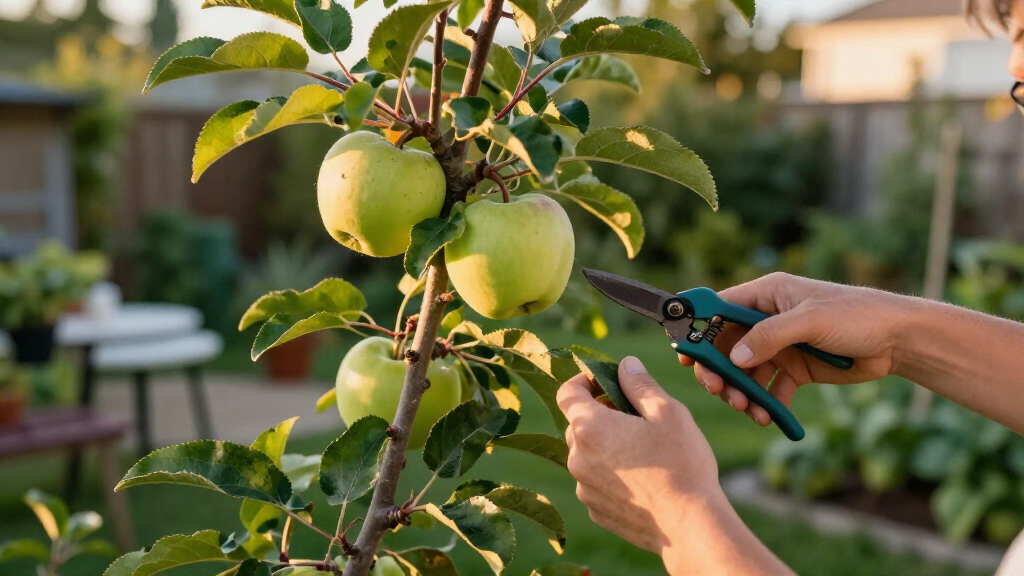
Our evaluation focused on trees’ size and growth habits, fruit production capabilities, ease of maintenance, adaptability to container planting, and overall value. We prioritized options suitable for small yards that do not compromise on yield or health. Trees with proven adaptability to various climates and low-maintenance requirements ranked higher, while those offering multiple fruit varieties or ornamental appeal gained additional consideration. The ranking reflects a balance between affordability, ease of growth, and space efficiency, ensuring options fit a range of small yard scenarios.Factors to Consider When Choosing Best Fruit Trees For Small Yards
Choosing the right fruit tree for a small yard involves understanding several key factors. It’s not just about size, but also how much space each tree needs at maturity, its fruiting habits, and maintenance requirements. Considering these factors helps avoid planting trees that outgrow your yard or require more care than you’re prepared to give. The right choice will boost your success and enjoyment, creating a fruitful landscape even with limited space.Size and Growth Habit
Size is the most obvious consideration for small yards. Look for dwarf or semi-dwarf varieties explicitly bred for limited space. These trees tend to stay smaller and often fit comfortably in containers or small garden beds. Understanding the mature height and spread prevents overcrowding and ensures you can provide adequate care and pruning. Keep in mind that some trees may appear small initially but can grow larger if not pruned regularly, so select a variety with a proven compact habit.
Fruit Variety and Yield
Different fruit trees offer varied harvests and care needs. For small yards, choosing a tree with high productivity relative to its size makes a big difference. Multi-fruit trees or grafted varieties can maximize your harvest in a small space, but they might require more specialized pruning or care. Consider whether you prefer a single fruit type or a mix, and be aware that some trees may have shorter productive lifespans or less reliable yields, influencing long-term satisfaction.
Maintenance and Care
Some fruit trees demand more pruning, fertilizing, or pest management than others. For beginners or those with limited time, selecting low-maintenance options ensures a more enjoyable experience. Trees with strong disease resistance and manageable growth patterns tend to be more forgiving. However, easier trees might produce less fruit or require specific pruning techniques, so balancing effort with reward is essential.
Container Compatibility
Growing fruit trees in containers expands options for small yards, patios, or decks. Not all varieties thrive in pots long-term, so look for those explicitly labeled as container-friendly. Container-grown trees often need more frequent watering and fertilizing but offer greater flexibility in placement. Understanding rootstock and soil needs ensures your potted tree remains healthy and productive, even in limited space.
Ornamental and Additional Features
In small yards, trees that double as ornamental features can enhance your landscape. Flowering, colorful foliage, and attractive bark add visual interest without sacrificing space. However, ornamental trees may not always be as productive as fruit-focused varieties, so prioritize your main goal—whether beauty, harvest, or both—when selecting. Be mindful that ornamental features can sometimes increase pruning or care requirements.
Frequently Asked Questions
Can I grow fruit trees successfully in containers in a small yard?
Yes, many dwarf and semi-dwarf fruit trees are suitable for container planting, making them ideal for small yards. Containers allow you to control soil quality, drainage, and location, which can improve success rates. However, container-grown trees need regular watering, fertilizing, and pruning to stay healthy and productive. Choosing the right size pot and rootstock ensures your tree remains manageable and fruitful over time.
What is the best time to plant fruit trees in a small yard?
The best time to plant depends on your climate, but generally, early spring or fall are ideal for most fruit trees. Planting in early spring allows the tree to establish roots before the growing season, while fall planting gives roots time to settle before winter. Proper site preparation, including good drainage and soil quality, greatly influences success. Ensure you choose a planting window when the tree can acclimate before extreme weather conditions.
How much space should I allocate for a dwarf fruit tree?
Most dwarf fruit trees need about 8-10 feet of space in diameter at maturity, but some varieties stay smaller, around 4-6 feet. Check the specific variety’s mature size and plan accordingly, leaving enough room for growth and maintenance. Proper spacing helps prevent disease and allows sunlight to reach all parts of the tree, improving fruit production. If space is tight, opting for a columnar or patio variety can provide fruit with minimal footprint.
Are multi-fruit or grafted trees worth the extra cost?
Multi-fruit or grafted trees can maximize harvests from a small footprint, offering multiple varieties on a single rootstock. They are especially appealing for small yards where space is limited. However, they often come with higher initial costs and may require more attentive pruning and care to keep all varieties healthy. Weigh the benefits of increased diversity against the ongoing maintenance they demand.
What common mistakes should I avoid when planting fruit trees in a small yard?
A common mistake is selecting a variety that grows too large or has an extensive spread, which can quickly outgrow your space. Overplanting or crowding trees can lead to poor air circulation and disease issues. Failing to consider sunlight exposure or planting too close to structures can affect fruit quality and tree health. Proper planning, including choosing the right size and site, helps prevent these issues and leads to a more successful harvest.
Conclusion
For those seeking an all-around reliable option, the Apple Tree Saplings deliver consistent fruit production with manageable size. Beginners or those with limited gardening experience should consider the Apple, Apricot & Pear Trees Kit for ease of planting and care. Gardeners looking for ornamental appeal might prefer the Crabapple Tree for its stunning blossoms and small stature. If space or budget is tight, the Fruit Trees in Small Spaces provide excellent value, while the more advanced planters interested in maximizing yield might choose the Backyard Orchard Fruit Trees with multiple varieties. Your choice depends on your space, experience, and goals—whether for fresh fruit, beauty, or both.