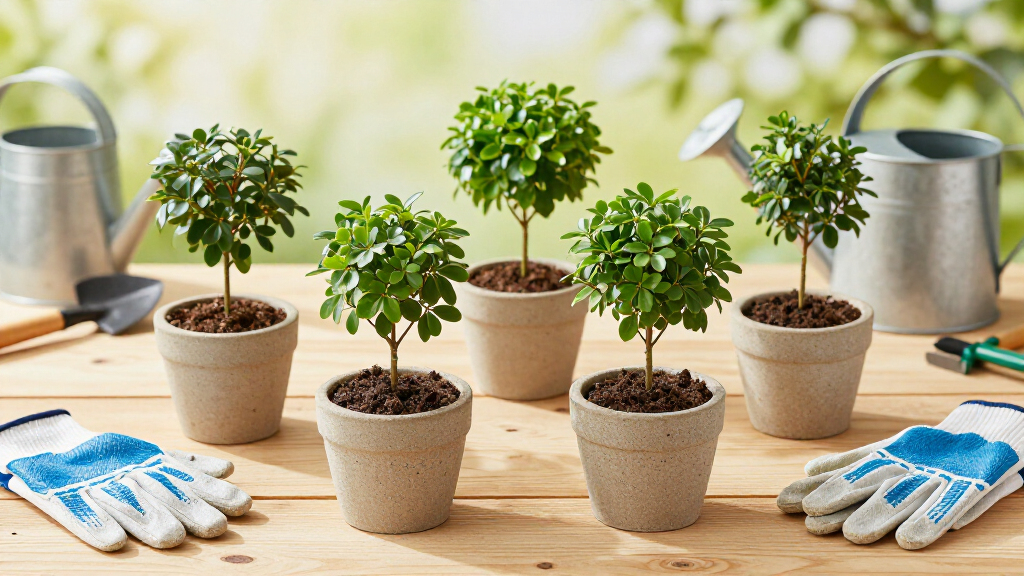
Choosing the right small tree for a garden can transform your outdoor space, offering beauty, privacy, and shade without overwhelming your yard. In 2026, options range from flowering magnolias to evergreens perfect for year-round interest. Among the top picks, the Little Gem Magnolia Tree stands out for its fragrant blooms and compact growth, ideal for adding elegance. The Dwarf Alberta Spruce offers low-maintenance greenery that fits well in smaller spaces, while the Japanese Cedar provides quick privacy with dense foliage. Each choice balances size, growth rate, and ornamental value, but tradeoffs like mature size or specific care needs mean I need to match each tree to the gardener’s goals and conditions.
Complete the kit


Key Takeaways
- The Little Gem Magnolia is perfect for those wanting fragrant, flowering small trees with a manageable size for most landscapes.
- The Dwarf Alberta Spruce offers low-maintenance evergreen appeal suitable for gardeners prioritizing ease and year-round greenery.
- The Japanese Cedar grows quickly and provides instant privacy but demands space and well-drained soil.
- The Lemon Scented Goldcrest adds a fragrant touch but is best for smaller, sunny spots or as an indoor accent.
- Choosing the right tree depends on your space, climate, and whether you prefer flowering, evergreen, or aromatic features.
| Little Gem Magnolia Tree, 1-2 ft, Live Plant |  | Best Overall Small Flowering Tree | Height: 1-2 ft | Mature Height: 20-25 ft | Mature Width: 10-15 ft | VIEW LATEST PRICE | See Our Full Breakdown |
| Picea glauca ‘Conica’ (Dwarf Alberta Spruce) Evergreen – Size Container |  | Best Low-Maintenance Evergreen | Mature Height: 6-8 ft | Mature Spread: 3-4 ft | Zones: 3-8 | VIEW LATEST PRICE | See Our Full Breakdown |
| Radicans Cryptomeria Tree (Japanese Cedar) – Live Plant – 1 Quart |  | Best for Privacy and Fast Growth | Mature Height: 35-40 Feet | Mature Width: 10-15 Feet | Exposure: Full sun to partial shade | VIEW LATEST PRICE | See Our Full Breakdown |
| Lemon Scented Goldcrest Cypress Tree – 2.5″ Pot |  | Best Fragrant Small Tree | Size: 2.5 inches pot | Zones: 7-9 or indoors | Scent: Lemon | VIEW LATEST PRICE | See Our Full Breakdown |
| Dwarf Alberta Spruce 1 Gallon |  | Best Container Evergreen | Size: 1 Gallon | Plant Type: Dwarf Alberta Spruce | VIEW LATEST PRICE | See Our Full Breakdown |
| small trees for garden | Mature Height |
|---|---|
| Little Gem Magnolia Tree | 20-25 ft |
| Picea glauca ‘Conica’ | 6-8 ft |
| Radicans Cryptomeria Tree | 35-40 Feet |
| Lemon Scented Goldcrest Cypres | — |
| Dwarf Alberta Spruce 1 Gallon | — |
More Details on Our Top Picks
Little Gem Magnolia Tree, 1-2 ft, Live Plant
The Little Gem Magnolia stands out for its compact size and stunning white, fragrant flowers that bloom in summer and fall. Its narrow growth makes it versatile for many landscape settings like entryways and small beds. Compared to larger magnolias, it requires less space and less pruning, making maintenance easier. However, its size can be deceiving; the mature height of 20-25 feet may be too large for very small gardens, and its blooming is limited to certain seasons. Still, its ease of care and springtime beauty make it a top choice for gardeners wanting a flowering small tree without much fuss.
Pros:- Easy to care for with included plant food
- Beautiful white flowers with a sweet aroma
- Compact growth suitable for various landscape settings
Cons:- Requires space to reach mature height
- Blooming season limited to summer and fall
- Mature size may be too large for tiny gardens
Best for: Gardeners seeking a flowering, fragrant small tree that adds seasonal interest and elegance.
Not ideal for: Those with very limited space or expecting year-round blooms, as it blooms mainly in summer to fall.
- Height:1-2 ft
- Mature Height:20-25 ft
- Mature Width:10-15 ft
- Flowering Season:Summer to fall
- Flowers:White, fragrant
- Growth Habit:Narrow
Our verdict“A graceful, flowering small tree ideal for those who want fragrance and elegance without complex maintenance.”
Picea glauca ‘Conica’ (Dwarf Alberta Spruce) Evergreen – Size Container
The Dwarf Alberta Spruce is a slow-growing conifer that remains compact and tidy, making it perfect for small gardens or containers. Its dense, needle-like foliage offers year-round greenery, and it thrives with minimal care once established. Compared with faster-growing trees, it requires less pruning and is more forgiving of less-than-ideal conditions. However, it needs full sun or partial shade and is limited to zones 3-8, so gardeners in warmer or colder zones may need alternatives. Its size and low maintenance make it a dependable choice for gardeners who want evergreen structure with minimal effort.
Pros:- Low maintenance and rugged dependability
- Slow growth habit reduces pruning needs
- Can be planted immediately upon arrival
Cons:- Requires full sun or partial shade
- Limited to zones 3-8
- Mature height of 6-8 feet may be large for tiny spaces
Best for: Gardeners seeking a low-maintenance, evergreen focal point in small or container gardens.
Not ideal for: Those in zones outside 3-8 or wanting rapid growth or flowering features.
- Mature Height:6-8 ft
- Mature Spread:3-4 ft
- Zones:3-8
- Planting:In soil, immediately upon arrival
Our verdict“A dependable, slow-growing evergreen perfect for low-effort year-round greenery in suitable zones.”
Radicans Cryptomeria Tree (Japanese Cedar) – Live Plant – 1 Quart
The Japanese Cedar offers rapid growth, quickly reaching heights of 35-40 feet, with dense, dark green foliage that provides excellent privacy. Its quick growth rate makes it suitable for gardeners who want instant screening, but it also requires plenty of space and well-drained soil to thrive. Compared to the slow-growing spruces, it offers immediate impact but demands more maintenance and space. Its height and width could be a drawback for small gardens, and without proper soil, it may struggle. Still, for larger gardens or privacy needs, this cedar is a highly effective choice.
Pros:- Fast-growing and tall, providing quick privacy
- Dense, evergreen foliage for year-round beauty
- Suitable for various garden settings with full sun to partial shade
Cons:- Requires space due to its height and width
- Needs well-drained soil for optimal growth
- May not be suitable for very small gardens
Best for: Gardeners needing fast privacy, with space to accommodate tall, dense trees.
Not ideal for: Small gardens or those in zones outside 6-9, where space and climate are limiting factors.
- Mature Height:35-40 Feet
- Mature Width:10-15 Feet
- Exposure:Full sun to partial shade
- Hardiness Zones:6-9
Our verdict“Ideal for large spaces and privacy-focused gardens that can accommodate its height and growth rate.”
Lemon Scented Goldcrest Cypress Tree – 2.5″ Pot
The Goldcrest Cypress offers a delightful lemon scent and a charming, compact size, making it perfect for indoor or outdoor use. Its aromatic foliage adds a sensory element to gardens or indoor spaces, and it can serve as a small accent or even a festive indoor Christmas tree. Compared to larger or non-scented options, its fragrance is a key feature, but it requires a sunny spot for optimal growth, and detailed care instructions are limited. Its small size makes it suitable for container planting or fairy gardens, though it may not grow very large over time.
Pros:- Fresh lemon scent adds a pleasant aroma
- Versatile for indoor, outdoor, or fairy gardens
- Suitable as an indoor Christmas tree
Cons:- Requires sunny location for best growth
- Limited information on mature size or care specifics
- May need protection in harsh weather
Best for: Gardeners looking for a fragrant, versatile small tree suitable for containers or indoor spaces.
Not ideal for: Those seeking large, landscape-scale trees or who lack a sunny location.
- Size:2.5 inches pot
- Zones:7-9 or indoors
- Scent:Lemon
Our verdict“A charming, fragrant small tree ideal for adding sensory appeal in limited spaces.”
Dwarf Alberta Spruce 1 Gallon
This Dwarf Alberta Spruce in a 1-gallon container offers a compact, evergreen shrub suitable for small gardens and container planting. Its manageable size makes it easy to prune and shape, fitting well into decorative landscapes or as a container feature. Compared with larger specimens, the 1-gallon size is perfect for gardeners who want immediate greenery without waiting for growth. On the downside, it cannot be shipped to California and may need winter protection in colder zones. Still, for versatile landscaping and container use, it’s a reliable pick.
Pros:- Compact size suitable for small spaces
- Evergreen foliage provides year-round interest
- Easy to maintain and suitable for containers
Cons:- Cannot ship to California
- Limited shipping options
- May need winter protection in cold zones
Best for: Gardeners needing a small, evergreen shrub for decorative or container use.
Not ideal for: Those outside zones where shipping is restricted or seeking tall, fast-growing trees.
- Size:1 Gallon
- Plant Type:Dwarf Alberta Spruce
Our verdict“A versatile, easy-to-maintain evergreen shrub perfect for small gardens and containers.”
How We Picked
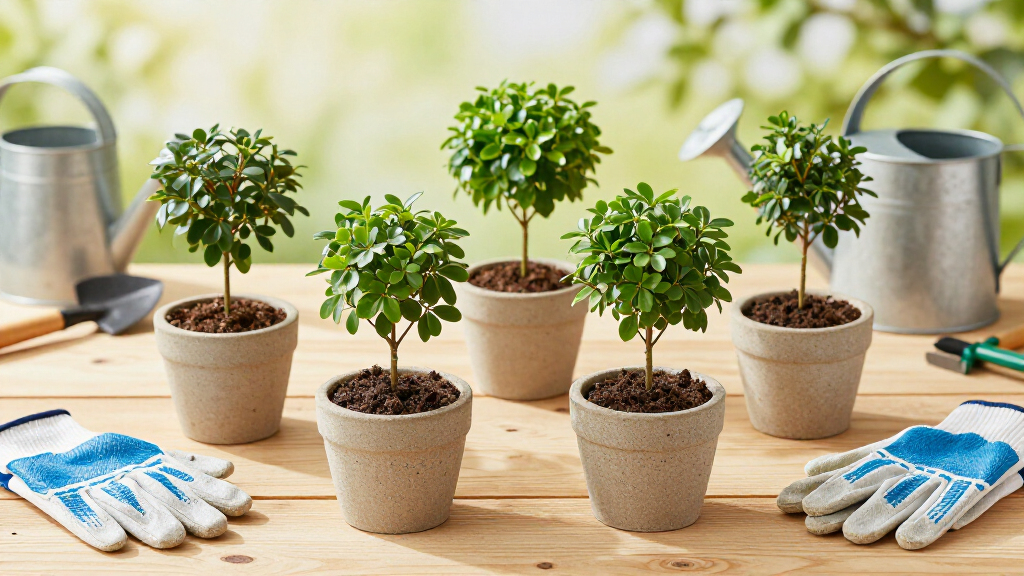
Our selection process focused on small trees that are suitable for typical garden spaces, balancing size, growth rate, and ease of care. We prioritized trees with proven adaptability across various zones and those offering aesthetic or functional benefits like flowering, privacy, or fragrance. To ensure variety, we included deciduous and evergreen options, from flowering magnolias to conifers and aromatic trees. Each tree was evaluated for its growth habit, maintenance needs, and suitability for different garden styles, with an eye on tradeoffs such as mature size or specific climate requirements. Our goal was to recommend options that fit a range of gardening goals, from ornamental to practical.
Factors to Consider When Choosing Best Small Trees For Gardens
Selecting the best small tree for your garden involves considering size, growth rate, climate, and purpose. Whether you’re after flowering beauty, year-round greenery, fragrant accents, or quick privacy, understanding each tree’s needs and tradeoffs helps ensure a satisfying choice. In this guide, I’ll cover key factors to weigh when choosing a small tree and how to match your garden conditions with the right species.Size and Growth Rate
Size is the most obvious factor—consider your available space and how large the tree will get at maturity. Some trees, like the Little Gem Magnolia, stay relatively small initially but can grow 20-25 feet tall. Others, like the Japanese Cedar, grow quickly and need room to develop. Growth rate influences how soon you’ll see the benefits; slow-growing trees like the Dwarf Alberta Spruce require patience but need less pruning, while fast growers provide instant privacy but may outgrow small spaces quickly.
Climate and Hardiness Zones
Matching a tree’s hardiness zone to your climate is vital. For example, the Dwarf Alberta Spruce thrives in zones 3-8, making it suitable for colder or moderate regions. The Japanese Cedar prefers zones 6-9, so gardeners in warmer or cooler zones should explore alternatives. Knowing your zone helps avoid surprises like frost damage or poor growth.
Purpose and Aesthetic Needs
Decide if your focus is flowering, privacy, fragrance, or year-round greenery. The Little Gem Magnolia offers fragrant blooms, while the Japanese Cedar provides quick privacy with dense foliage. The Goldcrest Cypress adds aromatic interest, and the Dwarf Alberta Spruce offers evergreen appeal with minimal fuss. Clarifying your goals ensures your small tree enhances your garden exactly as you envision.
Maintenance and Care
Most small trees require some level of maintenance, but some are particularly low-effort. The Dwarf Alberta Spruce, for example, needs minimal pruning and tolerates a variety of soil types, making it ideal for busy gardeners. Others, like the Japanese Cedar, need well-drained soil and space. Understanding these needs helps match your gardening schedule and skill level with the right tree.
Frequently Asked Questions
How much space does a small tree need to grow properly?
Most small trees need enough room to reach their mature width and height without crowding other plants or structures. For example, the Little Gem Magnolia requires a space that allows it to grow up to 15 feet wide, while the Dwarf Alberta Spruce needs about 4 feet of space to develop fully. Planning for eventual size helps prevent future transplanting or pruning issues.
Can I plant these small trees in containers?
Absolutely. Several options like the Dwarf Alberta Spruce and Goldcrest Cypress are well-suited for container planting, which allows for flexibility in placement and mobility. Just ensure containers have adequate drainage, and consider the mature size of the tree to avoid root-bound conditions. Regular watering and fertilizing will keep container trees healthy.
Are small trees suitable for all climates?
Not all small trees thrive in every climate. Zone compatibility is key—trees like the Dwarf Alberta Spruce do well in colder zones, while the Japanese Cedar prefers milder climates. Always check your USDA hardiness zone before planting to ensure your chosen species will survive and flourish.
How fast do these trees grow?
The growth rate varies significantly. The Japanese Cedar is a quick grower, reaching 35-40 feet in a few decades, while the Dwarf Alberta Spruce grows very slowly, often less than a foot per year. The Little Gem Magnolia has a moderate growth rate, adding a few feet annually once established. Your patience and desired timeline will influence your choice.
What maintenance is required for these small trees?
Maintenance needs depend on the species. The Dwarf Alberta Spruce requires minimal pruning, whereas the Japanese Cedar may need occasional shaping and attention to soil drainage. Flowering magnolias like the Little Gem benefit from pruning after flowering to maintain shape. Overall, most small trees are low to moderate maintenance, with evergreen options generally requiring less upkeep.
Conclusion
For gardeners seeking a flowering focal point, the Little Gem Magnolia offers fragrance and elegance with moderate size. Those prioritizing ease and year-round greenery may prefer the Dwarf Alberta Spruce, especially if they want minimal maintenance. Larger spaces or privacy needs make the Japanese Cedar a strong candidate, but it’s less suitable for small or confined gardens. For fragrance lovers or small indoor spaces, the Goldcrest Cypress adds a scented touch. Ultimately, your choice should consider your climate, space, and garden goals to select a small tree that will thrive and enhance your outdoor environment.