
TL;DR
Gardeners often unknowingly create conditions that foster aphid infestations. This article identifies four common mistakes and offers practical prevention tips to keep aphids at bay.
Gardeners frequently face aphid infestations, which can severely damage plants if not managed early. Recent expert guidance identifies four common mistakes that create ideal conditions for these pests to thrive, emphasizing the need for proper garden practices to prevent outbreaks.
According to horticultural specialists, the four most common mistakes leading to aphid infestations include over-fertilizing with nitrogen, planting susceptible species in poor soil, neglecting regular plant inspection, and improper pruning techniques. These errors create favorable environments for aphids to reproduce rapidly and spread across garden plants.
Over-fertilization, especially with nitrogen-rich fertilizers, encourages lush, tender growth that aphids prefer. Planting vulnerable species in nutrient-deficient or poorly maintained soil weakens plants’ natural defenses, making them more attractive to pests. Failing to regularly inspect plants allows early signs of aphid presence to go unnoticed, while improper pruning can create wounds that attract pests or disrupt plant health, facilitating infestation.
Experts recommend adjusting fertilization practices, selecting resistant plant varieties, conducting routine inspections, and employing correct pruning methods to mitigate these risks. Taking these steps can significantly reduce the likelihood of an aphid outbreak, saving gardeners time and resources in pest control efforts.
Impact of Gardening Mistakes on Aphid Outbreaks
This information matters because aphids are among the most common and damaging garden pests, capable of transmitting plant diseases and causing stunted growth or death in severe cases. Understanding and avoiding these four mistakes can help gardeners maintain healthier plants and reduce reliance on chemical controls, promoting sustainable gardening practices.
As an affiliate, we earn on qualifying purchases.
Background on Aphid Infestation Causes
Aphids are small sap-sucking insects that reproduce rapidly under favorable conditions. They are attracted to tender new growth, which is why garden practices that promote lush, vulnerable plants can inadvertently encourage infestations. Historically, over-fertilization and neglecting early pest detection have been identified as primary factors in widespread aphid problems. Recent advice from gardening experts consolidates these findings, emphasizing that simple, proactive measures can effectively prevent large-scale infestations.
Unconfirmed Aspects of Aphid Prevention Strategies
It is not yet clear how effective certain organic pest control methods are in different climates or soil types. Additionally, the long-term impact of specific fertilization adjustments on aphid populations remains under study. Further research is needed to confirm the best practices across diverse gardening environments.Next Steps for Gardeners and Researchers
Gardeners are advised to review and modify their fertilization and pruning routines based on expert recommendations. Ongoing studies aim to refine pest prevention methods, and future guidance may include tailored strategies for different regions and plant types. Monitoring for early signs of aphids and applying integrated pest management techniques will remain crucial components of effective control.
Key Questions
How can I tell if my plants have an aphid infestation?
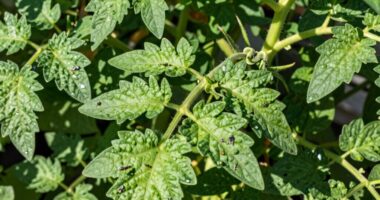
Look for clusters of small, soft-bodied insects on new growth, along with curled or yellowing leaves. Sticky honeydew and sooty mold are also signs of aphid presence.
Are chemical pesticides necessary to control aphids?
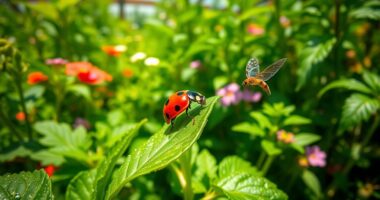
Not always. Many organic methods, such as introducing natural predators like ladybugs, applying insecticidal soaps, or using neem oil, can effectively manage aphids without harmful chemicals.
Can fertilizing my garden help prevent aphids?
While proper fertilization is important, over-fertilizing with nitrogen can actually promote aphid outbreaks by encouraging tender growth. Balanced fertilization supports plant health and resilience.
What are the best pruning practices to avoid attracting aphids?
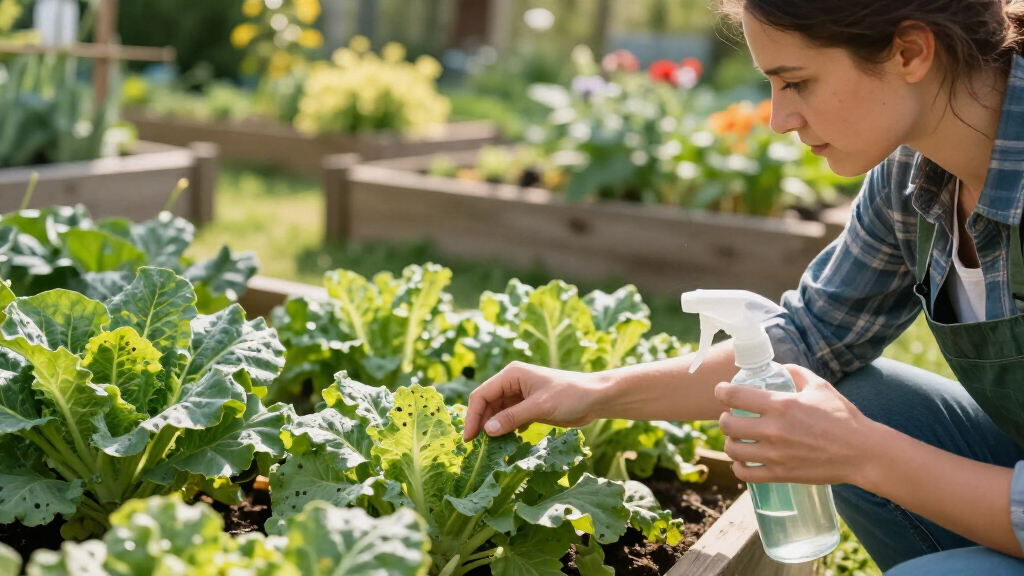
Prune carefully to avoid creating wounds and remove heavily infested branches promptly. Use clean, sharp tools and dispose of pruned material away from healthy plants to prevent pest spread.
When should I start inspecting my plants for aphids?
Begin regular inspections early in the growing season, especially during periods of rapid new growth in spring and early summer, to catch and address infestations promptly.
Source: rss