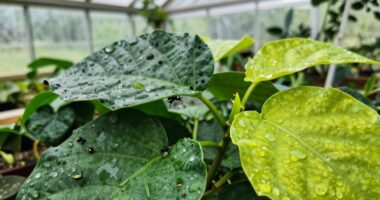
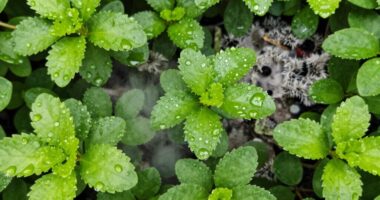
Most greenhouse gardeners overlook the subtle, microscopic pest patterns that silently damage plants before any visible signs appear. These tiny pests and hidden diseases often go unnoticed because their damage is subtle and symptoms can be easily confused with other issues. If you focus only on obvious pests, you might miss the early warning signs of hidden threats. Paying close attention to microscopic indicators can save your crops. Keep this in mind, and you’ll discover how to spot these elusive pests more effectively.

Get garden gear delivered free with Prime
- Fast, free delivery on millions of items
- Prime Video, Amazon Music and more included
- Member-only deals all year
Key Takeaways
- Microscopic pests and diseases often cause silent damage without obvious symptoms, leading to missed early detection.
- Initial signs like subtle discoloration or wilting are frequently overlooked, allowing pests to establish unnoticed.
- Regular, detailed inspections and magnification are essential to identify hidden pests before they spread.
- Overreliance on visible pests like aphids can cause gardeners to miss microscopic threats.
- Proper pest identification and monitoring enable early intervention, preventing severe infestations.

Greenhouse gardeners often focus on visible pests like aphids or whiteflies, but they frequently overlook a subtle, yet widespread pattern of infestation that can silently damage plants: the unseen spread of microscopic pests and diseases. These tiny invaders don’t announce their presence with obvious signs, making them easy to miss until significant damage has occurred. That’s why pest identification becomes essential in managing these hidden threats. You need to learn how to recognize early, subtle symptoms—discolored spots, wilting, or distorted growth—that often hint at microscopic pest activity or disease onset. Without proper identification, you might treat the wrong problem or delay action, worsening the situation. Recognizing these hidden threats early on allows for more effective intervention before extensive damage happens. Incorporating early detection methods can significantly improve your ability to catch issues in their initial stages. When it comes to managing these hidden pests, biological control offers an effective, eco-friendly approach. Instead of relying solely on chemical treatments, you introduce natural enemies—predatory mites, parasitic wasps, or beneficial nematodes—that specifically target microscopic pests or their larvae. These biological agents can help control infestations at their source without harming your plants or beneficial insects. But to use biological control successfully, pest identification is key. You need to correctly diagnose what’s invading your plants—whether it’s a microscopic mite, a fungal pathogen, or a bacterial disease—to select the right biological agent. Accurate identification saves you money and effort, guaranteeing you address the root of the problem instead of just the symptoms. Monitoring is another indispensable step in catching these covert pests early. Regular inspection of your plants, including the undersides of leaves and roots, helps you spot anomalies before they escalate. Use magnifiers or microscopes if needed, especially when you suspect microscopic pests. Early detection, combined with proper sanitation practices, allows you to prevent the spread of hidden pests and diseases. Early detection allows you to implement biological controls promptly, preventing widespread damage. Additionally, understanding the signs and symptoms of various microscopic pests can help differentiate between similar issues, making your management efforts more precise. Learning to distinguish between different infections or pests takes practice but pays off in effective management. Recognizing that pests can hide beneath the surface and often spread through contaminated tools or equipment emphasizes the importance of sanitation in pest prevention. Ultimately, understanding this unseen pattern of infestation changes how you approach greenhouse pest management. Instead of reacting only to visible pests, you adopt a proactive mindset—regularly inspecting, accurately identifying, and employing biological control methods tailored to microscopic threats. This all-encompassing approach helps maintain healthier plants, reduces reliance on chemicals, and creates a balanced environment where pests are managed naturally. Recognizing that pests can hide beneath the surface ensures you don’t overlook the silent threats that could undermine your entire crop.
Products Worth Considering

AMERLIFE 34 x 10 x 7 ft Walk-In Tunnel Greenhouse with Watering System

Jocoevol 6 x 8 ft Walk-In Greenhouse with Polycarbonate Panels

EAGLE PEAK 8 × 6 ft Walk-In Pop-Up Greenhouse, Green and White
As an affiliate, we earn on qualifying purchases.
Frequently Asked Questions
How Can I Identify the Early Signs of This Pest Pattern?
To identify the early signs of this pest pattern, keep an eye out for subtle damage like tiny holes or discolored spots on your plants. Observe pest lifecycle stages—eggs, larvae, or adults—and note their presence. Incorporate biological control methods early, such as introducing natural predators, before the pest problem escalates. Regular inspections help you catch these signs quickly, enabling effective management before significant damage occurs.
Are There Specific Plants More Vulnerable to This Pest?
You’ll find that some plants are more vulnerable to this pest due to their low pest resistance, making plant susceptibility a key factor. Remarkably, studies show that leafy greens like lettuce and spinach are often more affected early on. To protect your garden, focus on those with higher pest resistance, and keep an eye on highly susceptible plants. This way, you can catch the issue before it spreads.
What Environmental Conditions Promote This Pest’s Development?
Warm, humid environments promote this pest’s development by accelerating its lifecycle and creating ideal conditions for reproduction. You should monitor environmental conditions closely, as high humidity and moderate temperatures favor pest growth. Biological control methods can help manage infestations early, disrupting the pest lifecycle before populations explode. Maintaining proper ventilation and reducing excess moisture are essential steps to prevent this pest from thriving in your greenhouse.
How Often Should I Inspect for This Pest in My Greenhouse?
You should inspect your greenhouse weekly, especially during active growing seasons. Regular checks help catch pests early before they spread. Incorporate crop rotation and pest-resistant varieties into your gardening routine to minimize pest issues. By combining consistent inspections with these practices, you reduce the risk of infestations and protect your plants effectively. Staying vigilant and proactive is key to maintaining a healthy, pest-free greenhouse environment.
Can Natural Predators Effectively Control This Pest?
Yes, natural predators can effectively control this pest through biological control methods. You should consider predator introduction, releasing beneficial insects like ladybugs or predatory mites to target the pests naturally. Make certain you introduce the predators at the right pest population levels and monitor their activity regularly. Combining biological control with good sanitation and proper environmental conditions can considerably reduce pest numbers, minimizing the need for chemical interventions.
Conclusion
If you ignore this pest pattern, you’ll find yourself battling an unstoppable invasion that could wipe out your entire greenhouse overnight. It’s like ignoring a tiny spark that suddenly ignites a wildfire—destroying everything you’ve worked so hard to grow. Don’t let overlooked signs turn your lush paradise into a barren wasteland. Stay vigilant, catch the pattern early, and protect your plants fiercely, because missing this could mean losing your greenhouse forever—don’t let it happen!