TL;DR
Gardening trend indicates that planting inexpensive bulbs this fall can produce colorful flower drifts in lawns during autumn. Experts recommend planting now for best blooms. The trend is gaining attention but specifics remain unconfirmed.
Gardening experts and trend observers are encouraging homeowners to plant inexpensive bulbs in their lawns now, as this practice is believed to produce vibrant drifts of fall flowers in the coming weeks. Although official studies are lacking, the trend’s rising popularity suggests many are exploring this low-cost method to enhance autumn landscapes.
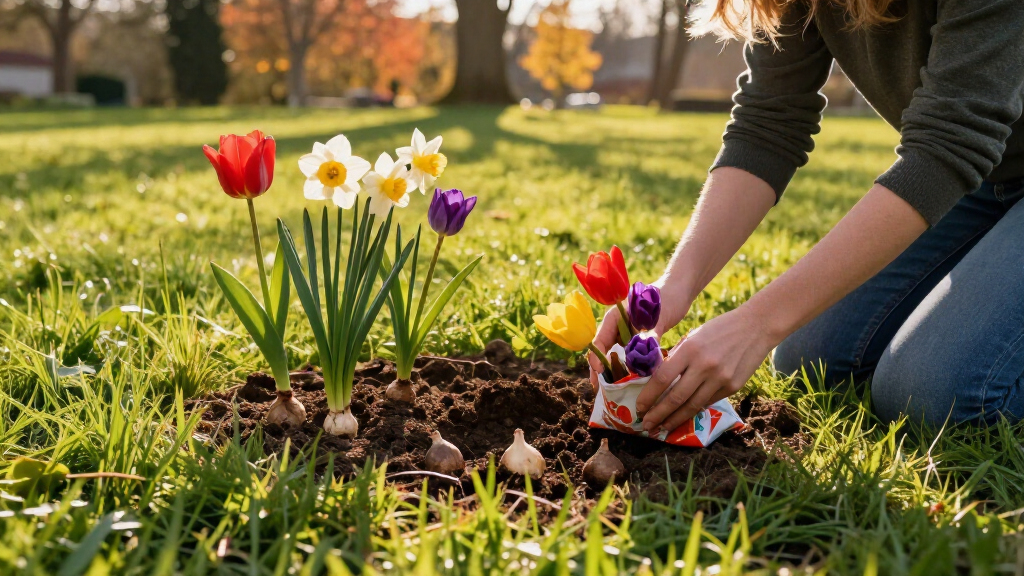
The trend centers on planting bulbs that cost around $1 each during the fall planting window, typically from late September through October, depending on the region. Common varieties recommended include crocuses, daffodils, and colchicums, which are known for their early bloom times and colorful displays.
Sources indicate that planting these bulbs now can lead to striking flower drifts across lawns, creating a natural, colorful carpet that enhances curb appeal and garden aesthetics. Plant These 6 Bulbs In September For Enchanting Flowers That Appear Like Magic Through Fall Experts suggest that proper planting depth—usually two to three times the bulb’s height—and well-drained soil are key factors for successful growth. What Orchids Need In August To Keep Blooming Through Fall & Winter – 6 Easy Tasks To Do Now For More Flowers
While the trend is gaining traction among gardening communities and social media users, it is important to note that there is no formal scientific validation or extensive horticultural research confirming the effectiveness of this specific approach. Gardening Season’s Not Over! Plant These 7 Vegetables In September For Harvests This Fall And Next Spring The advice largely stems from anecdotal reports and gardening forums.
Why This Trend Matters for Home Gardeners
This trend offers a low-cost, accessible way for homeowners to improve their lawns’ appearance during fall without significant effort or expense. If successful, planting these inexpensive bulbs can provide a burst of color that enhances curb appeal and potentially increases property value.
Additionally, this practice encourages more sustainable gardening by utilizing naturalized bulbs that can multiply over time, reducing the need for annual planting. It also aligns with a broader interest in DIY landscaping and seasonal garden planning.
As an affiliate, we earn on qualifying purchases.
Recent Rise in Interest and Planting Tips
Interest in planting fall bulbs has surged in recent weeks, likely driven by social media trends and gardening forums emphasizing cost-effective and natural landscaping ideas. Historically, planting bulbs in the fall is a common horticultural practice, but the specific focus on inexpensive, mass planting in lawns appears to be a newer development.
Traditionally, bulbs like tulips and hyacinths are planted in spring for spring blooms, but some varieties such as colchicums and crocuses bloom in fall, making them suitable for this trend. Experts recommend planting during the cooler, moist conditions of early fall to ensure proper rooting before winter dormancy.
It is worth noting that the trend’s popularity is based on anecdotal reports, and there is no comprehensive scientific validation yet. Local climate variations and soil conditions can significantly influence outcomes.
Unconfirmed Effectiveness and Regional Variability
There is limited scientific data on the consistency of this planting method’s success across different regions and soil types. Outcomes may vary based on factors such as soil drainage, bulb variety, and climate conditions. Currently, the evidence is anecdotal, and results are not guaranteed.
Monitoring Results and Expert Recommendations
Gardeners are encouraged to try planting inexpensive bulbs this fall and share their experiences. Observing regional results can help determine the effectiveness of this approach. Local horticultural groups may also conduct informal assessments to gather more data.
In the future, more research and regional feedback could lead to clearer guidelines or best practices for this trend.
Key Questions
Which bulbs are best for planting now for fall flowers?
Recommended bulbs include crocuses, colchicums, and early daffodils, which bloom in fall and are suitable for naturalized lawns.
How deep should I plant these bulbs?
Plant bulbs at a depth of two to three times their height, ensuring they are well-covered but not buried too deep.
Will planting inexpensive bulbs harm my lawn or soil?
No, most bulbs are safe to plant in lawns if proper planting techniques are followed. Ensure good soil drainage and avoid planting in overly compacted areas.
When is the best time to plant these bulbs?
The optimal window is during early to mid-fall, typically from late September through October, depending on your climate zone.
Are there any risks or downsides to this approach?
Success is not guaranteed, and poor soil conditions or incorrect planting depth can reduce bloom likelihood. It is also uncertain whether all varieties will produce the desired drifts of flowers.
Source: rss