
TL;DR

Get garden gear delivered free with Prime
- Fast, free delivery on millions of items
- Prime Video, Amazon Music and more included
- Member-only deals all year
This article outlines six confirmed tasks gardeners should do in August to help orchids continue blooming into fall and winter. Proper care now can extend flowering periods and promote healthy growth.
Gardening experts advise that August is the critical month for orchid care to ensure continuous blooming into fall and winter. Implementing six specific tasks now can promote healthy growth and extend flowering periods, according to horticultural sources.
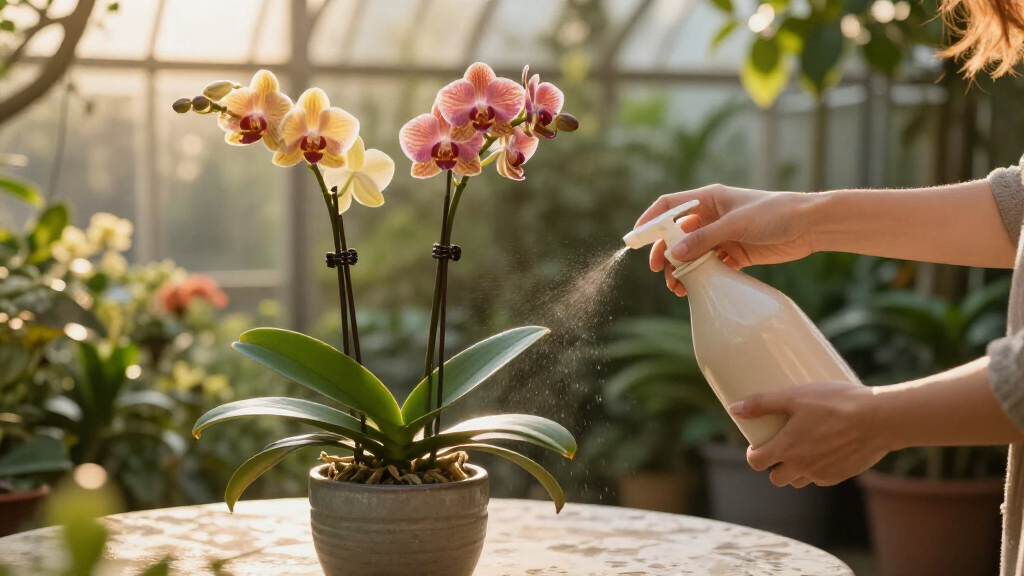
Orchid growers are encouraged to focus on watering, fertilizing, repotting, pruning, and providing proper light and temperature conditions during August. These actions are confirmed as effective by horticultural specialists and are recommended to be done now to support the plants’ flowering cycle. For instance, regular watering should be adjusted based on the orchid type and environment, and fertilization with a balanced orchid-specific fertilizer can boost blooming potential. Repotting, if necessary, should be done carefully to avoid damaging roots, and pruning dead or faded flower stems can stimulate new growth. Additionally, ensuring orchids receive adequate indirect light and maintaining appropriate temperature ranges are vital for sustained blooming, according to experts from botanical institutions.Why August Care Is Key to Long-Lasting Orchid Blooms
Proper care in August directly influences whether orchids will continue to bloom through fall and winter. By following these six tasks, gardeners can enjoy vibrant flowers for an extended period, which enhances aesthetic appeal and plant health. Maintaining healthy orchids also reduces the risk of pests and diseases, saving time and resources later. This guidance is especially relevant for hobbyists and professional growers aiming to maximize their orchids’ flowering potential during the colder months when natural growth slows. Overall, timely care now can lead to more consistent and prolonged flowering, making orchids a year-round feature in homes and gardens.As an affiliate, we earn on qualifying purchases.
August as the Critical Month for Orchid Care
Orchids typically bloom in cycles influenced by environmental conditions and care routines. Many varieties, such as Phalaenopsis, often bloom once a year, but proper maintenance in August can encourage re-blooming or prolong existing flowers. Previous horticultural advice has emphasized the importance of adjusting watering and fertilization during late summer to support flowering. This year, experts reaffirm that August is the optimal time to prepare orchids for the upcoming fall and winter seasons, especially as daylight hours decrease and temperatures fluctuate. Historically, neglecting these care steps can lead to early flower drop or reduced blooming in subsequent seasons, making August care vital for sustained flowering cycles.What Specific Conditions Are Most Effective for Extended Blooming?
While general care recommendations are confirmed, the precise impact of different light intensities, temperature ranges, and fertilization schedules on various orchid species remains under study. Variability among orchid types means some plants may respond differently to the same care routines, and ongoing research aims to refine these guidelines.Next Steps for Orchid Care After August
Gardeners should monitor their orchids closely for signs of new growth or flowering, adjusting watering and fertilization as needed. As fall approaches, maintaining consistent care routines and protecting orchids from temperature extremes will be essential. Experts suggest preparing for repotting or pruning in late summer or early fall if necessary, and observing how individual plants respond to care routines to optimize blooming in upcoming months.Key Questions
Can I repot my orchids in August?
Yes, if the orchids have outgrown their current pots or show signs of root rot, August is an appropriate time for repotting, provided care is taken to minimize stress and avoid damaging roots.
How often should I fertilize my orchids in August?
Fertilize orchids every two weeks with a balanced, orchid-specific fertilizer to promote healthy growth and flowering, according to horticultural advice.
What temperature range is ideal for orchids in August?
Most orchids thrive in daytime temperatures of 75-85°F (24-29°C) and nighttime temperatures around 60-65°F (15-18°C). Maintaining these ranges helps support blooming.
How can I tell if my orchids are stressed or unhealthy?
Signs include yellowing leaves, limp or drooping flowers, and root rot or mold. Regular inspection and proper care can prevent these issues.
Will pruning in August encourage more blooms?
Pruning dead or faded flower stems can stimulate new growth and potentially encourage additional flowering later in the season.
Source: rss
Fall yard work Picks
leaf blowers
As an affiliate, we earn on qualifying purchases.