
TL;DR

Get garden gear delivered free — and shop member deals
- Fast, free delivery on millions of items
- Access to Prime Big Deal Days deals on October 6–7
- Prime Video, Amazon Music and more included
Search interest in snake plant care is rising, driven by many plant owners noticing their plants turning yellow. Experts recommend five simple remedies to restore health and prevent further yellowing.
Many snake plant owners are noticing their plants turning yellow, prompting a surge in search interest for solutions. Experts confirm that this common issue can often be addressed with simple remedies, helping owners save their plants before damage becomes irreversible.
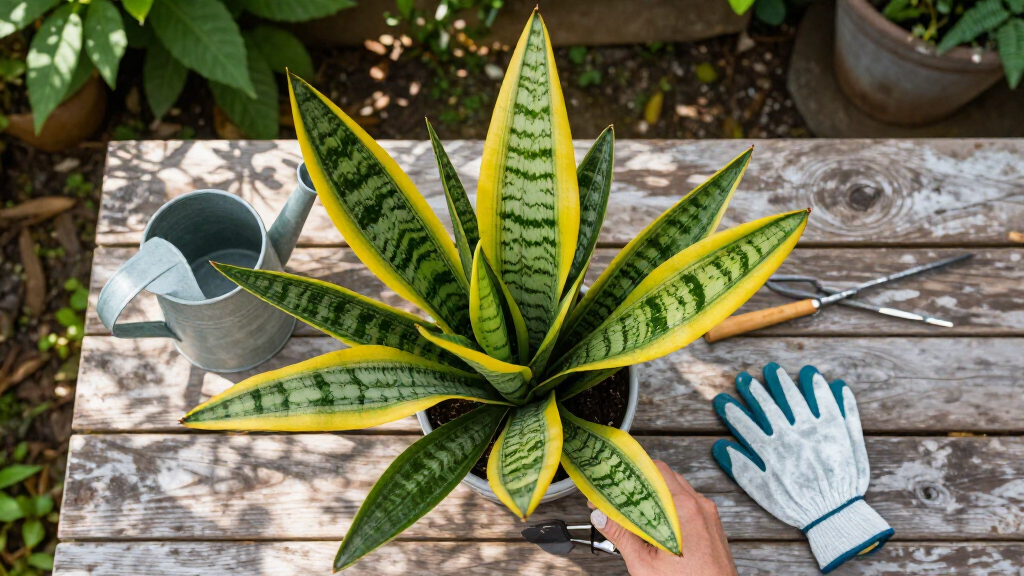
The yellowing of snake plants, also known as Sansevieria, is typically caused by overwatering, improper lighting, or poor soil drainage. According to horticultural specialists, addressing these issues promptly can often revive the plant’s health.
Five remedies are frequently recommended by plant care experts: adjusting watering habits, improving light exposure, repotting with proper soil, ensuring adequate drainage, and avoiding temperature stress. These solutions are accessible and straightforward for most plant owners to implement at home.
While some cases of yellowing may be due to underlying diseases or pests, most are caused by environmental factors that can be corrected with proper care. Experts advise monitoring the plant closely to determine the root cause and applying the appropriate remedy quickly.
Why Snake Plant Yellowing Matters for Houseplant Care
Yellowing snake plants can indicate underlying issues that, if left unaddressed, may lead to irreversible damage or plant death. As a popular and low-maintenance houseplant, snake plants are often used to improve indoor air quality and aesthetic appeal. Understanding how to prevent and treat yellowing ensures plant owners can maintain healthy, vibrant plants, saving money and effort in the long run.
This trend reflects broader concerns about indoor plant health, especially as many new plant owners experiment with care routines. Effective remedies empower owners to troubleshoot common problems and foster a sustainable, enjoyable plant-keeping experience.
As an affiliate, we earn on qualifying purchases.
Background on Snake Plant Care and Common Problems
Snake plants are among the most popular houseplants due to their resilience and minimal maintenance requirements. However, they are susceptible to environmental stressors such as overwatering, low light, and poor soil drainage, which can cause yellowing leaves.
Recent online searches and social media discussions indicate a spike in concern about yellowing snake plants, possibly driven by increased houseplant popularity and seasonal changes affecting indoor conditions. While no official study links this trend to specific causes, the pattern suggests many owners are encountering similar issues.
Previous advice from horticulturists emphasizes proper watering schedules, adequate lighting, and suitable soil composition to prevent common problems like yellowing and leaf droop.
Unconfirmed Causes and Ongoing Research
While environmental factors are widely recognized as primary causes of yellowing, it remains unclear whether other issues such as pests, diseases, or specific nutrient deficiencies are contributing to the recent spike in concern. No comprehensive studies have yet confirmed these additional factors.
Additionally, the exact triggers for the increased search interest and coverage are not confirmed, though seasonal changes and rising houseplant popularity are suspected influences.
Next Steps for Plant Owners and Industry Experts
Plant enthusiasts are advised to implement the five remedies promptly and monitor their snake plants for improvement. Experts suggest that further research may clarify the underlying causes of widespread yellowing, potentially leading to more targeted treatments.
In the coming weeks, horticultural organizations or plant care companies might release updated guidelines or tools to assist owners in diagnosing and treating yellowing issues more effectively.
Key Questions
How do I know if my snake plant’s yellowing is serious?
If the yellowing is widespread, persistent, and accompanied by soft or rotting leaves, it may indicate severe damage or disease. In such cases, consulting a plant specialist is recommended.
Can overwatering really cause my snake plant to turn yellow?
Yes, overwatering is one of the most common causes of yellowing in snake plants. They prefer dry soil and can suffer root rot if kept too moist.
What is the best way to improve light conditions for my snake plant?
Snake plants thrive in bright, indirect light but can tolerate low light. Moving the plant closer to a window or providing filtered sunlight can help prevent yellowing caused by insufficient light.
Should I repot my snake plant if it’s yellowing?
Repotting with fresh, well-draining soil can help if the current soil is compacted or retaining too much moisture. Ensure the new pot has drainage holes.
Are pests a common cause of yellowing in snake plants?
Pests are less common but can cause yellowing if infestations occur. Check for signs of pests like mealybugs or spider mites and treat accordingly.
Source: rss
Fall yard work Picks
leaf blowers
As an affiliate, we earn on qualifying purchases.