TL;DR
A gardener chooses to let her passionflower overgrow her fence, citing benefits beyond aesthetics. Experts discuss the ecological and practical reasons for this approach.
A gardener has publicly explained her decision to allow her passionflower to overgrow her fence, emphasizing that her choice is motivated by ecological and practical benefits, not just its appearance. This approach reflects a growing trend among gardeners to prioritize sustainability and biodiversity in their gardening practices.
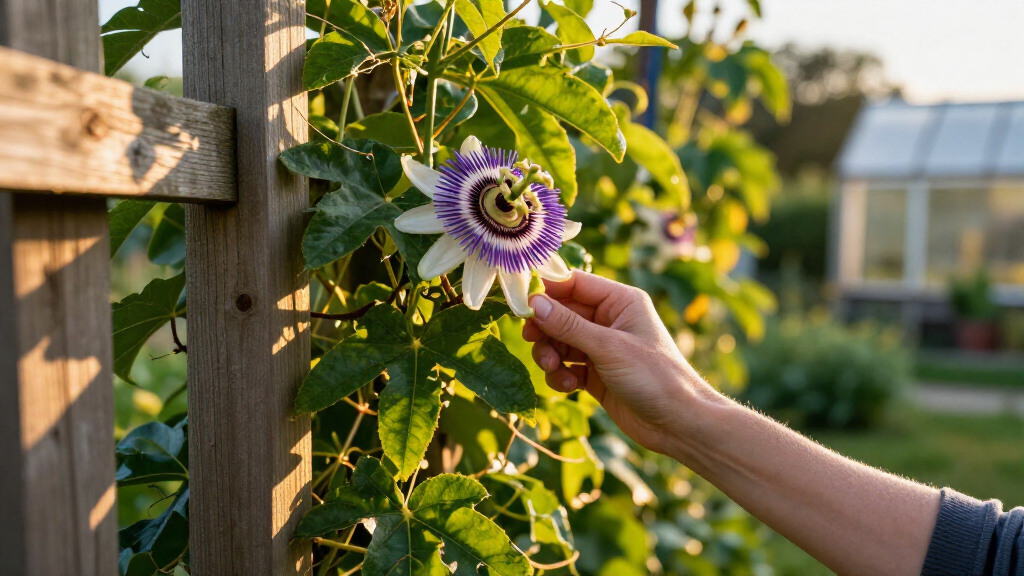
The gardener, who shared her experience on a gardening blog, states that she intentionally lets her passionflower, Passiflora, grow freely along her fence, rather than trimming it back regularly. She notes that this creates a natural habitat for pollinators, such as bees and butterflies, and helps support local biodiversity. Experts confirm that allowing vigorous plants like passionflower to grow can provide important ecological benefits, including habitat and food sources for beneficial insects.
She also mentions that this method reduces her workload and promotes a more resilient garden ecosystem. While her passionflower has become a visual focal point, she stresses that her decision is rooted in environmental considerations. The practice has garnered attention from fellow gardeners and ecological advocates, who see it as a sustainable alternative to traditional pruning routines.
Environmental and Practical Benefits of Overgrown Passionflower
This decision highlights a shift toward sustainable gardening practices that prioritize ecological health. Allowing passionflower to grow freely can support pollinators and other beneficial insects, which are crucial for healthy ecosystems. It also demonstrates how gardeners can balance aesthetics with environmental responsibility, potentially influencing broader gardening trends and policies.
As an affiliate, we earn on qualifying purchases.
Growing Trends in Eco-Friendly Gardening
Over recent years, there has been increasing awareness of the importance of supporting local biodiversity through gardening. Many gardeners are adopting practices such as planting native species, reducing chemical use, and allowing certain plants to grow more naturally. Passionflower, known for its vigorous growth and attractive flowers, has become popular among those seeking both beauty and ecological value. This account aligns with a broader movement toward sustainable, wildlife-friendly gardening methods.
“Allowing plants like passionflower to grow without constant trimming can significantly benefit local pollinators and create a more resilient garden ecosystem.”
— Gardening expert Dr. Lisa Monroe
Uncertain Long-Term Impact on Garden Management
It is not yet clear how sustainable this approach will be over the long term, particularly regarding plant health and garden organization. Some experts caution that uncontrolled growth might lead to issues with plant vigor or interfere with other garden elements. Further observation is needed to assess the ongoing benefits and challenges of this method.
Monitoring Ecological and Garden Outcomes
The gardener plans to continue observing the effects of her approach, noting impacts on pollinator activity and garden maintenance. Researchers and ecological advocates may study similar practices to determine their broader applicability. Future developments could include more widespread adoption of natural growth strategies, supported by community gardening initiatives or local policies promoting biodiversity.
Key Questions
Does letting my passionflower overgrow my fence harm the plant?
Not necessarily. While it can promote a more natural growth pattern, gardeners should monitor for signs of overgrowth that might stress the plant or interfere with other garden elements. Proper support and occasional pruning may still be needed.
Will this approach attract more pollinators to my garden?
Yes. Allowing passionflower to grow freely can provide more habitat and nectar sources for bees, butterflies, and other beneficial insects, supporting local biodiversity.
Is this method suitable for all types of plants?
No. Vigorous plants like passionflower are more suitable for natural growth practices. Less hardy or invasive species may require controlled pruning to prevent overgrowth and maintain garden health.
What are the potential downsides of letting plants overgrow?
Possible issues include plant stress, interference with other garden plants, or increased difficulty managing pests. Careful monitoring is recommended.
Source: rss