
TL;DR

Get garden gear delivered free — and shop member deals
- Fast, free delivery on millions of items
- Access to Prime Big Deal Days deals on October 6–7
- Prime Video, Amazon Music and more included
Amateur Gardening published autumn advice on October 7, 2026, for protecting tender plants before winter. It recommends lifting pelargoniums and gladioli for frost-free storage, while noting that timing depends on local weather and exposure.
Amateur Gardening published winter-preparation advice on October 7, recommending that gardeners lift vulnerable plants such as pelargoniums and gladioli and store them in protected conditions before cold or persistently wet weather arrives. The guide says early action can help preserve plants for future growing seasons, but advises gardeners in warmer, dry areas that they may be able to wait a few weeks.
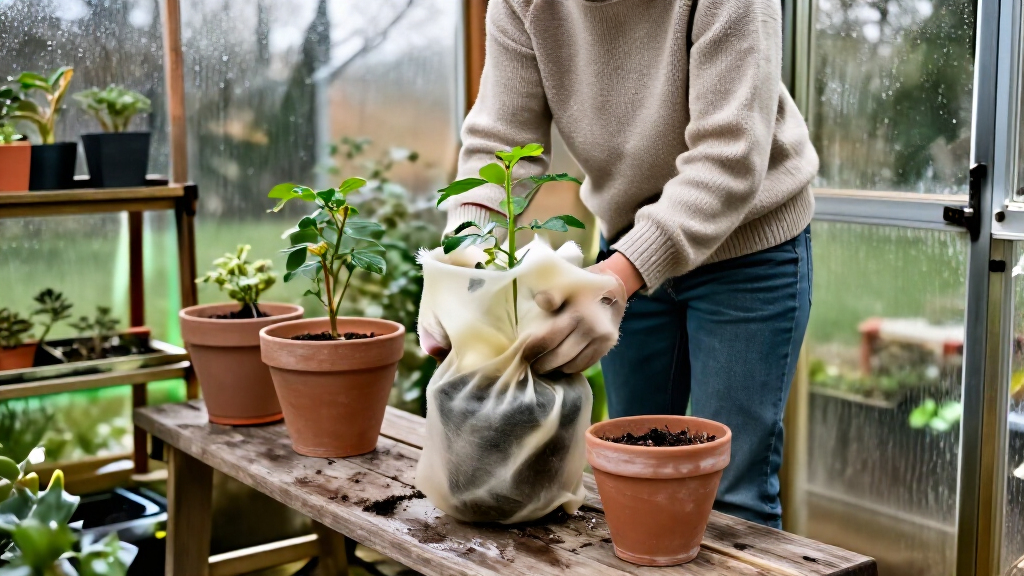
In the report, gardening writer Ruth Hayes says pelargoniums rarely survive winter outdoors. She recommends lifting the plants and potting them in peat-free multipurpose compost, then watering them well. As the plants become dormant, further watering may not be needed for weeks, the article says. Hayes advises cutting shoots back to the lowest healthy leaf bud, both to limit mould and to shape the plant for renewed growth.
The guide also recommends lifting gladioli, which it says are prone to rotting in damp soil, and taking care not to prune plants that provide winter displays. Gardeners are advised to cut stems back by half and store the corms in a dry, frost-free place. New bulblets attached to mature corms can be kept, while old corms that are shrivelled or soft should be discarded.
Tender perennial bedding plants, including petunias, lobelia and calibrachoas, can be potted up and kept in a greenhouse, Hayes writes, while other plants can brighten patio pots through the cooler season. Her approach is to trim foliage by about half, water the plants well after cutting them back, and then water sparingly until spring growth begins. The article presents these steps as personal gardening advice, not a guarantee that every plant will survive storage.
Protecting Plants Before Winter
For gardeners hoping to keep tender plants from one season to the next, wet soil and frost pose different risks: gladioli corms can rot in damp conditions, while pelargoniums may not withstand winter outdoors. Moving susceptible plants into sheltered storage can reduce their exposure and avoid having to replace them in spring.
The timing matters because conditions vary by location and garden. The report recommends acting sooner in northern or exposed gardens, where plants may face harsher weather earlier. In areas that remain warm and dry, it says gardeners can wait a few more weeks. That local judgment is central to the advice; the article does not give a single date that applies everywhere.
As an affiliate, we earn on qualifying purchases.
Autumn Timing Depends on Local Weather
The report was published on October 7, 2026, during early autumn, when gardeners may need to move vulnerable plants before winter conditions set in. Hayes says the season’s weather is difficult to predict, mentioning possibilities including heavy rain, a late cold snap and dry conditions that could create problems for the following summer.
Her recommendations draw on practical experience rather than a formal forecast. Hayes says a large pelargonium she once left in a sheltered spot survived one winter but failed to recover and died the next year. She also reports that she successfully overwintered petunias, lobelia and calibrachoas in a greenhouse the previous year. Those examples explain her approach, but results may vary with the plant, storage conditions and local climate.
“I’d not place a wager on what weather this winter will bring.”
— Ruth Hayes, Amateur Gardening
Winter Conditions Remain Uncertain
The report does not specify what winter weather will bring or offer a forecast for particular regions. It also does not provide detailed storage temperatures or a watering schedule for every plant. The recommended methods are based on Hayes’s gardening experience, so survival rates are not guaranteed and may depend on local climate, plant condition and the available storage space.
It is also unclear how long individual plants should remain in storage before being moved back outside. The guide says to water bedding plants sparingly until growth resumes in spring, but does not set a date for that restart. Gardeners will need to monitor their plants and respond to conditions as they develop.
Monitor Plants Through Spring
Gardeners can use local forecasts and the exposure of their gardens to decide whether to lift plants now or wait. Those who follow the guide should check stored corms and potted plants during winter for signs of rot, mould or drying, and avoid treating the article’s watering advice as a rigid schedule for every species.
As spring growth begins, the plants can be brought back into active care. Pelargonium cuttings taken from the removed shoots can be potted in seed and cutting compost and grown on a light windowsill indoors, according to Hayes. The article does not give a specific date for returning stored plants outdoors; that decision will depend on local conditions.
Key Questions
Which plants does the guide recommend lifting before winter?
It recommends lifting pelargoniums and gladioli, and says tender bedding plants such as petunias, lobelia and calibrachoas can be potted up and kept in a greenhouse.
How should gladioli corms be stored?
Cut the stems back by half, keep healthy new bulblets attached to mature corms, and store the corms in a dry, frost-free place. Discard old corms that are soft or shrivelled.
Should pelargoniums be watered during winter storage?
The guide advises watering them well when potting them up, then notes that they may not need water again for weeks while dormant. It does not give a universal schedule, so gardeners should monitor their plants and storage conditions.
When should gardeners start preparing tender plants?
The article advises earlier action in northern and exposed gardens. Gardeners in places that are still warm and dry may wait a few weeks, depending on local weather.
Source: rss
Fall yard work Picks
leaf blowers
As an affiliate, we earn on qualifying purchases.