TL;DR

Get garden gear delivered free — and shop member deals
- Fast, free delivery on millions of items
- Access to Prime Big Deal Days deals on October 6–7
- Prime Video, Amazon Music and more included
Gardening Know How has published a buying guide for choosing a greenhouse based on yard conditions, climate, intended use and budget. It recommends planning for usable space, light, ventilation, anchoring, utilities and local rules before selecting a model; the supplied report does not specify product tests or a single best greenhouse.
Gardening Know How has published a greenhouse-buying guide advising home gardeners to assess their site, local weather and growing plans before choosing a structure. The report argues that sizing, glazing, ventilation and foundation decisions can affect whether a greenhouse is practical and durable, rather than relying on appearance or a low purchase price alone.
The guide recommends beginning with location and usable floor space. Buyers should account not only for the frame’s footprint but also for benches, a central path, supplies and enough room to work. An 8-by-10-foot greenhouse, the article notes, can feel crowded after those needs are included. Door clearance and convenient access also matter, particularly if the structure will be used often for seed starting and watering.
Sunlight and shelter vary by climate. The article says northern growers often need to maximize winter light and protect the structure from prevailing winds. In hotter or humid regions, managing intense afternoon sun and heat is also a concern. Horticulture expert Bethany Lakatos, who works at Trees.com, suggests that a healthy deciduous tree may provide summer shade while allowing more light through in winter, but cautions that weak limbs or storm exposure could put a greenhouse below at risk.
Material choices include glass, twin-wall polycarbonate and polyethylene film, which involve different trade-offs in light, insulation and impact resistance. The guide also calls for ventilation, air circulation and seasonal shading to reduce the risk of overheating. Foundation and anchoring options range from gravel and weed membrane to timber bases, concrete pads or brick walls; the right approach depends on the site and structure, with wind exposure a particular concern for lightweight frames.
Planning Before You Buy
A greenhouse is a long-term yard and growing decision, not simply a decorative addition. Poor placement or inadequate anchoring can make a structure harder to use or more vulnerable to local weather, while insufficient airflow may expose plants to excessive heat. The report’s practical point is that evaluating those conditions before purchasing can help buyers avoid choosing a model that does not suit their intended crops or site.
Convenience can shape whether the structure gets used. Master gardener and regenerative farmer Trisha Nieder of Nieder Farms recommends placing a greenhouse near household water and power where possible. Easy access to a hose can simplify watering, while nearby electricity may help gardeners run equipment such as heat mats or timers, subject to safe and appropriate installation. Buyers also need to check zoning, property setbacks and homeowners association rules before committing to a location.
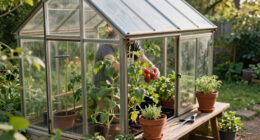
greenhouse kit for backyard gardening
As an affiliate, we earn on qualifying purchases.
As an affiliate, we earn on qualifying purchases.
Matching Structure to Site
The guide frames greenhouse selection around a range of uses, from a small pop-up shelter for seedlings to a more durable kit for food growing or a glass structure intended as a garden centerpiece. These options are not presented as a universal ranking. Instead, the article advises matching a model to available space, budget, local conditions and the amount of protection or growing capacity the gardener needs.
It also distinguishes regional priorities. The report describes maximizing low winter sun and wind shelter as concerns for northern gardeners, while growers in southern and humid climates may need to manage summer heat and severe storms. Its discussion of a deciduous tree as possible shade is conditional: Lakatos advises checking tree health and considering the risk of falling limbs, including during hurricane season and thunderstorms.
“If you have a space with a deciduous tree that can shade your greenhouse on summer afternoons, this will also allow maximum sunlight when the tree is dormant.”
— Bethany Lakatos, horticulture expert at Trees.com
Questions Buyers Must Resolve
The supplied report does not identify one greenhouse as best for all buyers, provide comparative product testing, or give a price range, warranty comparison or named list of recommended manufacturers. Its advice is a set of planning considerations rather than a tested product ranking. Specific choices will depend on local weather, site conditions and intended use.
Some installation details also remain site-specific. The source excerpt does not provide engineering guidance for foundation dimensions, wind ratings, electrical work or permits. Buyers should verify applicable local rules and follow manufacturer instructions, and seek qualified advice where structural, electrical or regulatory requirements are uncertain.
Steps Before Selecting a Model
The guide’s approach points buyers toward a site assessment before purchase: measure the available area, account for benches and walking space, note sun and wind exposure, and check how easily water and electricity can reach the planned location. Gardeners can then compare glazing, ventilation, anchoring and foundation requirements against their crops and regional conditions.
Before ordering or building, readers should check local zoning, setback requirements and HOA bylaws, then review the manufacturer’s specifications and warranty. The source does not announce a later report or a follow-up date, so no further publication milestone is confirmed.
Key Questions
What should I assess before buying a greenhouse?
Measure the site and plan for benches, a walkway and supplies, then consider sunlight, wind exposure, water access and power. Check local rules before choosing a final location.
Which greenhouse glazing is best?
The guide discusses glass, twin-wall polycarbonate and polyethylene film, but does not name one best option. Compare their light, insulation and impact-resistance characteristics with your climate, budget and growing plans.
How can I reduce summer heat inside a greenhouse?
The report recommends planning for ventilation, air circulation and seasonal shading. A deciduous tree may provide afternoon shade, but Lakatos advises checking its health and considering the danger of falling limbs.
Do I need a special foundation?
Foundation options in the guide include gravel, timber, concrete and raised brick. The suitable method depends on the site and structure; the source does not give a single specification for every greenhouse.
Should I check permits or HOA rules?
Yes. The guide advises checking local zoning, property setbacks and HOA bylaws before installation, since requirements can differ by location.
Source: rss
Fall yard work Picks
leaf blowers
As an affiliate, we earn on qualifying purchases.