
TL;DR
Gardening Know How reports that planting garlic cloves about 4 inches deep in loose, well-drained soil may help produce larger bulbs by protecting roots from cold and frost heaving. The advice depends on suitable drainage, timely fall planting, and selecting the largest cloves; results are not guaranteed.
Gardening Know How recommends planting garlic cloves about 4 inches deep—deeper than the traditional 1-to-2-inch rule—as a way to encourage stronger roots and potentially larger bulbs. The method, described in a report on growing garlic, is intended for loose, well-drained soil; in heavy, wet ground, deeper planting could increase the risk of cloves rotting.
The report’s central advice is to build conditions that support a larger root system before spring growth begins. An extra couple of inches of soil over each clove can provide more insulation from cold and help prevent frost heaving, which can push shallow-planted cloves out of the ground. According to the report, stronger roots can help garlic take up moisture and nutrients as the plant develops, supporting bulb growth.
Drainage is a necessary condition, not an optional detail. The report advises using a raised bed or naturally free-draining soil and incorporating compost to improve soil structure. It warns that in heavy, wet soil, cloves planted deeply may rot; dense ground can also make it harder for shoots to emerge. For soil that needs replenishing, the report suggests a slow-release fertilizer high in phosphorus, which supports root growth.
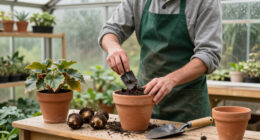
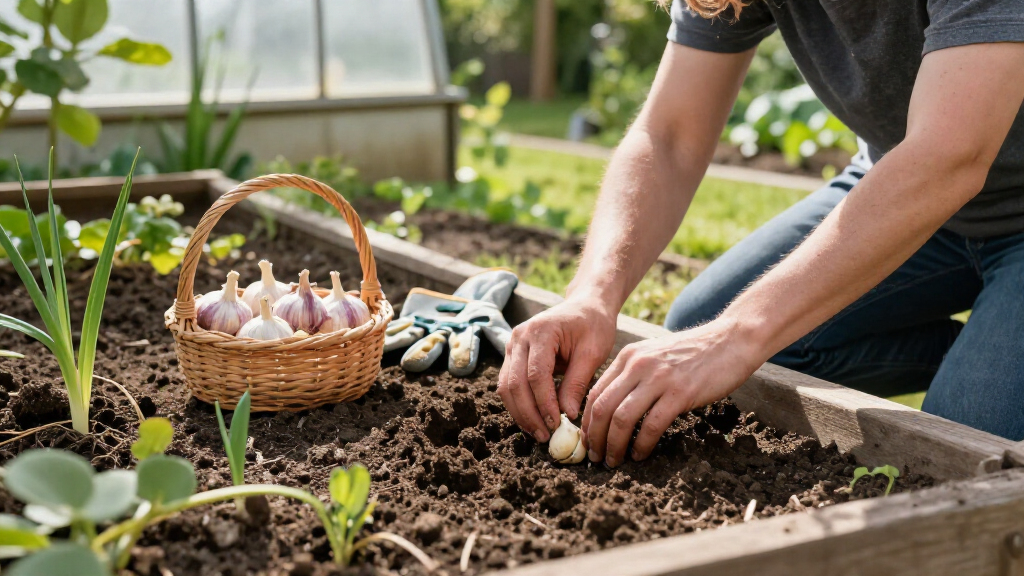
For planting, the report recommends choosing the largest cloves from a garlic bulb and placing them pointy end up, around 4 inches deep and 6 inches apart. It advises timing fall planting for roughly three weeks after the first frost, adjusted for local conditions: October in USDA zones 1–6, late October in zones 7–8, and potentially November in zones 9–10. Garlic also needs a period of cold to form bulbs, the report says; gardeners in warmer zones may need to chill cloves before planting.
Why Root Growth Can Enlarge Bulbs
The proposed change is small at planting time, but it shifts attention from the visible bulb to the roots that support it. If the soil drains well, deeper placement can protect cloves from cold exposure and frost heaving, while giving roots room to establish before winter. That may help plants draw on water and nutrients when spring growth resumes.
The advice matters most to gardeners who have suitable beds and are deciding how to plant this season. It is not a universal fix for small garlic: poor drainage, unsuitable planting dates, undersized cloves, limited sunlight, or inadequate moisture while bulbs swell can all affect results. The source frames larger bulbs as a potential outcome, not a guaranteed harvest or a measured doubling for every garden.
The report also links bulb size to the growing season after planting. It recommends a sunny site and watering during dry spells in spring and early summer, when bulbs are swelling. As foliage begins to yellow and bulbs are fully formed, it says watering should be reduced. These steps make the deeper-planting suggestion part of a wider set of growing conditions rather than a standalone trick.
As an affiliate, we earn on qualifying purchases.
How Planting Depth Advice Changed
The traditional rule cited in the report is to plant garlic about 1 to 2 inches deep. Gardening Know How says that guidance reflects concerns about cloves rotting in ground that stays wet through winter. Its alternative is based on planting in raised beds or soil improved to drain freely, where a deeper position may better insulate cloves and help them resist frost heaving.
Planting dates also vary by climate. The report says most garlic varieties need 8 to 10 weeks below 45 degrees Fahrenheit to trigger the cold-dependent process known as vernalization, which helps cloves divide and form bulbs. It advises gardeners in USDA zones 10 and warmer to chill garlic in a paper bag or lidded jar in the refrigerator for a couple of months before planting. Hardneck garlic is suggested for zones 1–8 because it is described as more cold-hardy; the report says hardneck bulbs tend to have fewer, larger cloves and store for four to six months.
““The expert secret to growing big garlic bulbs is to grow big root systems.””
— Gardening Know How report
Results Depend on Soil and Climate
The report does not provide a controlled trial, a measured average increase in bulb size, or a comparison showing how often the 4-inch method outperforms shallower planting. Its claim that the approach can produce plumper bulbs should be understood as gardening advice, not a guaranteed result. It is also unclear how outcomes vary among garlic varieties and gardens with different soil, rainfall, and winter conditions.
Local timing needs judgment as well. The suggested dates are broad USDA-zone guidance, while the report also calls for planting around three weeks after the first frost. Gardeners should account for their own frost dates and soil conditions rather than treating the calendar ranges as exact dates. The source excerpt’s variety recommendations are incomplete, so it does not establish a full list of suitable cultivars.
What Gardeners Should Check Before Planting
Before planting, gardeners can check whether their beds drain freely and improve soil with compost if needed. Those with persistently wet, heavy soil should not assume deeper planting is suitable; the report’s recommendation is specifically conditional on good drainage. Gardeners should also identify their local frost timing and hardiness zone, select large, healthy cloves, and leave enough spacing for airflow.
After planting, the next test is how the crop develops through winter and spring. The report recommends watering through dry spells while bulbs swell and reducing water as foliage yellows. Actual bulb size will only be clear at harvest, and the source provides no follow-up results showing how much larger bulbs become under the method.
Key Questions
How deep does the report recommend planting garlic?
It recommends planting cloves about 4 inches deep, rather than the traditional 1-to-2-inch depth, but only in loose, well-drained soil.
Can I plant garlic 4 inches deep in heavy, wet soil?
The report advises against using the method in heavy, wet soil because cloves may rot and dense ground can make it harder for shoots to emerge. A raised bed or naturally free-draining soil is recommended.
When should garlic be planted in fall?
The report suggests planting around three weeks after the first frost, with approximate timing of October in USDA zones 1–6, late October in zones 7–8, and possibly November in zones 9–10. Local conditions should guide the date.
Does deeper planting guarantee larger garlic bulbs?
No. The report presents deeper planting as a way that may support stronger roots and larger bulbs, but it provides no controlled measurements or guarantee. Drainage, climate, variety, sunlight, and care also affect results.
Source: rss