TL;DR

Get garden gear delivered free with Prime
- Fast, free delivery on millions of items
- Prime Video, Amazon Music and more included
- Member-only deals all year
A Homes and Gardens report outlines five October steps for preparing outdoor begonias for winter: lift and store tuberous types, bring wax begonias indoors, remove damaged foliage, inspect for pests and provide suitable winter care. The right approach depends on the begonia type and local frost conditions; the report’s advice is seasonal guidance, not a guarantee that every plant will survive.
A Homes and Gardens report advises gardeners to prepare outdoor begonias for cold weather in October, with different steps for tuberous and fibrous wax begonias. The guidance includes lifting and storing tubers, moving wax begonias indoors, removing damaged leaves and checking plants for pests before bringing them into the home.
For tuberous begonias, the report recommends waiting for the foliage to yellow and die back naturally, then reducing watering and stopping feeding to encourage dormancy. Once the stems have been cut back to a few inches above the tuber, lift the tubers carefully and let them dry in a well-ventilated, frost-free place for a couple of weeks. Soft or mushy tubers should be discarded.
Garden designer Mirela Bajic, identified by Homes and Gardens as a senior garden designer at House Designer, recommends storing dried tubers in a wooden crate or cardboard box with shredded paper or sawdust. She says a cool, dark, frost-free location is suitable, with a temperature around 40–50°F. The tubers should be checked during storage, and any that become soft should be removed.
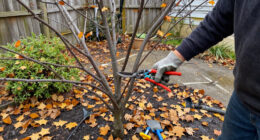
Wax begonias have thin, fibrous roots and round, waxy leaves, according to the report. It recommends bringing these tender plants indoors for fall and winter, placing them in a bright, cool spot. Before moving plants inside, gardeners should remove damaged or rotting foliage without hard-pruning, and inspect the undersides of leaves for pests such as mealybugs and spider mites. The report also advises keeping foliage clean and providing airflow.
Keeping Begonias Through Frost
October preparation can affect whether begonias remain healthy enough to grow again next season. Tuberous begonias need dormant storage, while tender wax begonias need protection from freezing temperatures; treating the two types alike could leave plants exposed to unsuitable conditions.
Moving plants indoors also brings a practical concern: pests can travel with them and spread to other houseplants. A check before relocation, followed by regular inspection, can help gardeners identify problems early. The advice is especially relevant where overnight temperatures are beginning to fall, though local weather and growing conditions vary.
As an affiliate, we earn on qualifying purchases.
Two Begonia Types, Different Care
The report describes more than 2,000 begonia species and focuses on two common garden groups: fibrous wax begonias and tuberous begonias, which are known for showy blooms from spring to fall. Their different root structures help indicate which winter approach to take: tubers are lifted for storage, while fibrous-rooted wax begonias are brought indoors.
Homes and Gardens notes that begonias are generally hardy in USDA zones 9–11, but hardiness depends on location and conditions. Its October recommendations are intended to reduce cold exposure, rather than establish a single schedule for every garden. Gardeners should use local frost forecasts and the plant’s condition to guide timing.
“Let them die back on their own. Once the leaves start to yellow, cut the watering down and stop feeding.”
— Mirela Bajic, senior garden designer at House Designer, as quoted by Homes and Gardens
Local Frost Dates Shape Timing
The report does not give a single date for lifting or moving every begonia indoors. Frost timing varies by location, and the source says gardeners should take their hardiness zone into account. It also does not specify a temperature threshold for moving wax begonias, or guarantee that stored tubers will survive; outcomes can depend on the plant’s health and storage conditions.
The article’s fifth October task is not fully available in the supplied source material, which ends during its pest-care section. The recommendations here reflect the available text and do not add a separate fifth step that the excerpt does not substantiate.
Check Plants as Weather Cools
As fall progresses, gardeners can watch for yellowing foliage on tuberous begonias and check local forecasts for approaching frost. After lifting and drying tubers, inspect them periodically in storage; wax begonias should be checked for leaf damage and pests after being brought indoors. The report says wax begonias can be returned to the garden in spring, after late frosts have passed.
Key Questions
When should I lift tuberous begonias?
The report advises waiting until the leaves begin to yellow and die back naturally, then reducing watering and stopping feeding before lifting the tubers. Local frost conditions may affect the timing.
How should begonia tubers be stored over winter?
After lifting, let tubers dry in a well-ventilated, frost-free place for about a couple of weeks. Store them in a box or crate with shredded paper or sawdust in a cool, dark, frost-free location; the cited garden designer gives around 40–50°F as an ideal range.
Can wax begonias stay outside during winter?
The report describes wax begonias as tender and recommends bringing them indoors before freezing conditions. It suggests a bright, cool windowsill for winter.
What should I check before bringing a begonia inside?
Remove damaged or rotting foliage without hard-pruning, and inspect leaf undersides for mealybugs and spider mites. Clean foliage and provide airflow after the plant is indoors.
Source: rss
Fall yard work Picks
leaf blowers
As an affiliate, we earn on qualifying purchases.