TL;DR

Get garden gear delivered free with Prime
- Fast, free delivery on millions of items
- Prime Video, Amazon Music and more included
- Member-only deals all year
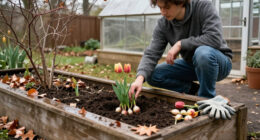
Master Gardener Rhonda Fleming Hayes says gardeners can plant spring-flowering bulbs as long as the soil is not frozen or wet, with timing varying by climate zone. If the ground has frozen, she recommends planting bulbs deeply in containers and keeping them in a dark, unheated garage or shed until spring.
Master Gardener Rhonda Fleming Hayes says gardeners can plant spring-flowering bulbs as late as conditions allow, provided the soil is not frozen or wet. In guidance published by Country Living, Hayes gives approximate planting windows by USDA hardiness zone and suggests using containers if frozen ground closes the outdoor planting window.
Hayes, author of Garden for Life: Strategies for Easier, Greener, More Joyful Gardening as We Age and writer of the Substack The Garden Buzz, says tulips, daffodils, hyacinths and crocuses need a period of cold to break dormancy and develop roots. Her central advice is to use soil conditions rather than a single universal deadline: planting can continue while the ground remains workable, but bulbs should not go into wet soil.
Her approximate schedule is mid-September to mid-October for zones 3–5; mid-October to the early weeks of December for zones 5–6; November and December for zones 7–8; and December or January for zones 8–10, with an important condition for the last group. Hayes says bulbs planted in zones 8–10 should be pre-chilled in a refrigerator for 10 to 12 weeks before planting.
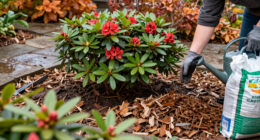
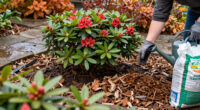
After planting in the ground, Hayes recommends covering the area with 2 to 4 inches of mulch. She says mulch can insulate the soil during deep freezes and may help conceal the planting from squirrels. Gardeners whose soil has already frozen can plant bulbs deeply in containers, keeping the compost or soil moist but not waterlogged, then store the pots in a dark, unheated garage or shed until spring.
A Flexible Window for Bulb Planting
The advice gives gardeners a practical way to decide whether they can still plant outdoors: check the condition of the soil, not just the calendar. That matters because planting windows differ across climates, and an early or prolonged freeze can make the same date workable in one place and too late in another.
The container option also means a missed outdoor window does not automatically rule out spring blooms. It offers a fallback for gardeners dealing with frozen ground, although Hayes’s guidance does not promise that every late-planted bulb will flower on the same schedule or perform equally well. Choosing the right timing and following the cold-treatment needs of bulbs are central to the advice.
Products Worth Considering

Orbit B-hyve XR Smart Indoor/Outdoor Sprinkler Controller, 16 Zones

Orbit B-hyve Smart Indoor/Outdoor 12-Zone Sprinkler Controller
Orbit B-hyve XR 8-Zone Indoor/Outdoor Smart Sprinkler Controller
As an affiliate, we earn on qualifying purchases.
Timing Changes Across Hardiness Zones
USDA Plant Hardiness Zones group locations by winter temperatures and provide a broad guide to what plants can grow there. Hayes’s schedule reflects that colder zones generally reach suitable planting conditions earlier, while milder zones can have later windows. The source lists overlapping ranges, including zones 5 and 8, so gardeners should treat the dates as rough guidance, rather than precise cutoffs.
Spring-flowering bulbs are planted ahead of their display because they need time in the ground, including exposure to cold for the varieties Hayes names. For warm-winter areas, her recommendation to chill bulbs before planting addresses the need for that cold period. The source does not give separate instructions for every bulb variety or local growing condition.
“You can generally plant them as long as the soil isn’t frozen or wet.”
— Rhonda Fleming Hayes, Master Gardener, as quoted by Country Living
Local Conditions Set the Deadline
The planting dates are approximate zone-based windows, not guarantees. The source does not provide a publication date, identify a particular location or forecast, or say how long gardeners in a given area can expect their soil to remain workable. Local weather and soil conditions can differ even within a hardiness zone.
Hayes’s guidance also does not specify container dimensions, exact planting depth for each bulb, or a precise date for moving stored pots outside. It does not state how reliably late planting will produce blooms in a particular garden. Gardeners should check the needs of the bulb varieties they have and local conditions before deciding on a final planting date.
Check Soil Before You Plant
Gardeners considering a late planting should first identify their USDA hardiness zone and then check whether the soil is frozen or waterlogged. If it is workable, Hayes’s zone ranges offer a rough guide to timing; after planting, cover the bulbs with the recommended mulch layer.
If the ground has frozen, her stated alternative is to plant bulbs deeply in containers, keep the growing medium moist but not wet, and store the pots in a dark, unheated garage or shed until spring. The source gives no specific date for bringing them out, so that step depends on local conditions and the bulbs being grown.
Key Questions
How late can I plant spring bulbs in the ground?
According to Master Gardener Rhonda Fleming Hayes, planting can continue while the soil is not frozen or wet. The approximate calendar window varies by hardiness zone, so local conditions matter.
What if the ground is already frozen?
Hayes recommends planting bulbs deeply in containers, keeping the soil or compost moist but not wet, and storing the pots in a dark, unheated garage or shed until spring.
Do bulbs in warm zones need to be chilled?
Hayes says bulbs planted in zones 8–10 in December or January should be pre-chilled in a refrigerator for 10 to 12 weeks before planting.
Should I mulch after planting?
Hayes recommends a 2- to 4-inch layer of mulch over planted bulbs. She says it can insulate the ground during deep freezes and may help hide the planting from squirrels.
Source: countryliving.com