
TL;DR

Get garden gear delivered free with Prime
- Fast, free delivery on millions of items
- Prime Video, Amazon Music and more included
- Member-only deals all year
A Gardening Know How report outlines seven fall cleanup habits that can affect next year’s flowers, soil and wildlife habitat. Its advice includes waiting to prune spring-blooming shrubs, leaving healthy bulb foliage until it dies naturally, and avoiding unnecessary bed cultivation.
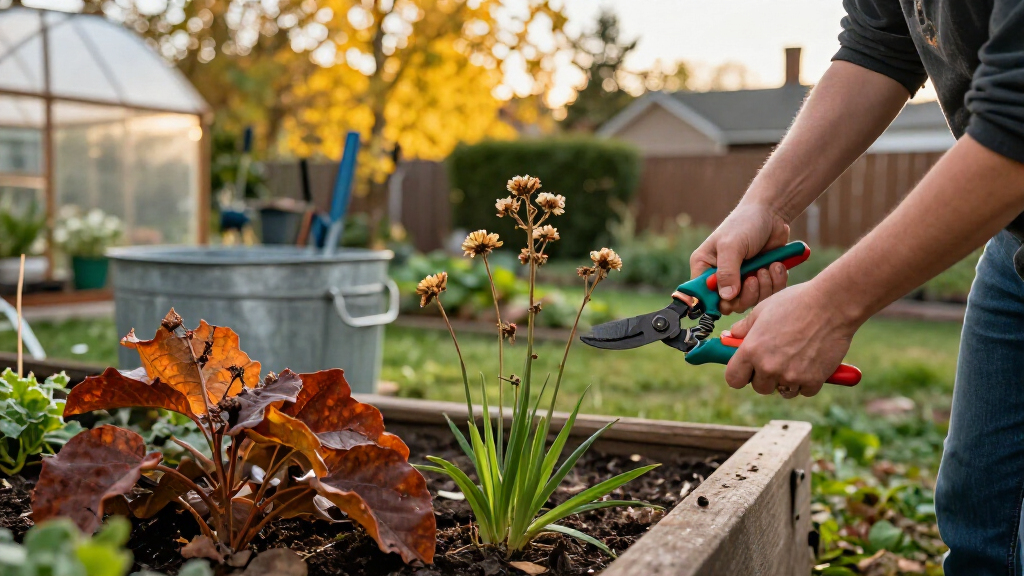
Gardening Know How has published a fall garden cleanup guide warning that some common autumn tasks can reduce spring flowering or remove food and shelter for wildlife. The report advises gardeners to avoid pruning spring-blooming shrubs in fall, leave healthy bulb foliage until it dies back, and keep some stems and leaves in place over winter.
The report identifies seven cleanup mistakes: pruning spring-flowering shrubs; cutting bulb foliage while it is still green; removing all seed heads and dead stems; digging or cultivating beds too aggressively; removing every fallen leaf; cleaning up diseased material improperly; and treating all plants as if they need the same winter preparation, topics also covered in this fall garden cleanup guide. The supplied report text details the first four, while the other listed tasks are reflected in its broader guidance on leaf litter, disease and plant-specific care.
Spring-flowering shrubs such as azaleas, lilacs, forsythia and magnolias often form flower buds on older growth. The report says fall pruning can remove those buds, leaving a plant that may continue to grow leaves but produce few or no flowers the following spring. It recommends pruning these shrubs after they finish flowering.
For fall garden planting, summer-flowering bulbs and similar plants have green leaves that continue to make and store energy. Gardening Know How advises waiting until foliage yellows and dies before cutting it back, while noting that frost-sensitive plants may need different handling. The report also recommends leaving some seed-bearing plants and fallen leaves for wildlife, while removing diseased foliage to limit the risk of problems carrying over, as part of fall cleanup.
How Fall Cleanup Affects Spring
Fall cleanup decisions can shape both next season’s blooms and conditions in the garden over winter. Removing the buds from a spring-flowering shrub does not necessarily kill the plant, according to the report, but it can mean waiting another year for its usual display. Cutting green bulb leaves too early can also reduce the energy available for the next flowering cycle.
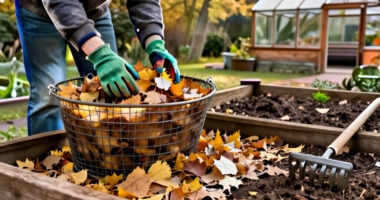
Leaving selected stems and leaves has a different benefit: seed heads can feed birds, and standing vegetation or leaf litter can provide shelter for insects. The report’s advice is not to leave every plant untouched; it says diseased foliage should still be removed. The practical choice is selective cleanup rather than clearing every bed to bare soil.
Products Worth Considering

Greenworks 60V Cordless Leaf Blower with 2.5Ah Battery and Rapid Charger

Greenworks 40V Cordless Leaf Blower/Vacuum with 5.0 Ah Battery and Charger

EGO POWER+ LB6151 Cordless Leaf Blower with 2.5Ah Battery and Charger
As an affiliate, we earn on qualifying purchases.
Why Timing Varies by Plant
Autumn is a period when many plants are preparing for winter, but their needs differ. Some spring-blooming shrubs carry next year’s buds on older stems, while the leaves of summer-flowering bulbs remain useful until they naturally die back. A single cleanup schedule can therefore remove buds or foliage that plants still need.
The report also distinguishes tender plants from those that can remain in place. It says gladiolus and cannas may need to be lifted after frost damages their foliage. For dahlias, it recommends waiting until the first frost blackens the leaves before cutting stems and lifting tubers where winter storage is needed. Lifted material should be kept in a cool, frost-free location; the report cautions against leaving tubers in freezing or waterlogged soil, where they can rot.
“A tidy garden isn’t necessarily a healthier garden.”
— Gardening Know How
Plant Needs and Local Conditions
The supplied report does not give a publication date or identify a geographic region, so its timing advice may need adjustment for local climate, frost dates and plant varieties. It also does not provide research data quantifying how often fall pruning or early leaf removal reduces flowering. The effects described are presented as gardening guidance, not as a measured forecast for every garden.
Not all foliage should be left in place: diseased leaves should be removed, according to the report. The appropriate handling of specific plant diseases, and whether particular bulbs or tubers can remain outdoors through winter, depends on the plant and local conditions. The supplied text begins discussing soil disturbance but ends before completing that section, so its full recommendations on cultivation are not available here.
A Selective Cleanup This Autumn
Gardeners can use the report’s advice as a checklist before cutting back beds: identify spring-flowering shrubs and postpone pruning until after bloom; keep healthy bulb foliage until it yellows; leave some seed heads, stems and leaves where they do not pose a disease concern; and remove diseased material. Before lifting tender bulbs or tubers, check the needs of the specific plant and local frost conditions.
The report does not announce a follow-up study or a scheduled next step. The practical next step is to tailor cleanup to each plant rather than apply one approach across the garden, and to seek local horticultural advice when winter conditions or disease risks make plant care uncertain.
Key Questions
Should spring-flowering shrubs be pruned in fall?
Usually not, according to the report. Many shrubs, including lilacs and forsythia, form spring flower buds on older wood. Prune them after flowering instead, so fall pruning does not remove those buds.
When should I cut back bulb foliage?
For summer-flowering bulbs, wait until the leaves yellow and die naturally before cutting them back. The report says green foliage helps plants store energy for the next flowering cycle. Frost-sensitive plants may need different treatment.
Should I clear all leaves and stems before winter?
No. The report recommends leaving some seed heads, stems and fallen leaves to provide food or shelter for wildlife. Remove diseased foliage, however, to reduce the risk of problems spreading into the next growing season.
How should tender bulbs and tubers be stored?
The report advises lifting plants that need winter storage at the appropriate time and keeping them in a cool, frost-free place. It warns that tubers left in freezing or waterlogged soil can rot. Exact storage needs vary by plant.
Source: gardeningknowhow.com