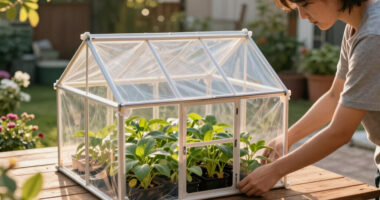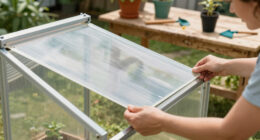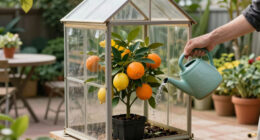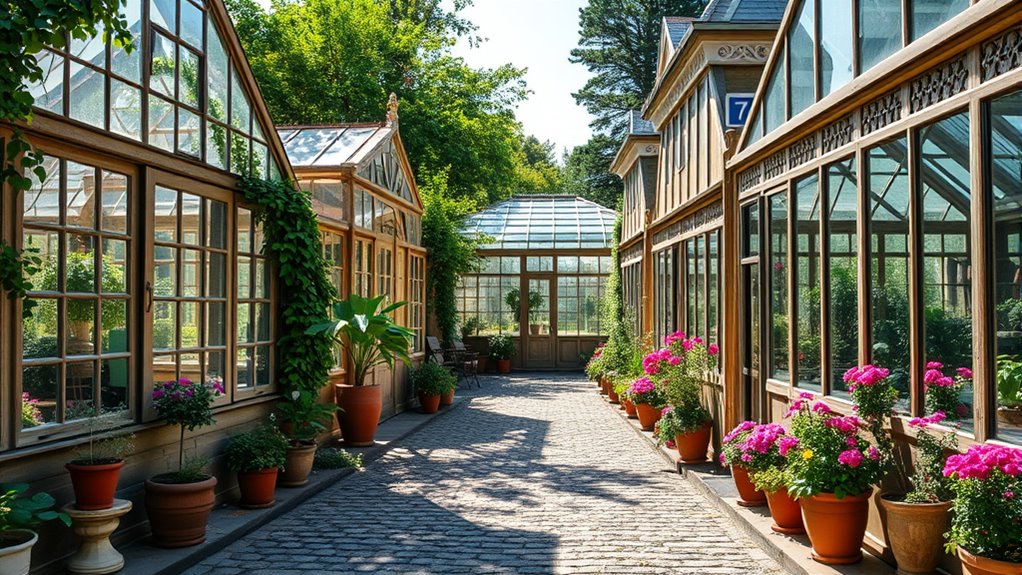

Choosing the right traditional greenhouse style depends on your gardening goals, space, and DIY experience. For those looking for a practical, easy-to-build option, the DIY Barn Style Greenhouse offers straightforward plans with a rustic charm. If you want a classic aesthetic that blends into historic settings, the Victorian greenhouse might be appealing. For a more ornate, striking structure, the Gothic style provides impressive architectural details. Conversely, the lean-to greenhouse is perfect for maximizing small spaces and attaching to existing structures. Each style comes with tradeoffs—whether it’s ease of construction, visual appeal, or space efficiency—so understanding those differences is key to choosing what fits your garden best.

Get garden gear delivered free — and shop member deals
- Fast, free delivery on millions of items
- Access to Prime Big Deal Days deals on October 6–7
- Prime Video, Amazon Music and more included
Complete the kit


Key Takeaways
- Barn-style greenhouses are practical and straightforward for DIY builders but lack specific material details.
- Victorian greenhouses offer aesthetic appeal and are suited for traditional gardens, but can be complex to construct.
- Gothic styles provide ornate architecture, ideal for decorative gardens, yet they often require advanced building skills.
- Lean-to designs maximize limited space and are easiest to attach to existing structures, but offer less interior volume.
- All options require careful planning; the choice hinges on your skill level, space, and desired visual impact.
| DIY Barn Style Greenhouse: Step-by-Step Building Plans for a Practical Backyard Greenhouse |  | Best for Practical DIY Building | Design Style: Barn | Skill Level: Beginner to Intermediate | Construction Type: Wood Frame | VIEW ON AMAZON | See Our Full Breakdown |
| Building Your Own Greenhouse (Greenhouse Basics) |  | Best for Beginners and Extending Growing Seasons | Design Style: Generic | Skill Level: Beginner | Construction Type: Various | VIEW ON AMAZON | See Our Full Breakdown |
| Black & Decker The Complete Guide to DIY Greenhouses, 3rd Edition |  | Best for Versatility and Detailed Guidance | Design Styles Covered: Multiple including Victorian, Gothic, Barn | Skill Level: Beginner to Advanced | Construction Type: Wood, metal, or mixed | VIEW ON AMAZON | See Our Full Breakdown |
| How to Build Your Own Greenhouse: Designs and Plans to Meet Your Growing Needs |  | Best for Customization and Practical Tips | Design Flexibility: High | Skill Level: Beginner to Advanced | Construction Type: Various | VIEW ON AMAZON | See Our Full Breakdown |
| traditional greenhouse style | Skill Level | Construction Type | Design Style | Material Guidance |
|---|---|---|---|---|
| DIY Barn Style Greenhouse: Ste | Beginner to Intermediate | Wood Frame | Barn | — |
| Building Your Own Greenhouse | Beginner | Various | Generic | Overview, not detailed |
| Black & Decker The Complete Gu | Beginner to Advanced | Wood, metal, or mixed | — | — |
| How to Build Your Own Greenhou | Beginner to Advanced | Various | — | Practical tips, not detailed |
More Details on Our Top Picks
DIY Barn Style Greenhouse: Step-by-Step Building Plans for a Practical Backyard Greenhouse
This book stands out for its detailed, step-by-step instructions that make constructing a barn-style greenhouse accessible for DIYers. Compared with the other books, it emphasizes practicality and straightforward design, making it ideal for those interested in a rustic, functional structure. However, it lacks specific details on materials and tools, which could pose challenges for less experienced builders. Its comprehensive instructions are a major plus for hobbyists who want a clear blueprint and a traditional barn aesthetic.
Pros:- Thorough step-by-step instructions
- Practical barn-style design
- Ideal for DIY outdoor projects
Cons:- No specific material or size details
- Lacks tool and material lists
- No customer reviews available
Best for: DIY gardeners seeking a practical, rustic greenhouse project
Not ideal for: Those needing detailed material lists or advanced architectural features
- Design Style:Barn
- Skill Level:Beginner to Intermediate
- Construction Type:Wood Frame
- Estimated Cost:Moderate
- Size Range:Variable
- Material Recommendations:Not specified
Our verdict“A solid choice for DIYers focused on practical, rustic greenhouse projects, despite limited technical details.”
Building Your Own Greenhouse (Greenhouse Basics)
This guide offers fundamental techniques for building a greenhouse that can extend your gardening season. Compared with the more detailed plans, it provides a broader overview suitable for beginners, but it doesn’t include detailed step-by-step instructions or specific material lists. It’s better suited for gardeners who want to understand the process and adapt plans to their project rather than follow a strict blueprint. Its focus on techniques makes it versatile, but the lack of detailed guidance could be a drawback for complete novices.
Pros:- Clear guidance on essential techniques
- Suitable for all skill levels
- Focuses on extending growing seasons
Cons:- Lacks detailed step-by-step instructions
- No included materials or tools list
- Less suitable for those needing detailed plans
Best for: Beginners and gardeners looking to extend their growing season
Not ideal for: Experienced builders seeking detailed construction plans
- Design Style:Generic
- Skill Level:Beginner
- Construction Type:Various
- Coverage:Extends growing season
- Material Guidance:Overview, not detailed
- Cost Estimate:Low to Moderate
Our verdict“A helpful resource for beginners wanting to understand greenhouse basics, though it lacks construction specifics.”
Black & Decker The Complete Guide to DIY Greenhouses, 3rd Edition
This book provides comprehensive instructions for building various types of greenhouses, including traditional styles like Victorian and gothic. Its strength lies in the breadth of projects covered, making it suitable for hobbyists who want flexibility. Compared with single-style guides, it offers multiple plans and detailed DIY instructions, but it lacks specific technical details like materials and measurements. This resource suits those who appreciate extensive guidance but are comfortable sourcing their own materials and adjusting plans as needed.
Pros:- Includes plans for various greenhouse types
- Step-by-step DIY instructions
- Suitable for both beginners and experienced hobbyists
Cons:- No specific technical or material details
- Content limited to instructions, not physical products
- Requires sourcing materials independently
Best for: Hobbyists interested in multiple greenhouse styles and detailed DIY guidance
Not ideal for: Those seeking ready-made plans with specific materials included
- Design Styles Covered:Multiple including Victorian, Gothic, Barn
- Skill Level:Beginner to Advanced
- Construction Type:Wood, metal, or mixed
- Project Scope:Multiple styles
- Material Details:Not specified
- Cost Range:Variable
Our verdict“A versatile guide ideal for hobbyists wanting broad DIY options across traditional styles.”
How to Build Your Own Greenhouse: Designs and Plans to Meet Your Growing Needs
This resource offers detailed plans tailored to various skill levels, emphasizing customization and practical tips. It’s particularly useful for gardeners who want to create a greenhouse that fits their specific space and growing needs. Compared with other guides, it provides more personalized design options, but it doesn’t specify particular product features or technical details, which might require additional research. Its focus on adaptability makes it appealing for those who want a bespoke greenhouse rather than a standard design.
Pros:- Flexible and customizable plans
- Useful practical tips
- Suitable for various skill levels
Cons:- No specific product features listed
- Lacks detailed technical instructions
- No customer reviews available
Best for: DIY gardeners seeking customized greenhouse solutions
Not ideal for: Beginners who need highly detailed step-by-step instructions
- Design Flexibility:High
- Skill Level:Beginner to Advanced
- Construction Type:Various
- Customization Options:Extensive
- Material Guidance:Practical tips, not detailed
- Cost:Variable
Our verdict“A strong choice for gardeners wanting tailored greenhouse designs with practical advice, though less detailed for absolute beginners.”

How We Picked
To select the best traditional greenhouse styles, I focused on books that provide clear, detailed plans suitable for DIY enthusiasts, emphasizing structural versatility, aesthetic appeal, and ease of construction. Each book was evaluated based on comprehensiveness, clarity of instructions, and whether it offers customization options. I prioritized resources that cater to different skill levels, from beginners to experienced builders, while also considering the variety of traditional styles—barn, Victorian, gothic, and lean-to—to ensure a well-rounded overview. Missing technical details or materials were noted as tradeoffs, ensuring transparency about each option’s practical limitations.
| traditional greenhouse style | Design Style | Skill Level | Construction Type | Material Guidance |
|---|---|---|---|---|
| DIY Barn Style Greenhouse: Ste | Barn | Beginner to Intermediate | Wood Frame | — |
| Building Your Own Greenhouse | Generic | Beginner | Various | Overview, not detailed |
| Black & Decker The Complete Gu | — | Beginner to Advanced | Wood, metal, or mixed | — |
| How to Build Your Own Greenhou | — | Beginner to Advanced | Various | Practical tips, not detailed |
Factors to Consider When Choosing Traditional Greenhouse Styles
Selecting the right traditional greenhouse style involves balancing aesthetic preferences, space constraints, construction skills, and intended use. Whether you opt for a rustic barn, a decorative Victorian, a commanding Gothic, or a space-efficient lean-to, understanding the unique features of each style helps you make an informed choice. It’s also essential to consider how much time and effort you want to invest and whether you prefer detailed plans or more flexible guidance. This guide will walk you through the key factors to help you find the style that best aligns with your gardening ambitions.Understanding Different Traditional Greenhouse Styles
Each style offers distinct visual appeal and construction challenges. Barn-style greenhouses emphasize simplicity and practicality, often built with straightforward framing techniques. Victorian greenhouses prioritize ornate details and classical design, suitable for traditional gardens or historic settings. Gothic structures are characterized by pointed arches and decorative features, requiring more advanced craftsmanship. Lean-to designs maximize space efficiency and are attached to existing structures, making them ideal for limited areas. Knowing what each style entails helps you determine which aligns with your skills, space, and aesthetic goals.
Material Considerations
Most traditional styles rely on wood framing, which offers a classic look but requires maintenance. Metal frames add durability but can be more complex to assemble. Glass is the traditional glazing material, providing excellent light transmission, but polycarbonate panels are a lighter, shatter-resistant alternative. Your choice of materials impacts construction difficulty, cost, and longevity, so weigh these factors against your climate and maintenance preferences.
Building Skills and Resources
Building a traditional greenhouse ranges from straightforward DIY projects to more complex endeavors requiring carpentry skills, tools, and planning. Barn and lean-to structures tend to be more approachable for beginners, especially when plans are detailed. Victorian and Gothic styles often demand more precise craftsmanship and additional architectural components, making them better suited for experienced builders or those willing to invest time and effort. Always evaluate your skill level and available resources before choosing a style to avoid frustration or incomplete projects.
Frequently Asked Questions
What are the main advantages of a barn-style greenhouse?
Barn-style greenhouses are favored for their straightforward construction and practical design. They typically use simple framing techniques, making them accessible for DIY builders with basic carpentry skills. Their rustic appearance complements traditional gardens and farm settings, and their shape provides ample interior space for plants. However, they may lack the ornate details of Victorian or Gothic styles, and the lack of detailed material guidance can be a limitation for some builders.
Are Victorian greenhouses suitable for small gardens?
Victorian greenhouses can be adapted for smaller spaces, especially if you select a compact design or customize the plan to fit your area. Their decorative and ornate features make them particularly attractive for traditional or historic gardens, but their detailed architectural elements can increase complexity and cost. For small gardens, it’s important to choose a design that balances visual appeal with manageable construction efforts.
How difficult is it to build a Gothic-style greenhouse?
Gothic greenhouses are among the most complex traditional styles to construct due to their pointed arches and decorative elements. They often require advanced carpentry skills and careful planning to achieve the distinctive architectural features. As a result, they are best suited for experienced DIYers or professionals. Their ornate appearance can be highly rewarding, but it’s essential to be prepared for a more challenging building process.
What is the main benefit of a lean-to greenhouse?
Lean-to greenhouses excel in space efficiency, allowing you to attach the structure to an existing wall or building. This design minimizes the footprint and can be easier to construct since it often involves fewer framing elements. They are ideal for gardeners with limited space or those who want a greenhouse that integrates seamlessly with their home. The main drawback is reduced interior volume, which can limit the number of plants or the size of the growing area.
What should I consider when choosing materials for a traditional greenhouse?
Material choice impacts durability, maintenance, and aesthetic appeal. Wood frames provide a classic look but require regular upkeep, while metal offers greater longevity but can be more complex to work with. Glass provides excellent light transmission and a traditional appearance but is fragile and heavier. Polycarbonate panels are lighter and shatter-resistant, making them safer and easier to handle but may cost more initially. Your local climate and maintenance preferences should guide your decision-making process.
Conclusion
For DIY enthusiasts prioritizing practicality and rustic charm, the barn-style greenhouse offers an approachable project with a timeless look. Gardeners seeking a traditional aesthetic with a touch of elegance, especially for larger or more historic gardens, should consider Victorian designs, provided they have the skills or resources for more detailed work. Those wanting a striking, ornate structure might lean toward Gothic styles, though these require advanced craftsmanship. Finally, if space is limited or attachment to an existing building is desired, a lean-to greenhouse can be the most efficient choice. Your decision should reflect your skill level, space, budget, and aesthetic goals, ensuring your greenhouse becomes a rewarding addition to your garden.
As an affiliate, we earn on qualifying purchases.Fall yard work Picks
leaf blowers