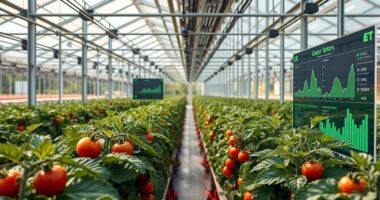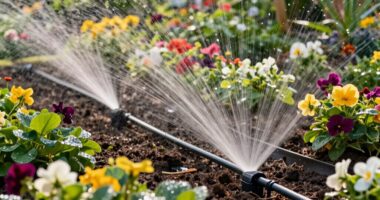

To determine if a greenhouse upgrade is worth it, evaluate the initial costs of new equipment, installation, and materials against the expected benefits like energy savings and increased yields. Consider how the upgrade improves environmental control, reduces water and energy use, and aligns with your long-term goals. Check if the investment extends the growing season or diversifies crops. If you’re curious about making the most effective upgrade choices, there’s more to explore below.

Get garden gear delivered free with Prime
- Fast, free delivery on millions of items
- Prime Video, Amazon Music and more included
- Member-only deals all year
Key Takeaways
- Compare the long-term energy savings and increased yields against the upfront costs of equipment and installation.
- Assess environmental benefits like water reduction and eco-friendly materials to justify sustainability goals.
- Ensure the upgrade improves growing conditions, such as temperature and humidity control, for healthier plants and higher productivity.
- Consider the system’s lifespan and strategic advantages, like extending seasons or entering new markets.
- Evaluate operational complexity and maintenance needs to confirm the upgrade is manageable and cost-effective long-term.

Upgrading your greenhouse can boost plant health and productivity, but it’s crucial to know when the investment is truly worthwhile. Before making any changes, you need to conduct a thorough cost analysis. This involves evaluating the expenses involved in the upgrade—such as new equipment, materials, and installation costs—and weighing them against the expected benefits. Will the new climate control system reduce energy costs over time? Will improved lighting increase crop yields? Understanding these financial factors helps you determine if the upgrade makes sense in the long run. Additionally, consider the environmental impact of your upgrade. Will the new systems reduce energy consumption or water use? Are you investing in eco-friendly materials? Minimizing your greenhouse’s environmental footprint can not only align with sustainable practices but also lead to cost savings through efficiencies. For example, switching to energy-efficient heating or lighting can cut down your utility bills and lessen your carbon footprint, making the upgrade more justifiable.
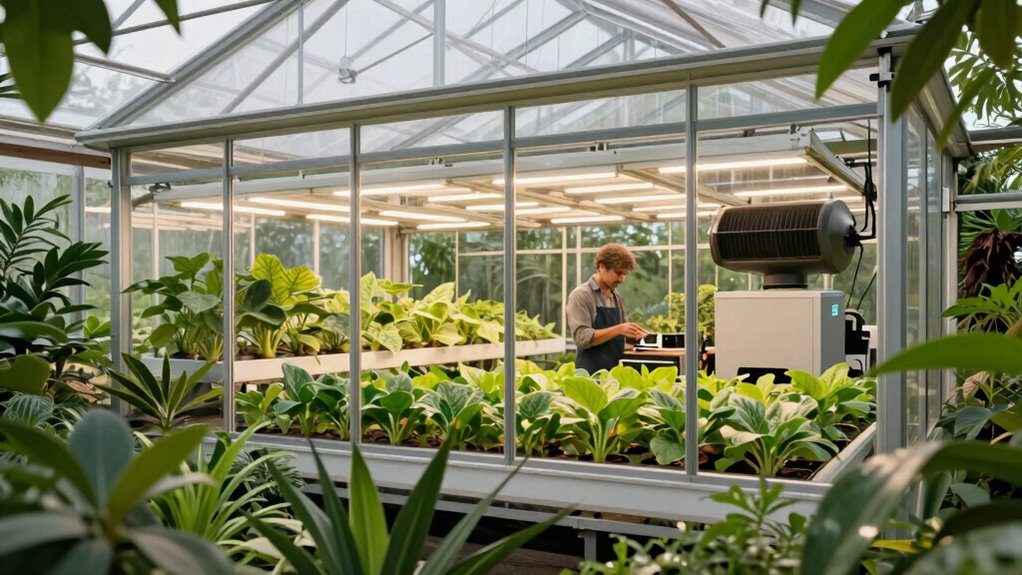
Greenhouse upgrades boost efficiency and sustainability, saving costs and reducing environmental impact over time.
Next, analyze how the upgrade improves your growing conditions. If your current setup struggles to maintain consistent temperatures or humidity levels, a retrofit might be necessary. An upgrade that enhances environmental control can lead to healthier plants, higher yields, and reduced disease prevalence. However, it’s vital to compare these potential benefits against the costs. Will the increased productivity offset the initial investment? If the climate issues are minor, it might be more cost-effective to optimize existing systems rather than replace them entirely.
You should also consider the lifespan of the proposed upgrade. Will it last several years, providing a good return on investment? Or will it require frequent repairs and replacements? A longer lifespan usually justifies a higher upfront cost, especially if it greatly improves your growing environment. It’s also wise to evaluate how the upgrade fits into your overall farm plan. Will it allow you to extend your growing season, diversify your crops, or enter new markets? These strategic advantages can make the investment worthwhile beyond immediate financial gains.
Finally, don’t forget to factor in your own capacity to manage and maintain the new systems. An upgrade that’s too complex or requires specialized knowledge might lead to higher ongoing costs, diminishing its value. Ultimately, making an informed decision about a greenhouse upgrade involves balancing the financial, environmental, and operational aspects. When your analysis indicates that the benefits outweigh the costs—both immediate and long-term—you can proceed confidently, knowing you’re making a smart investment that supports your growth goals.
Frequently Asked Questions
What Are the Latest Greenhouse Technology Trends?
You should explore the latest greenhouse technology trends like smart irrigation systems that optimize water use and automated climate controls that maintain ideal conditions effortlessly. These innovations help you increase efficiency, reduce labor, and improve plant health. Incorporating smart technology allows you to monitor and adjust environmental factors remotely, making your greenhouse more sustainable and productive. Staying updated with these trends guarantees your greenhouse stays competitive and maximizes yields.
How Much Does a Typical Greenhouse Upgrade Cost?
A greenhouse upgrade can range from $2,000 to over $20,000, depending on your needs. You should start with a thorough cost analysis to understand expenses, and use budgeting tips like prioritizing essential improvements first. Remember, investing wisely can turn your greenhouse into a powerhouse of productivity. By planning carefully, you’ll avoid costly mistakes and guarantee your upgrade delivers maximum value for your investment.
Can Upgrades Improve Energy Efficiency Significantly?
Upgrades can considerably boost your greenhouse’s energy efficiency, reducing your environmental impact and lowering energy costs. Improvements like better insulation, energy-efficient heating, or advanced ventilation can lessen maintenance requirements by minimizing wear and tear on systems. These upgrades not only save money over time but also help you adopt more sustainable practices, making your greenhouse more eco-friendly while streamlining ongoing upkeep.
Are There Government Grants for Greenhouse Improvements?
Did you know that over 30% of greenhouse owners have accessed government funding for upgrades? Yes, there are grants available for greenhouse improvements, but grant eligibility varies widely. You should check local and national programs, as some focus on energy efficiency or sustainable practices. Applying might take time, but these grants can considerably offset upgrade costs, making it worthwhile to explore your options for funding before proceeding.
How Long Does a Greenhouse Upgrade Typically Take?
A greenhouse upgrade typically takes anywhere from a few days to several weeks, depending on the complexity of the improvements. To plan effectively, conduct a thorough cost analysis and create a detailed timeline. You should factor in ordering materials, scheduling labor, and potential delays. Proper timeline planning helps guarantee your upgrade stays on track, minimizes disruptions, and fits within your budget, so you can enjoy the benefits sooner.
Conclusion
Remember, upgrading your greenhouse can boost your growing success, but it’s essential to weigh the costs and benefits. Did you know that modern greenhouses can increase crop yields by up to 40%? If this aligns with your goals and your finances, then a upgrade might be worth considering. Ultimately, the decision comes down to whether the potential gains outweigh the investment. Trust your instincts and analyze your specific needs to make the best choice for your gardening journey.
Fall Picks
fall essentials
As an affiliate, we earn on qualifying purchases.