
To inspect your irrigation lines for leaks and clogs, start by visually examining visible pipes and fittings for soggy patches or erosion, which can indicate leaks. Check for cracks, holes, or damaged joints with a flashlight. Listen for leaks during system operation, and monitor water flow from sprinkler heads for uneven spray or blockages. Using a pressure gauge can also help detect drops that suggest leaks. Keep exploring to find more tips on maintaining an efficient system.

Get garden gear delivered free with Prime
- Fast, free delivery on millions of items
- Prime Video, Amazon Music and more included
- Member-only deals all year
Key Takeaways
- Visually inspect pipes and fittings for soggy areas, cracks, or leaks during system operation.
- Use a flashlight to check for cracks, holes, or mineral buildup in tubing and joints.
- Monitor pressure gauge readings for sudden drops indicating leaks or blockages.
- Observe sprinkler spray patterns for uneven coverage or reduced flow suggesting clogs.
- Conduct system flushing at full pressure to dislodge mineral deposits and clear potential clogs.
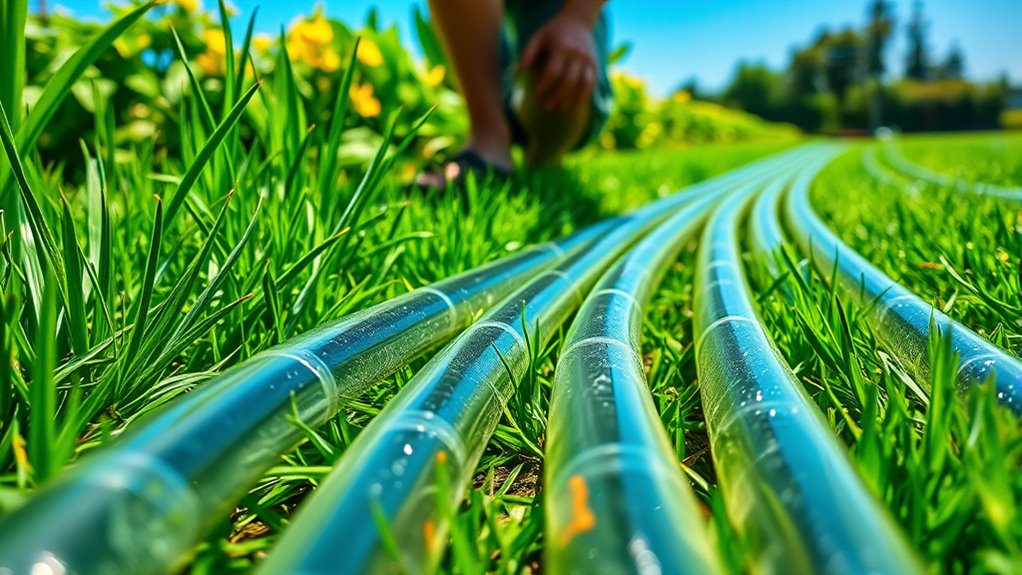
Regularly inspecting your irrigation lines is essential to guarantee your system operates efficiently and prevents costly damage. One of the first steps you should take is soil testing around your sprinkler zones. Soil testing helps you understand the moisture levels and identify areas that may be over or under-watered. When you know the soil’s condition, you can adjust your watering schedule accordingly, avoiding unnecessary strain on your system. If the soil is too compacted or has poor drainage, it can cause clogs or uneven water distribution, making it imperative to address these issues early. Soil testing also reveals whether your soil composition supports healthy plant roots, which can be affected by uneven watering caused by leaks or clogs in your lines. Incorporating sound vibrations into your maintenance routine can help detect hidden leaks or blockages through audio cues, promoting a more comprehensive inspection approach.
Regular soil testing helps optimize watering and prevents clogs in your irrigation system.
Sprinkler maintenance plays a critical role in keeping your irrigation system running smoothly. Regularly check your sprinkler heads for proper function and alignment. Misaligned or damaged heads can lead to water wastage and uneven coverage, which often signals underlying problems like clogged nozzles or leaks. As part of your routine maintenance, inspect the sprinkler heads for debris or mineral buildup that could block water flow. Cleaning or replacing clogged heads ensures even watering and reduces pressure issues that can cause leaks elsewhere in the system. Additionally, listen for any unusual noises or dripping sounds during operation, as these can indicate leaks or damaged fittings.
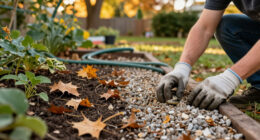
When it comes to inspecting your irrigation lines specifically for leaks and clogs, start by visually examining all visible pipes and fittings. Look for soggy patches, which often point to leaks, or areas with excessive moisture that could cause erosion or damage to surrounding plants. Use a flashlight to check for cracks or holes in the tubing and fittings, especially around joints and connection points. For hidden leaks, turn on the irrigation system and observe the pressure gauge; a sudden drop in pressure typically indicates a leak somewhere in the line. Also, monitor water flow from each sprinkler head. If some heads are spraying unevenly or not at all, it’s a sign of potential clogging or a leak blocking water flow.
To catch clogs early, flush your system periodically by running water through the lines at full pressure. This helps clear out mineral deposits and debris that may accumulate over time, especially in areas with hard water. If you notice persistent clogs, consider replacing damaged sections of piping or installing filters to prevent future blockages. Keep in mind that regular sprinkler maintenance, combined with soil testing, helps you catch problems before they escalate, saving water, reducing costs, and maintaining a healthy landscape. Staying proactive about inspecting and maintaining your irrigation lines ensures your system remains efficient and effective season after season.
Products Worth Considering

Orbit B-hyve Smart Indoor/Outdoor 12-Zone Sprinkler Controller

AMERLIFE 34 x 10 x 7 ft Walk-In Tunnel Greenhouse with Watering System

Orbit B-hyve XR Smart Indoor/Outdoor Sprinkler Controller, 16 Zones
As an affiliate, we earn on qualifying purchases.
Frequently Asked Questions
How Often Should I Inspect My Irrigation Lines for Leaks?
You should examine your irrigation lines at least once a month to catch leaks early. Stick to a consistent timing schedule, like every 30 days, to keep your system in top shape. Use an inspection checklist to look for soggy spots, damaged pipes, or clogged emitters. Regular inspections help prevent water waste and ensure your plants get the right amount of hydration without unnecessary costs.
What Tools Are Best for Locating Hidden Clogs?
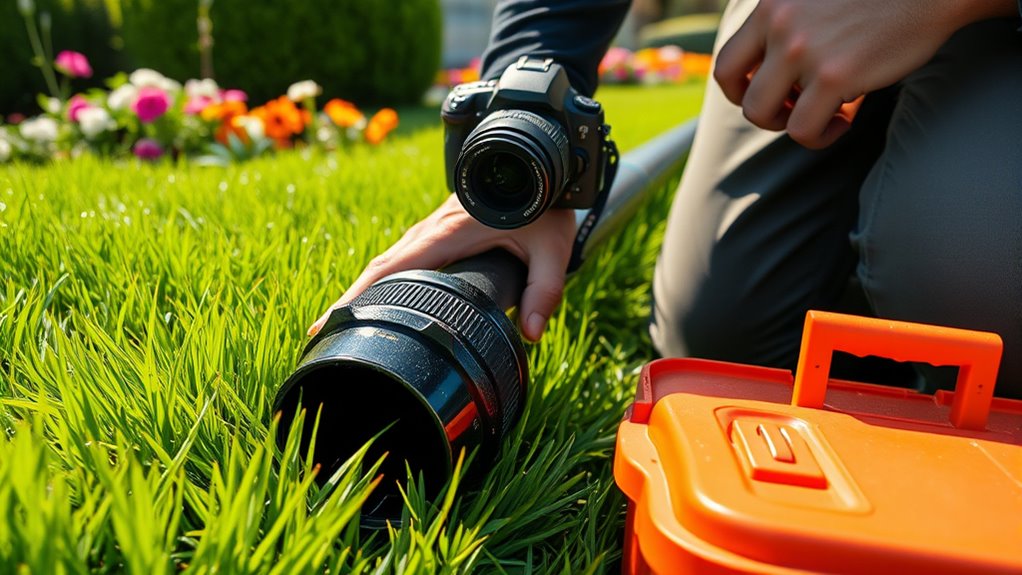
Imagine your irrigation lines as hidden underground mazes—mysteries waiting to be unraveled. To find those sneaky clogs, you’ll want a drain camera that snakes through pipes like a digital explorer, revealing blockages unseen to the naked eye. Pair it with a pressure gauge to detect sudden drops in water flow, pinpointing trouble spots. Together, these tools turn detective work into a high-tech treasure hunt beneath your yard.
Can I Repair Leaks Myself or Should I Hire a Professional?
You can often handle minor irrigation leaks yourself with DIY repairs, like tightening fittings or replacing small sections of damaged pipe. However, for complex issues or persistent leaks, it’s best to hire professional services. Professionals have the expertise and tools to identify hidden problems and guarantee repairs are done correctly, saving you time and preventing further damage. When in doubt, consulting a pro guarantees your irrigation system stays efficient and leak-free.
Are There Eco-Friendly Methods to Clear Irrigation Clogs?
Yes, you can use eco-friendly cleaning methods to clear irrigation clogs. Opt for biodegradable solutions like vinegar or baking soda mixed with water, which effectively dissolve mineral buildup without harming the environment. You simply pour these solutions into the lines and let them sit before flushing with water. This approach keeps your irrigation system clear while supporting eco-friendly practices and protecting local waterways.
How Can I Prevent Future Leaks and Clogs in My System?
To prevent future leaks and clogs, you should perform regular system maintenance, including checking for damaged pipes and loose fittings. Clean filters and emitters frequently to avoid blockages, and guarantee your system operates efficiently. By doing so, you promote water conservation, reduce repair costs, and extend your irrigation system’s lifespan. Consistent maintenance helps catch issues early, saving water and preventing costly repairs down the line.
Conclusion
Remember, your irrigation lines are like veins nourishing your garden’s heart. When you inspect for leaks and clogs, you’re ensuring the life force flows freely, keeping your plants vibrant and strong. A small leak or clog might seem minor, but it’s like a crack in a mirror—distorting the whole picture. Stay vigilant, fix issues promptly, and your garden will flourish as a reflection of your care, thriving under your watchful eye.