
To prevent pests through sanitation, keep your space clean and organized by regularly disposing of trash in sealed containers, wiping down surfaces, and storing food in airtight containers. Maintain outdoor areas by trimming bushes, eliminating standing water, and removing debris. Seal gaps around doors, windows, and pipes to block entry points, and inspect regularly for signs of pests. Proper sanitation creates an environment pests can’t thrive in—continue to explore how these practices can keep your home pest-free.

Get garden gear delivered free — and shop member deals
- Fast, free delivery on millions of items
- Access to Prime Big Deal Days deals on October 6–7
- Prime Video, Amazon Music and more included
Key Takeaways
- Maintain cleanliness by removing clutter, food residues, and water sources to eliminate pest hiding spots and attractants.
- Properly store food in airtight containers and dispose of waste promptly to prevent pest attraction.
- Seal entry points around doors, windows, and utility openings to block pest access.
- Keep outdoor areas tidy by trimming vegetation, removing debris, and eliminating standing water.
- Conduct regular inspections and maintenance to identify and address potential pest entry and harborage sites.

Maintaining good sanitation is one of the most effective ways to prevent pest infestations before they start. When your space stays clean and organized, pests find it harder to find food, water, and shelter. This reduces the likelihood of infestations and saves you from costly exterminations down the line. One essential step is implementing rodent proofing measures. These include sealing gaps around doors, windows, and utility pipes, and installing door sweeps and weather stripping. Rodents are excellent climbers and jumpers, so ensure that vents and small openings are covered with fine mesh. Regularly inspecting these entry points keeps new pests from sneaking in. In addition, keep your property free of clutter, such as cardboard boxes or piles of paper, which can serve as nesting sites for rodents and other pests. Maintaining a tidy environment limits hiding spots and discourages pests from settling in. Using pest-resistant storage such as airtight containers further prevents pests from accessing stored food and supplies. Regularly cleaning shelves and wiping down surfaces ensures no food residue remains that might draw unwanted guests. Be vigilant about disposing of garbage and compost properly—use sealed trash cans and empty them frequently. This minimizes food sources that attract pests to your home or business. Another key aspect of sanitation is managing outdoor spaces. Keep your yard tidy by trimming bushes, mowing the lawn, and removing debris, which can serve as harborage for pests like rodents and insects. Clear away standing water from birdbaths, plant saucers, and clogged gutters, as water attracts pests seeking hydration. Proper drainage prevents pests from establishing breeding sites around your property. Also, consider installing barriers such as mesh screens around vents and drainage areas to block pest entry points.
airtight food storage containers
As an affiliate, we earn on qualifying purchases.
As an affiliate, we earn on qualifying purchases.
Frequently Asked Questions
How Often Should Sanitation Practices Be Maintained for Effective Pest Control?
You should maintain your sanitation schedule daily or at least several times a week for effective pest control. The frequency maintenance depends on your environment and the type of pests you’re targeting. Regular cleaning prevents food debris and clutter that attract pests. By sticking to consistent sanitation schedules, you reduce pest risks and ensure a cleaner, safer space. Keep up with routine cleaning to maintain a pest-free environment effectively.
Are There Eco-Friendly Sanitation Products Recommended for Pest Prevention?
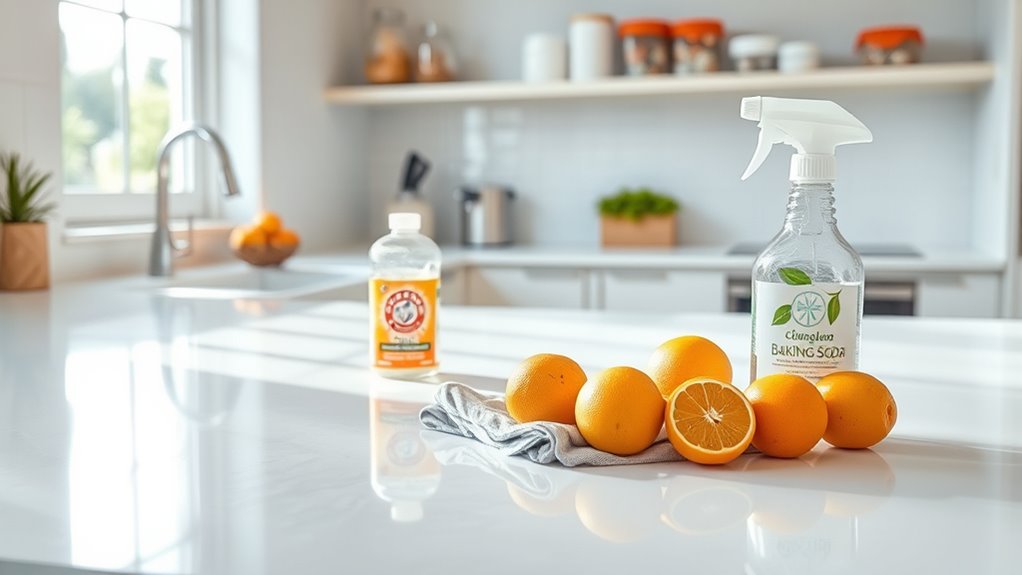
Yes, you should use eco-friendly cleaners and natural disinfectants for pest prevention. These products effectively clean surfaces without harmful chemicals, reducing pest attractants. Look for options like vinegar, baking soda, or plant-based disinfectants. Regularly using these eco-friendly cleaners helps maintain a sanitary environment while being safe for your family and the planet. Incorporate natural disinfectants into your routine to enhance pest prevention efforts sustainably.
Can Sanitation Alone Eliminate All Types of Pests?
Sanitation alone can’t eliminate all pest types because pest habitats often persist despite good cleaning practices. While maintaining cleanliness reduces food sources and hiding spots, sanitation has limitations in addressing pests like termites or rodents that burrow or nest deep underground or inside walls. To effectively control pests, you need integrated approaches, combining sanitation with other methods like sealing entry points, trapping, or professional treatments.
What Are the Cost Implications of Implementing Sanitation-Based Pest Control?
Implementing sanitation-based pest control involves initial investments in cleaning supplies, staff training, and regular maintenance, but it often reduces long-term costs. Conducting a thorough cost analysis helps you weigh these expenses against potential pest damage and control measures. While sanitation alone might not eliminate all pests, it’s a cost-effective investment that minimizes chemical use and pest-related risks, making it a smart consideration for sustainable pest management.
How to Train Staff Effectively in Sanitation Practices for Pest Prevention?
You might think staff training takes too much time, but it’s essential for pest prevention. To do it effectively, motivate your team by emphasizing their role in maintaining a clean environment. Use engaging training assessments to identify knowledge gaps and tailor sessions accordingly. Keep training practical and interactive, encouraging questions and feedback. Regularly reinforce sanitation practices, recognizing staff efforts, which boosts motivation and guarantees consistent pest prevention through proper sanitation.
Conclusion
By maintaining clean and organized spaces, you substantially reduce pest attractions. For example, a restaurant that regularly cleans its kitchens and properly stores food saw a 60% drop in pest sightings within months. When you prioritize sanitation, you’re not just cleaning—you’re actively preventing pests from settling in. Consistent practices make a real difference, protecting your home or business from costly infestations. Stay diligent, and you’ll keep pests at bay more effectively.
Fall Picks
fall essentials
As an affiliate, we earn on qualifying purchases.