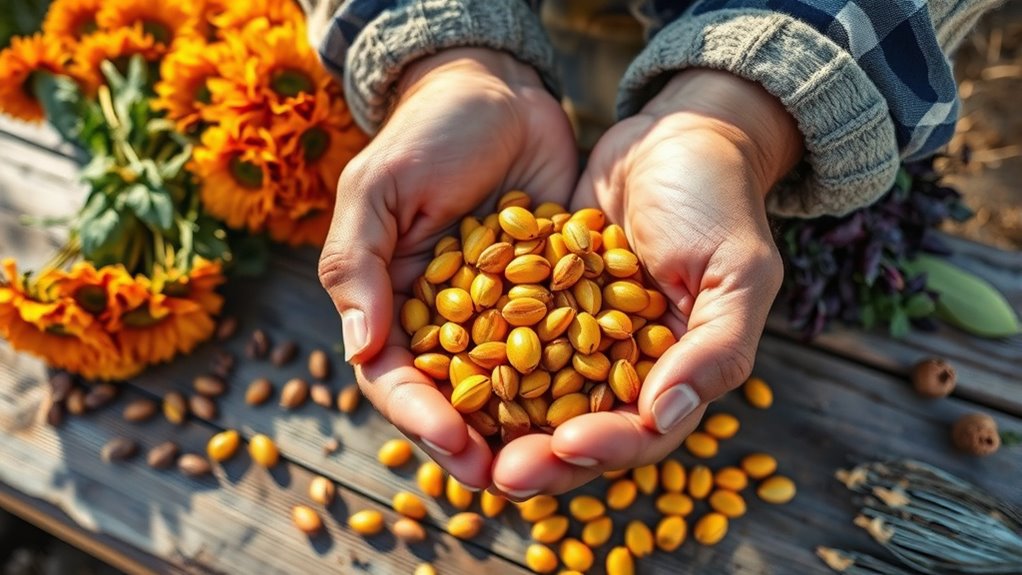

At season’s end, you should harvest seeds when they are fully mature and dry, avoiding damage and debris. Store seeds in airtight containers in a cool, dark, and dry spot to maintain their viability. Test their germination by placing a few on a moist paper towel to ensure they still grow. Proper harvesting and storage can greatly extend seed longevity, boosting your future planting success—if you keep exploring, you’ll discover more tips to perfect your seed-saving process.
Key Takeaways
- Harvest seeds when fully mature and dry to ensure viability and prevent damage.
- Clean seeds by removing debris, damaged seeds, and chaff for better storage.
- Dry seeds thoroughly in a warm, well-ventilated area before storing to prevent mold.
- Store seeds in airtight containers in a cool, dark, and dry location for maximum longevity.
- Test seed viability before planting to confirm they are still capable of germination.
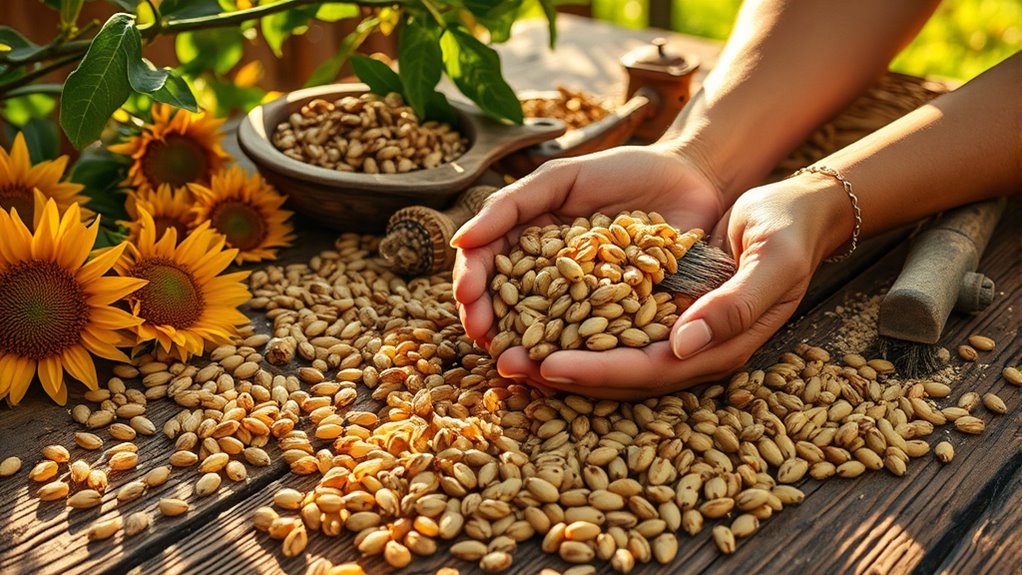
Have you ever wondered how to keep your favorite plants thriving year after year? It all begins with properly harvesting and saving seeds at the end of the growing season. When you harvest seeds correctly, you ensure the future health of your plants and increase your chances of successful growth in the next cycle. But before you store your seeds, it’s essential to understand the best seed storage methods. Proper storage can prevent mold, pests, and deterioration, helping your seeds stay viable longer. The first step is to allow your seeds to fully mature on the plant. Once they’re ripe and dry, gently collect them, making sure to remove any debris or damaged seeds. After harvesting, you need to dry your seeds thoroughly—usually in a warm, well-ventilated space—to reduce moisture content. Moisture is the enemy of seed longevity, so don’t skip this step. Once dried, store your seeds in airtight containers like glass jars or seed packets, kept in a cool, dark, and dry environment. Avoid storing seeds in places with fluctuating temperatures or high humidity, such as garages or sheds, as these conditions can compromise seed quality. Using proper seed storage methods helps maximize seed viability over time.
Before planting your saved seeds, it’s wise to perform seed viability testing. This process helps you determine whether your stored seeds are still capable of germinating successfully. To do this, place a small sample of seeds on a moist paper towel, cover them, and keep them in a warm spot. Check after a few days to see how many seeds sprout. If most of them germinate, your seeds are still viable, and you can proceed to plant them with confidence. If germination rates are low, it might be better to acquire fresh seeds for better results. Seed viability testing saves you time, effort, and disappointment by helping you make informed planting decisions. Remember, not all seeds remain viable for the same amount of time; some may last only a year or two, while others can remain viable for longer periods with proper storage.
Incorporating these seed storage methods and viability testing into your gardening routine ensures you get the most out of your seeds. It reduces waste and makes your gardening more sustainable and cost-effective. With patience and practice, you’ll develop a keen understanding of how to preserve your seeds properly, leading to a more successful and rewarding gardening experience. Proper seed harvesting, storage, and testing don’t just protect your plants—they help you build a resilient, thriving garden that continues to flourish season after season.
airtight seed storage containers
As an affiliate, we earn on qualifying purchases.
As an affiliate, we earn on qualifying purchases.
Frequently Asked Questions
How Do I Identify Which Seeds Are Viable for Saving?
You can identify viable seeds by conducting seed viability testing, which involves placing seeds on a damp paper towel to see if they sprout within a few days. Use seed cleaning techniques to remove debris and damaged seeds, helping improve overall viability. Healthy seeds are firm, plump, and free of mold or damage. By testing and cleaning, you guarantee your saved seeds have the best chance to grow successfully next season.
What Tools Are Best for Seed Harvesting?
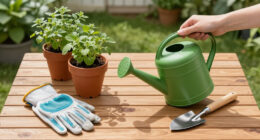
Think of your tools as the keys to a treasure chest; they unlock the potential of your future garden. Use scissors or pruning shears for gentle seed harvesting, ensuring clean cuts. For seed cleaning, a fine sieve or screen helps separate chaff from seeds. To prevent mold, lay seeds out on a paper towel or screen to dry thoroughly. These tools make seed drying and cleaning efficient, securing your harvest’s vitality.
How Should I Store Seeds to Maximize Longevity?
To maximize seed longevity, start by thoroughly cleaning your seeds to remove debris and moisture. Then, store them in airtight storage containers like glass jars or sealed plastic bags to prevent air and humidity exposure. Keep the containers in a cool, dark, and dry place, such as a pantry or cellar. Proper seed cleaning and using the right storage containers guarantee your seeds stay viable for planting in future seasons.
Can I Save Seeds From Hybrid Plants?
You can save seeds from hybrid plants, but keep in mind that seed purity may be compromised, leading to unpredictable offspring. To preserve desired traits, practice pollination control by isolating hybrids or hand-pollinating flowers. This way, you can guarantee your saved seeds maintain the qualities you’re after. Remember, hybrid seed saving often results in varied plants, so plan accordingly if you want consistent results.
How Do I Prevent Seed Contamination From Pests?
Imagine your carefully saved seeds, ripe and ready, suddenly compromised by unseen pests. To prevent contamination, store your seeds in pest-resistant containers in a cool, dry place. Use organic pest prevention methods like neem oil or diatomaceous earth around storage areas. Regularly inspect your seeds, and keep the environment clean to ward off pests. This proactive approach guarantees your seed vault remains pure and healthy for next season’s planting.
Conclusion
As you harvest, you gather the future; as you save, you secure tomorrow. Embrace the rhythm of the seasons, knowing each seed you save is a promise kept, a tradition upheld, a gift passed on. Whether you’re drying, storing, or labeling, remember that every step you take connects you to nature’s cycle. Keep nurturing, keep saving, and keep planting, for in each seed lies the potential for new life, new growth, and new beginnings.