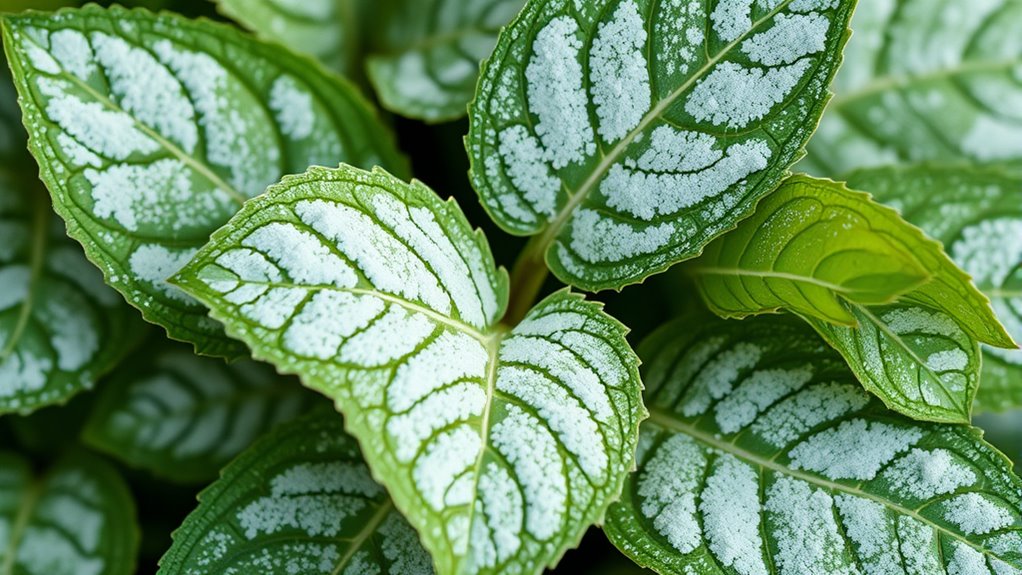

To recognize powdery mildew, look for a white or grayish powder on leaves, stems, or buds, often starting on the upper leaf surfaces. The affected areas may become deformed, yellowed, or brown, with a fuzzy appearance. To treat it, improve air circulation, remove infected plant parts, and apply organic remedies like neem oil, sulfur, or a milk spray. Keeping an eye on your plants and acting early is key—there’s more to learn on how to manage it effectively.

Get garden gear delivered free — and shop member deals
- Fast, free delivery on millions of items
- Access to Prime Big Deal Days deals on October 6–7
- Prime Video, Amazon Music and more included
Key Takeaways
- Look for white or grayish powder on leaves, stems, and buds, often starting on upper leaf surfaces.
- Note plant deformation, yellowing, or browning as symptoms of advancing powdery mildew infection.
- Improve air circulation, remove infected leaves, and apply organic remedies like neem oil or milk spray.
- Conduct weekly inspections, especially during humid weather, and reapply treatments after rain or dew.
- Maintain healthy plants with proper watering, sunlight, and low humidity to prevent and manage fungal growth.

Powdery mildew is a common fungal disease that quickly spreads across many plants, causing a white, powdery coating on leaves, stems, and buds. Recognizing this disease early is essential to prevent it from compromising your plant’s health. To do that effectively, you need to focus on fungus identification. Look for the signature white or grayish powder that appears on the surface of plant tissues, often starting on the upper sides of leaves but sometimes on stems and flower buds as well. The affected areas may become deformed or stunted, and the leaves might turn yellow or brown as the infection progresses. In some cases, you’ll notice a fuzzy appearance, especially on younger growth. Since powdery mildew can resemble other issues like mold or dust, understanding the telltale signs helps you distinguish it accurately. Fresh air circulation can also help reduce humidity and inhibit fungal growth, making it easier to manage the disease.
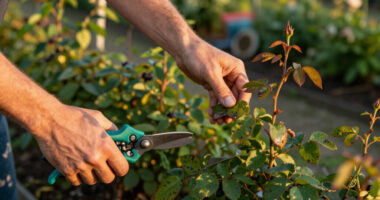
Once you’ve identified the fungus, it’s time to act with organic remedies that are both effective and safe for your garden. Organic approaches often focus on improving air circulation around your plants, which discourages fungal growth. You can prune overcrowded branches or remove infected leaves to reduce the spread. Applying neem oil or potassium bicarbonate solutions directly to affected areas can disrupt the fungal spores and halt the disease’s progression. Many gardeners also swear by homemade mixtures like a milk spray—diluted milk combined with water—because the proteins in milk can boost plant defenses and inhibit fungal development. Another organic remedy involves using sulfur-based fungicides, which are natural and widely available. Paying attention to fungus identification ensures that your treatments are targeted and effective.
You should apply these treatments early in the disease cycle for the best results. Regular monitoring is essential; inspect your plants weekly, especially during humid or wet weather, which creates perfect conditions for powdery mildew. Keep your plants healthy by watering at the base to avoid excess moisture on the foliage, and ensure they receive adequate sunlight, as fungi thrive in shady, damp environments. If you catch the problem early, these organic remedies can often control powdery mildew without the need for chemical fungicides, which might harm beneficial insects or the environment. Remember, persistence is key. Reapply treatments as recommended, especially after rain or heavy dew, to guarantee the spores don’t re-establish. With vigilant fungus identification and timely organic intervention, you can keep your plants healthy and free from the unsightly and damaging effects of powdery mildew.
Frequently Asked Questions
Can Powdery Mildew Affect Edible Crops Safely?
Yes, powdery mildew can affect edible crops, but it’s vital to guarantee edible safety. If your plants are infected, avoid consuming those parts since crop contamination could occur. Always rinse thoroughly and consider organic treatments that are safe for consumption. Being vigilant about disease signs helps protect your health and prevents potential risks associated with contaminated produce. Proper management ensures your edible crops remain safe and healthy to eat.
Are There Natural Remedies for Powdery Mildew?
Did you know that over 60% of gardeners prefer natural remedies for plant diseases? Yes, there are effective home remedies and organic solutions for powdery mildew. You can try mixing baking soda with water, using neem oil, or applying diluted milk to affected plants. These natural options help control the fungus safely, promote healthy growth, and avoid chemical residues, making your garden more sustainable and eco-friendly.
How Long Does It Take to See Results After Treatment?
After treatment, you’ll typically see visible improvement within a week or two, depending on the severity of the mildew and your chosen method. Keep in mind that treatment effectiveness varies; some natural remedies may take longer to show results. To guarantee the best outcome, follow the instructions carefully, reapply if needed, and monitor your plants regularly. Patience and consistent care are key to effectively eliminating powdery mildew.
Is Powdery Mildew Contagious Between Different Plant Species?
Like wildfire spreading through dry grass, powdery mildew can jump between different plant species, making cross species transmission quite common. Your plants’ host susceptibility plays a big role, meaning some are more vulnerable than others. If one plant is infected, it’s wise to treat nearby plants promptly, as the fungus can easily move across species, especially if conditions favor its growth. Stay vigilant to protect your garden’s diversity.
What Environmental Changes Can Prevent Future Outbreaks?
To prevent future powdery mildew outbreaks, improve air circulation around your plants and control humidity levels. Space plants adequately to allow airflow, reducing humidity buildup that favors fungal growth. Use fans if necessary and avoid overhead watering, which increases moisture on leaves. Keeping humidity below 60% and ensuring good airflow creates an environment less conducive to powdery mildew, helping your plants stay healthy and resistant to infection.
Conclusion
By staying vigilant and treating powdery mildew early, you’re like a skilled gardener clearing away a sneaky shadow before it spreads. Recognize the subtle white patches and act swiftly with effective treatments to keep your plants healthy. Think of it as shielding your garden’s shining stars from an unwelcome cloud. With careful attention and prompt action, you can guarantee your plants stay vibrant and strong, basking in the sunlight they deserve.
Fall yard work Picks
leaf blowers
As an affiliate, we earn on qualifying purchases.