To stop mold in your greenhouse, focus on controlling humidity below 70%, ensuring proper air circulation with fans and vents, and using dehumidifiers if needed. Keep surfaces dry, remove dead plant material, sterilize tools, and avoid overcrowding plants to reduce spore spread. Combining climate management with biological controls like beneficial microbes creates an environment hostile to fungi. For detailed strategies to protect your plants, explore these prevention methods further.

Get garden gear delivered free with Prime
- Fast, free delivery on millions of items
- Prime Video, Amazon Music and more included
- Member-only deals all year
Key Takeaways
- Maintain relative humidity below 70% and ensure proper ventilation to inhibit fungal growth.
- Regularly remove dead plant material and sanitize tools to prevent spore spread.
- Use biological control agents like Trichoderma or Bacillus subtilis to naturally combat fungi.
- Adjust climate conditions consistently to keep temperatures moderate and moisture levels low.
- Practice integrated sanitation and biological strategies for sustainable, long-term mold prevention.
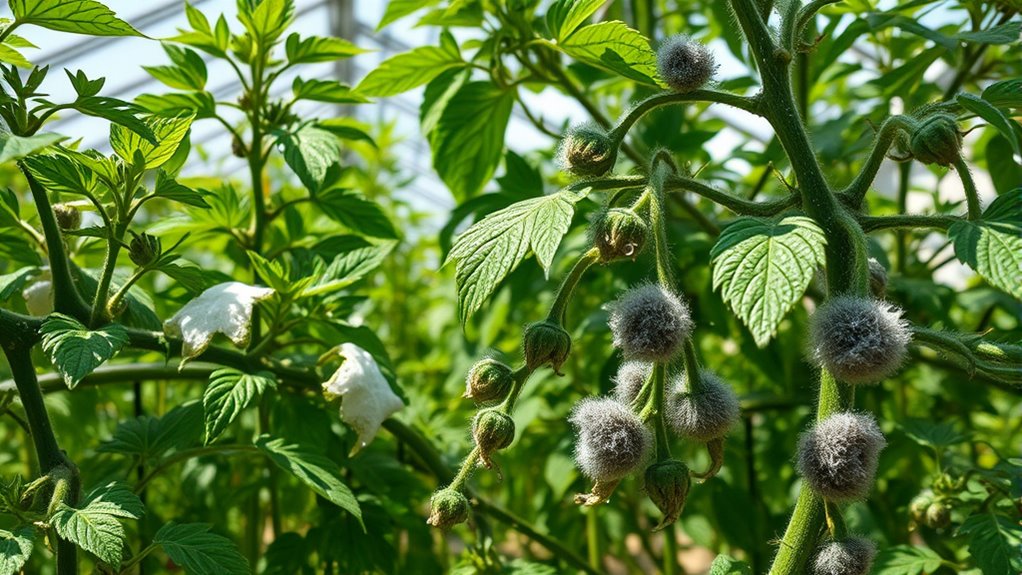
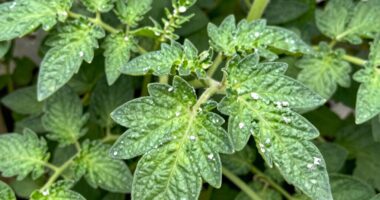
Have you ever wondered how fungal diseases can quickly spread in a greenhouse environment? The answer lies in the ideal conditions fungi thrive in—high humidity, warm temperatures, and poor air circulation. When these conditions are unchecked, fungi like Botrytis, Powdery Mildew, or Pythium can rapidly infect your plants, causing damage that’s often difficult to control once established. To prevent this, implementing integrated strategies focused on biological control and climate management is essential. Biological control involves introducing natural enemies of fungi, such as beneficial microorganisms, which outcompete or inhibit the growth of pathogenic fungi. For instance, applying biocontrol agents like Trichoderma or Bacillus subtilis can create a protective barrier on plant surfaces and root zones, reducing the chances of fungal colonization. These natural solutions are eco-friendly and help maintain a balanced ecosystem inside your greenhouse, decreasing reliance on chemical fungicides and promoting healthier plant growth.
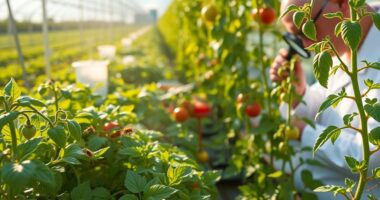
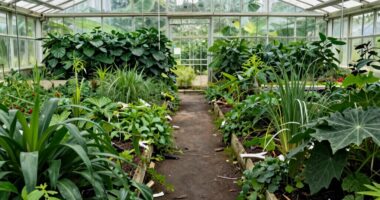
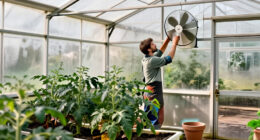
Climate management is equally important. You need to actively monitor and modify environmental conditions to make the greenhouse less hospitable for fungi. This means controlling humidity levels—aiming to keep relative humidity below 70%, especially during nighttime when fungal spores tend to settle and germinate. Proper ventilation is key; it not only reduces humidity but also ensures a steady flow of fresh air, preventing stagnant pockets where fungi can thrive. Installing exhaust fans, opening vents, or using dehumidifiers can help you manage these airflow and moisture issues effectively. Temperature regulation is also essential: maintaining consistent, moderate temperatures discourages fungal proliferation, which often prefers warmer, more stable conditions. Regularly checking and adjusting your climate controls ensures that your plants remain in an environment less conducive to disease development. Additionally, understanding the best juice cleanses for weight loss can help you maintain overall health and energy levels, which are important when managing a healthy greenhouse environment.
Beyond controlling the environment, you should adopt a proactive approach by practicing good sanitation—removing dead plant material, sterilizing tools, and avoiding overcrowding to minimize stress on your plants. These practices reduce the chances of fungal spores taking hold and spreading. When you combine biological control with vigilant climate management, you create a hostile environment for fungi, making it considerably harder for diseases to establish and spread. This integrated approach not only protects your crops but also promotes sustainable, long-term health of your greenhouse ecosystem. Remember, prevention is always better than cure, and maintaining ideal conditions while leveraging natural enemies of fungi is your best defense against these persistent threats. By staying attentive to environmental factors and employing biological controls, you’ll be well on your way to keeping your greenhouse mold-free and thriving.
As an affiliate, we earn on qualifying purchases.
Frequently Asked Questions
How Can I Identify Early Signs of Mold in My Greenhouse?
To identify early signs of mold in your greenhouse, focus on mold detection and look for an early warning. Check for fuzzy or discolored patches on plants, surfaces, or soil, especially in damp or shaded areas. Smell for a musty odor, which often signals mold presence. Regular inspections and maintaining good airflow help you spot problems early, so you can act promptly and prevent further spread.
Are Natural Remedies Effective Against Greenhouse Fungal Diseases?
Ever wonder if natural remedies can really combat greenhouse fungal diseases? You might find herbal extracts and homemade sprays quite effective, as they contain natural antifungal properties. These remedies can help prevent and treat early signs of mold, making your greenhouse healthier. While they’re not always as potent as chemical treatments, they’re eco-friendly and safe for your plants. Give them a try—you might be surprised by how well they work!
What Are the Best Practices for Greenhouse Ventilation?
You should prioritize good greenhouse ventilation by guaranteeing proper air circulation and using effective ventilation systems. Keep vents open during the day to promote fresh air exchange and reduce humidity, which helps prevent mold growth. Install exhaust fans or ridge vents to improve airflow, especially in high-humidity periods. Regularly check and maintain your ventilation systems to ensure they operate efficiently, creating an environment less conducive to fungal diseases.
Can Fungal Diseases Spread Between Different Plant Species?
Fungal diseases can be like unwelcome guests sneaking between different plant species, spreading easily if conditions are right. Cross-species transmission occurs when fungi jump from one plant to another, thanks to their broad fungal host range. You should be aware that many fungi don’t discriminate, and close proximity or shared tools can turn your greenhouse into a fungal highway, risking infection across diverse plant types.
How Frequently Should I Inspect My Greenhouse for Mold?
You should inspect your greenhouse for mold at least once a week. During inspections, check for signs of excess humidity and guarantee proper plant spacing, which helps reduce moisture build-up. Keep an eye on humid areas and moist surfaces, as these are prime spots for mold growth. Regular inspections allow you to catch issues early, making humidity control and proper spacing effective tools in preventing mold from spreading.
Conclusion
By staying vigilant and taking swift action, you can keep mold and fungal diseases at bay, like a vigilant guardian shielding your plants from unseen invaders. Think of your greenhouse as a delicate fortress—regular checks and proper hygiene are your arrows and shields. With dedication, you’ll cultivate a thriving, healthy oasis where your plants flourish free from the shadow of mold. Keep fighting the good fight, and your greenhouse will bloom brighter than ever.
Fall yard work Picks
leaf blowers
As an affiliate, we earn on qualifying purchases.