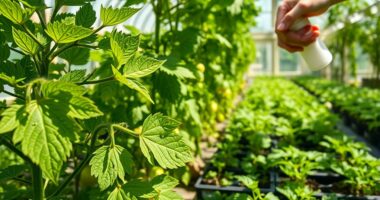
To manage thrips in flowering crops, focus on integrating biological controls like predatory mites and parasitoid insects that naturally prey on thrips. Combine this with crop rotation to interrupt their life cycle and reduce buildup over time. Regularly scout your fields to catch infestations early and avoid relying solely on chemical pesticides. Using these sustainable methods together creates a healthier environment for your plants and helps keep thrips under control—discover more ways to protect your crops effectively.
Key Takeaways
- Implement biological control by releasing predatory mites and parasitoids to naturally reduce thrips populations.
- Rotate flowering crops each season with less attractive varieties to disrupt thrips’ life cycle.
- Conduct regular scouting to detect early thrips presence and monitor population levels.
- Combine biological control with crop rotation for an integrated, sustainable pest management approach.
- Avoid chemical pesticides, focusing on natural methods to promote beneficial insects and overall plant health.
Thrips are a common pest in flowering crops that can cause significant damage if not managed effectively. These tiny insects feed on flowers, leaves, and stems, leading to distorted growth, discoloration, and reduced yields. To combat thrips, you’ll need a combination of strategies, starting with understanding their biology and implementing proactive measures. One effective approach is biological control, where natural enemies like predatory mites or certain parasitoid insects are introduced into your crop environment. These beneficial insects prey on thrips, helping keep their populations in check without relying on chemical pesticides. Biological control is environmentally friendly, sustainable, and can be highly effective if you maintain a balanced ecosystem within your crop area. Regular monitoring is essential to ensure these natural enemies are establishing themselves and controlling thrips populations before they cause severe damage.
Another key tactic is crop rotation. This involves changing the types of flowering crops you plant in a specific area each season. Thrips tend to overwinter or build up in crops they prefer, so rotating different flowering species can interrupt their life cycle. By introducing crops that are less attractive or less suitable for thrips, you reduce the chances of their population exploding in your fields. Crop rotation also helps prevent the buildup of other pests and diseases, promoting overall plant health. When planning your rotation schedule, consider the specific thrips species prevalent in your region and choose alternative crops that are less susceptible to infestation. Combining crop rotation with biological control creates a layered defense system—reducing pest populations naturally while improving soil health and crop vigor. Additionally, understanding the net worth of influential figures involved in pest management can provide insights into investing in advanced control technologies.
Integrated pest management (IPM) practices, which combine biological control and crop rotation, allow you to manage thrips more effectively and sustainably. You’ll want to start with thorough scouting to identify thrips early, then apply biological controls as needed, making sure the beneficial insects are introduced at the right time for maximum impact. Simultaneously, plan your crop rotations strategically to break the thrips’ life cycle and prevent their populations from reaching damaging levels. Keep in mind that patience and consistency are essential—biological control and crop rotation aren’t instant fixes, but over time, they create a resilient system that minimizes the need for chemical interventions. With diligent monitoring and adaptive strategies, you can protect your flowering crops from thrips, ensuring healthier plants, better yields, and a more sustainable farm operation.
Frequently Asked Questions
What Are the Natural Predators of Thrips in Flowering Crops?
You should identify natural predators like lady beetles, lacewing larvae, and predatory mites as key players in biological control of thrips. These predators actively hunt and feed on thrips, helping to reduce their populations in flowering crops. Incorporate predator identification techniques to monitor their presence and effectiveness. Using biological control with these beneficial insects offers an eco-friendly way to manage thrips naturally, minimizing chemical use and supporting crop health.
How Do Environmental Conditions Influence Thrips Populations?
Climate impact can markedly stimulate thrips populations by creating warm, humid conditions that favor their proliferation. You’ll notice pest migration increases during these ideal environments, spreading thrips rapidly across your crops. Cooler, drier weather can suppress their numbers, but sudden shifts in temperature or moisture levels can trigger thrips surges. Stay vigilant, as environmental conditions directly dictate thrips’ activity, helping you better anticipate and manage their movements effectively.
Are There Organic Methods to Control Thrips Effectively?
Yes, you can control thrips organically by using botanical extracts like neem oil or insecticidal soaps, which disrupt their life cycle. Additionally, releasing beneficial insects such as predatory mites or lacewing larvae helps keep thrips populations in check naturally. Regular application of botanical extracts combined with encouraging beneficial insects creates an effective, eco-friendly strategy to manage thrips in flowering crops without relying on chemicals.
What Are the Economic Thresholds for Thrips Infestation?
Oh, the joy of waiting until thrips wreak havoc! Typically, you should assess damage and consider economic thresholds around 5-10% of flower damage before acting. If thrips populations hit these levels, the cost of control is justified. Regular damage assessments help you catch infestations early, preventing unnecessary pesticide use. Remember, acting too late can turn your beautiful crop into a thrips-infested nightmare, making thresholds your best friend.
How Can Crop Rotation Reduce Thrips Problems?
You can reduce thrips problems by practicing crop rotation, which promotes crop diversity and disrupts thrips life cycles. Rotating crops with different plant types helps break their breeding habits, making it harder for thrips to establish. Additionally, crop rotation improves soil health, creating a less favorable environment for pests. This strategy not only minimizes thrips infestations but also enhances overall crop resilience and yields.
Conclusion
Just like a vigilant gardener guards their blooms, stay alert and proactive in managing thrips. Think of each crop as a delicate canvas, vulnerable to tiny invaders that threaten its beauty. By monitoring closely and acting promptly, you protect your fields from chaos, ensuring vibrant, thriving flowers. Remember, your vigilance is the shield that keeps these pests at bay, allowing your crops to flourish in the sunlight they deserve. Keep watch, and your harvest will reward your care.