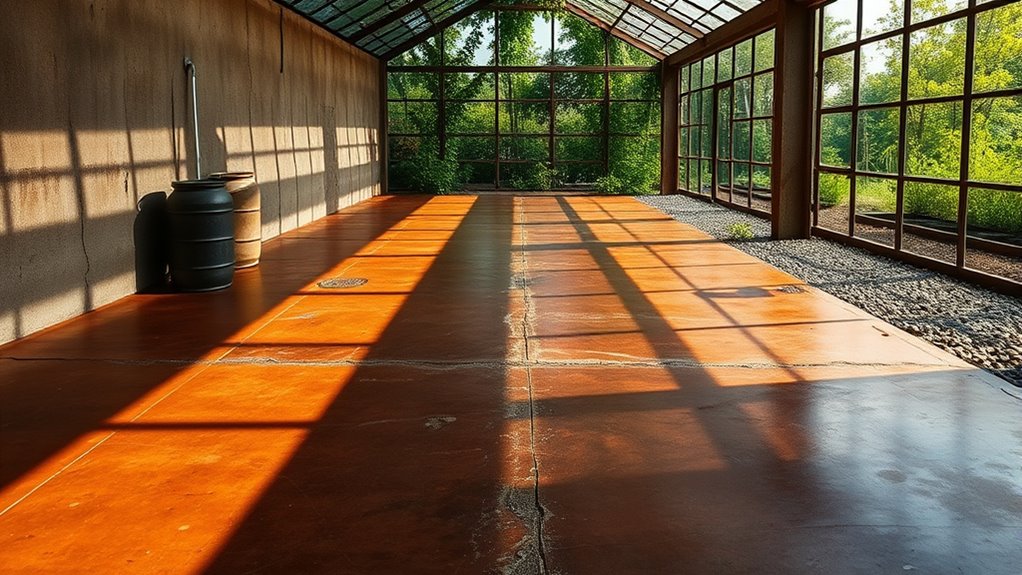

To incorporate thermal mass into your greenhouse floor, choose materials like concrete, brick, or stone that store and release heat effectively. Use dark, matte finishes to maximize heat absorption and add insulation beneath or around the floor to prevent heat loss. Proper design helps regulate soil and air temperatures, reducing stress on plants. By optimizing these features, you’ll create a more stable environment—stay tuned to discover more ways to improve your greenhouse climate.
Key Takeaways
- Use high thermal capacity materials like concrete, brick, or stone for the greenhouse floor to store and release heat effectively.
- Incorporate insulation beneath or around the floor to minimize heat loss and enhance thermal mass efficiency.
- Select darker, matte finishes for flooring surfaces to maximize heat absorption from sunlight.
- Design the floor layout to optimize sunlight exposure and facilitate uniform heat distribution across the growing area.
- Combine thermal mass with proper ventilation and shading to regulate temperature fluctuations and create a stable environment.
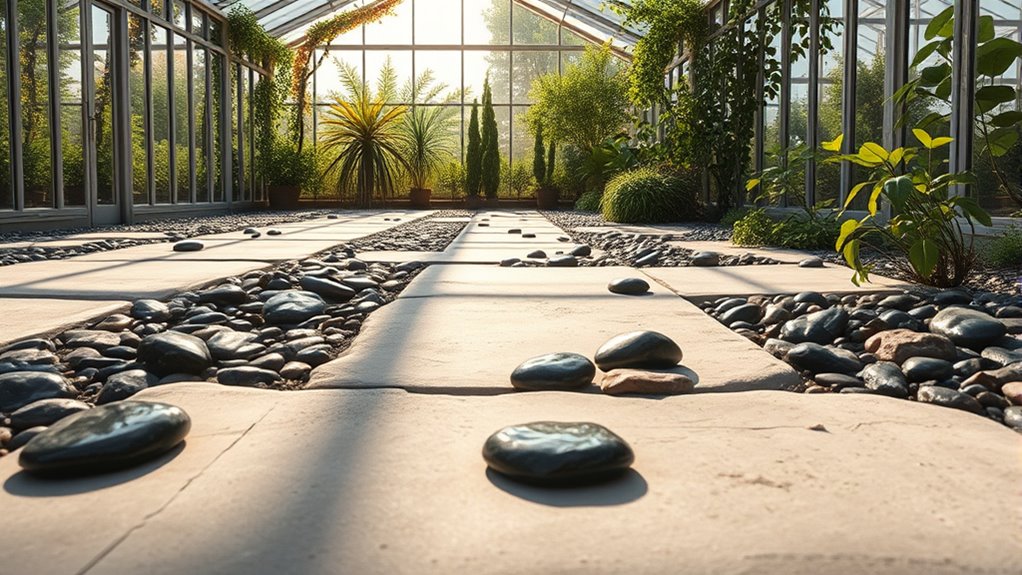
Thermal mass in greenhouse floors plays a critical role in maintaining stable temperatures and enhancing plant growth. When you incorporate thermal mass, you help regulate soil temperature, which is essential for consistent plant development. Stable soil temperature reduces stress on your plants, leading to healthier growth and potentially higher yields. To achieve this, you need to pay careful attention to material selection for your greenhouse floor. The right materials can absorb, store, and gradually release heat, smoothing out temperature fluctuations caused by daily and seasonal changes.
Choosing materials with high thermal capacity is essential. For example, concrete, brick, or stone are popular choices because they can store significant amounts of heat during the day and release it slowly at night. When selecting these materials, consider their specific heat capacity—the amount of heat they can store per unit mass—and their thermal conductivity, which determines how quickly they absorb and transfer heat. Proper material selection guarantees your greenhouse maintains a more consistent soil temperature, creating an ideal environment for your plants.
You’ll want to think about how these materials interact with sunlight and ambient temperatures. During sunny days, the floor’s thermal mass absorbs heat, preventing the soil from overheating. As temperatures drop at night, the stored heat is gradually released, keeping the soil and air warmer. This process minimizes temperature swings that can stress your plants or hinder their growth. The key is to position and design your floor so that the thermal mass effectively interacts with sunlight and temperature cycles, maximizing its benefits.
In addition to material selection, you can enhance the thermal mass effect by incorporating insulation beneath or around the floor. This prevents heat loss to the ground or surrounding environment, making your thermal mass more efficient. It’s also helpful to consider the color and surface texture of your flooring materials; darker, matte finishes tend to absorb and retain more heat, contributing further to soil temperature stability. Incorporating thermal mass principles into your design can optimize heat retention and improve overall greenhouse climate control.
concrete greenhouse floor thermal mass
As an affiliate, we earn on qualifying purchases.
As an affiliate, we earn on qualifying purchases.
Frequently Asked Questions
What Are the Best Materials for Thermal Mass in Greenhouse Floors?
You should choose materials like concrete, brick, or stone for thermal mass in your greenhouse floor. These options offer excellent heat absorption and retention, helping to regulate temperature effectively. Consider durability considerations to guarantee longevity, especially if exposed to moisture or weather changes. Concrete is versatile and cost-effective, while brick and stone add aesthetic appeal. Select based on your climate, budget, and structural needs for ideal thermal performance.
How Does Thermal Mass Affect Greenhouse Temperature Regulation?
Thermal mass helps regulate your greenhouse temperature by absorbing heat during the day and releasing it at night. Materials with high thermal conductivity transfer heat efficiently, stabilizing temperatures. Also, moisture absorption in the thermal mass can moderate humidity and prevent rapid temperature fluctuations. By choosing the right material, you guarantee your greenhouse stays warm during cold nights and cool during hot days, creating a stable environment for your plants.
Can Thermal Mass Reduce Energy Costs in Greenhouse Heating?
Yes, thermal mass benefits your greenhouse by reducing energy costs. It stores heat during the day and releases it at night, maintaining a stable temperature. This natural regulation means you rely less on heating systems, leading to significant cost savings. By effectively using thermal mass, you can lower your energy bills and create a more sustainable environment for your plants.
What Maintenance Is Required for Thermal Mass in Floors?
Your thermal mass in the floors needs minimal maintenance, but neglecting it can turn your greenhouse into a swamp or desert overnight. You should regularly check soil conditioning and moisture management to prevent cracks, mold, or waterlogging. Keep the surface clean and monitor temperature fluctuations. Occasionally, you might add soil amendments or adjust watering practices, ensuring your thermal mass continues to efficiently store and release heat, saving energy and protecting your plants.
How Does Climate Influence the Effectiveness of Thermal Mass?
Climate variability and seasonal differences considerably impact how effective thermal mass is in your greenhouse. In colder climates or during winter, thermal mass absorbs heat during the day and releases it at night, stabilizing temperatures. Conversely, in warmer or highly variable climates, its ability to regulate temperature may decrease, requiring additional heating or cooling. To maximize benefits, you should tailor the thermal mass setup to your specific climate conditions.
thermal mass brick for greenhouse
As an affiliate, we earn on qualifying purchases.
As an affiliate, we earn on qualifying purchases.
Conclusion
By incorporating thermal mass into your greenhouse floor, you’re revealing the secret to perfect climate control. It’s like giving your plants a cozy, sun-soaked home that never cools down or overheats—imagine the difference it makes! With these simple yet powerful techniques, you could be growing thriving, healthy plants all year round, no matter how extreme the weather gets outside. Trust me, once you harness thermal mass, your greenhouse will become an unstoppable oasis of growth!

3rd Street Inn Slate Stone Tiles – Stone Outdoor Interlocking Patio/Deck Flooring Tiles – 12" x 12" Indoor/Outdoor Floor Tiles – Balcony Flooring (Colorful Stone, 18 Pack)
Transform Any Space with Natural Slate Deck Tiles – Upgrade your home with 3rd Street Inn Slate Stone…
As an affiliate, we earn on qualifying purchases.
As an affiliate, we earn on qualifying purchases.
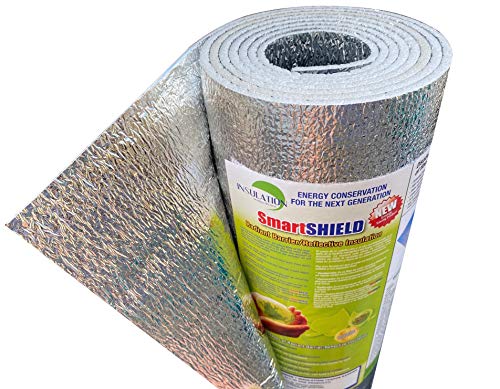
INSULATION MARKETPLACE SmartSHIELD -3mm 16inx10Ft ReflectiveINSULATION roll, Foam Core Radiant Barrier, ThermalINSULATION Shield – Engineered Foil
EXTREMELY EFFECTIVE – reflect 95% of radiant energy, perfect RADIANT BARRIER.
As an affiliate, we earn on qualifying purchases.
As an affiliate, we earn on qualifying purchases.