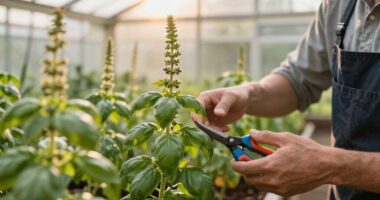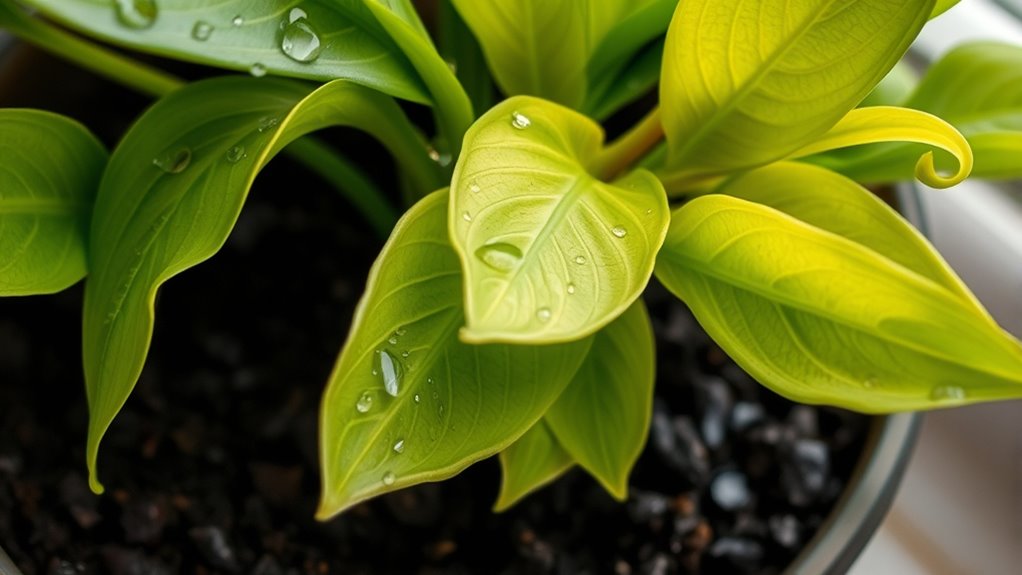

To tell if your plant is overwatered or underwatered, check the soil and the leaves. Overwatering usually causes soggy soil, foul smell, and roots that look brown, slimy, or decayed, while underwatering leads to dry, crumbly soil and roots that are shriveled or white. Leaf symptoms like wilting can appear in both. You can learn more about identifying these issues to keep your plant healthy.

Get garden gear delivered free — and shop member deals
- Fast, free delivery on millions of items
- Access to Prime Big Deal Days deals on October 6–7
- Prime Video, Amazon Music and more included
Key Takeaways
- Check soil moisture: soggy soil indicates overwatering; dry soil suggests underwatering.
- Examine roots: brown, slimy roots point to overwatering; dry, brittle roots indicate underwatering.
- Observe foliage: yellowing and wilting occur in both; context and soil condition clarify the cause.
- Smell the soil: foul odor signals root rot from overwatering; fresh smell suggests proper watering.
- Look at soil edges: soil pulling away from pot edges shows underwatering; soil remaining moist signals overwatering.
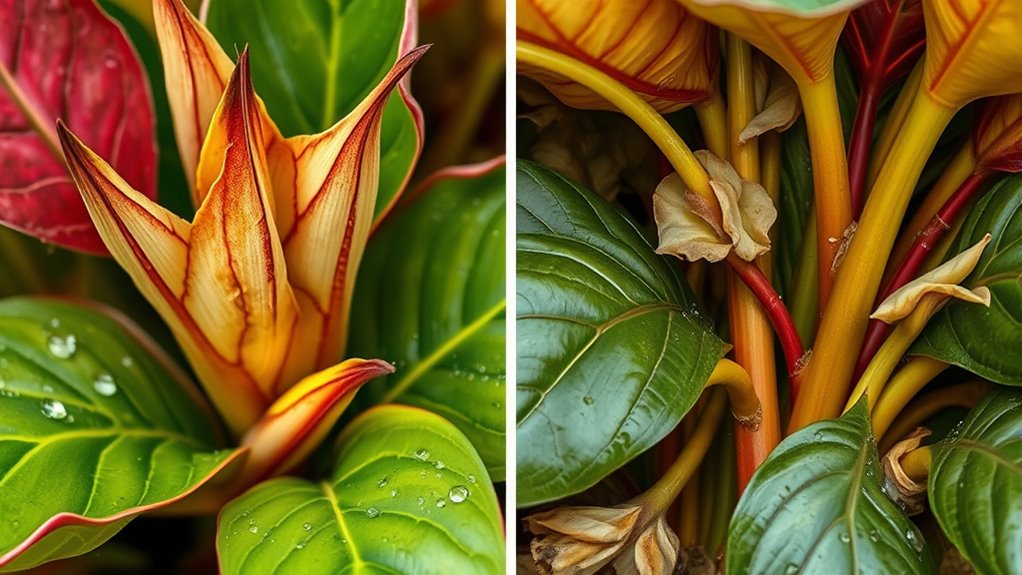
When your plants show signs of stress, figuring out whether they’re overwatered or underwatered is essential for proper care. The key lies in observing subtle differences in watering stress and how it affects your plant’s root health. Overwatering often leads to root rot, where roots become waterlogged, start to decay, and lose the ability to absorb nutrients effectively. Investment in proper watering techniques can help prevent these issues. Underwatering, on the other hand, causes roots to dry out and die back, making it difficult for your plant to access the water and nutrients it needs to thrive. Recognizing these signs early can prevent long-term damage and help you adjust your watering routine accordingly.
If your plant’s leaves are yellowing, wilting, or feeling soft and limp, it’s tempting to think it’s simply thirsty. However, these symptoms can appear in both over- and underwatering situations. When overwatering, the soil feels consistently moist or even soggy, and you might notice a foul smell, indicating root rot. The roots may appear brown, black, or slimy, losing their healthy white color. In contrast, underwatered plants often have dry, brittle soil that pulls away from the pot edges, and their roots are shriveled, white, or pale, indicating dehydration and damage. To diagnose watering stress accurately, always check the soil moisture before watering again—stick your finger into the soil or use a moisture meter.
Another way to assess your plant’s root health is to gently remove it from the pot and examine the roots. Healthy roots are firm, white or light tan, and spread out evenly. If you see mushy, dark, or foul-smelling roots, overwatering is likely the culprit. Conversely, if the roots are dry and brittle, your plant is probably underwatered. Keeping a close eye on how the roots look can save your plant from further stress and allow you to implement the right watering strategy.
Ultimately, understanding watering stress involves more than just looking at the topsoil; it’s about checking the entire root system and soil condition. Proper watering practices mean allowing the soil to dry out slightly between waterings—never letting it stay soggy or completely dry for too long. Additionally, integrating automation in watering can help maintain consistent moisture levels and prevent both over- and underwatering. By paying attention to these signs and inspecting root health regularly, you can better differentiate between overwatering and underwatering, ensuring your plants stay healthy, happy, and thriving.
As an affiliate, we earn on qualifying purchases.
Frequently Asked Questions
Can Plants Recover Quickly From Overwatering or Underwatering?
Plants can recover quickly from overwatering or underwatering if you adjust your watering techniques promptly. For overwatering, let the soil dry out and improve drainage, restoring proper plant hydration. If underwatered, water deeply and consistently. Your quick action helps the plant regain strength, but recovery speed depends on the severity of the issue. Regular monitoring and proper watering techniques guarantee your plant stays hydrated and healthy.
Are Certain Plant Species More Prone to Overwatering or Underwatering Issues?
Certain plant species are more susceptible to overwatering or underwatering due to their specific watering preferences. For example, succulents thrive on dry, drought-like conditions, making them prone to underwatering, while tropical plants prefer consistently moist soil, risking overwatering. You should consider each species’ susceptibility and watering preferences to prevent problems, providing tailored care that promotes healthier, happier plants. Understanding these nuances helps you nurture your plants effectively.
How Does Soil Type Influence Watering Symptoms and Diagnosis?
Soil type greatly impacts watering symptoms because soil drainage and moisture retention determine how water interacts with your plant’s roots. Well-draining soil helps prevent overwatering, reducing root rot and waterlogged roots, while soil with high moisture retention can cause underwatering signs despite regular watering. By understanding your soil’s properties, you can better interpret symptoms and adjust watering practices accordingly, ensuring your plant’s health and avoiding misdiagnosis.
What Are the Long-Term Effects of Improper Watering on Plant Health?
If you neglect proper watering, your plant’s health suffers like a wilting soul. Long-term improper watering causes root system deterioration, weakening its foundation and making it harder for nutrients to reach your plant. This leads to nutrient deficiency, stunting growth and causing leaves to yellow or drop. Over time, your plant might become fragile, more susceptible to disease, and unable to recover, turning lush foliage into a sad, lifeless silhouette.
Can Watering Frequency Alone Determine if a Plant Is Over- or Underwatered?
Watering frequency alone can’t definitively determine if your plant is over- or underwatered because plants give watering cues that reflect their hydration needs. You need to observe signs like wilting, yellowing, or dry soil, which indicate their actual state. Regularly check soil moisture and pay attention to how your plant responds to watering. This way, you can adjust your watering habits based on real cues rather than just a schedule.
Conclusion
By learning to distinguish between overwatering and underwatering, you hold the key to your plant’s health. Imagine watering as a delicate dance—too much or too little throws off the rhythm. When you observe your plant’s symptoms, you’re reading its story, like a painter viewing a canvas. Master this balance, and your plants will flourish like a vibrant garden in full bloom. Remember, understanding is the brushstroke that brings your green space to life.
Halloween Picks
halloween
As an affiliate, we earn on qualifying purchases.