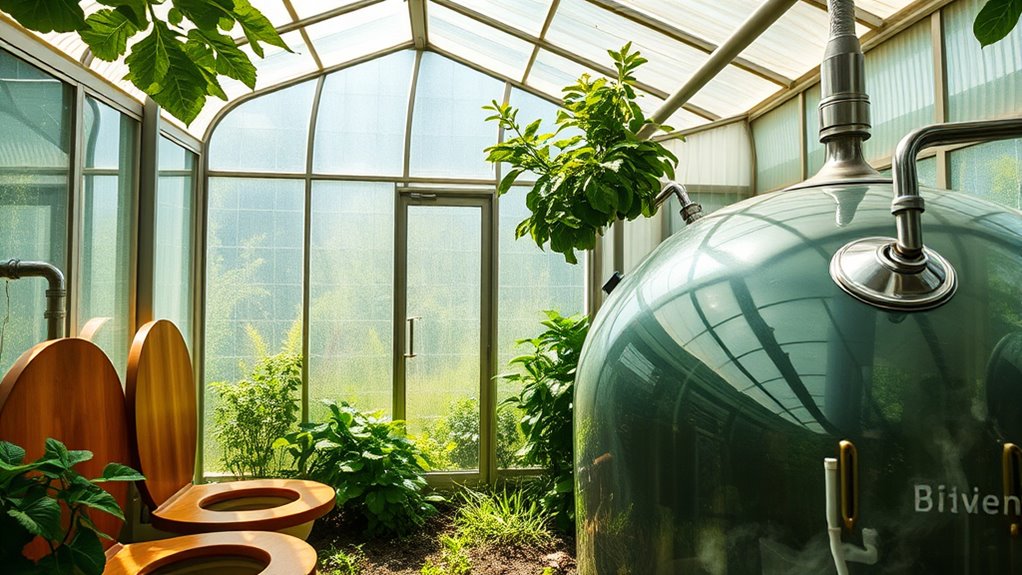

Combining greenhouses with composting toilets and biogas creates an efficient, eco-friendly system that maximizes resource use. You can generate renewable energy from organic waste, reduce your carbon footprint, and save water with composting toilets. Heat from biogas helps maintain ideal temperatures, extending your growing season. This integrated setup promotes sustainability and self-sufficiency, making your greenhouse more resilient. Keep exploring to discover how these systems work seamlessly together to benefit your environment and crops.

Get garden gear delivered free — and shop member deals
- Fast, free delivery on millions of items
- Access to Prime Big Deal Days deals on October 6–7
- Prime Video, Amazon Music and more included
Key Takeaways
- Integrating composting toilets in greenhouses conserves water and produces nutrient-rich compost for plant growth.
- Biogas systems generate renewable energy from waste, providing sustainable heating and reducing reliance on external power.
- Combining these systems enhances resource efficiency, creating a self-sufficient greenhouse environment.
- Using biogas for heating extends growing seasons and stabilizes temperature fluctuations.
- The synergy reduces environmental impact by lowering carbon footprint and promoting eco-friendly waste management.

Integrating greenhouses with composting toilets and biogas systems offers a sustainable way to maximize resource use and reduce environmental impact. This combination creates a closed-loop system that enhances sustainability by harnessing natural processes to produce energy and manage waste efficiently. When you connect these systems, you can generate sustainable energy directly from organic waste, cutting down on reliance on external power sources. Biogas produced from decomposing waste becomes a renewable energy source for heating or cooking, decreasing your carbon footprint and promoting energy independence. This approach not only conserves fossil fuels but also guarantees that your energy needs are aligned with eco-friendly practices.
Water conservation plays an essential role in this integrated setup. Composting toilets use little to no water, markedly reducing water consumption compared to traditional flush toilets. This conservation is fundamental in areas facing water scarcity or for off-grid locations where water supply is limited. The water saved from this system can be redirected to other uses, such as irrigation in your greenhouse. Additionally, the moisture generated in the composting process can be managed carefully to maximize humidity levels within your greenhouse environment. This careful water management ensures plants receive the right amount of moisture, promoting healthy growth without waste. Moreover, this system supports sustainable resource management by reducing overall environmental impact.
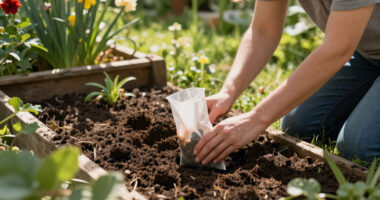
The greenhouse itself benefits from this integration by becoming more self-sufficient. The composting toilet system provides compost that can be used as nutrient-rich soil within the greenhouse, reducing the need for chemical fertilizers. Meanwhile, biogas can be used to generate heat, maintaining ideal temperatures for your plants during colder months. This synergy reduces your reliance on external inputs, making your setup more resilient and sustainable over time. Plus, the heat generated from biogas can help extend your growing season, increasing productivity without additional energy costs.
Frequently Asked Questions
How Do Composting Toilets Impact Greenhouse Humidity Levels?
Composting toilets can increase humidity levels inside your greenhouse if not managed properly. They release moisture through evaporation, which can affect humidity control. To keep things balanced, improve ventilation efficiency around the composting area, ensuring excess moisture escapes. Proper airflow prevents excessive humidity buildup, protecting your plants from mold and disease. Regularly monitoring humidity and adjusting ventilation helps maintain ideal conditions, so your greenhouse stays healthy and productive.
What Are the Initial Costs of Combining These Systems?
The initial costs of combining greenhouses with composting toilets and biogas depend on your project’s scale and materials. Conduct a detailed cost analysis to estimate expenses for setup, plumbing, and equipment. Funding options like grants or loans can help offset costs. Expect higher upfront investments but consider long-term savings from renewable energy and waste management. Planning carefully guarantees your project fits your budget and sustainability goals effectively.
How Long Does Biogas Production Typically Take to Start?
You might find it surprising, but biogas startup can take anywhere from a few weeks to a couple of months before you see significant production. The production timeline depends on factors like feedstock quality and system size, but generally, you’ll start noticing biogas within 3 to 6 weeks. Keep an eye on temperature and feedstock consistency, as these influence how quickly your system becomes productive.
Are There Any Health Risks With Integrated Systems?
You should be aware that integrated systems like greenhouses with composting toilets and biogas can pose health safety concerns if not managed properly. Pathogen risks are a primary issue, especially if waste isn’t fully decomposed or sanitized. To minimize health risks, follow strict sanitation protocols, ensure proper ventilation, and regularly monitor for contaminants. Proper maintenance and adherence to safety guidelines are essential to keep your system safe and effective.
What Maintenance Is Required for These Combined Setups?
Think of your system as a finely tuned orchestra needing regular tuning. You should routinely inspect and clean composting toilets to guarantee waste management stays efficient, preventing odors and blockages. Check biogas systems for leaks, and monitor greenhouse conditions for pests or diseases. Proper maintenance enhances system durability, reduces breakdowns, and keeps everything running smoothly, turning your integrated setup into a reliable, sustainable powerhouse that nurtures your plants and conserves resources.
Conclusion
By integrating greenhouses with composting toilets and biogas systems, you can markedly boost sustainability and reduce waste. Did you know that up to 50% of household waste could be diverted from landfills with such systems? This not only conserves resources but also provides renewable energy and nutrient-rich fertilizer. Embracing these combined solutions empowers you to create a more eco-friendly lifestyle, making a tangible difference for the environment and your community’s future.
Fall yard work Picks
leaf blowers
As an affiliate, we earn on qualifying purchases.