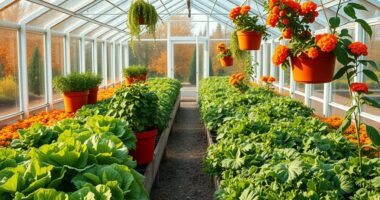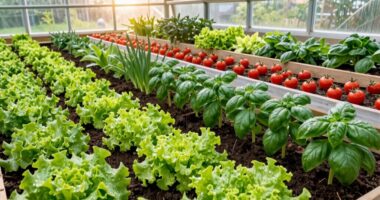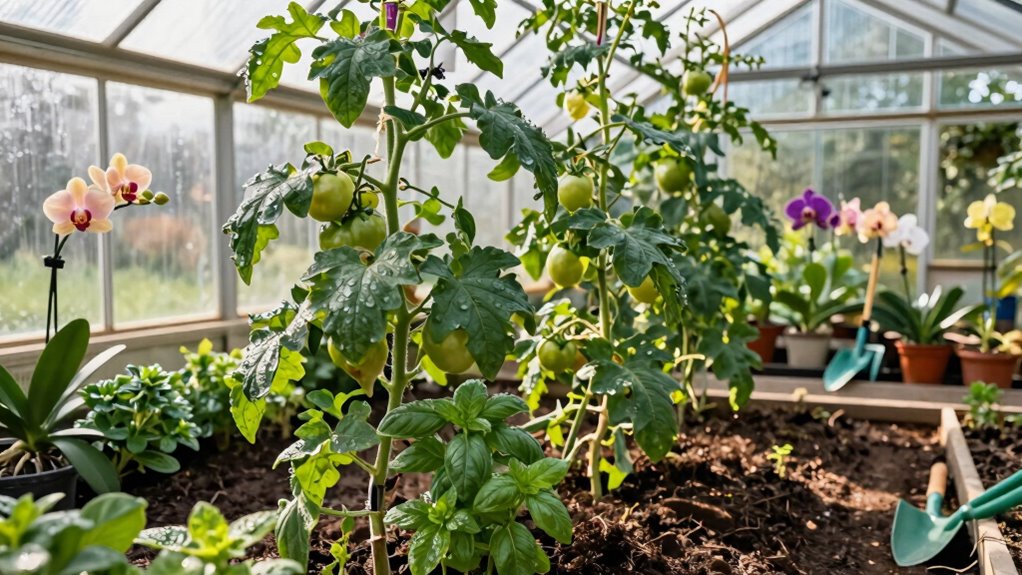
Start your spring greenhouse reset by thoroughly cleaning surfaces, removing dead plants, and checking for pests to prevent issues all year. Organize tools, supplies, and pots for easy access, and update lighting and ventilation to improve airflow. Refresh soil and media to promote healthy growth, then set your planting goals and schedule for the season. Keeping your environment ideal now will pay off monthly—keep going to discover more tips for a successful year ahead.
Key Takeaways
- Conduct a thorough greenhouse cleaning and pest inspection to create a healthy environment for the upcoming year.
- Refresh soil, pots, and growing media to ensure nutrient-rich, disease-free conditions for seedlings.
- Optimize lighting and ventilation systems to enhance airflow and light distribution for seasonal growth needs.
- Review and update climate control systems to maintain consistent temperature, humidity, and environmental stability.
- Develop a comprehensive planting and maintenance schedule aligned with seasonal cycles and crop rotation plans.

Innovative Chemistries Greenhouse Cleaner – Oxygen-Powered Cleaning Powder for Panels, Frames & Covers – Helps Remove Dirt, Grime & Residue – Bleach-Free – 50 g
OXYGEN-POWERED CLEANING PERFORMANCE Activated with hot water, this advanced foaming powder creates powerful oxygen cleaning action that helps…
As an affiliate, we earn on qualifying purchases.
As an affiliate, we earn on qualifying purchases.
How to Clean and Declutter Your Greenhouse for a Fresh Start

To give your greenhouse a fresh start, start by thoroughly cleaning and decluttering the space. Clear out dead or overcrowded plants, and wipe down surfaces to remove dust and mold. This reduces hiding spots for pests, helping with pest prevention. Check for any signs of disease or pest activity, and discard affected plants to prevent spread. As you tidy, consider plant rotation—moving plants to different spots to prevent soil-borne issues and reduce pest buildup. Clean containers and tools to eliminate lingering pests or pathogens. Guarantee ventilation is good to keep humidity in check. A clean, organized greenhouse not only minimizes pest problems but also creates a healthier environment for your new planting season. Incorporating connected tools like environmental sensors can help monitor conditions and optimize plant health. Regularly inspecting and maintaining greenhouse equipment ensures optimal operation and reduces the risk of pest infestations. Additionally, implementing proper ventilation practices can significantly improve air circulation and reduce humidity-related issues. Proper water management techniques are essential for preventing excess moisture, which can lead to mold or root rot. Maintaining optimal environmental conditions is crucial for preventing pest buildup and ensuring a successful growing season. This sets a solid foundation for a productive and pest-free year ahead.
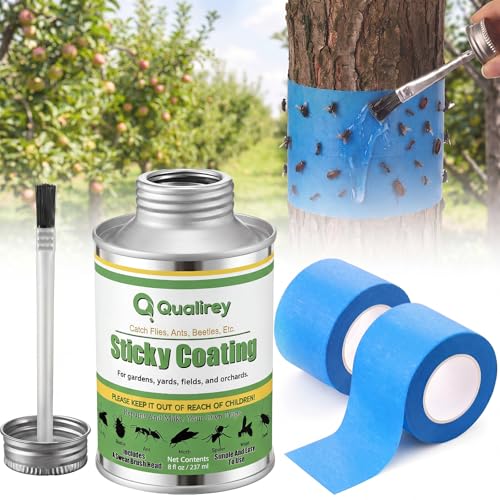
Qualirey 8 oz Insect Trapping Sticky Coating with Brush and 2 Pcs Tapes, Outdoor DIY Sticky Trapping Coating Tape for Common Pest Garden Greenhouse Orchard Tree Plant(Deer Fly Trap)
High Adhesion & Strong Weather Resistance: this insect trapping adhesive coating is made of the mixture of high…
As an affiliate, we earn on qualifying purchases.
As an affiliate, we earn on qualifying purchases.
Organize Your Tools, Supplies, and Plants for Better Efficiency
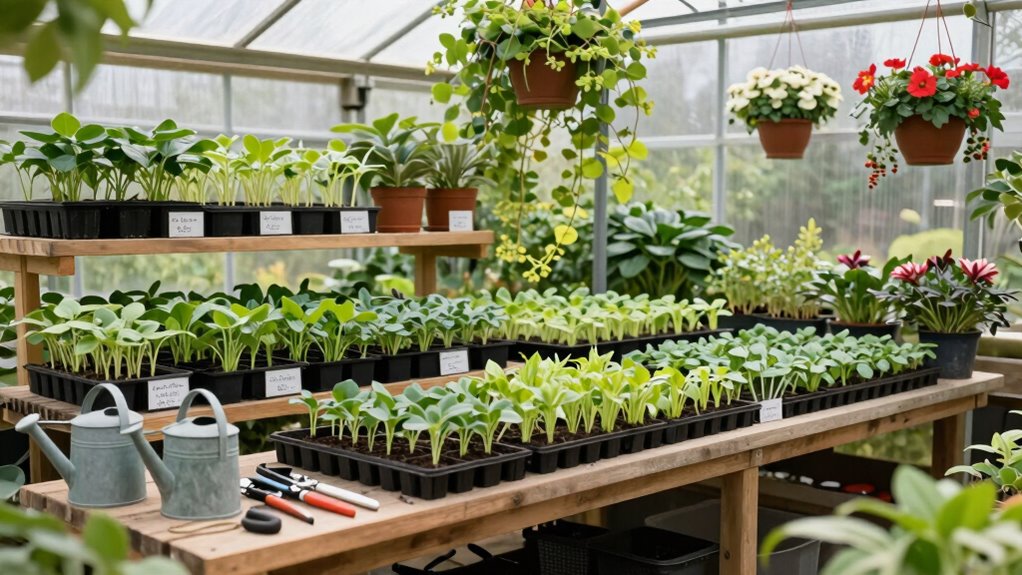
Getting your greenhouse organized can considerably boost your efficiency and make gardening more enjoyable. Start with tool organization by sorting tools into categories and storing them in labeled containers or hooks. This not only saves time but also prevents accidents caused by clutter. Next, focus on supply management—check your seeds, fertilizers, and pots, and arrange them neatly on shelves or in bins. Keep frequently used supplies within easy reach, and consider creating a dedicated station for potting and mixing soil. Regularly declutter and discard expired or unnecessary items to prevent overcrowding. A well-organized space reduces time spent searching for tools and supplies, helping you stay focused on your plants. Additionally, incorporating essential DIY tools and safety tips can ensure your gardening projects are both safe and successful. Proper lighting and accurate color reproduction in your workspace can also make it easier to identify plant health issues and select the right supplies. Cultivating a positive mindset and alignment with your gardening goals can further motivate you to maintain an organized and thriving greenhouse environment. Clear, accessible storage encourages consistency and makes your greenhouse a more efficient, enjoyable space for all your gardening needs.

iLIVING 12" Wall Mounted Shutter Exhaust Fan, Automatic Shutter, with Thermostat and Variable Speed controller, 0.6A, 960 CFM, 1400 SQF Coverage Area Silver (ILG8SF12V-ST)
POWERFUL AIR VENTILATOR – 960 CFM, 115V, 0.6A, 1/20 Horse Power, 1650 RPM, Coverage up to 1400 square…
As an affiliate, we earn on qualifying purchases.
As an affiliate, we earn on qualifying purchases.
Check and Improve Greenhouse Lighting and Ventilation
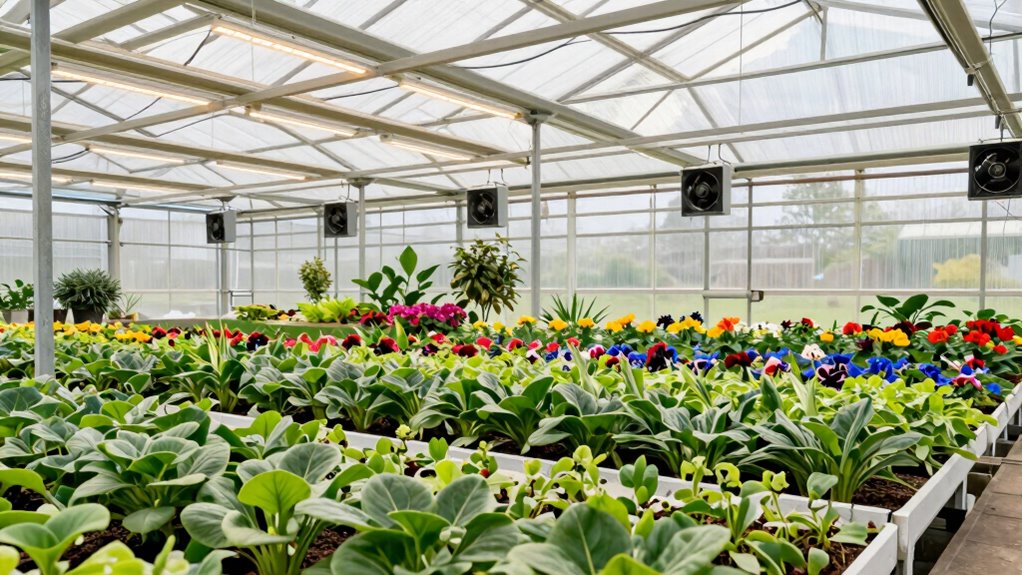
Ensuring your greenhouse has the right lighting and ventilation is essential for healthy plant growth. Start by evaluating your lighting setup—maximize natural sunlight through strategic placement or add grow lights for consistent light, especially during cloudy days. Lighting enhancement ensures plants get enough energy without scorching. Incorporating supplemental lighting can help maintain optimal light levels during shorter days or overcast periods. Next, focus on ventilation improvement. Improve airflow by opening vents, installing exhaust fans, or using oscillating fans to prevent humidity buildup and reduce disease risk. Good ventilation also helps regulate temperature and CO₂ levels. Regularly check that all systems work effectively and adjust as needed. Proper lighting and ventilation create an ideal environment, promoting vigorous growth and preventing issues that can hinder plant health throughout the year. Additionally, understanding regional light variations can help you tailor your greenhouse conditions more precisely, especially when considering regional climate factors that influence sunlight and airflow needs. Recognizing seasonal daylight changes can further optimize your greenhouse’s environment for year-round health.
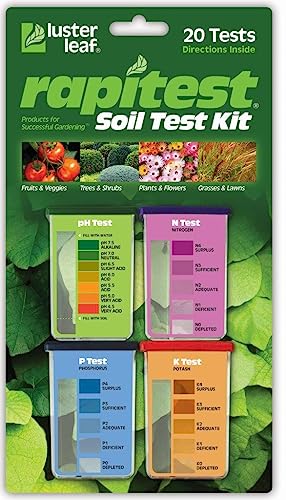
Rapitest Soil Test Kit for Gardens, Vegetables, Flowers and Lawns. USA designed and assembled soil tester completely, quickly and accurately measures/analyzes soil pH acidity and garden nutrients.
Quick, at home results for Soil pH, Nitrogen, Phosphorous and Potash Innovative and inexpensive soil test kit features…
As an affiliate, we earn on qualifying purchases.
As an affiliate, we earn on qualifying purchases.
Refresh Soil, Pots, and Growing Media for Healthy Plants
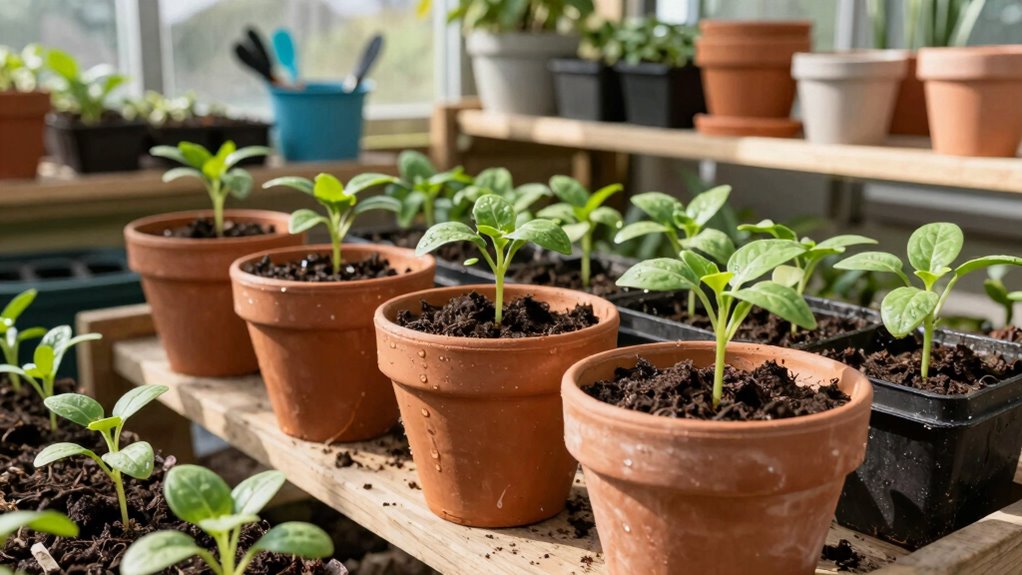
After optimizing your greenhouse’s lighting and ventilation, it’s time to turn attention to the foundation of healthy plant growth—the soil and growing media. Start by revitalizing your soil through soil enrichment, adding compost or organic amendments to boost nutrients and improve structure. Proper media selection is essential; choose a well-draining, nutrient-rich blend suited to your plants’ needs. If you’re using pots, replace or sterilize old media to prevent pests and diseases. Mixing in fresh, high-quality media ensures roots have access to oxygen and nutrients, promoting vigorous growth. Regularly monitoring and adjusting soil pH and moisture levels also help maintain ideal conditions. Additionally, consulting store return policies and hours can be helpful when purchasing supplies to ensure you get the right products and time your visits effectively. Revitalizing your soil, pots, and media sets a strong foundation for a productive, healthy growing season.
Set Goals and Plan Your Planting Schedule for the Season

As you prepare for the upcoming growing season, setting clear goals and creating a detailed planting schedule will help keep your garden organized and productive. Consider your desired harvests and how much space each crop needs to optimize your garden layout. Planning ahead allows you to incorporate effective crop rotation, reducing soil depletion and pests. To get started:
- Define your main goals—whether for fresh vegetables, flowers, or herbs.
- Map out your garden layout, allocating space based on plant needs.
- Schedule planting dates, considering frost dates and crop growth cycles.
- Plan crop rotation sequences to maintain soil health and prevent disease buildup.
A well-structured plan guarantees a smoother season and better yields, setting the foundation for a thriving greenhouse year.
Tips for Maintaining Your Greenhouse Throughout the Year
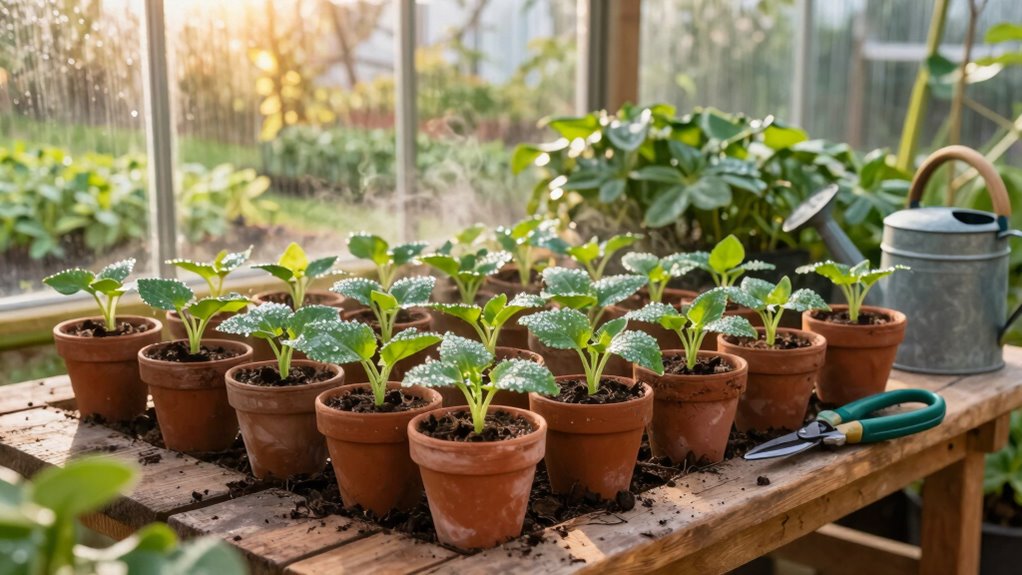
Maintaining your greenhouse throughout the year requires regular attention and proactive care to keep it functioning at its best. Consistently monitor for pests and implement pest control measures early to prevent infestations from spreading. Keep a close eye on humidity and temperature levels, adjusting ventilation and shading as needed. Proper water management is essential; ensure your watering schedule matches the plants’ needs and avoid overwatering or underwatering. Regularly inspect your irrigation system for leaks or clogs. Clean and maintain vents, fans, and filters to promote good airflow and reduce disease risk. Staying attentive to greenhouse maintenance tasks helps prevent issues before they escalate. Additionally, understanding smart yard care techniques and integrating automated systems can optimize your gardening efforts and enhance overall productivity. By staying vigilant with pest control and water management, you create a healthy environment that supports consistent growth and productivity all year round. Regularly updating your climate control systems ensures optimal conditions and reduces the need for manual adjustments.
Frequently Asked Questions
How Often Should I Perform a Greenhouse Deep Clean?
You should perform a greenhouse deep clean at least once a year, ideally during the spring reset. This allows you to refresh soil enrichment, remove pests, and guarantee ideal sunlight regulation. Regular cleaning keeps your plants healthy and prevents disease. If you notice buildup or pests, do a quick clean as needed. A thorough annual deep clean sets a strong foundation for a productive growing season.
What Are the Best Eco-Friendly Cleaning Products for Greenhouses?
You should use natural disinfectants like vinegar or hydrogen peroxide, which are effective and eco-friendly. Biodegradable cleaners, such as plant-based soaps, are also great options for cleaning greenhouse surfaces without harming the environment. These products help maintain a healthy growing space while reducing chemical runoff. Always dilute properly and rinse thoroughly to guarantee your greenhouse stays clean, safe, and sustainable for your plants and the planet.
How Can I Prevent Pests During the Spring Reset?
Did you know that using natural repellents and companion planting can reduce pest issues by over 50%? To prevent pests during your spring reset, start by planting herbs like basil and marigolds near your crops, which naturally repel insects. Incorporate companion planting strategies, such as planting carrots with onions, to confuse pests and protect your plants. Regularly inspect your greenhouse, and remove any early signs of pests to keep your plants healthy.
When Is the Optimal Time to Start Planting After the Reset?
You should start planting once your soil preparation is complete and the risk of frost has passed, usually in late spring. Check your local planting schedule for specific dates. Before planting, make sure your soil is well-prepared with proper amendments to promote healthy growth. This timing helps your plants establish strong roots early in the season, maximizing your greenhouse’s productivity throughout the year.
How Do I Track the Success of My Spring Reset Efforts?
You track your spring reset success by obsessively monitoring soil health and sunlight optimization, of course. Did your soil stay rich and lively, or turn into a barren wasteland? Are your plants basking in the perfect sunlight, or pleading for more? Keep detailed records, compare year-over-year growth, and celebrate the tiny victories. If your plants thrive and soil improves, congratulations—you’ve nailed your reset. If not, well, next season’s reset awaits!
Conclusion
By spring cleaning your greenhouse, you’re not just tidying up—you’re unlocking a planting powerhouse that could grow the next botanical wonder of the world! With everything spotless, organized, and perfectly prepared, your green space will become an unstoppable force of lush growth and vibrant blooms. Get ready to witness a gardening miracle that’ll make every plant thrive like never before. This reset isn’t just a refresh—it’s your secret weapon for a year of unstoppable green success!