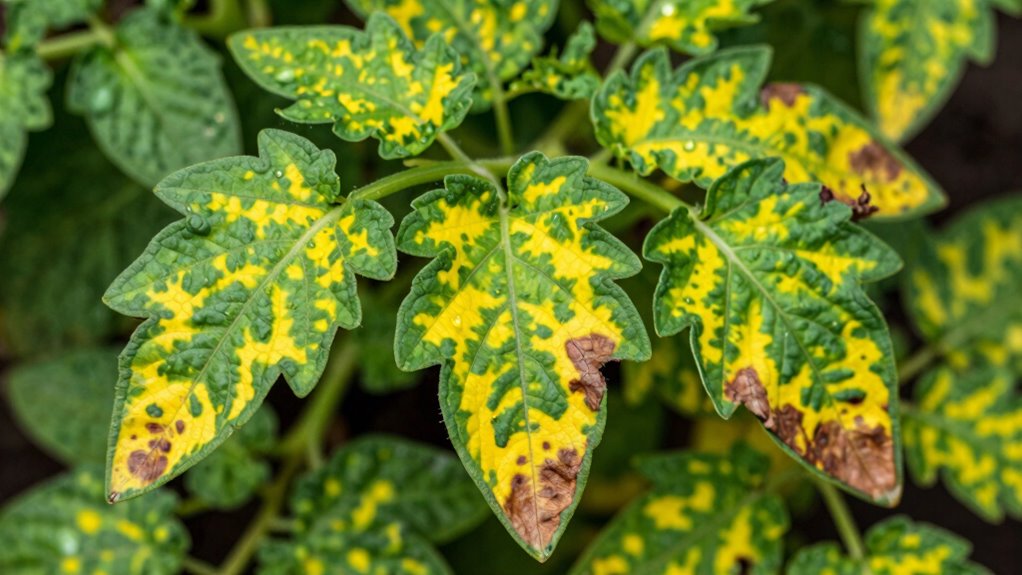

To tell if your plant’s struggling with a nutrient problem or disease, look closely at the symptoms. Nutrient deficiencies usually cause uniform discoloration, weak stems, and slow growth, while diseases often bring spots, mold, or unusual lesions. Check for rapid deterioration or localized damage, which points to disease. Signs like yellowing without spots suggest nutrient issues. Monitoring these clues helps you act quickly—keep exploring to find out how to accurately diagnose and treat your plant.
Key Takeaways
- Nutrient deficiencies cause uniform or patterned discoloration, while diseases often produce spots, mold, or lesions.
- Gradual, even symptoms suggest nutrient issues; rapid, localized damage indicates disease.
- Lack of visible spots or mold points to nutrient problems; presence of fuzzy growth or lesions suggests disease.
- Soil testing helps identify nutrient deficiencies; pest and pathogen inspection detects diseases.
- Environmental stress signs like wilting or leaf drop can indicate deficiency or stress rather than disease.
plant nutrient deficiency test kit
As an affiliate, we earn on qualifying purchases.
As an affiliate, we earn on qualifying purchases.
How to Recognize If Your Plant Has a Nutrient Deficiency or Disease
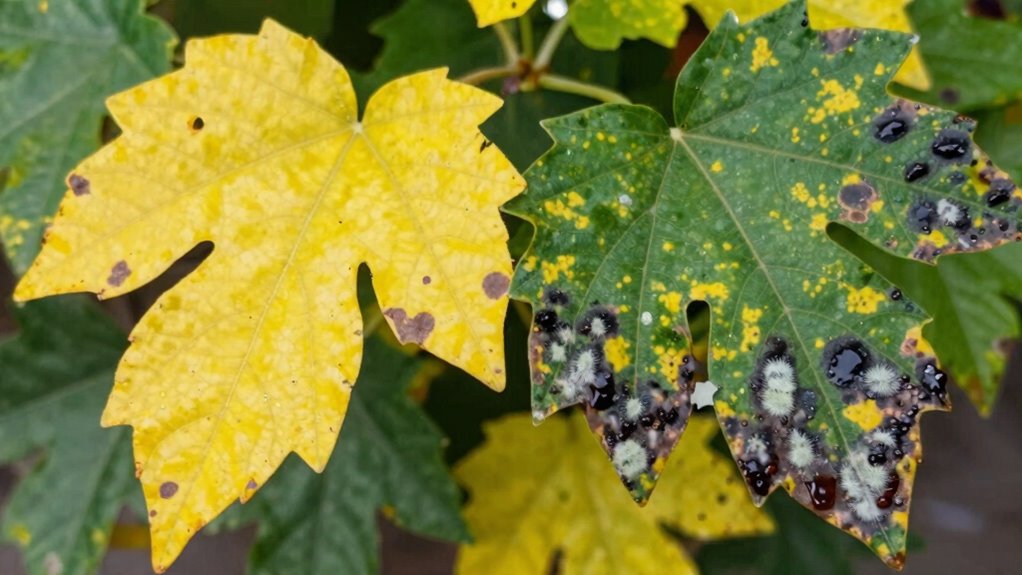
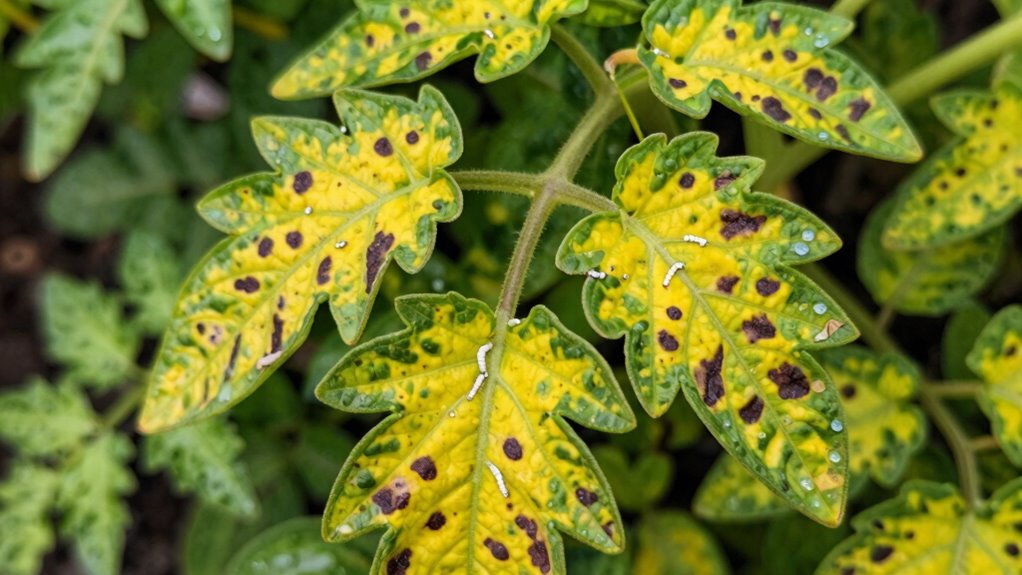
Recognizing whether your plant is suffering from a nutrient deficiency or a disease can be tricky, but paying close attention to specific signs can help you determine the cause. Start by examining the overall nutrient balance; deficiencies often cause uniform or patterned discoloration, stunted growth, or weak stems. Disease symptoms tend to include spots, mold, or unusual lesions that aren’t typical of nutrient problems. Nutrient deficiencies usually develop gradually, affecting leaves or stems evenly, while diseases often cause localized damage or rapid deterioration. If you notice yellowing, browning, or poor growth without visible spots or mold, it’s more likely a nutrient issue. Conversely, the presence of abnormal spots or fuzzy growth indicates a potential disease. Accurate identification depends on observing these distinct signs carefully.

AKSBTEC 2026 NEW Soil Test Kit 4-in-1 for Lawns & Gardens – 40 Tests (pH, Nitrogen, Phosphorus, Potassium) – Easy Soil Testing Kit for Vegetable Garden, Lawn & Plants
Complete 4-in-1 Soil Test Kit (pH, N, P, K) – This garden soil test kit measures soil pH,…
As an affiliate, we earn on qualifying purchases.
As an affiliate, we earn on qualifying purchases.
How to Spot Differences in Leaves and Growth Patterns
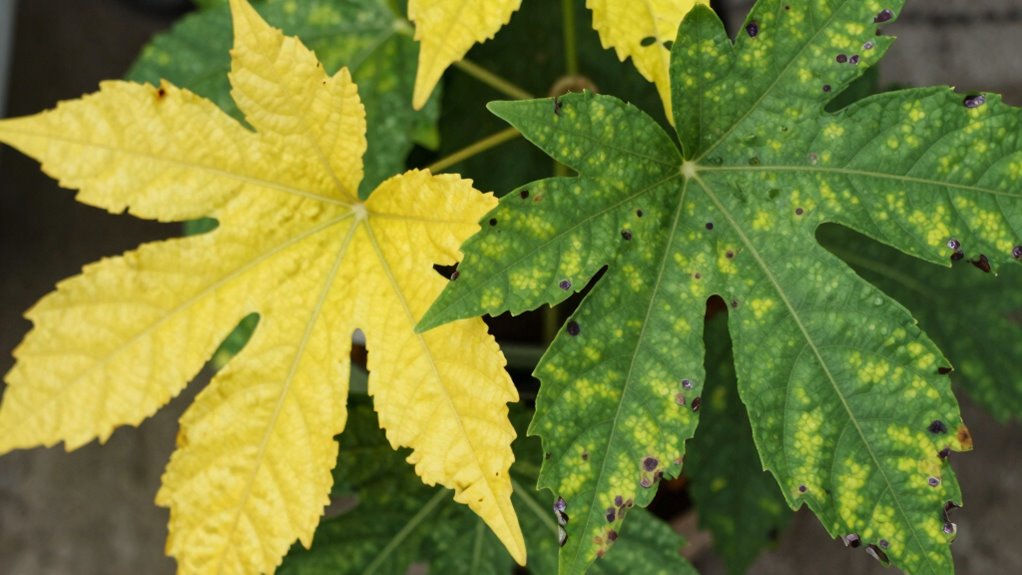
When trying to determine whether your plant’s issues stem from a nutrient deficiency or a disease, observing leaf and growth patterns provides valuable clues. Look for leaf discoloration, which often indicates nutrient problems, like yellowing from nitrogen deficiency. Growth irregularities, such as stunted or twisted new shoots, suggest disease or pest issues. Recognizing these content formats can help you accurately diagnose and address the problem. Understanding the Indian numbering system, as detailed in tools for large number conversions, can also help you better interpret data related to plant health or agricultural statistics. Noticing these patterns helps you decide if your plant needs better fertilization or disease treatment. For example, understanding the importance of early detection can prevent more severe health issues in plants. Being aware of symptoms of nutrient deficiency and how they differ from disease signs can make your troubleshooting more effective. Additionally, incorporating natural remedies can often support the plant’s recovery without chemical interventions.
soil pH and nutrient test kit
As an affiliate, we earn on qualifying purchases.
As an affiliate, we earn on qualifying purchases.
How to Test Soil and Plants for Nutrients and Pests
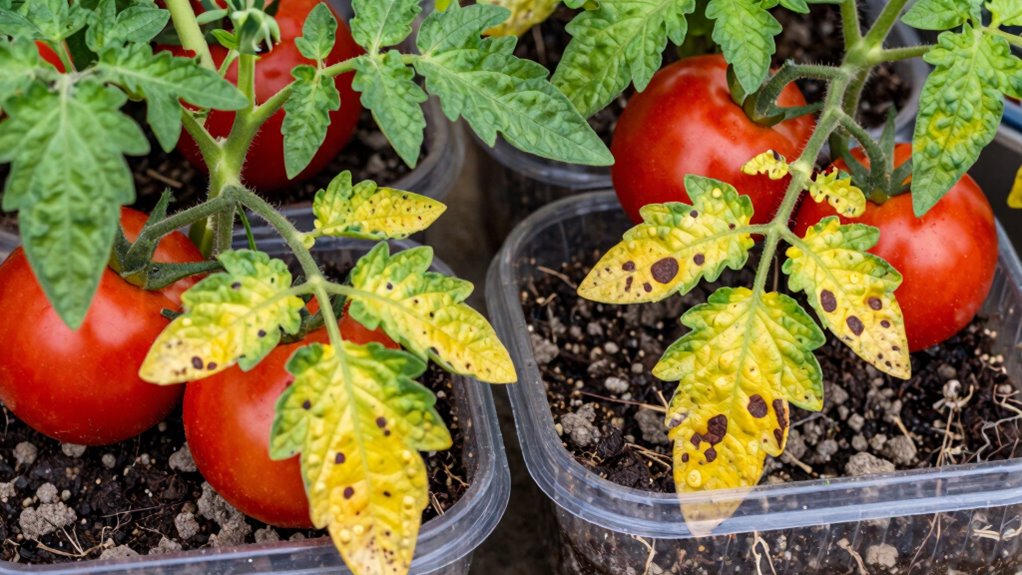
To accurately diagnose whether your plant’s issues are caused by nutrient deficiencies or pests, it’s essential to test both the soil and the plant itself. Soil testing helps determine nutrient levels, pH, and overall health, guiding you on what amendments might be needed. You can use simple home test kits or send samples to a lab for detailed analysis. For pest identification, inspect your plants closely for signs of insects, eggs, or damage. Use a magnifying glass if necessary to spot tiny pests. Combining soil testing with careful pest identification provides a clearer picture of what’s affecting your plant. Proper application of styling cream and other treatments can help maintain plant health and appearance. This way, you can implement targeted solutions, whether adjusting soil nutrients or managing pests effectively. Understanding the environmental conditions and how they influence plant health can also impact pest prevalence and nutrient uptake, making it a valuable aspect of diagnosis.
plant disease treatment products
As an affiliate, we earn on qualifying purchases.
As an affiliate, we earn on qualifying purchases.
How Environmental Factors Like Light and Water Affect Plant Health
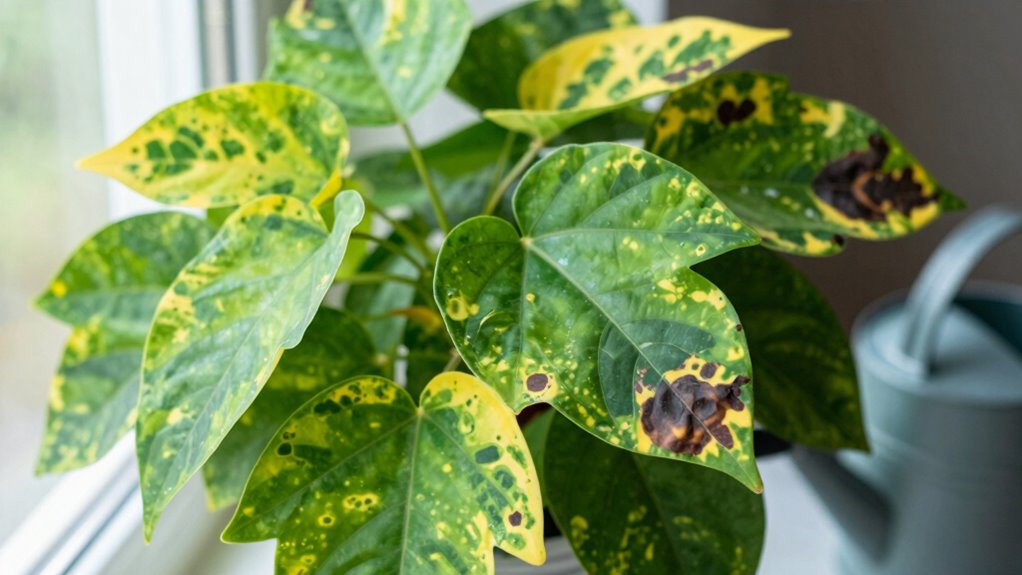
Environmental factors like light and water play an essential role in your plant’s health, influencing growth, flowering, and overall vitality. Light impacts photosynthesis, the process that converts light energy into the food your plant needs. Insufficient light can slow growth and cause pale leaves, while too much direct sunlight can scorch foliage. Water availability is equally critical; water stress effects include wilting, leaf drop, and slowed development. Too little water hampers photosynthesis, reducing energy production, while overwatering can lead to root rot and disease. Maintaining the right balance ensures your plant can perform photosynthesis efficiently and stay healthy. Monitoring light exposure and watering habits helps prevent environmental stress, giving your plant the best conditions to thrive. Recognizing signs of support vs. boundaries can help you provide appropriate care and prevent potential issues. Additionally, understanding how indoor air quality impacts plant health can help create a more balanced and healthy environment for your plants. Proper ventilation and air circulation are also crucial in reducing humidity levels, which can influence fungal growth and disease development. Adequate airflow not only helps control humidity but also promotes disease prevention, ensuring your plants remain resilient against common infections. Ensuring proper air circulation can help mitigate humidity-related problems and promote overall plant health.
When and How to Treat for Nutrients or Diseases: Tips for Prevention
Timing and proper application are key to effectively treating nutrient deficiencies or preventing diseases in your plants. Early intervention helps avoid severe damage. Use foliar feeding to quickly deliver nutrients directly to leaves, especially during active growth. Organic remedies, like compost teas or neem oil, can prevent or manage diseases naturally. Apply treatments during calm, dry weather to maximize absorption and minimize wash-off. Regularly monitor plant health to catch issues early.
| When to Treat | How to Treat |
|---|---|
| At first sign of deficiency or disease | Use foliar feeding for quick nutrient delivery |
| During active growth | Apply organic remedies like neem oil or compost teas |
| Preventative care | Schedule treatments regularly, especially in vulnerable seasons |
| After weather events | Reinforce health with organic remedies to strengthen plants |
Frequently Asked Questions
Can a Plant Have Both Nutrient Deficiencies and Diseases Simultaneously?
Yes, your plant can have both nutrient deficiencies and diseases at the same time. You should perform soil testing to identify any nutrient gaps and implement proper fertilization. Additionally, observe signs of disease and use pest management strategies if needed. Addressing both issues simultaneously can help your plant recover faster. Keep a close eye on symptoms, and don’t hesitate to consult gardening experts if you’re unsure about the problem.
How Do Seasonal Changes Influence Nutrient Deficiencies or Disease Outbreaks?
Seasonal fluctuations are like a roller coaster, impacting nutrient deficiencies and disease outbreaks. During colder months, plants often struggle to absorb nutrients, leading to deficiencies, while warm, humid seasons increase pest interactions and disease risks. Sudden temperature changes or wet conditions can trigger outbreaks, making plants more vulnerable. Staying vigilant and adjusting care based on seasonal patterns helps prevent issues, ensuring your plants stay healthy year-round.
Are Some Plant Varieties More Prone to Nutrient Problems or Diseases?
Yes, some plant varieties are more prone to nutrient problems or diseases due to plant variety susceptibility. You’ll find that certain varieties lack genetic resilience, making them vulnerable to deficiencies or infections. To avoid issues, choose hardy varieties with strong genetic resilience suited for your environment. Regularly monitor your plants, and select cultivars known for their resistance, ensuring healthier growth and fewer nutrient or disease-related problems.
What Are the Long-Term Effects of Untreated Nutrient Deficiencies?
Ignoring nutrient deficiencies is a recipe for disaster, as it can cause long-term damage to your plants’ health. Without soil testing and foliar diagnosis, deficiencies may go unnoticed, leading to stunted growth, poor yields, or even plant death. Over time, deficiencies weaken plants, making them more vulnerable to diseases. Address these issues early to keep your garden thriving and avoid costly replacements down the line.
How Can I Prevent Nutrient Problems Before Planting?
To prevent nutrient problems before planting, start with soil testing to identify existing deficiencies and pH levels. Based on the results, adjust your soil with appropriate fertilizers. Pay attention to fertilizer timing; apply nutrients when plants need them most, such as during early growth stages. This proactive approach guarantees your soil remains balanced, reducing the risk of nutrient deficiencies and promoting healthy plant development from the start.
Conclusion
By paying close attention to your plant’s appearance and environment, you can distinguish between nutrient deficiencies and diseases. For example, if your tomato plant’s leaves turn yellow only on the older leaves, it might be a nitrogen deficiency. Regular testing and proper care help prevent issues before they worsen. Remember, early detection and tailored treatment keep your plants healthy and thriving, ensuring your garden remains vibrant and productive.