To cut pest pressure fast, keep your home spotless and clutter-free daily. Wipe down surfaces, sweep crumbs, and dispose of trash regularly to remove food and water sources pests seek. Store food in airtight containers and clean up spills immediately. Outside, eliminate standing water and keep yards tidy. Consistently maintaining good sanitation disrupts pest habitats, making your space less attractive to them. If you want practical tips to stay ahead, there’s more to explore.

Get garden gear delivered free — and shop member deals
- Fast, free delivery on millions of items
- Access to Prime Big Deal Days deals on October 6–7
- Prime Video, Amazon Music and more included
Key Takeaways
- Regularly clean and wipe down surfaces to remove food residues and eliminate pest attractants.
- Properly dispose of trash in sealed containers and empty waste frequently.
- Store food in airtight containers and keep perishables refrigerated.
- Eliminate clutter and keep outdoor areas tidy to reduce pest hiding spots.
- Remove standing water and fix moisture issues to prevent breeding grounds.
airtight food storage containers
As an affiliate, we earn on qualifying purchases.
As an affiliate, we earn on qualifying purchases.
How Cleanliness Helps Prevent Pests
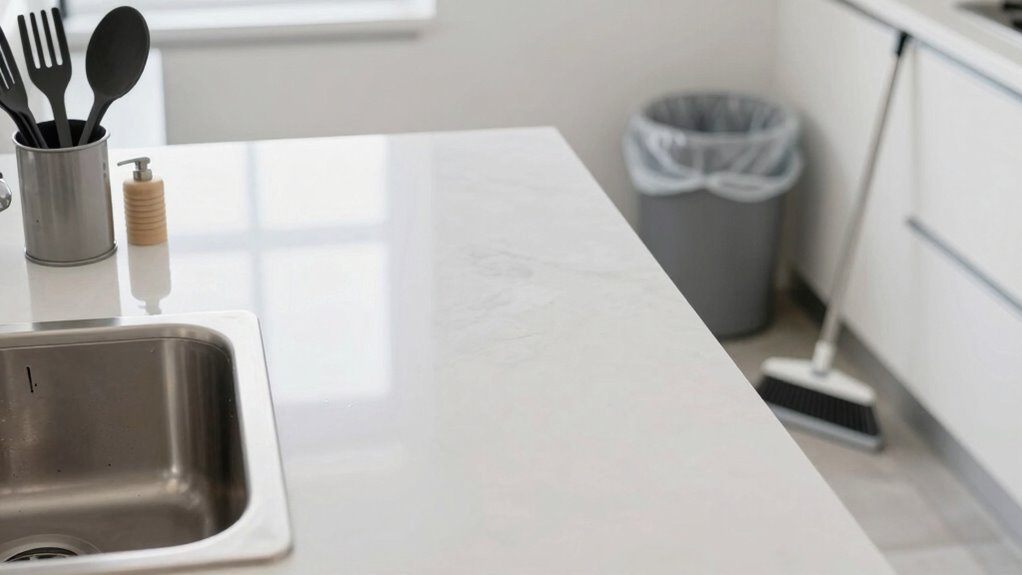
Maintaining cleanliness is one of the most effective ways to prevent pests from invading your space. Pest behavior is often driven by the availability of food, water, and shelter, which dirty areas provide. When you keep surfaces clean and eliminate crumbs or spills, you disrupt their motivation to stay. Understanding sanitation psychology helps you realize that pests are attracted to clutter and mess because it mimics their natural environment. By practicing good sanitation habits, you send a clear message that your home isn’t a welcoming habitat. Regularly disposing of trash, cleaning dishes promptly, and wiping down surfaces reduce the chances pests have to thrive. Additionally, choosing the right projector technology can help you monitor your space more effectively, ensuring sanitation routines are maintained. Recognizing the emotional support pets provide during stressful times can motivate you to keep your environment cleaner, as a tidy space contributes to mental well-being. Proper sanitation not only discourages pests but also promotes overall public health by reducing the spread of germs and disease. Incorporating community-driven initiatives can further enhance sanitation efforts, especially in shared living environments. Fundamentally, your commitment to cleanliness directly influences pest activity, making your environment less appealing and harder for pests to settle in. Implementing these practices creates a cozy and inviting atmosphere that pests find less attractive.
Daily Cleaning Habits to Keep Pests Away

To keep pests at bay, establishing daily cleaning habits is essential. Regularly sweep and wipe down surfaces to remove crumbs, spills, and food residues that attract pests. Incorporate eco-friendly cleaning products to minimize chemical residues that pests might seek out. Maintain a tidy yard by practicing pest-resistant landscaping—trim bushes, remove debris, and eliminate standing water where pests breed. Cleaning outdoor areas daily reduces hiding spots and discourages pests from settling nearby. Keep trash cans sealed and clean, and avoid leaving pet food outside overnight. These simple routines create an uninviting environment for pests, reducing their pressure quickly. Consistent effort in daily cleaning and landscape management keeps your space pest-free and promotes a healthier, more sustainable home. Regular cleaning also disrupts the pest habitat, making it less attractive for pests to settle in, especially when combined with proper ventilation practices to prevent moisture buildup. Additionally, practicing proper waste disposal helps remove potential food sources that pests seek. Maintaining moisture control and good airflow reduces pest breeding grounds, further discouraging infestations. Regularly inspecting and addressing moisture issues around your property can prevent many pest problems before they start.
Store Food Properly to Avoid Pest Attraction
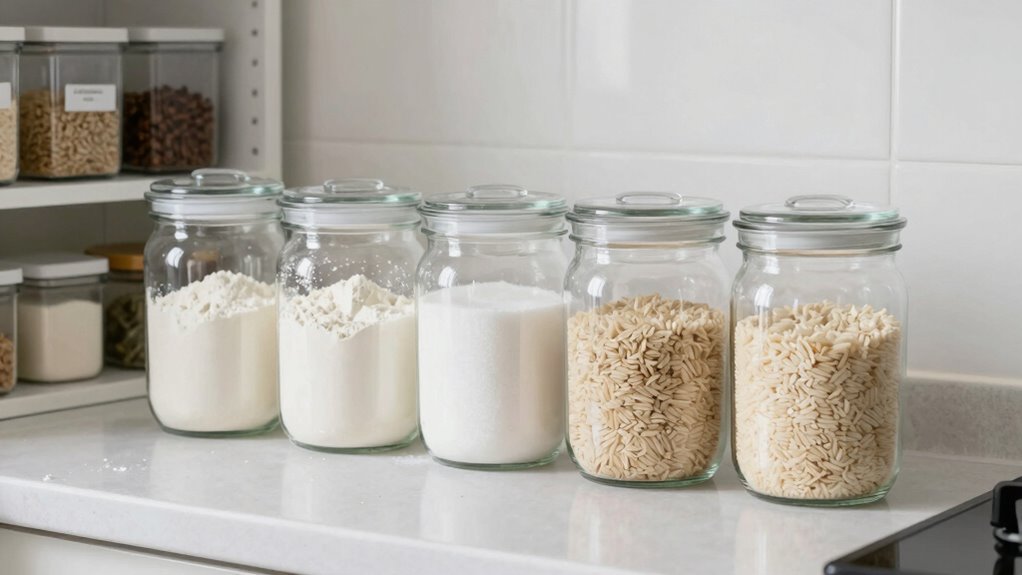
Properly storing food is a key step in preventing pests from becoming a problem. Use airtight containers for pantry staples like grains, cereals, and snacks to prevent easy access. Keep perishable items in the refrigerator or freezer to slow spoilage and deter pests such as flies and ants. Avoid leaving food out in open bowls or uncovered containers, as this invites pests to feast. Make sure your storage areas are clean and dry, reducing attractants. Pest deterrence depends on eliminating the food sources pests seek. Regularly check for expired or spoiled items and discard them promptly. Incorporating proper food storage practices can also enhance your ability to maintain a pest-free environment. Additionally, utilizing modern wall art trends like digital frames or interactive murals in your kitchen can help remind you to stay organized and attentive to cleanliness. Maintaining good hygiene habits is essential for preventing pest infestations and keeping your home sanitary. Proper storage of outdoor food items and waste can further reduce the likelihood of pests establishing a presence around your home. By maintaining proper food storage habits, you make your home less appealing to pests, effectively reducing their presence and keeping your space pest-free.
Eliminate Standing Water Outside Your Home
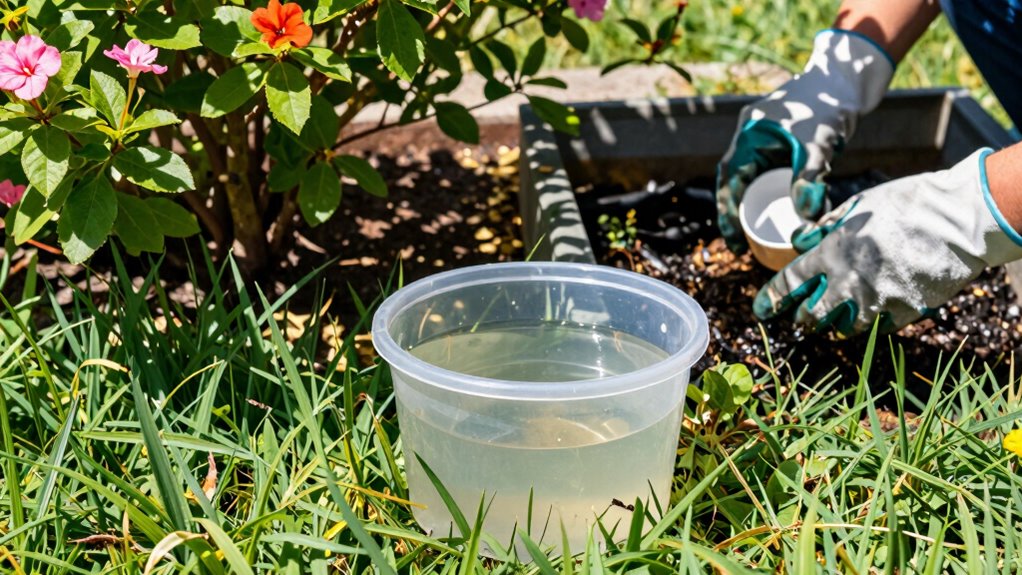
Standing water around your property creates the perfect breeding ground for pests like mosquitoes, flies, and even some rodents. To prevent this, focus on rainwater management and outdoor drainage. Regularly empty or remove items that collect water, such as buckets, planters, and tarps. Make sure gutters are clean and direct water away from your home’s foundation. Landscaping should promote proper drainage, preventing puddles from forming after rain. Fill low spots in your yard or create drainage channels to direct water flow away from your property. Eliminating standing water reduces pest populations and discourages breeding. Keep a routine of inspecting your outdoor spaces, especially after storms, to maintain effective rainwater management and outdoor drainage. This simple step considerably cuts pest pressure fast and helps keep your home pest-free. Additionally, using proper drainage accessories can enhance water flow management and prevent future pooling around your home. Incorporating effective rainwater harvesting techniques can also help control excess water and minimize pest habitats. Regular maintenance of drainage systems and understanding rainwater management practices are essential for long-term pest control. Properly implementing drainage solutions can further improve water runoff and reduce standing water sources.
Tips for Tidy Waste Disposal and Pest Prevention
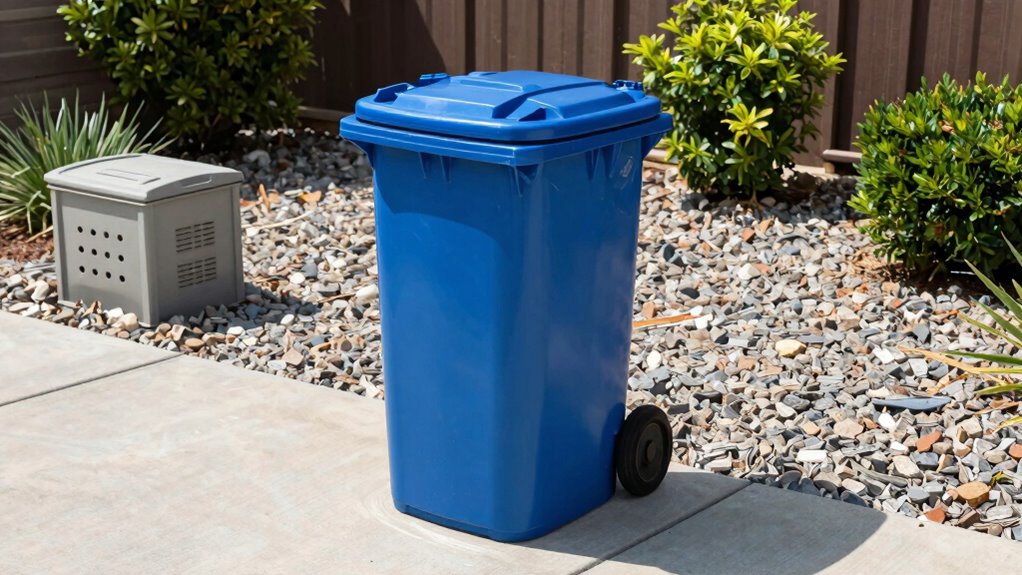
Keeping your waste tidy is essential for pest prevention, as cluttered or overflowing trash attracts insects and rodents. Practice effective waste segregation by separating recyclables, organics, and trash to reduce odors and pests. Properly bag and seal waste to prevent spills and discourage pests from rummaging through trash. Composting benefits your yard and helps manage organic waste responsibly, reducing the amount of trash that attracts pests. When composting, guarantee bins are secure and maintained to avoid creating pest habitats. Regularly empty and clean trash bins to eliminate residual odors. Avoid leaving food scraps or leftovers exposed, as they draw pests. By keeping waste contained and properly managed, you make your home less inviting to pests and support a cleaner, healthier environment.
Regular Cleaning Disrupts Pest Habitats
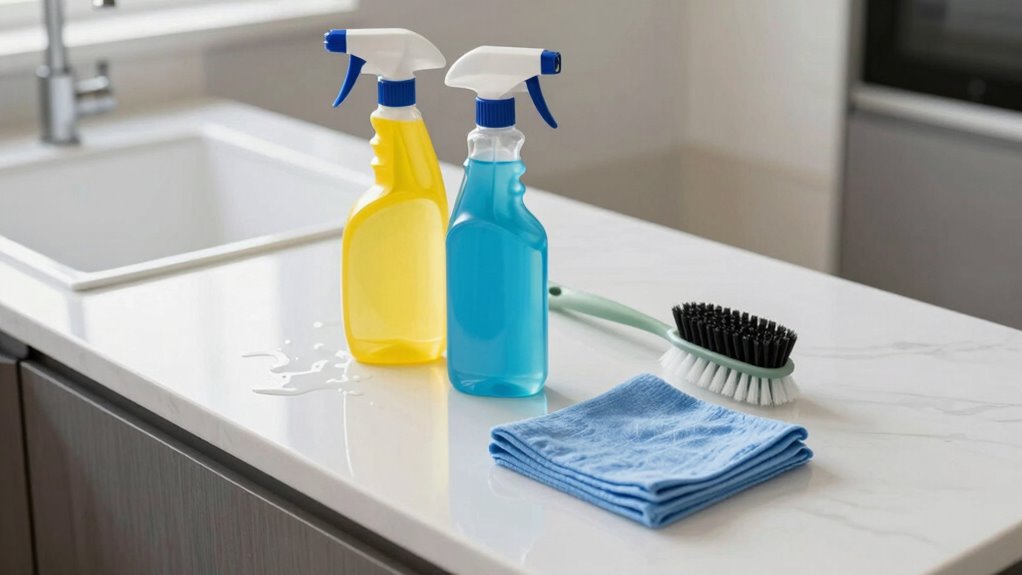
Regular cleaning is one of the most effective ways to break up pest habitats before they can establish themselves. It disrupts pest behavior by removing food sources, clutter, and breeding sites that pests rely on. Many sanitation myths suggest that pests only invade dirty spaces, but consistent cleaning shows that pests thrive in neglected areas, regardless of overall cleanliness. Additionally, maintaining digital transaction security helps prevent infestations of pests that may be attracted by unattended or unsecured areas. Proper sanitation also involves understanding pest behavior patterns, which can help in designing more effective cleaning routines. Recognizing trusted resources for sanitation tips can further enhance pest prevention strategies. Regular cleaning routines also support home maintenance efforts, ensuring that all areas remain less inviting to pests. Incorporating effective cleaning methods can significantly reduce the chances of pest infestations from developing in your home.
Year-Round Sanitation Routines for Pest Control
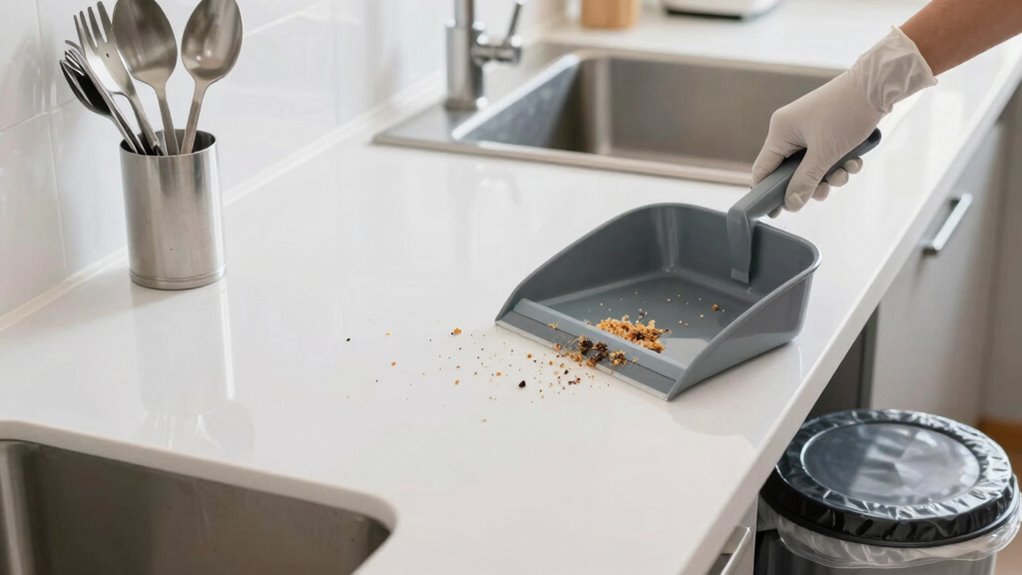
Maintaining consistent sanitation routines throughout the year guarantees pests have fewer opportunities to establish and persist in your space. Regularly cleaning and organizing your sanitation zones prevents the buildup of food debris and moisture, which attract pests and support pest breeding. Focus on areas like kitchens, trash cans, and storage spaces, making sure they stay clean and dry. Establish a schedule that includes weekly inspections, trash removal, and deep cleaning to disrupt potential pest habitats. Using best safety glasses for 2024 during cleaning can help protect your eyes from dust and debris while maintaining a safe environment. Year-round sanitation keeps pests from gaining a foothold, reducing the chances of infestations. By staying vigilant and proactive, you cut off pest breeding sites and eliminate sources of attraction, making your space less inviting to pests and easier to manage over time.
Frequently Asked Questions
How Quickly Can Improved Sanitation Reduce Pest Infestations?
Improved sanitation can markedly reduce pest infestations within days. When you focus on removing food residues and practicing moisture control, pests lose their food sources and breeding sites. Regularly cleaning surfaces, promptly disposing of trash, and fixing leaks can make your space less attractive to pests quickly. You might notice a decrease in activity within just a few days, and ongoing sanitation keeps pests at bay long-term.
Are Certain Cleaning Products More Effective Against Specific Pests?
Yes, certain cleaning products are more effective against specific pests. Eco-friendly cleaning products with natural ingredients can target pests like ants or cockroaches without harmful chemicals. Using pest-resistant materials, such as sealed containers and sealed trash bins, complements cleaning efforts. Combining eco-friendly cleaning with pest-resistant materials helps prevent infestations more efficiently, ensuring your space stays pest-free longer while protecting the environment.
Can Indoor Plants Attract Pests if Not Properly Maintained?
Yes, indoor plants can attract pests if not properly maintained. Poor plant maintenance creates indoor pest attraction, providing a breeding ground for insects like aphids and spider mites. Regularly inspect your plants, remove dead leaves, and avoid overwatering to prevent pest infestations. Keeping plants healthy and clean reduces pests, helping you maintain a pest-free indoor environment. Proper plant maintenance is key to avoiding indoor pest attraction.
How Does Sanitation Impact Pest Control Costs Long-Term?
Sanitation greatly impacts pest control costs long-term by reducing pest attraction and breeding sites. When you maintain good hygiene practices, you prevent infestations before they start, saving you money on costly treatments. Regular cleaning and waste management limit pest access and minimize the need for frequent interventions. This proactive approach ensures cost savings over time, making pest control more affordable and effective while maintaining a healthier environment.
What Hidden Areas Are Most Critical to Clean for Pest Prevention?
You need to target hidden corners and under appliances, or pests will turn your space into their personal playground. These unseen spots hide crumbs, moisture, and debris, creating perfect breeding grounds. Ignoring them is like inviting pests to a never-ending feast. Regularly clean these critical areas, and you’ll drastically reduce pest pressure, saving you money and frustration. Don’t overlook the hidden, because that’s where pests thrive and multiply fastest.
Conclusion
Keeping your home clean isn’t just about appearances—it’s your best defense against pests. By adopting simple daily habits like proper food storage, eliminating standing water, and regular waste disposal, you create an environment pests can’t thrive in. Isn’t it worth the effort to enjoy a pest-free space year-round? Remember, consistent sanitation disrupts their habitats, making your home less inviting. Take charge today and enjoy the peace of mind that comes with a cleaner, pest-resistant home.
Fall yard work Picks
leaf blowers
As an affiliate, we earn on qualifying purchases.