If you hate waste and want to make a real impact, combining composting and rainwater harvesting is your best upgrade. Composting turns kitchen scraps and garden waste into rich soil, reducing landfill trash and boosting plant health. Rainwater collection provides chemical-free water for your garden, lowering water bills and conserving resources. Together, these practices create a sustainable cycle that benefits your garden and the environment. Keep exploring to discover how to seamlessly integrate these eco-friendly solutions.
Key Takeaways
- Implement composting to transform kitchen and garden waste into valuable soil, reducing landfill contributions.
- Install rainwater harvesting systems to collect free, chemical-free water for garden irrigation, lowering water bills.
- Combine composting and rainwater harvesting for a sustainable cycle that minimizes waste and conserves resources.
- Use nutrient-rich compost to improve soil health, decreasing reliance on chemical fertilizers.
- Choose eco-friendly gardening practices that promote self-sufficiency and reduce environmental impact.
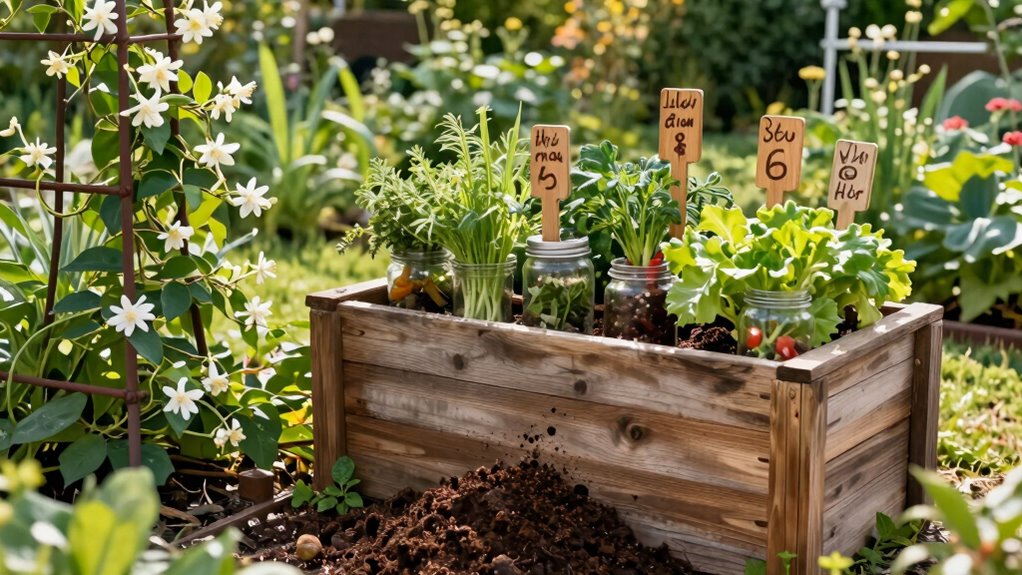
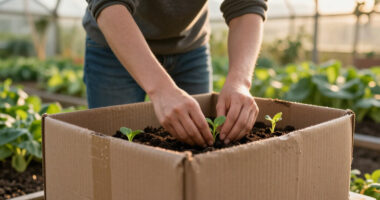
Are you ready to transform your garden into a more sustainable oasis? If waste reduction appeals to you, then embracing composting techniques and rainwater harvesting is the best upgrade you can make. These methods not only cut down on household waste but also create a thriving environment for your plants. Composting turns kitchen scraps and garden waste into rich, organic soil, giving you an eco-friendly way to nourish your plants without relying on chemical fertilizers. You can start small by using a compost bin or a simple pile, and as you get into the routine, you’ll notice how much waste you divert from landfills. Composting also improves your soil structure, enhances moisture retention, and promotes healthy root growth. It’s a straightforward process that pays off in the health of your garden. Additionally, understanding the science behind soil health can help you optimize your composting efforts for even better results. Incorporating soil microbiology into your knowledge can further enhance the quality of your compost and garden soil.
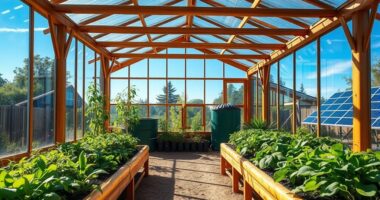
Alongside composting, rainwater harvesting offers another powerful way to cut waste. Instead of letting rainwater run off your property and into storm drains, you can capture it in barrels or larger tanks. This stored rainwater becomes a free, sustainable resource for watering your garden, reducing your reliance on municipal water supplies. Installing a rain barrel is easy, and you can position it beneath your downspout or gutter system. Using rainwater not only conserves a precious resource but also benefits your plants because it’s free of chemicals often found in tap water, like chlorine or fluoride. Plus, rainwater harvesting can lower your water bill and lessen your environmental footprint.
Integrating these two practices creates a cycle of sustainability. As you compost kitchen scraps and garden waste, you generate nutrient-rich compost that feeds your plants and improves soil health. Meanwhile, rainwater harvesting supplies your garden with natural, chemical-free water, reducing dependency on tap water. Both techniques are simple to implement and scalable, fitting any garden size or lifestyle. Over time, you’ll become more self-sufficient, waste less, and see your garden flourish with fewer external inputs. These upgrades also connect you to the natural rhythms of your environment, fostering a deeper appreciation for sustainable gardening.
As an affiliate, we earn on qualifying purchases.
Frequently Asked Questions
How Can I Compost Effectively in a Small Garden Space?
You can compost effectively in a small garden by using compact composting bins that fit tight spaces. Incorporate worm composting, or vermicomposting, to speed up decomposition and reduce waste efficiently. Keep your bin aerated and balance greens and browns for ideal results. Regularly add kitchen scraps and monitor moisture levels. This approach maximizes space, minimizes waste, and produces rich compost for your garden without requiring a large area.
What Are the Best Eco-Friendly Pest Control Methods?
Imagine turning your garden into a fortress without harmful chemicals. You should encourage natural predators like ladybugs and praying mantises to control pests naturally. Botanical sprays, made from neem oil or garlic, offer an eco-friendly solution that’s safe for beneficial insects and your plants. This way, you keep pests in check while protecting your garden’s health and supporting a sustainable, waste-free gardening approach.
How Can I Reuse Garden Waste Creatively?
You can reuse garden waste creatively by turning compost into plant container ideas, like repurposing old buckets or tires as planters. Use fallen leaves and twigs to craft DIY garden decor, such as wreaths or mulch art. Compost organic waste for nutrient-rich soil. Also, consider making seed pots from paper or natural fibers. These methods reduce waste, save money, and add a personalized touch to your garden.
Are There Sustainable Options for Garden Watering Systems?
Yes, you can choose sustainable watering options like rainwater harvesting and drip irrigation. Rainwater harvesting lets you collect and store rainwater, reducing reliance on tap water. Drip irrigation delivers water directly to plant roots, minimizing waste and evaporation. Together, these systems help you conserve water, save money, and promote eco-friendly gardening practices, making your garden more sustainable while reducing waste and environmental impact.
How Do I Choose Eco-Friendly Gardening Tools?
When choosing eco-friendly gardening tools, prioritize options like solar-powered tools that harness sunlight, reducing energy use, and opt for tools made from organic fertilizers and sustainable materials. These tools minimize environmental impact while maintaining quality. Look for certifications like FSC or EcoCert, and avoid plastic-heavy gadgets. By selecting solar-powered equipment and organic fertilizers, you support sustainability and enjoy a greener, more responsible gardening experience.
Conclusion
Imagine your garden bursting with vibrant blooms and lush greenery, each plant thriving without waste. By choosing sustainable upgrades, you transform your outdoor space into a haven of eco-friendly abundance. Feel the satisfaction as your compost enriches the soil and rainwater sustains your plants naturally. With every mindful choice, you’re nurturing not just your garden, but the planet itself. Embrace these simple changes and watch your garden flourish in harmony with nature’s rhythm.