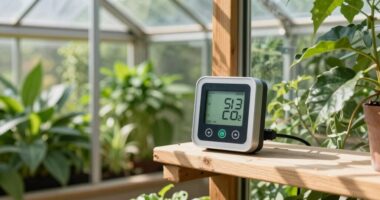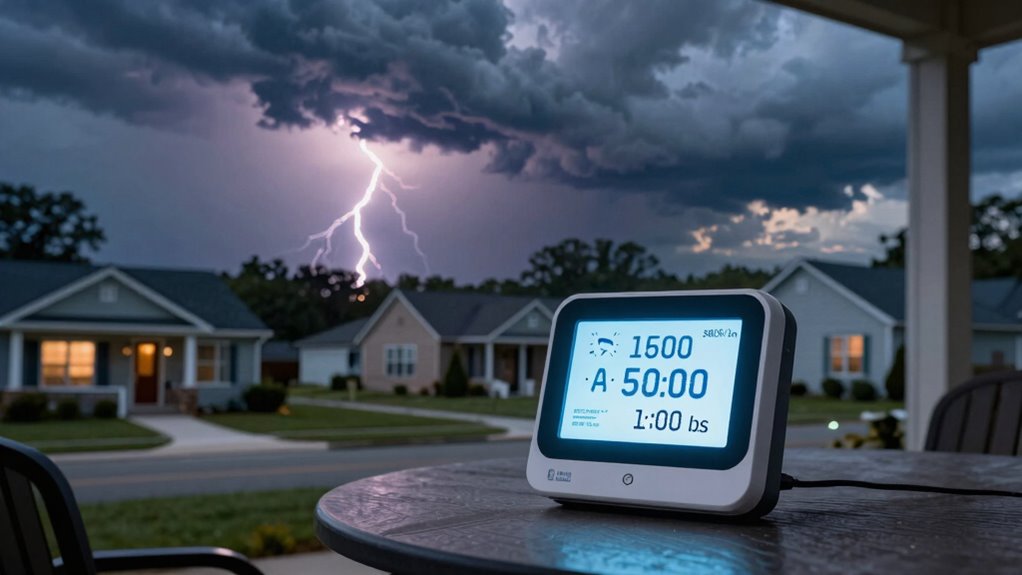

During weather-swing months, remote alerts keep you informed of sudden changes like storms or temperature shifts. They help you respond quickly, whether you need to seek shelter, secure belongings, or delay plans. These alerts use multiple channels, ensuring you get critical updates even during power outages or network issues. By staying ahead of unpredictable weather, you can protect yourself and make smarter decisions. Keep exploring to discover more ways remote alerts can keep you prepared.
Open a free Amazon Business account
Business pricing, bulk buying and tax-exempt orders.
As an affiliate, we earn on qualifying purchases.
Key Takeaways
- They provide immediate updates on sudden weather shifts typical in weather-swing months.
- Enable quick responses to unpredictable conditions, reducing risks during rapid climate changes.
- Offer multiple communication channels, ensuring alert delivery despite power or network issues.
- Help plan and adapt outdoor activities or travel around fluctuating weather patterns.
- Support proactive safety measures and decision-making in unpredictable weather environments.
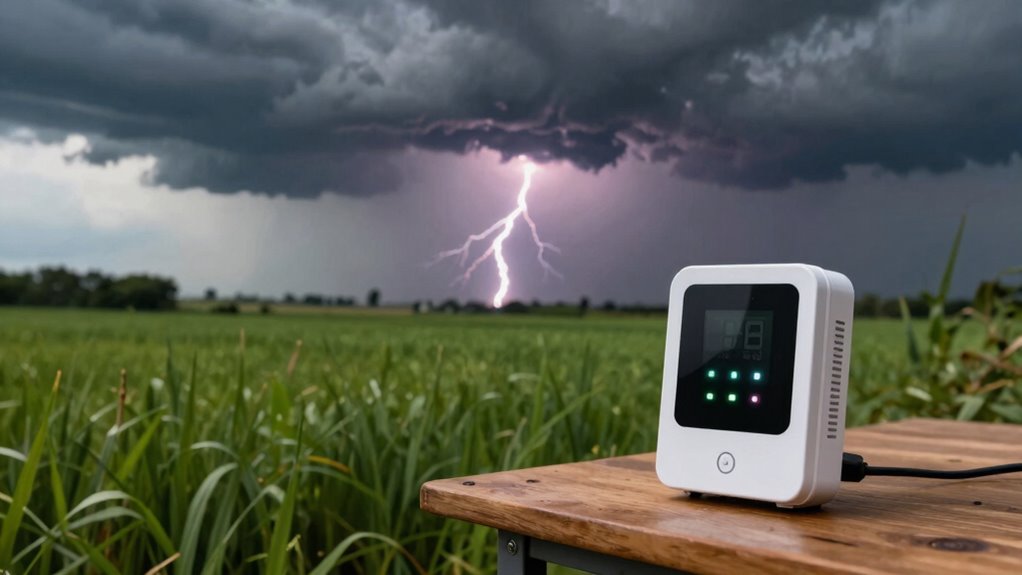
As weather patterns fluctuate unpredictably during swing months, staying informed becomes more crucial than ever. Remote alerts serve as your first line of defense, providing timely updates that enable you to respond quickly to sudden weather changes. During these periods, storms can intensify unexpectedly or shift direction without warning, making it essential to have instant access to accurate information. Remote alert systems keep you connected to real-time weather data, so you don’t have to rely solely on local broadcasts or guesswork. This immediacy is indispensable for emergency preparedness, helping you make informed decisions about evacuations, sheltering, or securing your property.
Remote alerts provide instant, reliable weather updates crucial for quick response during unpredictable swing months.
Swing months challenge your ability to adapt to changing climate conditions. You might experience a sunny morning followed by thunderstorms in the afternoon or a brief warm spell that quickly turns cold. Remote alerts help you navigate these rapid shifts, giving you advance notice to adjust your plans or implement safety measures. This proactive approach is key to climate adaptation—adjusting your routines and environment to minimize risks posed by unpredictable weather. With alerts arriving straight to your device, you can prepare in advance, whether that means gathering supplies, moving vulnerable items indoors, or alerting family members. Understanding climate variability can help you better anticipate and respond to these rapid changes. Incorporating early warning systems into your preparedness can significantly improve your response time during extreme weather events.
Another advantage of remote alerts is that they provide a layer of redundancy in your emergency preparedness plan. Traditional weather alerts depend on radio or television broadcasts, which can sometimes fail during power outages or network disruptions. Remote alert systems often use multiple channels—SMS, app notifications, emails—ensuring you receive critical information even if one method fails. This reliability becomes especially valuable during swing months, when weather can be erratic and communication lines are strained. By staying connected through these alerts, you’re better equipped to handle sudden weather emergencies effectively. Incorporating redundant communication methods into your safety plan enhances your resilience against unexpected disruptions.
Furthermore, remote alerts support your climate adaptation efforts by encouraging a more responsive approach. Instead of reacting impulsively to unexpected weather, you can plan your actions with timely information at hand. Whether it’s delaying travel, securing outdoor belongings, or preparing for power outages, being informed in real-time makes all the difference. As weather patterns continue to become more volatile due to climate change, integrating remote alerts into your routine ensures you’re not caught off guard when nature throws the next curveball. Incorporating indoor air quality considerations into your preparedness can also help mitigate health risks during extreme weather events. Additionally, understanding weather unpredictability can help you better anticipate and respond to these rapid changes. Ultimately, these systems empower you to stay safe, make smarter decisions, and adjust seamlessly to the evolving climate landscape.
weather alert notification system
As an affiliate, we earn on qualifying purchases.
As an affiliate, we earn on qualifying purchases.
Frequently Asked Questions
How Do Remote Alerts Differ From Traditional Weather Warnings?
Remote alerts differ from traditional weather warnings by leveraging weather sensors for real-time data, allowing you to receive immediate updates. You can customize alerts based on specific conditions, such as storms or temperature drops, ensuring you’re only notified about what matters most. This targeted approach helps you stay prepared and respond faster, especially during unpredictable weather swing months when traditional warnings may be delayed or less precise.
Can Remote Alerts Be Personalized for Specific Weather Concerns?
Absolutely, remote alerts can be personalized for specific weather concerns. You can set up personalized notifications through weather apps or alert systems, focusing on conditions that matter most to you, like heavy rainfall, snow, or high winds. Weather customization allows you to receive alerts tailored to your location and preferences, ensuring you’re promptly informed about weather events that could impact your safety or plans, giving you peace of mind during unpredictable weather months.
Are Remote Alerts Available on All Mobile Devices?
Remote alerts are generally available on most mobile devices, but mobile compatibility can vary depending on the app or service you choose. Many platforms offer alert customization, so you can tailor notifications to specific weather concerns. To guarantee you receive alerts on your device, check the app’s compatibility and settings. This way, you stay informed about weather changes, especially during unpredictable weather-swing months.
What Is the Typical Response Time After Receiving a Remote Alert?
Think of remote alerts as your emergency preparedness lightning bolt—fast and direct. Typically, you get a response within minutes, sometimes seconds, depending on your device and network quality. This swift technology integration helps you act quickly to protect yourself and your loved ones. Staying alert and responsive can make all the difference during weather swings, ensuring you’re always one step ahead in unpredictable conditions.
How Accurate Are Remote Alerts During Unpredictable Weather Swings?
Remote alerts are quite accurate during unpredictable weather swings, especially when you consider forecast reliability and alert customization. You can tailor alerts based on your specific location and risk level, ensuring you get timely updates even during sudden weather changes. While no system is perfect, these alerts are designed to adapt quickly, providing you with reliable information to make informed decisions and stay safe during unpredictable weather swings.
Conclusion
Remote alerts act like your personal weather guardian, keeping you one step ahead during unpredictable months. They’re your lifeline when storms brew or forecasts shift suddenly. With instant alerts, you can dodge trouble and stay safe, even when you’re away from your window. Think of them as your weather whisperer, guiding you through the chaos with timely updates. Stay connected, stay prepared—because in weather-swing months, knowledge is your best shield.
Flea & tick season Picks
flea and tick prevention
As an affiliate, we earn on qualifying purchases.