AI-driven recommendation systems help you optimize greenhouse tasks by analyzing data from sensors and cameras in real time. They detect issues early, like pest infestations or nutrient deficiencies, and suggest targeted actions such as watering, fertilizing, or pest control. These systems automate decision-making, reducing manual effort and improving crop health. By integrating AI, you can achieve more efficient, sustainable plant management—continue to explore how these advanced tools can transform your greenhouse operations.
Key Takeaways
- Utilize sensor and camera data to optimize watering, fertilization, and environmental controls proactively.
- Detect pests and plant health issues early with AI image recognition, enabling timely intervention.
- Generate personalized care schedules based on real-time and historical plant growth data.
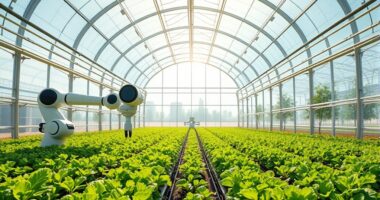
- Automate decision-making processes to improve efficiency and reduce manual labor.
- Promote sustainable practices by minimizing chemical use through precise, targeted treatments.

Have you ever wondered how streaming platforms suggest your next favorite show or how online retailers know exactly what to recommend? The magic behind these personalized suggestions lies in AI-driven recommendation systems, and the same principles are transforming greenhouse management. In a greenhouse setting, these systems analyze data from sensors and cameras to maximize plant care, making tasks like plant monitoring and pest detection more efficient and accurate.
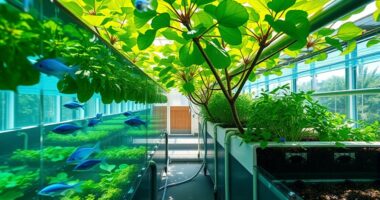
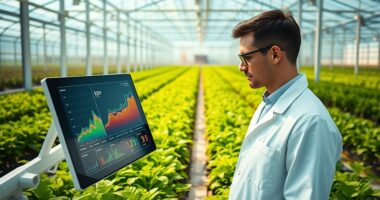
When it comes to plant monitoring, AI-driven systems continuously collect data on temperature, humidity, soil moisture, and light levels. With this real-time information, you can identify issues early, such as drought stress or nutrient deficiencies, before they become severe. These systems learn from historical data to predict plant growth patterns and suggest ideal watering or fertilization schedules. By automating this process, you reduce the guesswork and manual labor involved in maintaining healthy plants, ensuring they thrive with minimal intervention.
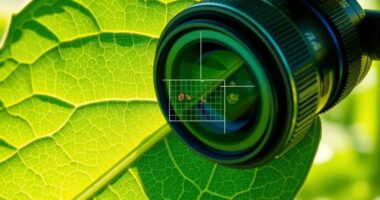
Pest detection is another critical application where AI shines. Traditionally, identifying pests requires manual inspection, which can be time-consuming and prone to oversight. AI-powered cameras and image recognition algorithms now enable you to detect pests swiftly and accurately. These systems analyze images of leaves and stems, instantly alerting you to signs of pest infestation. Early detection helps you act promptly, preventing widespread damage and reducing the need for chemical interventions. This not only safeguards your crops but also promotes an environmentally friendly approach to pest management.
AI-powered cameras detect pests quickly, enabling prompt action and eco-friendly pest control.
Integrating AI recommendation systems into your greenhouse management allows for proactive decision-making. By continuously learning from your specific conditions and plant responses, these systems tailor recommendations to your unique environment. For example, if pest detection algorithms notice a rise in certain pests, they might suggest targeted treatments or biological control methods. Similarly, plant monitoring algorithms can recommend adjustments in environmental parameters to optimize growth conditions.
Frequently Asked Questions
How Do Recommendation Systems Adapt to Seasonal Changes?
You’ll find that recommendation systems adapt to seasonal changes by analyzing crop variability and environmental data over time. They adjust suggestions for watering, temperature, or pest control to match current conditions, ensuring ideal growth. By continuously learning from seasonal patterns, these systems provide tailored advice that helps you respond proactively, maintaining plant health and productivity despite shifting weather and crop needs. This seasonal adaptation keeps your greenhouse efficient year-round.
What Are the Privacy Considerations in Greenhouse Data Collection?
You should prioritize data security by implementing strong encryption and access controls to protect greenhouse data. Make certain you obtain clear consent from all stakeholders before collecting any information, and manage that consent effectively through transparent processes. Regularly review your privacy policies, keep data usage ethical, and stay compliant with relevant regulations. These steps help maintain trust and safeguard sensitive data in your greenhouse operations.
Can These Systems Integrate With Existing Greenhouse Automation?
Imagine your greenhouse’s sensors as the heartbeat of your plants, seamlessly syncing with new AI-driven systems. You can easily integrate these recommendations into existing automation, enhancing control over watering, lighting, and climate. Just guarantee sensor integration is smooth and data security stays tight, protecting your valuable data. With proper setup, the system becomes an extension of your greenhouse, working effortlessly to optimize growth and efficiency.
How Is User Feedback Incorporated Into System Improvements?
You can provide user feedback directly through the system’s interface or reports, which the AI analyzes for patterns and insights. This feedback helps the system optimize its recommendations and adapt to your specific greenhouse conditions. By continuously learning from your input, the system improves its accuracy and efficiency, ensuring that the tasks are better tailored to your needs. This ongoing process of user feedback integration drives system optimization over time.
What Are the Cost Implications for Small-Scale Growers?
You might find that the cost analysis for implementing AI-driven recommendation systems shows initial expenses, but the financial benefits often outweigh these costs over time. As a small-scale grower, you could save on labor, optimize resource use, and boost yields. While there are upfront investments, the improved efficiency and productivity can lead to significant long-term savings, making the system a worthwhile investment for your greenhouse operations.
Conclusion
Think of these AI-driven recommendation systems as your trusted compass steering the lush, unpredictable forest of greenhouse tasks. They guide you with precision and insight, helping you avoid pitfalls and find the path to healthier plants and better yields. Just as a compass leads explorers through the unknown, these systems empower you to master complexity with confidence. Embrace this technology, and watch your greenhouse flourish as you become the skilled gardener steering your lush paradise.