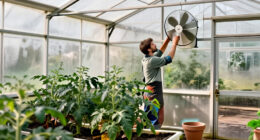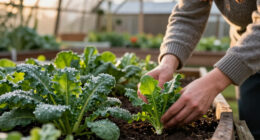
The climate zone shortcut smart greenhouse buyers use involves quickly identifying your region’s temperature, humidity, and seasonal patterns through reliable sources like USDA’s Plant Hardiness Zone Map or local weather services. Knowing your zone helps you choose the right materials, insulation, ventilation, and heating systems tailored for ideal performance. This move ensures your greenhouse functions efficiently year-round and boosts plant success. Stick with it to discover how to apply this knowledge for even smarter greenhouse decisions.

Get garden gear delivered free with Prime
- Fast, free delivery on millions of items
- Prime Video, Amazon Music and more included
- Member-only deals all year
Key Takeaways
- Quickly identify your region’s climate zone using USDA Plant Hardiness Maps or local weather services for tailored greenhouse planning.
- Match greenhouse materials and insulation levels to your climate zone to optimize energy efficiency and plant health.
- Adjust ventilation, shading, and heating systems based on whether your zone is hot, cold, or temperate.
- Use online tools and apps to assess local climate data and fine-tune your greenhouse design accordingly.
- Incorporate case study insights and adaptive features like removable shading or supplemental heating for climate-specific challenges.
greenhouse insulation kit for cold climates
As an affiliate, we earn on qualifying purchases.
As an affiliate, we earn on qualifying purchases.
What Are Climate Zones and Why Do They Matter for Greenhouses?
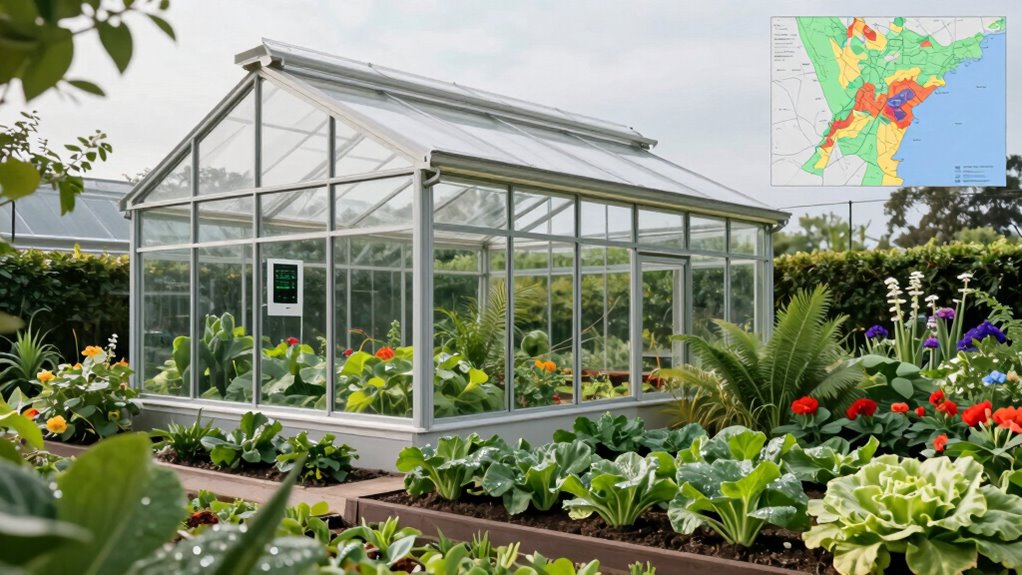
Have you ever wondered why some greenhouses thrive in certain areas while struggling in others? It all comes down to climate zones. These zones categorize regions based on temperature, humidity, and seasonal patterns. Understanding your climate zone helps you choose the right greenhouse design, materials, and plants suited to your environment. Precious metals investment options Greenhouses built without considering climate zones can face issues like overheating, cold damage, or excessive humidity. When you know your zone, you can optimize ventilation, insulation, and shading to create a stable growing environment. This knowledge guarantees your greenhouse operates efficiently and produces healthy plants. Recognizing your climate adaptability is essential for customizing your greenhouse features to suit your specific conditions. Additionally, knowing your climate zone enables you to anticipate seasonal changes and plan for long-term sustainability, which is crucial for successful greenhouse management. Ultimately, recognizing climate zones provides an essential foundation for smart greenhouse planning and success in any location. Being aware of climate-specific requirements allows you to make informed decisions that enhance the longevity and productivity of your greenhouse.
How to Find Your Climate Zone Quickly and Accurately

Determining your climate zone quickly and accurately is essential for selecting the right greenhouse setup, and luckily, it doesn’t have to be complicated. First, visit your local weather service or plant hardiness website—these sources provide reliable zone info. Second, avoid climate myths that oversimplify or mislead; accurate data is key. Third, use online tools like USDA’s Plant Hardiness Zone Map or local extension services for precise results. Fourth, consider greenhouse aesthetics; a well-placed structure adapts better to your climate zone. Knowing your zone helps you avoid guessing and guarantees your plants thrive. Accurate zone info simplifies planning, dispels climate myths, and helps you choose the best greenhouse design for your environment. Additionally, understanding how contrast ratio influences image quality can be useful if you’re considering integrating visual displays or monitoring systems into your greenhouse setup. Recognizing the importance of climate classification can further improve your greenhouse’s efficiency and plant health.
A detailed climate assessment can provide even more tailored insights to optimize your greenhouse conditions.
How Climate Zones Simplify Greenhouse Planning

Knowing your climate zone makes greenhouse planning much simpler because it guides you in choosing the right materials, insulation levels, and ventilation systems. This insight helps you focus on climate adaptation, ensuring your greenhouse functions efficiently throughout the year. When you understand your climate zone, you can select crops that are compatible with your environment, increasing your chances of success. For example, in colder zones, you’ll prioritize insulation and heating, while in warmer zones, ventilation and shading become more important. This targeted approach streamlines your decision-making process and minimizes costly mistakes. Additionally, understanding your climate zone can help you select appropriate battery inverter generators to ensure reliable power for your greenhouse systems. Proper climate zone knowledge can also improve your personal finance planning by helping you allocate resources more effectively toward your gardening goals. For instance, choosing a solar-powered generator suited to your climate can further enhance sustainability and reduce ongoing energy costs. Recognizing the importance of climate-specific gardening practices allows you to tailor your maintenance routines and crop choices more precisely. Ultimately, knowing your climate zone allows you to design a greenhouse tailored to your specific conditions, making your gardening efforts more productive and sustainable.
Choosing the Right Materials and Insulation for Your Climate
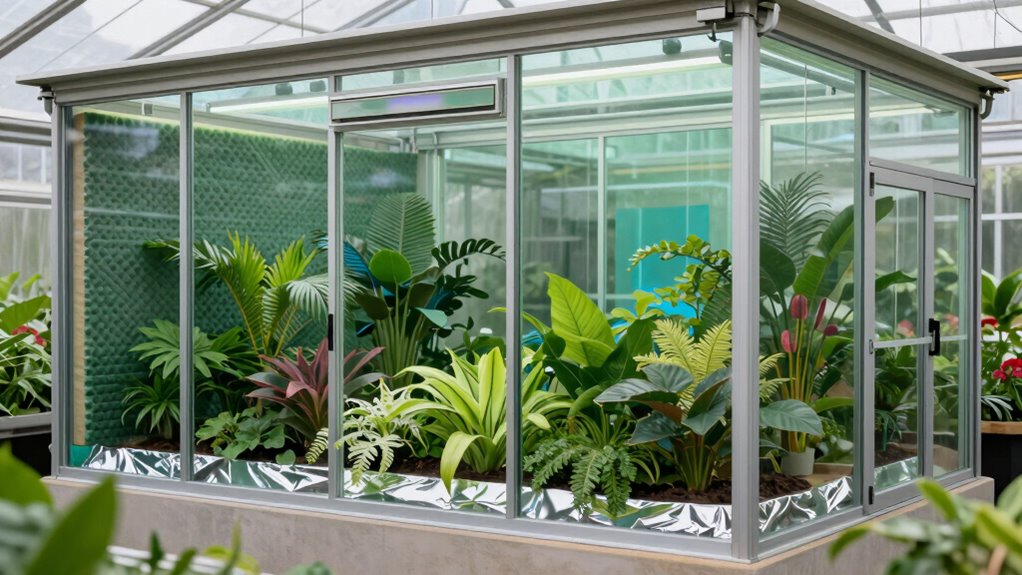
When selecting materials for your greenhouse, focus on durability and how well they suit your climate to guarantee long-lasting performance. Insulation is key to maintaining stable temperatures, so consider the different types and their effectiveness for your specific conditions. Making informed choices here can considerably boost your greenhouse’s efficiency and lifespan. Additionally, proper cabling solutions ensure your greenhouse systems remain reliable and safe over time. Incorporating filter sizing/flow considerations can further optimize your water system’s performance within the greenhouse environment. Understanding the importance of climate-specific insulation can help you select the most effective materials for your unique weather conditions, especially when considering material durability for long-term use. Recognizing the significance of insulation effectiveness in different climate zones can lead to better overall greenhouse performance and energy efficiency.
Material Durability and Suitability
Choosing the right materials and insulation is essential to assure your greenhouse withstands the specific demands of your climate. Material durability ensures your investment lasts, while suitability affects plant health and energy efficiency. Consider these key factors:
- Material aesthetics – Pick materials that complement your environment and personal style.
- Climate compatibility – Select sturdy, weather-resistant options for your specific zone.
- Cost considerations – Balance initial expenses with long-term durability and maintenance.
- Material performance – Guarantee materials resist UV damage, corrosion, and temperature fluctuations.
Insulation Effectiveness and Types
Have you considered how insulation can make or break your greenhouse’s performance in your specific climate? Thermal insulation is essential for maintaining consistent temperatures, especially in extreme weather. The right insulation material can reduce heat loss in winter and keep your greenhouse cool during hot months. Material testing helps determine which options are most effective and durable for your environment. Options like foam boards, bubble wrap, and reflective foil are popular, but their effectiveness varies based on climate. Proper insulation should offer high R-values and resist moisture and pests. By selecting the right materials and testing their thermal insulation properties, you’ll guarantee your greenhouse stays warm or cool as needed, optimizing plant growth and energy efficiency throughout the year.
Setting Up Ventilation and Heating Based on Your Climate Zone
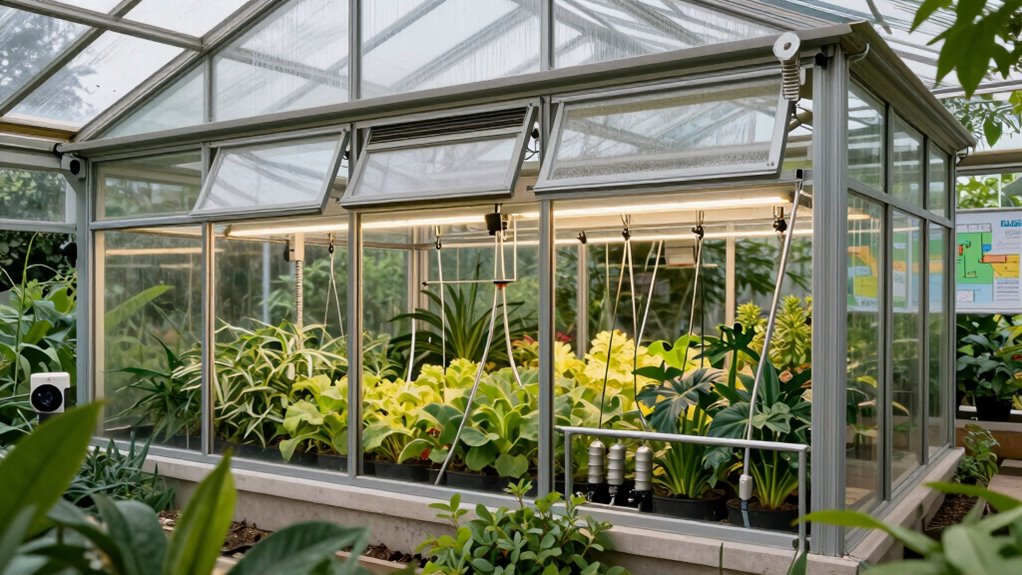
Your climate zone determines how you set up ventilation and heating in your greenhouse, ensuring plants stay healthy year-round. You’ll need to adjust ventilation for airflow and cooling in warmer zones, while colder zones require effective heating strategies. Incorporating outdoor ovens or fire pits can also enhance your backyard transformation, making your space more inviting year-round. Proper home safety measures, such as secure electrical wiring and fire prevention, are essential when integrating additional heat sources. Additionally, understanding climate-specific needs helps optimize your greenhouse setup for maximum plant health and efficiency. Considering seasonal adjustments can further improve your greenhouse’s performance throughout the year. Recognizing climate zone classification can guide you in choosing the most suitable heating and ventilation methods for your specific environment.
Climate Zone Ventilation Needs
Understanding how to set up ventilation and heating is essential because climate zones greatly influence your greenhouse’s airflow and temperature control needs. Proper ventilation helps regulate humidity and temperature, which affects your landscape design and pest control strategies. In hot zones, you’ll need more airflow, while cooler zones require efficient insulation and controlled ventilation. Here are key considerations:
- Adjust vent openings for airflow based on seasonal changes.
- Use shade cloths or fans to prevent overheating in warm climates.
- Incorporate automated vents for consistent temperature control.
- Design airflow pathways that minimize pest entry and support landscape planning.
- Incorporating inclusive casting in your greenhouse design can also enhance overall climate adaptability by promoting diverse plant and pest management strategies.
Heating Strategies Per Zone
To effectively manage heating in your greenhouse, it’s essential to tailor your strategies to your specific climate zone. Different zones need different solutions to maintain ideal temperatures without sacrificing greenhouse aesthetics or increasing pest control issues. For colder zones, consider insulated panels and supplemental heating like space heaters or heat mats. Warmer zones might only require passive heating or shade to prevent overheating. Here’s a quick guide:
| Climate Zone | Heating Method | Additional Tips |
|---|---|---|
| Cold | Space heaters | Insulate for efficiency |
| Temperate | Passive heating | Ventilation balancing |
| Hot | Shade & fans | Minimize pests, maintain airflow |
| Very Cold | Boilers | Use thermal curtains |
| Mild | Natural warmth | Focus on pest control |
Additionally, understanding climate zones can help you select the most effective heating strategies from the start.
Adapting to Seasonal Changes
As seasons change, adjusting your greenhouse’s ventilation and heating systems guarantees plants stay healthy and productive. Proper airflow prevents humidity buildup, reducing pest management issues, while tailored heating keeps temperatures ideal. To adapt effectively, consider these steps:
- Modify ventilation based on soil composition—more airflow can prevent excess moisture that affects soil health.
- Use heating strategically during colder months to maintain consistent temperatures, supporting soil warmth and plant growth.
- Regularly monitor temperature and humidity levels to prevent pest infestations caused by environmental stress.
- Adjust airflow and heating to ensure even temperature distribution, protecting plants from cold snaps or heat stress.
Common Mistakes When Ignoring Climate Zones in Greenhouse Design
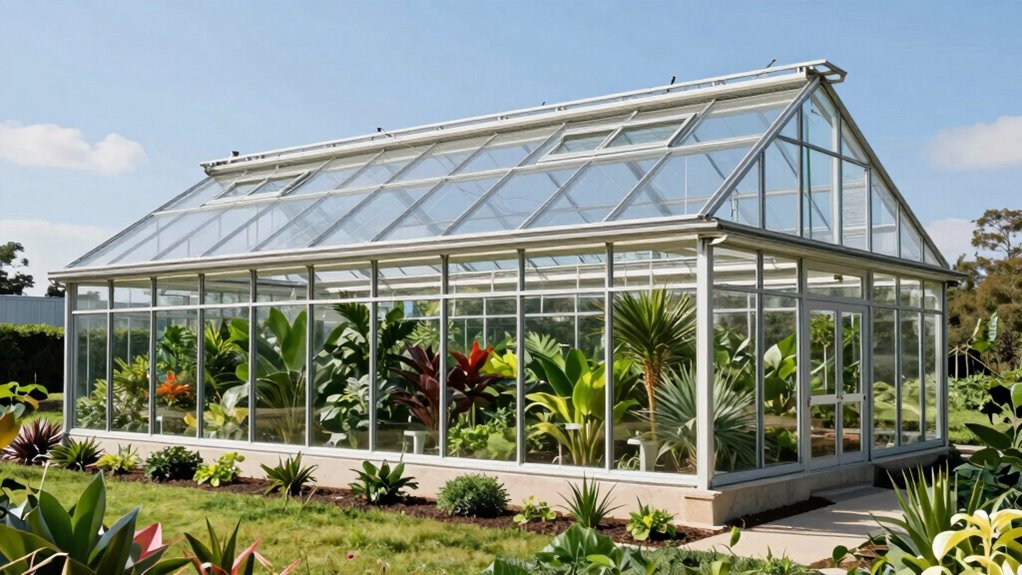
Ignoring climate zones when designing a greenhouse can lead to costly mistakes and poor plant growth. You might invest in features that don’t suit your local environment, wasting money and effort. This oversight can also hurt garden aesthetics by limiting plant choices and reducing visual appeal. Additionally, neglecting climate considerations hampers community engagement, as your greenhouse may not support the plants or activities local visitors expect. Here’s a quick comparison:
| Mistake | Consequence |
|---|---|
| Overlooking climate zones | Reduced plant success and growth |
| Ignoring local temperature | Higher energy costs, discomfort |
| Ignoring community needs | Decreased visitor interest |
Always consider your climate zone to create a thriving, inviting, and attractive greenhouse. Understanding water chemistry is also crucial for maintaining healthy plants in different climates. Proper knowledge of plant needs and adaptability to your specific environment can greatly improve your greenhouse’s success.
Case Studies: Greenhouses Built With the Climate Zone Shortcut
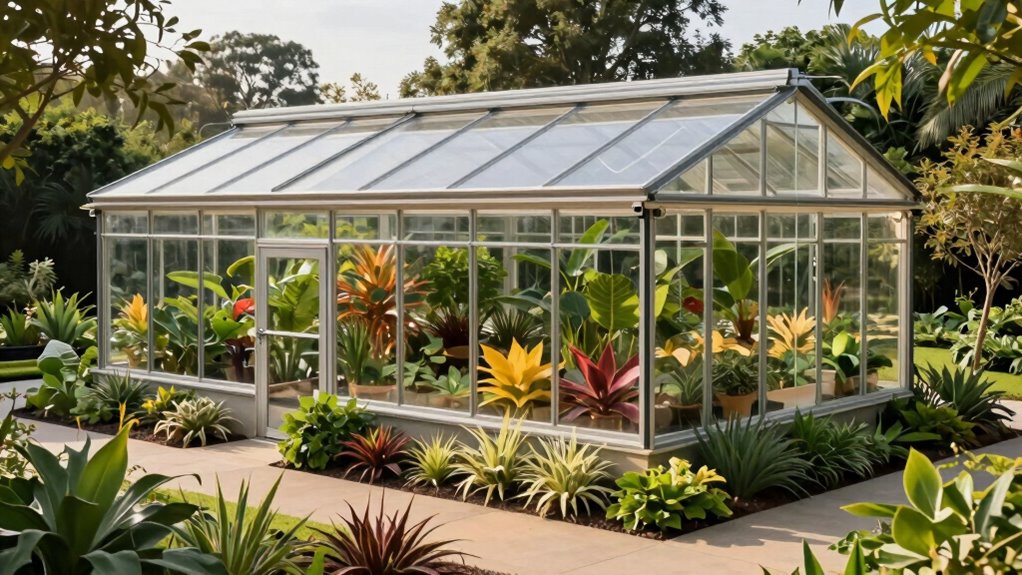
Looking at real-world examples, you’ll see how choosing the right climate zone influences greenhouse performance. You’ll observe the design changes made to adapt to different zones and how those tweaks affect growth. These case studies highlight what works—and what doesn’t—across various climate zones.
Climate Zone Selection Impact
Choosing the wrong climate zone for your greenhouse can lead to significant issues, as demonstrated by case studies where builders relied on the climate zone shortcut without thorough analysis. Misjudging your zone impacts energy efficiency, climate change resilience, and plant health. Here are four major consequences:
- Increased heating or cooling costs due to poor insulation.
- Higher energy consumption, worsening climate change impact.
- Reduced crop yields from unsuitable temperature conditions.
- Structural damage caused by temperature fluctuations.
Ignoring the precise climate zone hampers your greenhouse’s ability to adapt to local weather patterns. This shortcut might seem convenient, but it often results in inefficient energy use and higher operational costs. Accurate climate zone selection ensures better sustainability and resilience, making your greenhouse more effective in the long run.
Design Adaptations Implemented
When greenhouse builders rely on the climate zone shortcut without thorough analysis, they often implement specific design adaptations to compensate for the mismatch. To improve garden aesthetics, they may add decorative elements like colorful panels or tailored ventilation systems, creating visual appeal despite climate challenges. Budget considerations also influence these adaptations; builders might opt for cost-effective insulation or simple shading devices instead of extensive climate-specific features. These modifications help maintain a suitable environment for plants while keeping expenses manageable. In some cases, they incorporate adjustable features, such as removable shading or supplemental heating, to tweak conditions seasonally. Overall, these design adaptations reflect a practical approach—balancing aesthetics, functionality, and budget constraints—when relying on the shortcut rather than detailed climate analysis.
Performance Across Zones
How well do greenhouses built with the climate zone shortcut perform across different regions? They often excel when tailored properly, but performance varies based on local conditions. Consider these key factors:
- Soil testing reveals if your soil needs amendments for ideal plant growth in each zone.
- Pest control strategies must be adapted to regional pests, guaranteeing the greenhouse remains healthy.
- Climate zones influence temperature regulation, impacting plant productivity.
- Proper insulation and ventilation are vital for consistent performance across diverse zones.
When these factors are addressed, greenhouses built with the climate zone shortcut can thrive regardless of location. The right soil testing and pest control measures are essential to make sure your greenhouse adapts well and produces reliably across different regions.
Tools and Resources to Identify Your Climate Zone Effortlessly
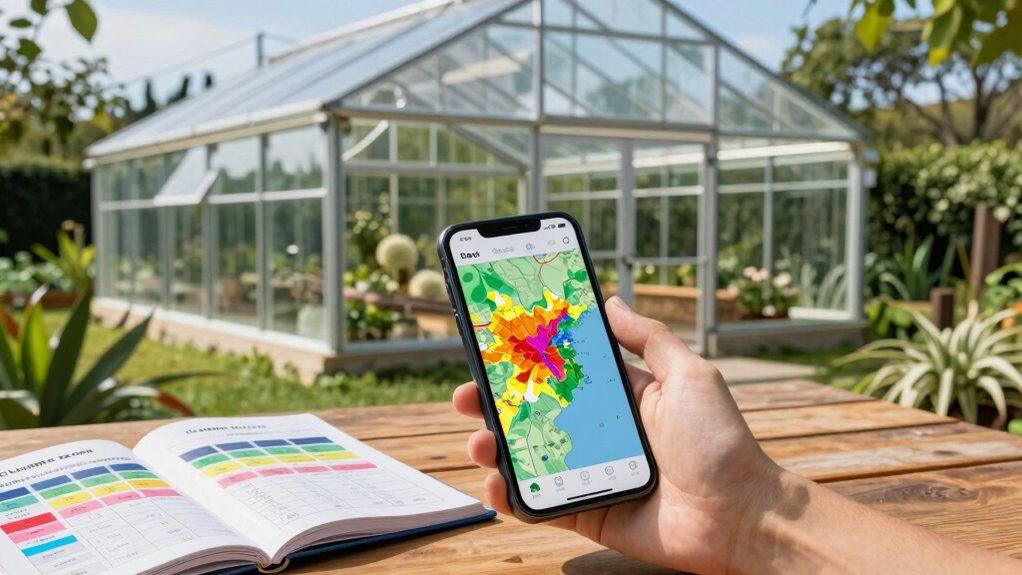
Identifying your climate zone has become easier than ever thanks to a variety of online tools and resources. Websites like the USDA Plant Hardiness Zone Map and local government climate data help you quickly determine your zone with just a few clicks. These tools are especially useful if you’re into indoor gardening, as understanding your climate helps you choose the right equipment and plants. Additionally, many resources offer tips on maximizing solar energy use for greenhouse heating and lighting, tailored to your zone. Apps and online calculators also provide detailed insights based on your address, making it simple to plan your greenhouse setup. With these resources, you can confidently select the right climate zone and optimize your gardening efforts.
How Climate Zones Affect Plant Selection and Growing Seasons
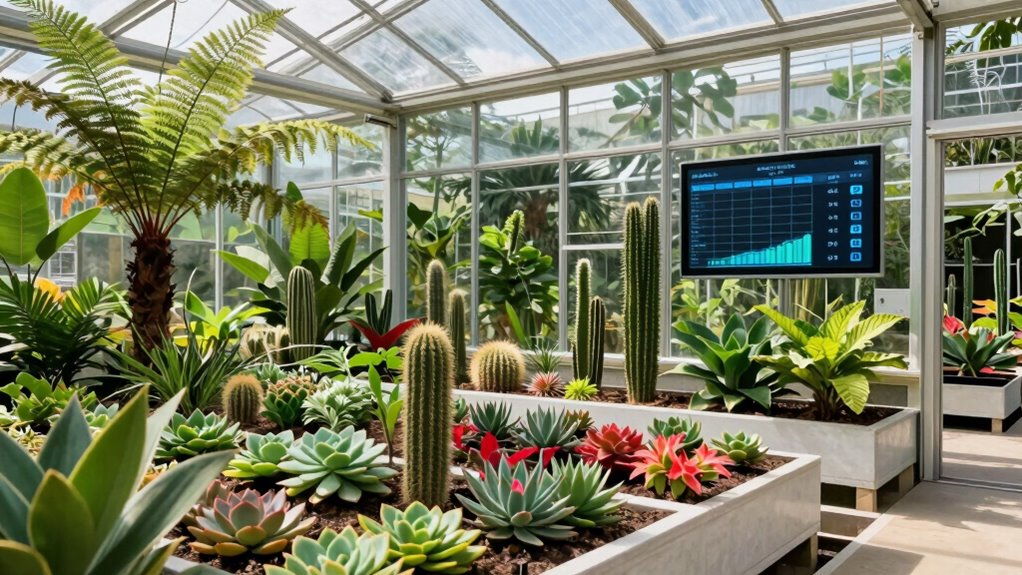
Your climate zone directly influences which plants will thrive and how long your growing season lasts. Knowing your zone helps you select plants suited to your environment, ensuring better plant diversity and productivity. It also guides soil management practices, as different zones require specific amendments for ideal growth. Consider these key points:
- Plant Diversity: Your zone determines the variety of plants you can grow successfully.
- Growing Season Length: It affects when you can plant and harvest.
- Soil Needs: Soil management must adapt to your zone’s climate for healthy roots.
- Crop Timing: Understanding your zone helps plan planting schedules, maximizing your greenhouse’s efficiency.
Next Steps for Smarter Greenhouse Buying Using Climate Zones
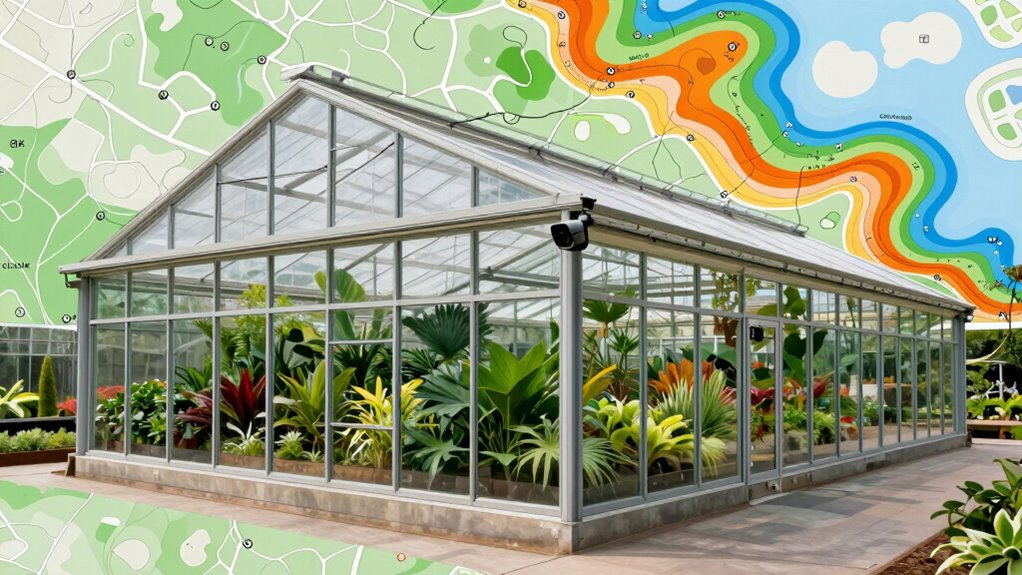
Understanding your climate zone is a crucial step in making smarter greenhouse purchases, as it directly impacts the type and size of greenhouse that will work best for your needs. Once you know your zone, focus on integrating sustainable energy solutions like passive solar design or solar panels to reduce long-term costs. Consider water conservation strategies, such as rainwater harvesting or drip irrigation systems, tailored to your climate’s rainfall patterns. These steps help optimize resource use and minimize environmental impact. By aligning your greenhouse design with your climate zone, you guarantee efficient heating, cooling, and watering, making your setup more eco-friendly and cost-effective. This approach supports sustainable energy and water conservation while creating a thriving environment for your plants.
Frequently Asked Questions
Can Climate Zones Change Over Time and Affect Greenhouse Planning?
Yes, climate zones can change over time due to climate variability, affecting your greenhouse planning. As zone classifications shift, you might find your current setup no longer ideal for your plants. It’s important to stay updated on local climate data and adapt your greenhouse features accordingly. By monitoring these changes, you can guarantee your greenhouse remains suitable for your crops, regardless of evolving climate conditions.
How Do Microclimates Within a Zone Impact Greenhouse Design?
Microclimate variations within a zone profoundly impact your greenhouse design. You notice that soil temperature fluctuates locally, affecting plant growth. To optimize your greenhouse, you tailor insulation, ventilation, and shading based on these subtle differences. By understanding these microclimates, you create a controlled environment that boosts productivity and resilience, ensuring your plants thrive despite the natural variability. This personalized approach makes your greenhouse more efficient and adaptable.
Are Climate Zones Different for Indoor Versus Outdoor Greenhouses?
Yes, climate zones differ for indoor and outdoor greenhouses. Indoor greenhouses are less affected by external climate classification or garden zone differences because you control the environment. However, understanding your outdoor climate zone helps you select appropriate insulation, heating, and cooling systems for your greenhouse. This way, you can optimize plant growth and energy efficiency, regardless of whether your greenhouse is indoors or outdoors, ensuring successful cultivation.
How Accurate Are Online Climate Zone Tools for My Specific Location?
Online climate zone tools can give you a good starting point, but they often have some climate zone variability, so they might not be perfectly accurate for your specific location. Greenhouse zoning considers local factors like microclimates, so it’s wise to cross-reference online data with local weather info. For the best results, consult local gardening experts or extension services to confirm your zone and make informed decisions.
Do Climate Zones Influence Pest and Disease Management Strategies?
Oh, absolutely—climate zones are the secret puppeteers behind your pest and disease struggles! They determine which pest resistant plants thrive and influence disease prevention methods. In hot zones, you battle different foes than in cooler climes. Ignoring these zones is like playing whack-a-mole blindfolded. Knowing your zone helps you select plants and strategies tailored to your environment, giving pests and diseases fewer places to hide.
Conclusion
Now that you know how to quickly identify your climate zone, you’re well on your way to building a smarter greenhouse. It’s all about working smarter, not harder, to create the ideal environment for your plants. When you leverage this shortcut, you’ll save time, money, and headaches. So, don’t let the grass grow under your feet—use your climate zone to make informed decisions and watch your gardening efforts flourish with ease.
Fall yard work Picks
leaf blowers
As an affiliate, we earn on qualifying purchases.