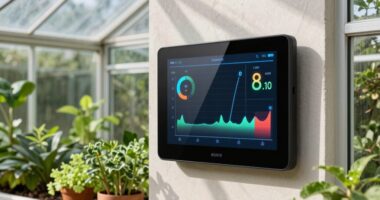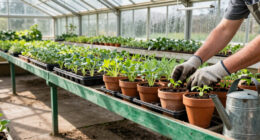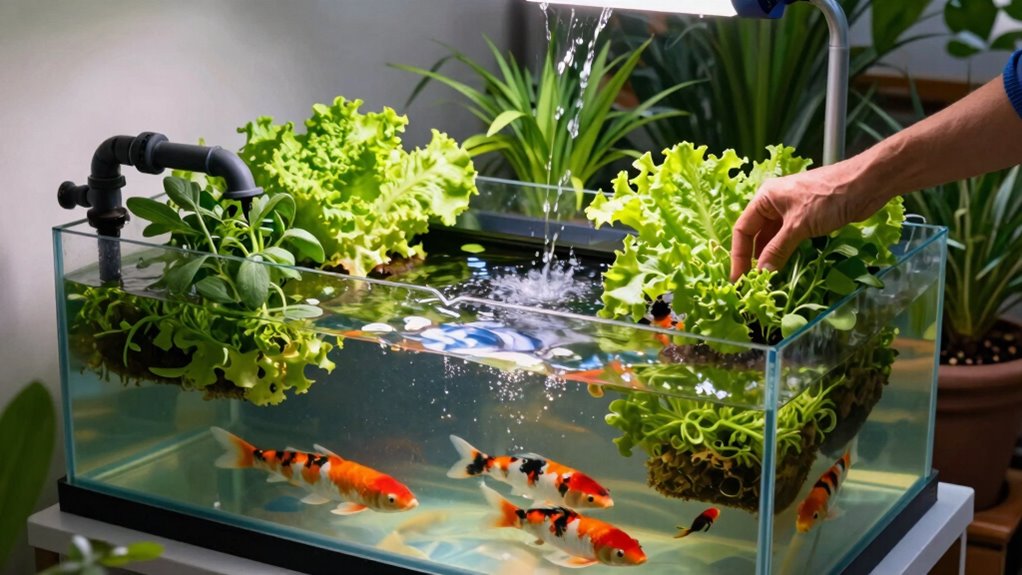
The key question every serious backyard grower should ask is, “How can I keep water temperature stable enough to support healthy fish and plants?” Maintaining the right temperature range—like 65°F-75°F for most fish—is essential for system balance and growth. Fluctuations can stress your aquatic life and disrupt nutrient flow. By understanding temperature control methods, you’ll be better equipped to create a thriving aquaponics setup — keep going to explore more effective strategies.

Get garden gear delivered free with Prime
- Fast, free delivery on millions of items
- Prime Video, Amazon Music and more included
- Member-only deals all year
Key Takeaways
- What fish species are best suited for your local climate and water temperature range?
- How can you effectively maintain stable water temperatures in your setup?
- Are heating or cooling systems necessary to keep water within optimal ranges?
- How often should water temperature be tested to prevent system stress?
- How does temperature stability influence fish health and plant growth?
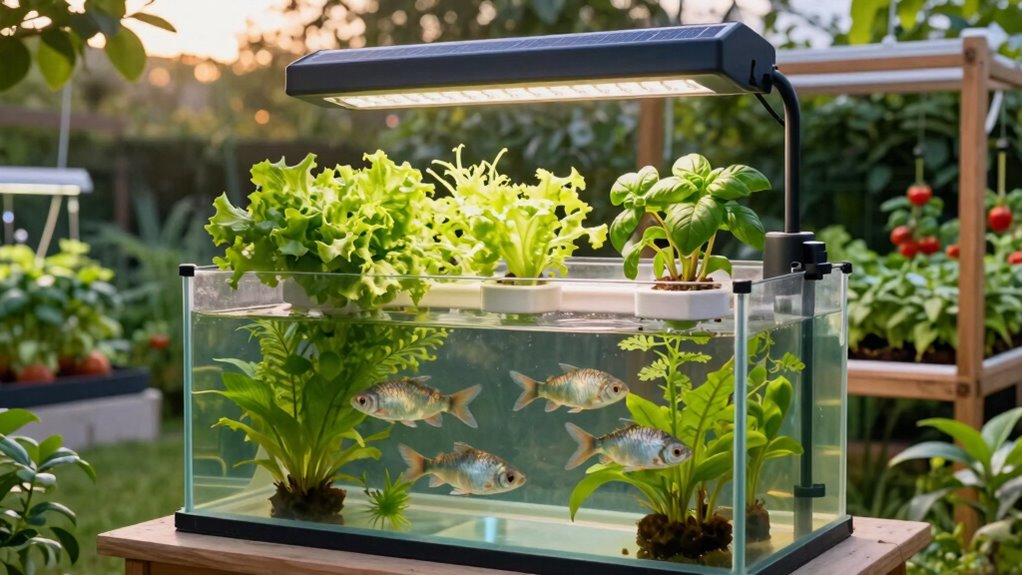
Are you curious about how to successfully set up aquaponics in your backyard? One of the most important questions you need to ask yourself is about maintaining the right environment for your fish and plants. Specifically, you should consider water temperature and fish selection, as these elements are essential for creating a balanced and productive system. When you’re just starting out, understanding how water temperature affects your aquaponics setup can save you a lot of headaches later on. Fish thrive within specific temperature ranges, typically between 65°F and 75°F, depending on the species. If the water gets too cold or too hot, your fish can become stressed, which impacts their health and the quality of the nutrients they produce. Conversely, if the water temperature isn’t stable, it can cause fluctuations that upset your system’s balance, risking the health of both the fish and the plants.
Choosing the right fish for your backyard aquaponics setup is directly tied to water temperature. For example, tilapia are popular because they grow fast and can tolerate a range of water conditions, but they prefer warmer water—around 75°F to 85°F. If your climate or backyard environment doesn’t support that temperature consistently, tilapia might not be the best choice. On the other hand, fish like trout or goldfish can handle cooler temperatures, making them better suited if you live in a region with cooler weather or if you plan to keep the system indoors or in a controlled environment. The key is aligning your fish choice with your local climate and the temperature you can maintain in your system.
Beyond just picking the right fish, you need to think about how to keep water temperature stable. You might need a heater or chiller, depending on your location, to guarantee your fish stay within their ideal range. Regular testing of water temperature becomes part of your routine, helping you catch any fluctuations early before they cause problems. Maintaining the right water temperature isn’t just about comfort; it’s about creating a healthy ecosystem where your fish can thrive, and your plants can grow rapidly. When you ask yourself these questions—what fish should I keep, and how do I keep the water temperature stable?—you’re taking an essential step toward a successful backyard aquaponics system that produces fresh food year-round.
As an affiliate, we earn on qualifying purchases.
Frequently Asked Questions
How Much Space Is Needed for a Productive Aquaponics System?
You’ll need about 50 to 200 square feet for a productive aquaponics system, depending on your plant selection and fish stock. Prioritize space for your grow beds and fish tanks, ensuring good water quality through proper circulation. A well-designed system with efficient plant choices maximizes output in limited space, so tailor your setup to your available area. Regularly monitor water conditions to keep everything healthy and productive.
What Are the Initial Setup Costs for Backyard Aquaponics?
You’ll likely spend between $500 and $2,000 on your backyard aquaponics setup, depending on system size and materials. Investing in quality fish, a reliable pump, and grow beds is vital for maintaining fish health and nutrient balance. Expect costs for plumbing, grow media, and fish to be ongoing as you expand. Proper initial investment guarantees your system functions smoothly, supporting healthy fish and thriving plants.
Can Aquaponics Systems Be Scaled for Larger Yields?
Yes, you can scale aquaponics systems for larger yields, but you need to prioritize fish health and effective water filtration. As you expand, make certain your fish have enough space and monitor water quality regularly to prevent disease. Upgrading filtration systems becomes essential to handle increased waste. Properly managing these aspects helps maintain healthy fish and plants, leading to higher productivity and successful larger-scale aquaponic gardening.
What Are Common Pests or Diseases in Aquaponics?
In your aquaponics system, you might face pests like aphids, snails, and caterpillars, which can harm plants, and diseases such as fungal infections or bacterial spot. To manage these, practice pest control by introducing natural predators or using organic sprays, and focus on disease prevention through proper water quality, good airflow, and regular monitoring. Staying proactive helps keep your system healthy and yields abundant.
How Much Daily Maintenance Does an Aquaponics System Require?
You might find that tending to your aquaponics system takes just 20-30 minutes daily. During this time, you check fish health, ensuring they’re active and healthy, and monitor water filtration to keep water quality ideal. Regularly feeding fish and inspecting plants helps prevent issues before they start. This routine becomes second nature, revealing how consistent care supports a thriving, balanced ecosystem where your plants and fish flourish together effortlessly.
Conclusion
By now, you see that aquaponics isn’t just a trend—it’s a smart, sustainable way to grow your own food. Think of it as a symphony where fish and plants dance in harmony, each supporting the other. As you consider whether to jump in, remember that with patience and care, aquaponics can turn your backyard into a lush, productive oasis. Embrace the challenge, and watch your garden flourish like a well-conducted orchestra.
Halloween Picks
halloween
As an affiliate, we earn on qualifying purchases.